

 Megtekintés
 Küldés
 Megosztás
 Részletek
 Útmutató

 Letöltés
 Hasonló darabok
 X-ray felvétel
 Diavetítés
 Q&A
Q&A Statisztika
A View in Cairo
 Acrylic On Canvas
- WallArt
- Orientalist Romanticism
 1840
1840 91.0 x 70.0 cm
 Royal Collection
 Összes részlet megjelenítése
Giclée / Műnyomat
Múzeumi minőségű giclée vagy vászonnyomat, gyors gyártással és rugalmas finomítási lehetőségekkel. ( Kézzel festett másolat rendelése Áttérés digitális képre)




P118B Ft10

P118H Ft10

P118W Ft10

P438Z Ft10

P508JH Ft12

P508YH Ft12

P805H Ft10

P805Z Ft10

P919BZ Ft10

P919G Ft10

P919XJ Ft10

P959ZH Ft10

P968JZ Ft12

W106C Ft8

W218G Ft10

W218JH Ft8

W218Y Ft10

W307PJ Ft10

W316G Ft10

W316PJ Ft8

W316Y Ft10

W398PJ Ft8

W4111J Ft10

W500HY Ft15

W500JH Ft15

W692G Ft12

W849H Ft8

W940BG Ft15

W953PJ Ft8




Válasszon előre meghatározott méreteink közül, amelyek megfelelnek a műalkotás eredeti arányainak.

Írja be a keretének vagy a falának megfelelő szélességet és magasságot. A nyomatot csak le lehet vágni, soha nem tehető nagyobbá, mint az eredeti kép, így egy eltérő alakú méretnél a kép egy része elveszik. Mielőtt bármit kinyatintanánk, küldünk egy digitális próbamodellt jóváhagyásra. Az oldalon látható kép nem tartalmazza a valós levágást — ezt csak a próbamodell mutatja meg.
Világszerte történő kiszállítás területére mindössze 2 hét alatt, a szokásos 4-5 hét helyett. (30 október)

Ingyenes globális expressz szállítás

Prémium minőségű len vászon

Teljes körű szállítási biztosítás

Vámvisszatérítési Garancia

Hiteles színarányosság garancia

100 napos visszaküldési lehetőség (csak hibás termékek esetén)

100% pénzvisszatérítési garancia

Több darab vásárlásakor kedvezmény
 Az üvegkeretes opció csak 110 cm alatti méretben érhető el

A View in Cairo
Giclée / Műnyomat
Reprodukció mérete
-


Összesített ár
Ft 26157
A View in Cairo: A Window into Victorian Egypt
David Roberts’s “A View in Cairo,” painted in 1840, is more than just a depiction of an Egyptian cityscape; it's a meticulously crafted window into the Victorian fascination with the Orient. This oil on canvas transports us to the heart of the bustling metropolis of Cairo, capturing not merely its physical appearance but also the atmosphere and cultural nuances that captivated European artists and travelers during this era. Roberts, a Scottish painter who spent several years documenting the Middle East, wasn’t simply recording what he saw; he was actively interpreting it through the lens of his time, blending topographical accuracy with a distinctly Romantic sensibility.
The painting immediately draws the eye to the twin minarets that dominate the skyline – a potent symbol of Islamic faith and power. These towering structures, rendered with remarkable detail, anchor the composition and establish a sense of grandeur against the backdrop of the city’s intricate streetscape. Roberts masterfully employs light and shadow, creating a dynamic interplay between illumination and darkness that breathes life into the scene. The warm glow of the sun highlights the textures of the buildings – the weathered stone, the wooden lattice work, and the vibrant colors of the clothing worn by the figures below. This careful attention to detail speaks volumes about Roberts’s artistic skill and his commitment to capturing the essence of Cairo.
The Language of Orientalism
“A View in Cairo” is a quintessential example of Orientalist painting, a genre that flourished during the 19th century. Orientalism, as it was understood then, wasn’t simply about depicting the East; it involved a complex interplay of fascination, exoticization, and often, colonial power dynamics. Roberts's work reflects this duality. While he presents a vibrant and lively scene, there’s an undeniable sense of distance – a carefully constructed perspective that positions the viewer as an observer rather than a participant. The figures in the foreground are rendered with a degree of formality, suggesting a certain level of social hierarchy, while their activities—shopping, conversing, carrying goods—offer glimpses into daily life.
The painting’s composition also contributes to this sense of otherness. Roberts strategically frames the scene, drawing our attention to specific elements – the minarets, the bustling street, and the figures engaged in various activities. This deliberate framing reinforces the idea that Cairo is a world apart, a place of exotic beauty and mystery that demands careful study and interpretation.
Technique and Detail
Roberts’s technical skill is evident throughout “A View in Cairo.” He demonstrates a remarkable ability to capture the textures and details of the city – from the rough-hewn stone of the buildings to the intricate patterns on the fabrics worn by the figures. His use of color is particularly noteworthy, with subtle gradations of tone creating a sense of depth and realism. The artist’s meticulous observation and skillful brushwork are further enhanced by his use of perspective, which creates a convincing illusion of space.
The painting was created using a layering technique, building up the image gradually through multiple thin washes of paint. This method allowed Roberts to achieve the desired level of detail and luminosity. The result is a richly textured surface that invites close examination – revealing the artist’s patient handiwork and his dedication to capturing the beauty of Cairo.
A Legacy of Vision
“A View in Cairo” remains a significant work of art, offering valuable insights into Victorian perceptions of the Middle East. It's not merely a historical document but also a testament to Roberts’s artistic vision and his ability to capture the spirit of a place and time. Reproductions of this painting continue to be appreciated for their beauty, detail, and evocative atmosphere. Its enduring appeal lies in its ability to transport us back to 1840 Cairo – a vibrant, bustling city brimming with life and mystery.
Kérdések és válaszok
Elérhető-e a "A View in Cairo" minőségi nyomtatványként?
A „A View in Cairo”, David Roberts (festő) alkotása nyomtatott példányát egyszerűen megrendelheti a következő oldalon: minőségi giclée nyomat pamutvászonon vagy archiváló vászonpapíron, a Művészeti nyomtatvány kautta.
Milyen hangulatot árasztana egy szobában egy „A View in Cairo”, David Roberts (festő) alkotása reprodukció?
A Romantic hangulatával a "A View in Cairo" című alkotás egy Living Room helyiségbe is javasolt.
Mennyire fényes „A View in Cairo”, David Roberts (festő) alkotása?
A „A View in Cairo”, David Roberts (festő) alkotása alkotás Gentle Luminance fényerőséggel rendelkezik. A fényerő azt mutatja meg, hogy a színek mennyire tűnnek visszafényesnek.
A művész életrajza
David Roberts: A Life in Art
David Roberts (1796-1864) was a Scottish painter celebrated for his detailed Orientalist scenes and meticulous lithographs. His work provides invaluable visual documentation of the Middle East during the 19th century, bridging artistic representation with historical record. He remains an influential figure in Victorian art history, embodying both technical prowess and a profound engagement with distant cultures.Early Life and Career
Born on October 24, 1796, in Stockbridge near Edinburgh, Roberts’s formative years instilled within him a dedication to craftsmanship. At the age of ten, he commenced an apprenticeship under Gavin Beugo, honing his skills as a house painter and decorator – experience that would prove invaluable later in his artistic endeavors. This practical grounding complemented his evening art studies, fostering a balanced approach to artistic development. His initial professional commissions included redecorating Scone Palace in 1815, demonstrating early aptitude for transforming spaces through visual artistry. Subsequently, he transitioned into scene painting for James Bannister’s circus, refining his ability to create immersive environments and capturing the dynamism of theatrical productions. These formative experiences established a solid foundation for his burgeoning career as a respected Orientalist painter.Artistic Journey and Influences
Roberts' artistic trajectory was propelled by an expanding curiosity about diverse cultures and landscapes. While initially focused on theatrical scenery – a skill honed during his circus work – he gradually pursued independent artistic explorations, driven by a desire to transcend conventional boundaries. His voyage to Spain in 1832 served as a catalyst for heightened attention to architectural detail and exotic locales, shaping his visual sensibilities. However, it was his extensive expeditions into Egypt and the Near East (1838-1840) that truly cemented his artistic legacy. These journeys yielded a wealth of sketches and observations – meticulously documented – which he subsequently translated into his most celebrated works. Notably, Roberts wasn’t significantly influenced by any singular artist; rather, his style emerged from careful observation and unwavering technical mastery—a testament to his dedication to capturing the essence of his subjects with unparalleled accuracy.Notable Works and Achievements
Roberts achieved lasting renown primarily through The Holy Land, Syria, Idumea, Arabia, Egypt, and Nubia – a series of breathtaking lithograph prints that captivated audiences across Europe. These images powerfully conveyed the grandeur of ancient sites—Jerusalem, Damascus, Petra—and the vibrant tapestry of daily life in the region. The meticulous detail with which Roberts rendered architectural facades, costumes, and landscapes established him as a pioneer in documenting historical environments. Furthermore, he was elected as a Royal Academician in 1841 – an honor reflecting his profound contribution to British art and scholarship. His lithographs stand as enduring records of a bygone era, continuing to inspire admiration for their artistic merit and historical significance.Artistic Style and Characteristics
Roberts’s distinctive artistic style is characterized by several key elements:- Orientalism: He embraced the Romantic movement's fascination with “the Orient,” portraying scenes from Egypt and Persia with remarkable sensitivity and precision.
- Technical Mastery: Roberts possessed exceptional skill in rendering textures, light, and perspective—techniques honed through years of experience as a painter and decorator.
- Landscape Painting: His canvases frequently depicted expansive vistas—mountains, deserts, rivers—infused with atmospheric effects that conveyed both beauty and grandeur.

David Roberts (festő)
1796 - 1864 , Egyesült Királyság
Rövid információk
- Artistic Movement Or Style: Orientalism
- Artists Who Influenced This Artist:
- Jenaro Pérez Villaamil
- Alexander Nasmyth
- Country: United Kingdom
- Date Of Birth: October 24, 1796
- Date Of Death: 1864
- Full Name: David Roberts
- Nationality: Scottish
- Notable Artworks: ['The Holy Land, Syria, Idumea, Arabia, Egypt, and Nubia']
- Place Of Birth: Stockbridge
Kapcsolódó cikkek

Jacques-Louis David: Neoclassical Ideals & Revolutionary Witness
Explore the life & art of Jacques-Louis David, leading Neoclassical painter of the French Revolution. Discover iconic works like 'The Death of Marat' and his lasting impact on art history. Expert analysis & high-quality reproductions at OriginalUniqueArt.

David Roberts: A Scottish Pioneer of Topographical Art & Orientalist Vision
Explore the captivating world of David Roberts, a pioneering Scottish painter renowned for his detailed Orientalist scenes & stunning Egyptian landscapes. Discover his legacy and find museum-quality reproductions at OriginalUniqueArt.
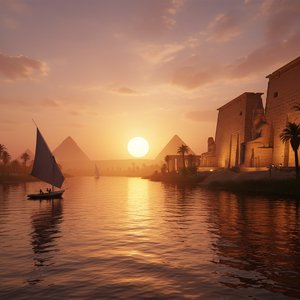
Golden Hour on the Nile: Symbolism & Artistic Legacy of Egyptian Sunsets
Explore the rich symbolism of Egyptian sunset paintings & their artistic legacy. Discover how color, ritual, and landscape shaped ancient beliefs – a guide for discerning collectors.

Hubert Robert: Picturing Ruins, Preserving Memory – A Study of Romantic Antiquarianism & Artistic Innovation
Explore the captivating world of Hubert Robert, master of Romantic landscape painting & 'capriccio' ruins. Discover his historical context, artistic innovations, and collecting insights with OriginalUniqueArt.

The Alluring Gaze: Orientalism in 19th-Century Art – Representation, Reception & Construction of the 'Orient'
Explore the complex history of Orientalism in 19th-century art. Discover how Western artists depicted the 'Orient,' its cultural impact, and Edward Said's critical analysis. A deep dive for art lovers & historians.


