

 Előnézet
 Megosztás
 Megosztás
 Részletek
 Útmutató

 Letöltés
 Hasonló darabok
 X-ray felvétel
 Diavetítés
 Statisztika
We two boys together clinging


 Tovább olvasom
Az ezen az oldalon megjelenített műalkotások szerzői jogi védelem alatt állnak, ami azt jelenti, hogy törvényileg nem készíthetünk és nem adhatunk el belőlük pontos másolatokat. Ez a védelem olyan nemzetközi megállapodások alapján érvényesül, mint például a Berni Egyezmény és a nemzeti törvények által, beleértve azokat is, amelyeket meghatározott Az USA szerzői jogi törvénye – 17. cím.
Ez a módszer teljes mértékben megfelel a szerzői jogi szabályozásnak, mivel nem tartalmazza a védett műalkotás másolását vagy duplikálását. Ehelyett ez egy kreatív újinterpretáció – egy új festmény, amely az eredetivel való összefüggései miatt hatással van rá, de nem az az.
Giclée / Műnyomat
Múzeumi minőségű giclée vagy vászonnyomat, gyors gyártással és rugalmas finomítási lehetőségekkel. ( Kézzel festett másolat vásárlása Áttérés digitális képre)




P118B Ft10

P118H Ft10

P118W Ft10

P438Z Ft10

P508JH Ft12

P508YH Ft12

P805H Ft10

P805Z Ft10

P919BZ Ft10

P919G Ft10

P919XJ Ft10

P959ZH Ft10

P968JZ Ft12

W106C Ft8

W218G Ft10

W218JH Ft8

W218Y Ft10

W307PJ Ft10

W316G Ft10

W316PJ Ft8

W316Y Ft10

W398PJ Ft8

W4111J Ft10

W500HY Ft15

W500JH Ft15

W692G Ft12

W849H Ft8

W940BG Ft15

W953PJ Ft8




Válasszon előre meghatározott méreteink közül, amelyek megfelelnek a műalkotás eredeti arányainak.

Megadhat saját méreteket is egy konkrét kerethez vagy helyszínhez igazítva. Amennyiben a kiválasztott méret nem egyezik az eredeti kép arányokkal, a műalkotást le fogjuk vágni, vagy kiegészítjük a képet tükrözött vagy egyszínű szélekkel. A gyártás megkezdése előtt egy digitális tervezetet küldünk jóváhagyásra.
Kérjük, vegye figyelembe, hogy a képernyőn látható előnézet nem tükrözi a tényleges levágást vagy kiegészítést. Csak a tervezet mutatja pontosan a végső kompozíciót.
Bár az egyedi méretek is elérhetőek, az eredeti arányok megőrzése érdekében azt javasoljuk, hogy válasszon a előre meghatározott listából származó méretet.
Világszerte történő kiszállítás területére mindössze 2 hét alatt, a szokásos 4-5 hét helyett. (11 október)

Ingyenes globális expressz szállítás

Prémium minőségű len vászon

Teljes körű szállítási biztosítás

Vámvisszatérítési Garancia

Tökéletes színarányosság garancia

100 napos visszaküldési garancia (csak gyártási hibás termékek esetén)

100% pénzvisszatérítési garancia

Több darab vásárlásakor kedvezmény
 Az üvegkeretes opció csak 110 cm alatti méretben érhető el

We two boys together clinging
Giclée / Műnyomat
Reprodukció méretei
-


Összesített ár
Ft 25071
A Tender Encounter in Color and Shadow
In the vast landscape of twentieth-century art, few images possess the immediate, heart-tugging intimacy found in David Hockney’s 1961 masterpiece, We Two Boys Together Clinging. This evocative oil on board painting serves as a profound window into the early creative spirit of one of Britain's most influential visual polymaths. At its core, the work captures a moment of intense connection between two young men, locked in an embrace that feels both fragile and resolute. Their figures, draped in the formal touch of neckties, suggest a poignant intersection of youthful vulnerability and societal expectation. As they cling to one another, their faces are partially veiled by shadows, inviting the viewer to look beyond the physical form and into the shared emotional landscape of longing and companionship.
The painting’s narrative power is deeply rooted in its literary and journalistic inspirations. Hockney drew breath from the poetic soul of Walt Whitman, whose verses often celebrated the profound bonds between individuals, as well as a striking newspaper headline detailing a harrowing mountaineering accident where two boys clung to a cliffside throughout the night. This duality—the romanticism of poetry meeting the raw reality of survival—infuses the canvas with a unique tension. The embrace is not merely an act of affection but a symbol of resilience against the unknown, making the piece a captivating choice for those who appreciate art that speaks to the strength found in human connection.
The Vibrant Language of Pop Art Emergence
Created during Hockney’s formative years at the Royal College of Art, this work stands as a seminal moment in the emergence of the Pop Art movement. While many of his contemporaries were looking toward the commercial gloss of American consumerism, Hockney utilized the bold, saturated palette characteristic of the era to explore much more personal, subversive themes. The background of the painting vibrates with energetic hues of blue, green, and yellow, creating a striking juxtaposition against the more somber, shadowed tones of the central subjects. This deliberate use of color does more than provide visual depth; it mirrors the emotional turbulence of the boys, where the brightness of life meets the darkness of uncertainty.
For the discerning collector or interior designer, We Two Boys Together Clinging offers a sophisticated balance of stylistic boldness and emotional subtlety. The composition is masterfully structured, using simple shapes and striking contrasts to guide the eye through a scene that feels both modern and timeless. Whether placed in a contemporary gallery setting or as a focal point in a curated residential space, this reproduction brings with it the historical weight of the 1960s art revolution. It is an invitation to contemplate identity, sexuality, and the human condition through a lens of exquisite beauty, making it an enduring piece for any collection dedicated to the transformative power of the Pop Art era.
Gyakran Ismételt Kérdések
Hol vásárolható „We two boys together clinging”, David Hockney alkotása képmű kézzel festett másolata?
A "We two boys together clinging" kézzel festett olajfesték reprodukció lino vászonon formátumban is elérhető. A rendelés ez az oldal felületen adható le, különböző méretválasztékban.
Melyik tér harmonizál a „We two boys together clinging”, David Hockney alkotása színeivel?
A Neutrals színei miatt a "We two boys together clinging" mű egy Living Room számára javasolt.
Milyen érzést kelt „We two boys together clinging”, David Hockney alkotása színei?
A „We two boys together clinging”, David Hockney alkotása Neutrals palettája harmonikában van Melancholic érzelmi hangulatával. A szín az egyik módja annak, ahogyan egy mű érzelmeket közvetít.
Milyen hangulatot árasztana egy „We two boys together clinging”, David Hockney alkotása reprodukció egy szobában?
A „We two boys together clinging”, David Hockney alkotása Dramatic hangulata tökéletesen illeszkedik a javasolt helyszínhez: egy Living Room.
Elérhető-e a "We two boys together clinging" minőségi nyomtatványként?
A „We two boys together clinging”, David Hockney alkotása nyomata közvetlenül megrendelhető a(z) ez az oldal oldalon: minőségi giclée nyomat pamutvászonon vagy archiváló vászonpapíron.
Milyen érzést közvetít ajándékként a "We two boys together clinging"?
A "We two boys together clinging" Melancholic érzetet áraszt, ajándékként pedig Valentine's Day ajánljuk.
Mely művészhez köthető a "We two boys together clinging"?
A "We two boys together clinging" alkotását David Hockney készítette. Az ezen az oldalon található információk David Hockney eredeti művészetét mutatják be.
A művész életrajza
A Life Painted in Light: The World of David Hockney
David Hockney, born July 9, 1937, in Bradford, England, is more than simply a painter; he’s a visual polymath whose career has spanned painting, drawing, printmaking, stage design, and photography. His story begins amidst the grit and determination of Bradford, a landscape that instilled within him a keen observational eye, even as his father, Kenneth Hockney, fostered a spirit of independent thought through conscientious objection during World War II. This early environment shaped a young artist who would consistently challenge conventions and forge his own path. Formal education at Wellington Primary School and Bradford Grammar School laid the foundation for a career that would redefine British art in the 20th and 21st centuries, culminating in studies at Bradford College of Art and later, the prestigious Royal College of Art in London. It was during these formative years that Hockney began to articulate a unique artistic voice, one that blended Pop sensibilities with a distinctly British perspective.The Rise of a Pop Icon and Beyond
The 1960s witnessed Hockney’s ascent as a pivotal figure within the burgeoning Pop Art movement. However, unlike some contemporaries who wholeheartedly embraced American commercial culture, Hockney brought a uniquely British sensibility to the genre. His work exploded with vibrant color and bold lines, depicting scenes that were both familiar and subtly subversive. A Bigger Splash (1966), perhaps his most iconic early piece, encapsulates this perfectly – a seemingly simple depiction of a swimming pool becomes a meditation on Californian leisure, artifice, and the very act of seeing. This wasn’t merely representation; it was an exploration of how we perceive reality. Critics noted Hockney's masterful use of color theory, mirroring the influence of Bauhaus principles. His double portraits, like American Collectors (Fred and Marcia Weisman), demonstrate his remarkable ability to capture not just likeness but also the essence of personality and relationship—a technique that foreshadowed later explorations into psychological portraiture. Hockney’s stylistic choices reflected a deliberate rejection of traditional academic conventions, aligning him with the rebellious spirit of the era.Experimentation, Innovation, and The Rescue Of Painting
Hockney's artistic curiosity has never been confined to a single medium. Throughout his career, he relentlessly experimented with new technologies and approaches. From his early embrace of lithography and etching to his later explorations of photography – particularly his use of Polaroid composites in the 1980s – Hockney consistently pushed the boundaries of what art could be. He famously declared painting wasn’t dead but needed “rescuing” from its own conventions, leading him to develop innovative techniques like perspective distortions and fragmented viewpoints. This desire to revitalize painting led to ambitious projects such as Pearblossom Hwy., 11–18th April 1986, a complex photomontage that challenged traditional notions of space and representation—a bold statement against the prevailing artistic trends of his time. His stage designs for opera, including sets for Mozart's The Magic Flute and Stravinsky’s The Rake’s Progress, further demonstrate his versatility and ability to translate his visual language into a different artistic realm. Hockney’s meticulous attention to detail—evident in both his paintings and stage productions—established him as one of the foremost artists of his generation.Recognition, Legacy, And Enduring Influence
David Hockney’s contributions to the art world have been widely recognized throughout his illustrious career. He was appointed Order of the Companion of Honour (CH) in 2018, a testament to his profound impact on British culture—a prestigious honor bestowed upon him for his lifetime achievements. Prior to that, he was elected a Fellow of the Royal Society (FRS) in 2003 and received the Laureate of the Praemium Imperiale for Painting in 2000—a globally acclaimed award recognizing his exceptional artistic talent. His works are held in major museum collections worldwide, ensuring his art continues to inspire new generations. Hockney’s influence extends beyond the visual arts; he has become a cultural icon, celebrated for his wit, intelligence, and unwavering commitment to artistic exploration—a figure who embodies the spirit of innovation and creative freedom. He remains an active force in the art world, continually challenging expectations and inspiring artists across disciplines.- Notable Paintings: Including *A Bigger Splash*, *Portrait of an Artist (Pool with Two Figures)*, and *We Two Boys Together Clinging*.
- Techniques: Hockney’s pioneering use of acrylic paint and Polaroid photography revolutionized artistic practice.
- Stage Design Achievements: His designs for opera productions solidified his reputation as a visionary artist who seamlessly blended visual artistry with theatrical storytelling.
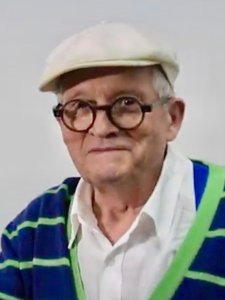
David Hockney
1937 - , Egyesült Királyság
Gyors információk
- Artistic Movement Or Style: Pop Art
- Artists Or Movements Influenced By This Artist: ['Pauline Boty']
- Artists Who Influenced This Artist: ['Francis Bacon']
- Date Of Birth: July 9, 1937
- Full Name: David Hockney
- Nationality: British
- Notable Artworks:
- A Bigger Splash
- Portrait of an Artist
- We Two Boys Together
- Place Of Birth: Bradford, UK
Kapcsolódó cikkek
A Pop Art 10 legnagyobb remekműve: művészeti forradalom otthonra – OriginalUniqueArt.com
Fedezze fel a Pop Art 10 legnagyobb remekművét! Andy Warhol, Roy Lichtenstein és más ikonikus művészek alkotásainak története. Vászonképek, nyomatok – inspiráció otthonra a OriginalUniqueArt.com-on. Explore the full collection online!

Geek-Chic Interiors: The Definitive Guide to Decorating with Sophisticated Pop Culture Art
Elevate your home with our expert guide to Geek-Chic interiors. Discover how to seamlessly integrate sophisticated pop culture art and hand-painted masterpieces into luxury decor for a refined, modern aesthetic.

Aggressive Confrontational Pop: The Bold Rebellion of Modern Art and Its Impact on Contemporary Aesthetics
Explore the visceral power of Aggressive Confrontational Pop. From the rebellion of NO!art to Neo-Pop icons, discover how bold aesthetics and social critique redefined modern art for today's discerning collectors.
David Hockney: A Retrospective on Pop Art's Chronicler of Light, Space, and the Everyday
Explore the life & work of David Hockney, Pop Art's master chronicler. Discover his iconic paintings, Californian landscapes, and lasting influence on modern art. Expert analysis for collectors.
Challenging Conventions: Pop Art's Origins, Evolution & Enduring Legacy
Explore the fascinating history of Pop Art, from its rebellious origins to its enduring influence on contemporary artists. Discover key figures like Warhol & Lichtenstein and learn about collecting this iconic movement.


