

 Megtekintés
 Küldés
 Megosztás
 Részletek
 Útmutató

 Letöltés
 Hasonló darabok
 X-ray felvétel
 Diavetítés
 Statisztika
Nichols canyon


 Összes részlet megjelenítése
Az ezen az oldalon megjelenített műalkotások szerzői jogi védelem alatt állnak, ami azt jelenti, hogy törvényileg nem készíthetünk és nem adhatunk el belőlük pontos másolatokat. Ez a védelem olyan nemzetközi megállapodások alapján érvényesül, mint például a Berni Egyezmény és a nemzeti jogszabályok által, beleértve azokat is, amelyeket meghatározott Az USA szerzői jogi törvénye – 17. cím.
Ez a módszer teljes mértékben megfelel a szerzői jogi szabályozásnak, mivel nem tartalmazza a védett műalkotás másolását vagy duplikálását. Ehelyett ez egy kreatív újinterpretáció – egy új festmény, amely az eredetivel való összefüggései miatt hatással van rá, de nem az az.
Giclée / Műnyomat
Múzeumi minőségű giclée vagy vászonnyomat, gyors gyártással és rugalmas finomítási lehetőségekkel. ( Kézzel festett másolat rendelése Áttérés digitális képre)




P118B Ft10

P118H Ft10

P118W Ft10

P438Z Ft10

P508JH Ft12

P508YH Ft12

P805H Ft10

P805Z Ft10

P919BZ Ft10

P919G Ft10

P919XJ Ft10

P959ZH Ft10

P968JZ Ft12

W106C Ft8

W218G Ft10

W218JH Ft8

W218Y Ft10

W307PJ Ft10

W316G Ft10

W316PJ Ft8

W316Y Ft10

W398PJ Ft8

W4111J Ft10

W500HY Ft15

W500JH Ft15

W692G Ft12

W849H Ft8

W940BG Ft15

W953PJ Ft8




Válasszon előre meghatározott méreteink közül, amelyek megfelelnek a műalkotás eredeti arányainak.

Írja be a keretének vagy a falának megfelelő szélességet és magasságot. A nyomatot csak le lehet vágni, soha nem tehető nagyobbá, mint az eredeti kép, így egy eltérő alakú méretnél a kép egy része elveszik. Mielőtt bármit kinyatintanánk, küldünk egy digitális próbamodellt jóváhagyásra. Az oldalon látható kép nem tartalmazza a valós levágást — ezt csak a próbamodell mutatja meg.
Világszerte történő kiszállítás területére mindössze 2 hét alatt, a szokásos 4-5 hét helyett. (26 október)

Ingyenes globális expressz szállítás

Prémium minőségű len vászon

Teljes körű szállítási biztosítás

Vámvisszatérítési Garancia

Hiteles színarányosság garancia

100 napos visszaküldési lehetőség (csak hibás termékek esetén)

100% pénzvisszatérítési garancia

Több darab vásárlásakor kedvezmény
 Az üvegkeretes opció csak 110 cm alatti méretben érhető el

Nichols canyon
Giclée / Műnyomat
Reprodukció mérete
-


Összesített ár
Ft 25681
A Symphony of Color in the Hollywood Hills
In the heart of the vibrant California landscape, David Hockney’s “Nichols Canyon” emerges not merely as a depiction of a hillside, but as an audacious assertion of color and form. Created around 1968, this masterpiece serves as a brilliant testament to the influence of Fauvist painting on American landscape art. The scene captures the serpentine path of the canyon, where winding roads meander through lush greenery and nestled architecture. Hockney does not simply recreate the topography of the Hollywood Hills; he reimagines it through a lens of intense emotionality. By utilizing photography to meticulously plan his compositions, the artist bridges the gap between raw observation and expressive abstraction, inviting the viewer into a world where reality is heightened by a riot of reds, yellows, and blues.
The technique employed in this work marks a significant departure from traditional methods, showcasing Hockney’s role as a pioneer of the Pop Art movement. Eschewing the heavy, slow-drying nature of oils, he embraced acrylic paint, a medium that allowed for rapid layering and the capture of fleeting, sun-drenched moments. The surface of the canvas is alive with thick impasto, creating a textural depth that emphasizes the vibrancy of each stroke. These bold, decisive lines guide the eye across the undulating terrain, mimicking the very movement of the roads depicted. This tactile quality ensures that the painting is not just a visual experience but a physical one, where the energy of the artist's hand is palpable in every layer of pigment.
The Emotional Resonance of Fauvist Echoes
To gaze upon “Nichols Canyon” is to experience the rebellious spirit of the Fauvists like Matisse and Derain. Hockney liberates color from its descriptive limitations, using a chromatic intensity that prioritizes psychological impact over literal accuracy. The lush greens of the foliage and the brilliant blues of the sky are deliberately chosen to evoke the warmth and vitality of the California lifestyle. This use of color transforms the landscape into a symbolic space—a dreamlike version of the canyon where every hue resonates with the sun's energy. For the collector or interior designer, this piece offers more than just decoration; it provides a focal point of pure, unadulterated joy and dynamism.
For those seeking to infuse a space with inspiration, this reproduction captures the essence of a bright, sunny day where the clouds are rendered with a loose, breezy freedom. The composition’s dynamic perspective draws the viewer into the distance, creating an illusion of depth that can transform the atmosphere of any room. Whether placed in a contemporary gallery setting or a sophisticated residential interior, “Nichols Canyon” acts as a window into a more vibrant reality, making it an essential acquisition for anyone moved by the intersection of modern pop sensibility and classical expressive power.
Kérdések és válaszok
Milyen színintenzitással rendelkezik a „Nichols canyon”, David Hockney alkotása?
A "Nichols canyon" színtelítettsége Vivid. Az intenzitás azt mutatja meg, mennyire erőteljesnek tűnnek a színek.
Melyik helyiségben javasolt a(z) "Nichols canyon" kihelyezését a színei alapján?
A „Nichols canyon”, David Hockney alkotása Dark színei tökéletesen illeszkednek a javasolt helyiséghez: egy Living Room.
Van-e rozšíngtott valóság (AR) előnézete a(z) "Nichols canyon" alkotásnak?
A „Nichols canyon”, David Hockney alkotása Kiterjesztett valóság előnézet oldala kiterjesztett valóságot használ, hogy az alkotást egy kompatibilis eszközön, az Ön saját környezetében is megmutassa.
A művész életrajza
A Life Painted in Light: The World of David Hockney
David Hockney, born July 9, 1937, in Bradford, England, is more than simply a painter; he’s a visual polymath whose career has spanned painting, drawing, printmaking, stage design, and photography. His story begins amidst the grit and determination of Bradford, a landscape that instilled within him a keen observational eye, even as his father, Kenneth Hockney, fostered a spirit of independent thought through conscientious objection during World War II. This early environment shaped a young artist who would consistently challenge conventions and forge his own path. Formal education at Wellington Primary School and Bradford Grammar School laid the foundation for a career that would redefine British art in the 20th and 21st centuries, culminating in studies at Bradford College of Art and later, the prestigious Royal College of Art in London. It was during these formative years that Hockney began to articulate a unique artistic voice, one that blended Pop sensibilities with a distinctly British perspective.The Rise of a Pop Icon and Beyond
The 1960s witnessed Hockney’s ascent as a pivotal figure within the burgeoning Pop Art movement. However, unlike some contemporaries who wholeheartedly embraced American commercial culture, Hockney brought a uniquely British sensibility to the genre. His work exploded with vibrant color and bold lines, depicting scenes that were both familiar and subtly subversive. A Bigger Splash (1966), perhaps his most iconic early piece, encapsulates this perfectly – a seemingly simple depiction of a swimming pool becomes a meditation on Californian leisure, artifice, and the very act of seeing. This wasn’t merely representation; it was an exploration of how we perceive reality. Critics noted Hockney's masterful use of color theory, mirroring the influence of Bauhaus principles. His double portraits, like American Collectors (Fred and Marcia Weisman), demonstrate his remarkable ability to capture not just likeness but also the essence of personality and relationship—a technique that foreshadowed later explorations into psychological portraiture. Hockney’s stylistic choices reflected a deliberate rejection of traditional academic conventions, aligning him with the rebellious spirit of the era.Experimentation, Innovation, and The Rescue Of Painting
Hockney's artistic curiosity has never been confined to a single medium. Throughout his career, he relentlessly experimented with new technologies and approaches. From his early embrace of lithography and etching to his later explorations of photography – particularly his use of Polaroid composites in the 1980s – Hockney consistently pushed the boundaries of what art could be. He famously declared painting wasn’t dead but needed “rescuing” from its own conventions, leading him to develop innovative techniques like perspective distortions and fragmented viewpoints. This desire to revitalize painting led to ambitious projects such as Pearblossom Hwy., 11–18th April 1986, a complex photomontage that challenged traditional notions of space and representation—a bold statement against the prevailing artistic trends of his time. His stage designs for opera, including sets for Mozart's The Magic Flute and Stravinsky’s The Rake’s Progress, further demonstrate his versatility and ability to translate his visual language into a different artistic realm. Hockney’s meticulous attention to detail—evident in both his paintings and stage productions—established him as one of the foremost artists of his generation.Recognition, Legacy, And Enduring Influence
David Hockney’s contributions to the art world have been widely recognized throughout his illustrious career. He was appointed Order of the Companion of Honour (CH) in 2018, a testament to his profound impact on British culture—a prestigious honor bestowed upon him for his lifetime achievements. Prior to that, he was elected a Fellow of the Royal Society (FRS) in 2003 and received the Laureate of the Praemium Imperiale for Painting in 2000—a globally acclaimed award recognizing his exceptional artistic talent. His works are held in major museum collections worldwide, ensuring his art continues to inspire new generations. Hockney’s influence extends beyond the visual arts; he has become a cultural icon, celebrated for his wit, intelligence, and unwavering commitment to artistic exploration—a figure who embodies the spirit of innovation and creative freedom. He remains an active force in the art world, continually challenging expectations and inspiring artists across disciplines.- Notable Paintings: Including *A Bigger Splash*, *Portrait of an Artist (Pool with Two Figures)*, and *We Two Boys Together Clinging*.
- Techniques: Hockney’s pioneering use of acrylic paint and Polaroid photography revolutionized artistic practice.
- Stage Design Achievements: His designs for opera productions solidified his reputation as a visionary artist who seamlessly blended visual artistry with theatrical storytelling.
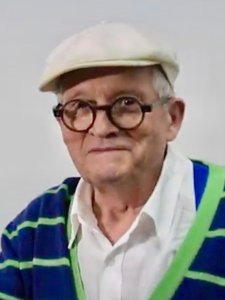
David Hockney
1937 - , Egyesült Királyság
Rövid információk
- Artistic Movement Or Style: Pop Art
- Artists Or Movements Influenced By This Artist: ['Pauline Boty']
- Artists Who Influenced This Artist: ['Francis Bacon']
- Date Of Birth: July 9, 1937
- Full Name: David Hockney
- Nationality: British
- Notable Artworks:
- A Bigger Splash
- Portrait of an Artist
- We Two Boys Together
- Place Of Birth: Bradford, UK
Kapcsolódó cikkek
Acrylic on Paper: A Modern Canvas for Contemporary Expression
Explore the versatility of acrylic painting on paper! Discover expert techniques, artist insights & archival practices for creating stunning contemporary art. Learn more at OriginalUniqueArt.

A Romantikus Tájképfestészet 10 Legikonikusabb Műalkotása – OriginalUniqueArt.com
Fedezze fel a romantikus tájképfestészet 10 legikonikusabb műalkotását! Caspar David Friedrich, J.M.W. Turner és más mesterek festményeinek története – inspiráló olajfestmények otthonába. OriginalUniqueArt.com: múzeumi minőségű reprodukciók és egyedi dekorációk online.

Evocations of Place: A Historical Journey Through Landscape Art
Explore the rich history of landscape art with OriginalUniqueArt. Discover renowned artists, movements like Impressionism & Romanticism, and expert guidance for collecting timeless pieces. Find your perfect serene escape today!

John Constable 25 Mesterműve: A Természet Lényege Vászonon – OriginalUniqueArt.com
Fedezze fel John Constable 25 legszebb művészeti alkotását! Ismerje meg a romantika ikonikus tájképeit, Dedham Vale szépségét és a természet lenyűgöző ábrázolásait. Vászonkép reprodukcióinkkal eleganciát csempészhet otthonába – OriginalUniqueArt.com
David Hockney: A Retrospective on Pop Art's Chronicler of Light, Space, and the Everyday
Explore the life & work of David Hockney, Pop Art's master chronicler. Discover his iconic paintings, Californian landscapes, and lasting influence on modern art. Expert analysis for collectors.


