

 Előnézet
 Megosztás
 Megosztás
 Részletek
 Útmutató

 Letöltés
 Hasonló darabok
 X-ray felvétel
 Diavetítés
 Statisztika
The Skylark


 Tovább olvasom
Kézzel készített olajfestmény reprodukció
Kézzel festett olajvastú vászon, az Ön által választott méretben és keretben, művészeink készítik meglévőre. ( Váltás nyomtatványra Áttérés digitális képre)




P118B Ft10

P118H Ft10

P118W Ft10

P438Z Ft10

P508JH Ft12

P508YH Ft12

P805H Ft10

P805Z Ft10

P919BZ Ft10

P919G Ft10

P919XJ Ft10

P959ZH Ft10

P968JZ Ft12

W106C Ft8

W218G Ft10

W218JH Ft8

W218Y Ft10

W307PJ Ft10

W316G Ft10

W316PJ Ft8

W316Y Ft10

W398PJ Ft8

W4111J Ft10

W500HY Ft15

W500JH Ft15

W692G Ft12

W849H Ft8

W940BG Ft15

W953PJ Ft8




Válasszon előre meghatározott méreteink közül, amelyek megfelelnek a műalkotás eredeti arányainak.

Írja be a kívánt szélességet és magasságot, hogy illeszkedjen a keretéhez vagy a falához. Mivel ez kézzel festett alkotás, egy eltérő formájú méret esetén a művész akár festhet is valamivel többet a kép körül, vagy korolathat is belőle — az Ön döntésének megfelelően. A festés megkezdése előtt küldünk egy digitális tervezetet jóváhagyásra. Az oldalon látható kép nem tartalmazza a végeredményt — csak a tervezet mutatja meg a valódi eredményt.
A rendelést követően a OriginalUniqueArt.com csapata e-mailt küld az ügyfélnek az instrukciókért, és biztosít egy előnézeti képet (mockup).
Világszerte elérhető szállítás () 3-4 hét alatt a szokásos 5 hét helyett. (22 október). A minőség nem kérdőjelezhető.

Ingyenes globális expressz szállítás

Prémium minőségű len vászon

Teljes körű szállítási biztosítás

Vámvisszatérítési Garancia

Tökéletes színarányosság garancia

100 napos visszaküldési garancia (csak gyártási hibás termékek esetén)

100% pénzvisszatérítési garancia

Több darab vásárlásakor kedvezmény
 Az üvegkeretes opció csak 110 cm alatti méretben érhető el

The Skylark
Reprodukciós technika
Reprodukció méretei
-


Összesített ár
Ft 110588
A Vision of Tranquility: The Essence of The Skylark
In the vast tapestry of English landscape painting, few works capture the ephemeral beauty of the countryside with as much soul as David Cox’s The Skylark. Created in 1849, this masterpiece serves as a profound window into a serene, pastoral era, inviting the viewer to pause and breathe in the quietude of the rural landscape. The painting presents a sprawling field of grass that stretches toward a distant, hazy horizon, all under the watchful gaze of a soft, cloudy sky. Within this expansive vista, Cox introduces a sense of human connection through scattered figures—perhaps a family—positioned near a sturdy wooden fence in the middle ground. This deliberate arrangement creates a beautiful balance between the immense scale of nature and the intimate, shared moments of human life, establishing a composition that is as much about emotional harmony as it is about visual grandeur.
The technical execution of The Skylark reveals Cox’s mastery of the Birmingham School tradition, a style that prioritizes atmospheric truth over rigid topographical precision. Rather than relying on sharp, clinical lines, the artist employs loose, expressive brushstrokes that suggest form and texture through movement. A large, commanding tree anchors the left foreground, its foliage rendered with a rugged, tactile quality that contrasts beautifully against the softer, more blended strokes used for the sky. This interplay of textures creates a palpable sense of depth; as the eye moves toward the horizon, the landscape becomes paler and less defined, utilizing atmospheric perspective to evoke a feeling of infinite space. The color palette is a sophisticated study in muted tones—earthy browns, deep greens, and soft grevers—which work in concert with the diffused, overcast lighting to bathe the entire scene in a gentle, tranquil glow.
Symbolism and Emotional Resonance
Beyond its technical brilliance, The Skylark carries a profound symbolic weight that continues to captivate collectors and art enthusiasts alike. The very title suggests an upward gaze, a moment of sudden wonder as the viewer’s attention is drawn toward the heavens, mirroring the act of looking up at a bird in flight. This theme of observation and appreciation for the natural world imbes the work with a sense of spiritual peace. For the interior designer or art lover, the painting offers more than mere decoration; it provides an emotional anchor for a space. The lack of harsh shadows and the presence of soft, organic shapes—from the rounded clouds to the undulating fields—create an atmosphere of stability and calm. It is a piece that does not demand attention through spectacle, but rather earns it through a quiet, enduring grace, making it an ideal centerpiece for those seeking to infuse their surroundings with a sense of timelessness and pastoral beauty.
Gyakran Ismételt Kérdések
Milyen szín vezeti a „The Skylark”, David Cox alkotása kompozícióját?
A „The Skylark”, David Cox alkotása domináns színe a Putty (#d3d6e0).
Szabad-e jogilag másolni a(z) Birmingham Museum and Art Gallery múzeum collectionsében található „The Skylark”, David Cox alkotása alkotást?
A „The Skylark”, David Cox alkotása, mely a Birmingham Museum and Art Gallery gyűjteményében található, a joghallgatói schützenesség körébe tartozik – a szerzői jog lejártt státuszú. Ez a státusz határozza meg, hogy a kép másolható-e.
A „The Skylark”, David Cox alkotása jogtalanul védett (public domain)?
A „The Skylark”, David Cox alkotása a joghallgatói schützenesség körébe tartozik – a szerzői jog lejártt státuszú mű. Ez a jogi státusz határozza meg, hogy a mű képmásolata hogyan reproduzható.
A művész életrajza
Early Life and Training
David Cox, a name now synonymous with the evocative beauty of British landscape painting, was born on April 29th, 1783, in Deritend – a suburb of Birmingham – into a family deeply rooted in the city’s industrial heart. His father, Joseph Cox, was a skilled blacksmith and whitesmith, supplying vital components to the burgeoning Birmingham gun trade; a testament to the region's manufacturing prowess. His mother, however, possessed a remarkable distinction: she hailed from a farming background but had received an unusually thorough education, imbuing David with a sharp intellect and a strong character – qualities that would profoundly shape his artistic journey. The early years of his life were marked by a grounding in practical skills; he initially enrolled at the academy of Joseph Barber in Great Charles Street, where he found himself amongst fellow students, Charles Barber and William Radclyffe. This formative period exposed him to the fundamentals of art, laying the groundwork for his future endeavors. Crucially, at the age of fifteen, Cox became apprenticed to Albert Fielder, a Birmingham painter specializing in the delicate art of portrait miniatures and decorative paintings – often adorning snuffboxes and other luxurious objects. This apprenticeship proved invaluable, providing him with essential technical skills and an understanding of meticulous detail, a characteristic that would later inform his approach to landscape painting. It was during this time that he developed a keen eye for color and composition, absorbing the techniques of a seasoned craftsman.Career Development & Artistic Journey
The year 1804 marked a significant turning point in David Cox’s life: he moved to London, seeking new opportunities and a broader artistic landscape. There, he married his landlord's daughter, Mary Ragg – a union that provided him with stability and companionship. However, it was a trip to Wales in 1805, undertaken alongside Charles Barber, that truly ignited his artistic spirit. This journey proved transformative, exposing him to the dramatic beauty of the Welsh countryside – its rugged mountains, verdant valleys, and ever-changing light. It became the genesis of numerous sketching tours throughout his lifetime, profoundly influencing his distinctive style. Cox’s early career was characterized by a dedication to detailed watercolor landscapes, often depicting rural scenes and architectural subjects with remarkable precision. He initially earned a living as a drawing master, instructing young gentlemen in the art of draughtsmanship – a role that honed his observational skills and deepened his understanding of artistic principles. Colonel Hon. H. Windsor became one of his first pupils in 1808, further solidifying Cox’s position within London's artistic circles. His early works were admired for their meticulous detail and skillful rendering of light and shadow, establishing him as a promising talent.Artistic Style & Influences
Cox’s artistic style underwent a remarkable evolution over the course of his career. Initially focused on precise topographical depictions – aiming to capture landscapes with unwavering accuracy – he gradually embraced a more expressive and atmospheric approach. This shift reflects a growing interest in capturing not just what was *seen*, but also what was *felt* by nature. His work demonstrates an undeniable affinity for the Dutch landscape painters of the 17th century, particularly their masterful use of light and color to evoke mood and atmosphere. He was deeply influenced by artists like Jacob van Ruisdael and Jan van Goyen, whose techniques he meticulously studied. Furthermore, Cox possessed a keen observation of nature, reminiscent of Constable – another pivotal figure in British landscape painting. He became renowned for his loose brushwork, vibrant colors, and ability to capture the fleeting effects of light and weather. This mastery of color and texture allowed him to create paintings that were both visually stunning and emotionally resonant. His later oil paintings, particularly those depicting dramatic skies and atmospheric conditions, are considered groundbreaking achievements in British art.Major Achievements & Legacy
David Cox’s artistic output was prodigious, spanning over three hundred works painted in oil during the latter half of his career. These paintings, now recognized as “one of the greatest, but least recognised, achievements of any British painter,” represent a remarkable testament to his dedication and skill. He consistently exhibited at the Royal Academy from 1805 until his death in 1859, gaining recognition for his unique vision and technical prowess. Cox’s work is characterized by its emotional depth, atmospheric intensity, and masterful use of color. His paintings capture not just the beauty of the British countryside but also the spirit of a changing nation. He played a pivotal role in establishing British landscape painting as a distinct genre, moving away from purely topographical representations towards more expressive and emotional interpretations of nature. Cox’s legacy extends far beyond his individual works; he profoundly influenced subsequent generations of landscape artists, shaping the course of British art for decades to come. His paintings continue to be admired for their beauty, sensitivity, and enduring appeal, serving as a powerful reminder of the transformative power of art.Historical Significance
David Cox is recognized as an early precursor to Impressionism. While he predates the movement’s formal emergence in France, his emphasis on capturing fleeting atmospheric effects – particularly the shifting qualities of light and color – and his loose, expressive brushwork anticipated many of the techniques later adopted by the Impressionists. His work demonstrated a willingness to prioritize subjective experience over strict realism, paving the way for a more emotionally resonant approach to landscape painting. He played a crucial role in establishing British landscape painting as a distinct genre, moving away from purely topographical representations towards more expressive and emotional interpretations of nature. Cox’s paintings are not merely depictions of scenery; they are windows into the soul of the English countryside – capturing its beauty, its drama, and its enduring spirit. His work continues to be studied and admired for its profound insights into the human experience and its lasting contribution to the history of art.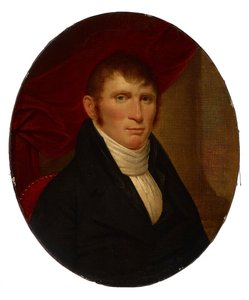
David Cox
1783 - 1859 , Egyesült Királyföld
Gyors információk
- Artistic Movement Or Style: Angliai tájképfestészet
- Artists Or Movements Influenced By This Artist: ['Impressionizmus előfutára']
- Artists Who Influenced This Artist:
- Albert Fielder
- Charles Barber
- Date Of Birth: 29 Április 1783
- Date Of Death: 7 Junnius 1859
- Full Name: David Cox
- Nationality: Angol
- Notable Artworks:
- A Heath szélén
- Falu Herefordshire-ben
- A Severn és a Wye csomópontja Chepstowban
- Place Of Birth: Birmingham, Anglia
Kapcsolódó cikkek

Evoking Nature's Sublime: A Comprehensive Exploration of 19th-Century Landscape Painting
Explore the captivating world of 19th-century landscape painting! Discover renowned artists like Friedrich & Monet, key movements, and find the perfect artwork to bring nature's serenity into your home. Expert insights at OriginalUniqueArt.

David Cox the Elder: Landscape, Light & the Romantic Vision of Rural England
Explore the captivating landscapes of David Cox the Elder, a pivotal figure in British Romanticism. Discover his masterful watercolour techniques, enduring legacy & find timeless art for your home at OriginalUniqueArt.

A 10 legikonikus impresszionista tájkép: Művészeti remekművek otthonába – OriginalUniqueArt.com
Fedezze fel a 10 legikonikus impresszionista tájkép festményt! Monet, Renoir és más mesterek alkotásainak története. Olajfestmények, vászonképek otthonába – OriginalUniqueArt.com kínálatából. Explore the full collection online!

A Romantikus Tájképfestészet 10 Legikonikusabb Műalkotása – OriginalUniqueArt.com
Fedezze fel a romantikus tájképfestészet 10 legikonikusabb műalkotását! Caspar David Friedrich, J.M.W. Turner és más mesterek festményeinek története – inspiráló olajfestmények otthonába. OriginalUniqueArt.com: múzeumi minőségű reprodukciók és egyedi dekorációk online.

A 10 legikonikus impresszionista tájkép: művészeti remekművek otthonába | OriginalUniqueArt.com
Fedezze fel a 10 legikonikus impresszionista tájkép festményt! Monet, Renoir, Degas és más művészek remekművei. Vászonképek, faliképek otthonába – inspirálódjon OriginalUniqueArt.com-on! Explore the full collection online.