

 Megtekintés
 Küldés
 Megosztás
 Részletek
 Útmutató

 Letöltés
 Hasonló darabok
 X-ray felvétel
 Diavetítés
 Statisztika
Self-Portrait


 Összes részlet megjelenítése
Az ezen az oldalon megjelenített műalkotások szerzői jogi védelem alatt állnak, ami azt jelenti, hogy törvényileg nem készíthetünk és nem adhatunk el belőlük pontos másolatokat. Ez a védelem olyan nemzetközi megállapodások alapján érvényesül, mint például a Berni Egyezmény és a nemzeti jogszabályok által, beleértve azokat is, amelyeket meghatározott Az USA szerzői jogi törvénye – 17. cím.
Mint tiszteletes és törvényes alternatívát, olyan egyedi, kézzel festett alkotásokat kínálunk, amelyek az eredetiből merítnek inspirációt. Tapasztalt és professzionális művészeink alaposan tanulmányozzák az eredeti stílusát, hangulatát és művészeti esszenciáját, hogy egy olyan új, egyedi alkotást hozzunk létre, amely ugyanazt az érzést kelti – miközben önálló, eredeti alkotásként létezik.
Ez a módszer teljes mértékben megfelel a szerzői jogi szabályozásnak, mivel nem tartalmazza a védett műalkotás másolását vagy duplikálását. Ehelyett ez egy kreatív újinterpretáció – egy új festmény, amely az eredetivel való összefüggései miatt hatással van rá, de nem az az.
Kézzel készített olajfestmény reprodukció
Kézzel festett olajvastú vászon, az Ön által választott méretben és keretben, művészeink készítik meglévőre. ( Váltás nyomtatványra Áttérés digitális képre)




P118B Ft10

P118H Ft10

P118W Ft10

P438Z Ft10

P508JH Ft12

P508YH Ft12

P805H Ft10

P805Z Ft10

P919BZ Ft10

P919G Ft10

P919XJ Ft10

P959ZH Ft10

P968JZ Ft12

W106C Ft8

W218G Ft10

W218JH Ft8

W218Y Ft10

W307PJ Ft10

W316G Ft10

W316PJ Ft8

W316Y Ft10

W398PJ Ft8

W4111J Ft10

W500HY Ft15

W500JH Ft15

W692G Ft12

W849H Ft8

W940BG Ft15

W953PJ Ft8




Válasszon előre meghatározott méreteink közül, amelyek megfelelnek a műalkotás eredeti arányainak.

Írja be a kívánt szélességet és magasságot, hogy illeszkedjen a keretéhez vagy a falához. Mivel ez kézzel festett alkotás, egy eltérő formájú méret esetén a művész akár festhet is valamivel többet a kép körül, vagy korolathat is belőle — az Ön döntésének megfelelően. A festés megkezdése előtt küldünk egy digitális tervezetet jóváhagyásra. Az oldalon látható kép nem tartalmazza a végeredményt — csak a tervezet mutatja meg a valódi eredményt.
A rendelést követően a OriginalUniqueArt.com csapata e-mailt küld az ügyfélnek az instrukciókért, és biztosít egy előnézeti képet (mockup).
Világszerte elérhető szállítás () 3-4 hét alatt a szokásos 5 hét helyett. (25 október). A minőség nem kérdőjelezhető.

Ingyenes globális expressz szállítás

Prémium minőségű len vászon

Teljes körű szállítási biztosítás

Vámvisszatérítési Garancia

Hiteles színarányosság garancia

100 napos visszaküldési lehetőség (csak hibás termékek esetén)

100% pénzvisszatérítési garancia

Több darab vásárlásakor kedvezmény
 Az üvegkeretes opció csak 110 cm alatti méretben érhető el

Self-Portrait
Reprodukciós technika
Reprodukció mérete
-


Összesített ár
Ft 96158
Understanding Muralism
Muralism, as seen in the works of Roberto Montenegro, aimed to promote national identity and social change through large-scale murals painted on public buildings. This movement was heavily influenced by the Mexican Revolution (1910-1920) and sought to break away from traditional artistic conventions. For more information on Muralism, visit The Muralism Art Movement page on OriginalUniqueArt.The Artist's Style
David Alfaro Siqueiros was a leading figure in the Muralism movement, and his Self-Portrait is a testament to his innovative style. The painting features a man with his hand raised in the air, possibly holding something or making a gesture, surrounded by several other people engaged in various activities. This composition suggests a sense of movement and activity, as if capturing a moment in time where people are interacting or participating in different activities.- The use of bold colors and geometric shapes is characteristic of Siqueiros' style, which was influenced by Surrealism and Post-Impressionism.
- His artwork often featured everyday people and scenes, making his paintings relatable and accessible to a wide audience.
- For more information on similar artists, visit the Salvador Dali page on OriginalUniqueArt, which features his famous Self Portrait and other notable works.
The Self-Portrait by David Alfaro Siqueiros is a significant work of art that showcases the artist's unique style and contribution to the Muralism movement. By exploring this painting and others like it, we can gain a deeper understanding of the artistic and historical context in which they were created. For more information on David Alfaro Siqueiros and his artwork, visit the OriginalUniqueArt page.
Kérdések és válaszok
David Alfaro Siqueiros pályájának mely időszakához tartozik a „Self-Portrait”?
A "Self-Portrait" David Alfaro Siqueiros pályájának a Mature Period szakaszába tartozik. Ez a besorolás összekapcsolja a művet a művész fejlődésével.
Milyen technikával készült és mikor született meg „Self-Portrait”, David Alfaro Siqueiros alkotása?
A "Self-Portrait" alkotása 1945-ben készült, Oil On Canvas technikával.
Milyen témát és hangulatot ötvöz a „Self-Portrait”, David Alfaro Siqueiros alkotása?
A "Self-Portrait" című alkotás man, red shirt, people, raised hand, figures témákat ábrázol, hangulata pedig Bold.
A művész életrajza
David Alfaro Siqueiros (1896–1974) – A Life Forged in Revolution
David Alfaro Siqueiros, born José de Jesús Alfaro Siqueiros in 1896 – though later research pinpointed his birthplace as Chihuahua City rather than Camargo – was more than just a painter; he was a force of nature, an embodiment of the tumultuous spirit of post-revolutionary Mexico. His life wasn’t confined to the studio but exploded onto the public stage, interwoven with political struggle and a relentless pursuit of art as a tool for social transformation. Early experiences shaped his trajectory: orphaned young, raised by his grandparents in Irapuato, Guanajuato, he was exposed to anarcho-syndicalist ideas that would deeply influence his worldview. This nascent political awareness blossomed during his student days at the Academy of San Carlos, where a protest against rigid teaching methods led to the establishment of an “open-air academy” – a defiant act marking the beginning of his artistic journey and foreshadowing a lifetime of challenging convention. The Mexican Revolution itself was the crucible in which Siqueiros’s artistic and political convictions were forged. He didn't merely observe the upheaval; he actively participated, joining the constitutional army and witnessing firsthand the hardships endured by working people and rural communities – experiences that would forever inform his art.European Immersion and the Birth of a Muralist
The years between 1919 and 1923 proved pivotal as Siqueiros embarked on an extended sojourn to Europe. This period wasn’t simply about honing technical skills; it was an immersion in the avant-garde currents reshaping the art world. He absorbed the lessons of Cubism, particularly the innovative use of color and form pioneered by Paul Cézanne, while also forging connections with fellow Mexican artist Diego Rivera. A crucial element of his European education involved studying Renaissance fresco techniques in Italy – a skill that would become central to his monumental mural projects. However, it was the deepening of his political ideology through exposure to Marxism that truly solidified his artistic direction. He began to envision art not as an aesthetic pursuit but as a powerful instrument for revolution, a means of depicting the realities of American life and galvanizing social change. This conviction culminated in the 1921 manifesto “Vida Americana,” which articulated his vision with unwavering clarity. Siqueiros wasn’t content with replicating existing techniques; he was driven to experiment, constantly seeking new materials and methods – including spray guns and industrial paints – to create large-scale murals that were both visually arresting and politically charged. He believed passionately in the transformative potential of art—that it could inspire action and reshape perceptions of society.Major Works: Echoes of Revolution
Siqueiros’s artistic output is characterized by a dynamic energy and an unflinching commitment to social realism. His murals aren't passive depictions; they are visceral experiences, brimming with movement and emotion, and a profound sense of urgency. “The New Democracy” (1940s), considered one of his most important works, exemplifies this approach. The composition is deliberately chaotic, reflecting the complexities and contradictions of modern society, while bold colors and dramatic lighting amplify the emotional impact. Similarly, “The Polished City” (1930s) delves into the alienation and dehumanization inherent in urban life, offering a critical commentary on industrial capitalism. Perhaps his most ambitious undertaking was “The March of Humanity” (1957–1971), a monumental work spanning over 40 meters. This epic mural traces the struggles and aspirations of humanity throughout history, from ancient civilizations to modern revolutions, serving as a powerful testament to the enduring spirit of resistance. He famously employed spray guns—a revolutionary technique at the time—to accelerate the painting process and achieve unprecedented levels of detail and vibrancy. His style is instantly recognizable: dynamic compositions, dramatic chiaroscuro, and an innovative incorporation of industrial techniques all contribute to his unique visual language.Influence and Legacy
David Alfaro Siqueiros’s impact extends far beyond the realm of painting. As one of the “big three” Mexican muralists – alongside Diego Rivera and José Clemente Orozco – he played an instrumental role in establishing Mexican muralism as a significant artistic movement, transforming public spaces into canvases for social commentary. His work is a prime example of social realism, using art to address pressing political and social issues and advocate for the marginalized. But his influence didn’t stop at the border. Siqueiros's techniques and themes profoundly inspired the Chicano art movement in the United States during the civil rights era, providing a visual language for expressing cultural identity and challenging systemic oppression. He left behind not just paintings but a legacy of activism, innovation, and an enduring belief in the potential for art to change the world—a conviction that fueled his lifelong dedication to social justice and artistic experimentation. His unwavering commitment to his political beliefs, even in the face of imprisonment and exile, cemented his place as one of Mexico’s most iconic artists and a champion of revolutionary ideals.
David Alfaro Siqueiros
1896 - 1974 , Mexikó
Rövid információk
- Artistic Movement Or Style: Social Realizmus és Múralizmus
- Artists Or Movements Influenced By This Artist: ['Chicano művészet']
- Artists Who Influenced This Artist:
- Paul Cézanne
- Diego Rivera
- Date Of Birth: December 29, 1896
- Date Of Death: January 6, 1974
- Full Name: David Alfaro Siqueiros
- Nationality: Mexikói
- Notable Artworks:
- A Új Demokrácia
- A Polirozott Város
- Az Ember Utazása
- Place Of Birth: Chihuahua, Mexico
Kapcsolódó cikkek

A dzsungel jelenetektől az aranylevél geometriáig: A mai legkeresettebb falfestési stílusok
Fedezze fel a legújabb falfestési trendeket! Szakértői útmutatókkal segítünk megtalálni a tökéletes faldekorációt otthonába vagy üzletébe. Prémium minőség, egyedi tervezés – inspirálódjon velünk!

Hogyan emelik a konyhák és fürdőszobák hangulatát a falfestmények – A funkcionális terek átalakítása művészettel
Emlékeztető: A konyha és fürdőszoba hangulatát falfestményekkel alakítsa át! Szakértői tanácsok, prémium minőségű kézzel festett műalkotások a -tól. Inspirációk és egyedi megoldások otthona számára.
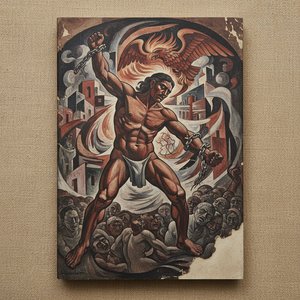
José Clemente Orozco: A Revolutionary Vision of Mexican Muralism & the Human Condition
Explore the powerful world of José Clemente Orozco, a key figure in Mexican Muralism. Discover his revolutionary art, social commentary, and lasting impact on 20th-century painting. Learn about his unique style & legacy.

Walls of Revolution: The Socio-Political Legacy and Grandeur of Mexican Muralism
Explore the profound history of Mexican Muralism. Discover how 'The Big Three' transformed public walls into powerful narratives of revolution, identity, and social realism through masterworks by Diego Rivera and José Clemente Orozco.
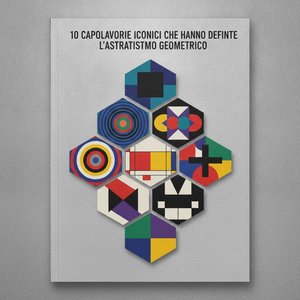
10 Iconic Masterpieces That Defined Geometric Abstraction
Journey through history with 10 iconic geometric abstraction masterpieces. From Mondrian to Malevich, explore the stories behind these timeless shapes and colors. Find museum-quality art reproductions and decor inspiration at OriginalUniqueArt.com. Discover all masterpieces online.


