

 Előnézet
 Megosztás
 Megosztás
 Részletek
 Útmutató

 Letöltés
 Hasonló darabok
 X-ray felvétel
 Diavetítés
 Statisztika
Mariana


 Tovább olvasom
Kézzel készített olajfestmény reprodukció
Kézzel festett olajvastú vászon, az Ön által választott méretben és keretben, művészeink készítik meglévőre. ( Váltás nyomtatványra Áttérés digitális képre)




P118B Ft10

P118H Ft10

P118W Ft10

P438Z Ft10

P508JH Ft12

P508YH Ft12

P805H Ft10

P805Z Ft10

P919BZ Ft10

P919G Ft10

P919XJ Ft10

P959ZH Ft10

P968JZ Ft12

W106C Ft8

W218G Ft10

W218JH Ft8

W218Y Ft10

W307PJ Ft10

W316G Ft10

W316PJ Ft8

W316Y Ft10

W398PJ Ft8

W4111J Ft10

W500HY Ft15

W500JH Ft15

W692G Ft12

W849H Ft8

W940BG Ft15

W953PJ Ft8




Válasszon előre meghatározott méreteink közül, amelyek megfelelnek a műalkotás eredeti arányainak.

Írja be a kívánt szélességet és magasságot, hogy illeszkedjen a keretéhez vagy a falához. Mivel ez kézzel festett alkotás, egy eltérő formájú méret esetén a művész akár festhet is valamivel többet a kép körül, vagy korolathat is belőle — az Ön döntésének megfelelően. A festés megkezdése előtt küldünk egy digitális tervezetet jóváhagyásra. Az oldalon látható kép nem tartalmazza a végeredményt — csak a tervezet mutatja meg a valódi eredményt.
A rendelést követően a OriginalUniqueArt.com csapata e-mailt küld az ügyfélnek az instrukciókért, és biztosít egy előnézeti képet (mockup).
Világszerte elérhető szállítás () 3-4 hét alatt a szokásos 5 hét helyett. (22 október). A minőség nem kérdőjelezhető.

Ingyenes globális expressz szállítás

Prémium minőségű len vászon

Teljes körű szállítási biztosítás

Vámvisszatérítési Garancia

Tökéletes színarányosság garancia

100 napos visszaküldési garancia (csak gyártási hibás termékek esetén)

100% pénzvisszatérítési garancia

Több darab vásárlásakor kedvezmény
 Az üvegkeretes opció csak 110 cm alatti méretben érhető el

Mariana
Reprodukciós technika
Reprodukció méretei
-


Összesített ár
Ft 95869
A Window into Victorian Melancholy
In the quiet, shadowed corners of the Victorian imagination, few images resonate with as much profound longing as Dante Gabriel Rossetti’s Mariana. This evocative masterpiece serves as a poignant window into a world defined by solitude and wistful anticipation. Inspired by the lyrical melancholia of Alfred Lord Tennyson's poem of the same name, the painting captures a moment suspended in time. The central figure, Mariana, sits in a state of heavy, passive waiting, her hands clasped in a gesture of quiet desperation as she awaits the return of a lost love. Beside her, a companion stands gazing into the unseen distance, perhaps embodying a flickering hope or a haunting memory that refuses to fade. Through this intimate arrangement of figures, Rossetti invites the viewer to step into a narrative of abandonment and the heavy stillness of an existence caught in the grip of unfulfilled desire.
The painting is a quintessential triumph of the Pre-Raphaelite Brotherhood, a movement that sought to rebel against the sterile academicism of the mid-19th century. Rossetti, a founding pillar of this artistic revolution, rejected conventional shortcuts in favor of an intense, almost hyper-real devotion to detail and color. In Mariana, every texture is rendered with painstaking accuracy, from the heavy, luxurious folds of the women's garments to the rich, dark grain of the wooden paneling that encloses them. The artist employs a vibrant, jewel-toned palette—deep reds and lush greens—that creates a visually arresting composition. This use of light and saturated hue does more than merely decorate the canvas; it breathes life into the emotional atmosphere, drawing the observer into the very heart of Mariana's internal struggle.
Symbolism and the Weight of History
Beyond its surface beauty, Mariana is a deeply symbolic work that reflects the societal anxieties of the Victorian era. The enclosed setting, visible through a window that looks out upon a secluded garden, serves as a powerful metaphor for Mariana's emotional confinement and social isolation. In an age where gender roles were strictly defined, the plight of the woman left behind—trapped in a domestic sphere while her heart wanders elsewhere—was a narrative that resonated deeply with the contemporary public. The objects within the room, such as the sturdy chair and the silent table, are not merely props; they become symbolic representations of her static, unchanging existence, mirroring the stagnation of her spirit.
For the discerning collector or interior designer, this piece offers more than just aesthetic splendor; it provides a profound emotional anchor for any space. The painting’s ability to evoke feelings of nostalgia, regret, and a haunting beauty makes it an extraordinary choice for those looking to infuse a room with character and depth. Whether placed in a study filled with literature or a grand salon designed for contemplation, a high-quality reproduction of Mariana acts as a portal to the past, bringing the soulful intensity of the Pre-Raphaelite movement into the modern home. It is an investment in art that does not merely decorate a wall but tells a story of the enduring human condition.
Gyakran Ismételt Kérdések
Miről szól a "Mariana", és milyen hangulatot áraszt?
A „Mariana”, Dante Gabriel Rossetti alkotása a victorian portraiture, female figures art, romantic painting style, pre-raphaelite beauty, interior scene art, elegant composition, symbolic imagery elemeit ötvözi egy Dramatic hangulatú környezettel.
Miért van az, hogy a "Mariana" szerzői jogi állapota ilyen?
A "Mariana" szerzői jogi státusza - a joghallgatói schützenesség körébe tartozik – a szerzői jog lejártt - a művész 1882 évi halálából következik.
Hol találhatok olyan műalkotásokat, amelyek hasonlóak a(z) „Mariana”, Dante Gabriel Rossetti alkotása alkotáshoz?
A „Mariana”, Dante Gabriel Rossetti alkotása Hasonló műalkotások oldala kapcsolódó műalkotásokat mutat be.
A művész életrajza
A Life Immersed in Beauty: The World of Dante Gabriel Rossetti
Dante Gabriel Rossetti, born Gabriel Charles Dante Rossetti in 1828 London, was a figure profoundly shaped by the currents of his time—a Romantic spirit blossoming into the Victorian era. His lineage itself hinted at the artistic destiny that awaited him; his father, an Italian political refugee and scholar of Dante Alighieri, instilled within young Gabriel a deep reverence for literature and the arts. This early exposure, coupled with a mother who nurtured his intellectual curiosity, laid the foundation for a life dedicated to creative expression. Though initially considering a clerical career, Rossetti’s true calling lay in the realm of aesthetics—a path he would forge as a poet, illustrator, and, most notably, a painter whose works continue to captivate audiences today. His formative years were steeped in the literary giants of his age – Shakespeare, Dickens, Scott, Byron – all contributing to a rich imaginative landscape that would later define his artistic vision.The Pre-Raphaelite Rebellion and Artistic Awakening
Rossetti’s name is inextricably linked with the Pre-Raphaelite Brotherhood, a revolutionary movement he co-founded in 1848 alongside William Holman Hunt and John Everett Millais. This wasn't merely an artistic shift; it was a rebellion against the perceived artificiality of academic painting prevalent at the time. The Brotherhood sought to return to the detailed realism, vibrant colors, and spiritual intensity found in Italian and Flemish art *before* the High Renaissance – hence “Pre-Raphaelite.” This meant rejecting the idealized forms and conventional compositions favored by the Royal Academy, instead embracing a meticulous observation of nature and a commitment to truthful representation. Rossetti’s early works, such as *The Girlhood of Mary Virgin*, exemplify this dedication, showcasing an almost photographic level of detail alongside symbolic imagery drawn from religious texts. However, Rossetti's contribution extended beyond technical skill; he brought a distinctly literary sensibility to the group, often choosing subjects inspired by poetry and mythology. The Brotherhood’s manifesto wasn’t just about *how* to paint, but *what* to paint – focusing on themes of morality, spirituality, and beauty with an intensity that challenged Victorian sensibilities. The movement aimed to capture not just appearances, but also the underlying emotions and spiritual truths within each subject.Evolving Styles: Symbolism, Sensuality, and the Female Muse
As Rossetti’s career progressed, his artistic style underwent a fascinating evolution. While initially adhering to the strict tenets of Pre-Raphaelite realism, he gradually moved towards more symbolic and dreamlike imagery. His paintings became increasingly infused with sensuality, exploring themes of love, loss, and spiritual longing with an emotional depth that resonated deeply with audiences. This shift was partly influenced by his personal life, particularly his complex relationships with the women who served as his models and muses – Elizabeth Siddal, Fanny Cornforth, and Jane Morris. These women weren’t merely passive subjects; they embodied a particular aesthetic ideal for Rossetti—often depicted with flowing red hair, melancholic expressions, and an air of enigmatic beauty. Paintings like *Proserpine* are prime examples of this later style, showcasing his mastery of symbolism and his ability to evoke a sense of otherworldly allure. The rich colors, dramatic lighting, and evocative poses all contribute to the painting’s haunting atmosphere. He also began to seamlessly blend poetry and visual art, often writing sonnets to accompany his paintings, creating a unified artistic experience that engaged both the eye and the mind. *Behold the handmaid of the Lord! (The Annunciation)* is a testament to this integrated approach.Influences and Artistic Connections
Rossetti’s artistic development was profoundly shaped by a diverse range of influences. His father's deep connection to Dante Alighieri provided a constant source of inspiration, particularly in terms of themes of love, loss, and the afterlife. The poetry of John Keats and William Blake also played a significant role, imbuing his work with a sense of Romanticism and emotional intensity. He was deeply influenced by the Pre-Raphaelites’ fascination with medieval art and literature, drawing inspiration from works such as Dante's *Divine Comedy* and the legends of King Arthur. Furthermore, Rossetti maintained close relationships with other prominent artists and writers of his time, including William Morris and Edward Burne-Jones, who shared his aesthetic sensibilities and contributed to the vibrant artistic community of London. These connections fostered a dynamic exchange of ideas and influenced the development of his own unique style.Legacy and Lasting Influence
Dante Gabriel Rossetti’s impact on the art world extends far beyond his own lifetime. He was profoundly influenced by the poetry of John Keats and William Blake, as well as the Italian Renaissance masters, but he, in turn, became a major influence on subsequent generations of artists and writers. His work played a crucial role in the development of both the Aesthetic Movement and Symbolism, movements that emphasized beauty, emotion, and subjective experience above all else. Artists like William Morris and Edward Burne-Jones were deeply inspired by his aesthetic principles, incorporating them into their own distinctive styles. His emphasis on symbolism and emotional intensity also paved the way for later artistic explorations of the subconscious mind. Even today, his paintings continue to inspire artists and art lovers alike, cementing his place as one of the most important figures in 19th-century British art. He challenged conventional norms, embraced beauty in all its forms, and left behind a legacy that continues to resonate with those who seek meaning and emotion in art.A Revolutionary Spirit: Rossetti’s Historical Significance
Rossetti was more than just an artist; he was a cultural provocateur who dared to challenge the prevailing artistic conventions of his time. His emphasis on symbolism, emotion, and individual vision resonated with a generation seeking alternatives to Victorian realism. He helped pave the way for new forms of expression, encouraging artists to explore their inner worlds and embrace subjective experience. His work provides valuable insight into the cultural and intellectual currents of the 19th century—a period marked by rapid social change, scientific advancements, and a growing sense of spiritual uncertainty. Rossetti’s art reflects these anxieties and aspirations, offering a glimpse into the complex emotional landscape of his era. He remains an important figure in understanding not only the history of art but also the broader cultural context in which it was created. His enduring appeal lies in his ability to tap into universal themes of love, loss, beauty, and spirituality—themes that continue to resonate with audiences today.
Dante Gabriel Rossetti
1828 - 1882 , Egyesült Királyság
Gyors információk
- Artistic Movement Or Style: Prerafaeliták, Szimbolizmus
- Artists Or Movements Influenced By This Artist:
- Aestheticizmus
- Szimbolista
- Artists Who Influenced This Artist:
- John Keats
- William Blake
- Date Of Birth: 1828. május 12.
- Date Of Death: 1882. április 9.
- Full Name: Dante Gabriel Rossetti
- Nationality: Angol
- Notable Artworks:
- Proserpine
- Joan of Arc
- Királyi menyasszonyok
- Az otthon
- Place Of Birth: London, Anglia
Kapcsolódó cikkek

Pre-Raphaelite Romanticism: A Guide to Vivid Detail and Medieval Beauty in Victorian Art
Explore the vivid detail and medieval beauty of Pre-Raphaelite Romanticism. Discover the history of masters like Rossetti and Millais through our expert guide to Victorian art, perfect for collectors and professionals seeking authentic, museum-quality reproductions.

Dante Gabriel Rossetti 25 Mesterműve: Szépség és Lelkiség a Vásznon – OriginalUniqueArt
Fedezze fel Dante Gabriel Rossetti 25 legszebb művészeti alkotását! Ismerje meg a prerafaeliták titkait, a viktoriánus festészet szépségét és a romantikus szimbolizmus mélységeit. Prémium minőségű art reprodukciók a OriginalUniqueArt-on – inspiráció otthonába!

Sir John Everett Millais: Pre-Raphaelite Rebellion & Victorian Narrative Detail
Explore the revolutionary art of Sir John Everett Millais & the Pre-Raphaelite Brotherhood. Discover their radical realism, symbolic narratives, and lasting impact on Victorian aesthetics. A deep dive into 19th-century masterpieces.

Pre-Raphaelite Romanticism: The Revival of Medieval Beauty and Nature in Victorian Art
Explore the profound beauty of Pre-Raphaelite Romanticism. Discover how visionaries like Rossetti and Millais revived medievalism and nature through meticulous detail and vibrant color in Victorian art history.
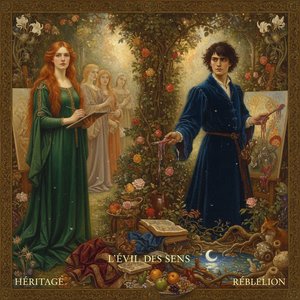
The Pre-Raphaelite Brotherhood: Reclaiming Beauty, Nature, and Truth in Victorian Art History
Explore the revolutionary Pre-Raphaelite Brotherhood. Discover how these visionary artists rejected academic tradition to reclaim beauty, nature, and truth through luminous detail and literary depth in Victorian art history.


