() ·

Egy Önnek készült, kézzel festett alkotás

Suit

Kézzel készített olajfestmény reprodukció

Kézzel festett olajvastú vászon, az Ön által választott méretben és keretben, művészeink készítik meglévőre. ( Váltás nyomtatványra Áttérés digitális képre)

A gyűjtemény leírása

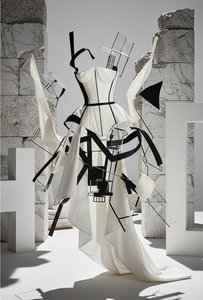
Experience Cristóbal Balenciaga’s iconic 'Suit' (1966). A masterpiece of tailored elegance & structural precision. Discover this timeless piece from the Eizaguirre collection.

A művész életrajza

Balenciaga: A legend of haute couture! Elegáns, szokatlan formák, avantgárd hatás. Fedezd fel a művész mesterségét és ikonikus ruhadezőinek világát!

előbb ·

1. fejezet

Mekkora méretű legyen?

Húzza a csúszkát a méret megváltoztatásához; a bal oldali kép a keret valós szélességét mutatja. Az eredeti arányok megmaradnak.

Standard méret
egyedi méretű
CM
INCH

Válasszon előre meghatározott méreteink közül, amelyek megfelelnek a műalkotás eredeti arányainak.

szélesség
magasság

Írja be a kívánt szélességet és magasságot, hogy illeszkedjen a keretéhez vagy a falához. Mivel ez kézzel festett alkotás, egy eltérő formájú méret esetén a művész akár festhet is valamivel többet a kép körül, vagy korolathat is belőle — az Ön döntésének megfelelően. A festés megkezdése előtt küldünk egy digitális tervezetet jóváhagyásra. Az oldalon látható kép nem tartalmazza a végeredményt — csak a tervezet mutatja meg a valódi eredményt.

2. fejezet

Hogyan érkezzen meg?

Válaszd ki a feszített vászon széleit

Válassza ki a keretet

Corner sample of the WhiteWrap canvas edge finish, stretched on tömörfa bars
Fehér Ft1
Corner sample of the BlurSideWrap canvas edge finish, stretched on tömörfa bars
Elmosódott szélek Ft1
Corner sample of the ExtendedWrap canvas edge finish, stretched on tömörfa bars
Kiterjesztett Ft1
Corner sample of the P118B picture frame: formázott polisztirol, 5 cm wide and 3 cm thick
P118B Ft10
Corner sample of the P118H picture frame: formázott polisztirol, 5 cm wide and 3 cm thick
P118H Ft10
Corner sample of the P118W picture frame: formázott polisztirol, 5 cm wide and 3 cm thick
P118W Ft10
Corner sample of the P438Z picture frame: formázott polisztirol, 5.5 cm wide and 3.5 cm thick
P438Z Ft10
Corner sample of the P508JH picture frame: formázott polisztirol, 7 cm wide and 3.5 cm thick
P508JH Ft12
Corner sample of the P508YH picture frame: formázott polisztirol, 7 cm wide and 3.5 cm thick
P508YH Ft12
Corner sample of the P805H picture frame: formázott polisztirol, 5 cm wide and 3.5 cm thick
P805H Ft10
Corner sample of the P805Z picture frame: formázott polisztirol, 5 cm wide and 3.5 cm thick
P805Z Ft10
Corner sample of the P919BZ picture frame: formázott polisztirol, 7 cm wide and 3.5 cm thick
P919BZ Ft10
Corner sample of the P919G picture frame: formázott polisztirol, 7 cm wide and 3.5 cm thick
P919G Ft10
Corner sample of the P919XJ picture frame: formázott polisztirol, 7 cm wide and 3.5 cm thick
P919XJ Ft10
Corner sample of the P959ZH picture frame: formázott polisztirol, 5 cm wide and 3 cm thick
P959ZH Ft10
Corner sample of the P968JZ picture frame: formázott polisztirol, 6 cm wide and 4 cm thick
P968JZ Ft12
Corner sample of the W106C picture frame: tömörfa, 5 cm wide and 3 cm thick
W106C Ft8
Corner sample of the W218G picture frame: tömörfa, 5 cm wide and 3 cm thick
W218G Ft10
Corner sample of the W218JH picture frame: tömörfa, 5 cm wide and 3 cm thick
W218JH Ft8
Corner sample of the W218Y picture frame: tömörfa, 5 cm wide and 3 cm thick
W218Y Ft10
Corner sample of the W307PJ picture frame: tömörfa, 6 cm wide and 3 cm thick
W307PJ Ft10
Corner sample of the W316G picture frame: tömörfa, 6 cm wide and 3 cm thick
W316G Ft10
Corner sample of the W316PJ picture frame: tömörfa, 6 cm wide and 3 cm thick
W316PJ Ft8
Corner sample of the W316Y picture frame: tömörfa, 6 cm wide and 3 cm thick
W316Y Ft10
Corner sample of the W398PJ picture frame: tömörfa, 5 cm wide and 3 cm thick
W398PJ Ft8
Corner sample of the W4111J picture frame: tömörfa, 6.5 cm wide and 3.5 cm thick
W4111J Ft10
Corner sample of the W500HY picture frame: tömörfa, 7 cm wide and 5 cm thick
W500HY Ft15
Corner sample of the W500JH picture frame: tömörfa, 7 cm wide and 5 cm thick
W500JH Ft15
Corner sample of the W692G picture frame: tömörfa, 8 cm wide and 4 cm thick
W692G Ft12
Corner sample of the W849H picture frame: tömörfa, 5 cm wide and 3 cm thick
W849H Ft8
Corner sample of the W940BG picture frame: tömörfa, 7.5 cm wide and 4.5 cm thick
W940BG Ft15
Corner sample of the W953PJ picture frame: tömörfa, 6 cm wide and 3.5 cm thick
W953PJ Ft8
Corner sample of the H24-GOLD picture frame: faragott fa gesszóval, 10 cm wide and 6 cm thick
H24-GOLD Ft30
Corner sample of the H24-SILVER picture frame: faragott fa gesszóval, 10 cm wide and 6 cm thick
H24-SILVER Ft30
Corner sample of the H36-GOLD picture frame: faragott fa gesszóval, 15 cm wide and 6.5 cm thick
H36-GOLD Ft45
Corner sample of the H36-SILVER picture frame: faragott fa gesszóval, 15 cm wide and 6.5 cm thick
H36-SILVER Ft45

Keretprofil: . A kerettel együtt vett teljes méret: .

3. fejezet

Ki festi, és változtatni kellene-e bármit?

Példák a módosíthatóságra: Az arc kicserélése a vásárló fotójára; háziállat hozzáadása (pl. macska kicserélése kutyára); rejtett üzenet elhelyezése a háttérben; a háttér tájéképének vagy elemeinek megváltoztatása.
A megrendelést követően a OriginalUniqueArt.com csapat e-mailt küld a vásárlónak az instrukciókkal, és biztosítja a tervezeti előnézetet

Világszerte elérhető szállítás () 3-4 hét alatt a szokásos 5 hét helyett. (4 november). A minőség nem kérdőjelezhető.

4. fejezet

Az utolsó finomhangolás

Egy felirat, mint egy múzeumban?

A gravírozott bronztábla részletei

This elegant plaque features the artist's name and the title of the artwork, finely engraved for a timeless presentation.

It is made from bronze with a refined, elegant finish. The text is precisely laser-engraved for a sharp and permanent result. Measuring 9x2 cm, the plaque is compact yet easy to read. It's built to be durable and scratch-resistant, offering a professional, museum-quality look. Mounting is simple thanks to the included adhesive backing.

Átlátszó akril tábla részletei

The plaque includes essential engraved details such as the artist's name, the title of the artwork, the date it was created, the type of media used-like oil on canvas or watercolor-a brief description of the piece, and a QR code that links to the complete artwork information.

It is crafted from clear acrylic, offering a sleek, modern appearance. The text is UV-engraved in black to ensure strong visual contrast. With a size of 10x15 cm, it ensures optimal readability. It comes equipped with two metal hooks for secure wall mounting. The plaque is designed to be weather-resistant, making it suitable for various environments, and it includes interactive features that work seamlessly with smartphone scanning.

Fekete akril tábla részletei

This elegant plaque includes engraved information such as the artist's name, the title of the artwork, the date it was created, the type of media used (like oil on canvas or watercolor), a short description of the artwork, and a QR code for quick access to more information.

The plaque itself is made from refined black acrylic with a premium finish. The text is laser-engraved in white for high contrast and readability. Its size is 10x15 cm, designed to be easy to read. It comes with two metal hooks for professional mounting. The design is sleek and fits any interior style. It is also weather-resistant and durable, with built-in digital integration for mobile compatibility.

Egy védőréteg?

Mikor lenne szüksége rá?

5. fejezet

Az Ön által megrendelt festmény

Suit

Reprodukciós technika

Reprodukció mérete

-

Kiváló mesterművész

Nagyobb részletesség, finomság és bővített gyártási idő

-

Reprodukció keretezése

-

-

A bármely oldalsó méretét túlszálaló 105 cm (kb. 41 hüvelyk) meghaladó műalkotások vagy reprodukciók esetében a keret összeszerelhető készletként, szétszerelve kerül szállításra. Ez a módszer biztosítja a biztonságos szállítást, és megakadályozza a szállítás során fellépő sérüléseket.

Szakmész összeszerelést igényel – ez nem DIY (önösszeszerelhető) termék.
A készletet egy tapasztalt keretező szakembernek kell összeszerelnie és a vásznat feszítenie kell, fa ragasztó (nem tartalmazza a csomag), vásznfeszítő fogó és szorítók használatával, amelyek a ragasztó száradásáig a keretrészeket egymáshoz vuôngjba tartják. A helytelen összeszerelés vagy a nem egyenletes vásznfeszítés maradandó károsíthatja a műalkotást, és ez nem része a garanciánknak.

  • A készlet tartalmazza az összes tömörfa rudat, pontosan méretre vágva.

  • A mellékelt csavarokkal, valamint a sarokszerekhez szükséges faütő ragasztóval kell összeszerelnie (ez nem tartalmazható a csomagban), így a keretrendezőnek külön kell beszereznie.

  • A csomag nem tartalmazza a szükséges professzionális eszközöket: egy vászonfeszítőt és klipseket a rácsok vízszintes tartásához a ragasztó megszáradásáig.

Fontos:
A sarokcsatlakozásokhoz fánylagra van szükség, a keretrudakat szorítókapcsokkal kell rögzíteni, amíg a rag teljesen meg nem szárad, a kész keretre feszített vászonhoz pedig vászonfeszítő fogat szükséges. Ezek egyike sem található meg a készletben. Kérjük, rendelés előtt győződjön meg róla, hogy rendelkezik tapasztalt keretező szakemberrel.

Névtábla

-

-

Védőréteg (Lakk)

Fényes lakk (intenzívabb színek, védelem a fény és a nedvesség hatása ellen)

-

Műalkotásom egyedi igényre szabása

Példák a módosíthatóságra: az arc kicserélése az ügyfél fotójára; háziállat hozzáadása (pl. macska helyett kutya); rejtett üzenet elhelyezése a háttérben; a háttér tájainak vagy elemeinek megváltoztatása.

-

Sürgős

Világszerte szóló szállítás () mindössze 3-4 hét alatt, a szokásos 5 hét helyett. (4 november). A minőség nem kérdőjelezhető.

-

Express szállítás

Világszerte elérhető szállítás területre 5 héten belül. (11 november).

A szállítás díja tartalmazza

Összesített ár

Ft 97410

Összesített ár Ft 97410

Az üvegkeretes opció csak 110 cm alatti méretben érhető el

Minden rendelés mellé tartalmazva

  • Ingyenes globális expressz szállítás
  • Prémium minőségű len vászon
  • Teljes körű szállítási biztosítás
  • Vámvisszatérítési Garancia
  • Hiteles színarányosság garancia
  • 100 napos visszaküldési lehetőség (csak hibás termékek esetén)
  • 100% pénzvisszatérítési garancia
  • Több darab vásárlásakor kedvezmény

The Architectonic Elegance of Cristóbal Balenciaga’s Suit

Cristóbal Balenciaga Eizaguirre (1895 – 1972), born in Getaria, Spain, wasn't merely a fashion designer; he was an innovator who fundamentally reshaped the landscape of haute couture. Revered as “the master of us all” by Christian Dior and “the only couturier in the truest sense of the word” by Coco Chanel, Balenciaga’s legacy extends far beyond mere garments—it embodies a profound understanding of form, proportion, and material manipulation that continues to inspire designers today. His approach was rooted in an unwavering commitment to sculptural precision, prioritizing structural integrity over ornamentation, resulting in silhouettes that defied convention and captivated audiences worldwide.
  • Early Life & Artistic Influences: Balenciaga’s formative years were marked by exposure to Basque folklore and the avant-garde art movements of his time—particularly Surrealism and Cubism. These influences instilled within him a fascination with geometric shapes, unconventional textures, and the exploration of subconscious imagery, concepts that would permeate his artistic vision throughout his career. Notably, his painting “Tree Roots,” executed in 1950, exemplifies this preoccupation with natural forms rendered through an abstract lens—a testament to Balenciaga’s ability to distill complex ideas into striking visual representations.
  • A Singular Style: Balenciaga's distinctive style was characterized by its uncompromising elegance and meticulous attention to detail. He rejected excessive embellishments, favoring instead clean lines and understated drapery that accentuated the body’s natural contours. This minimalist aesthetic wasn’t simply a stylistic choice; it reflected Balenciaga’s belief in conveying emotion through form—creating garments that communicated intention and sophistication without resorting to superfluous decoration.
  • The Suit: A Statement of Form The suit, as conceived by Balenciaga, transcended its functional purpose to become an emblem of refined taste and architectural prowess. He meticulously studied the interplay between fabric and structure, utilizing techniques like pleating and draping to sculpt garments that possessed a palpable sense of movement and dynamism. Consider his 1962 masterpiece – “Suit in Black Silk & Nylon Cloque.” This design exemplifies Balenciaga’s mastery of material manipulation, transforming simple fabrics into sculptural forms that commanded attention.

Technique and Material Innovation

Balenciaga's genius lay not only in his conceptual vision but also in his technical execution. He championed innovative tailoring methods—particularly the “sack suit”—which prioritized ease of movement while maintaining a dramatic silhouette. His meticulous craftsmanship demanded an unparalleled understanding of fabric behavior, requiring him to experiment with textures like nylon cloque and silk crepe to achieve breathtaking results. The use of pleats – strategically placed to create expansive panels – was central to Balenciaga’s aesthetic, allowing him to sculpt garments that defied gravity and conveyed a sense of grandeur. This command of technique—creating decoration by the cuts—was an essential trademark of all his work.
  • The Sack Suit: A Revolutionary Silhouette Unlike traditional suits which emphasized rigidity and formality, Balenciaga’s sack suit embraced fluidity and comfort without sacrificing visual impact. It achieved this remarkable feat through a masterful manipulation of fabric folds—creating a voluminous drape that accentuated the torso's form while maintaining an assertive posture.
  • Material Exploration: Silk Cloque & Nylon Innovation Balenciaga consistently pushed the boundaries of textile technology, incorporating materials like nylon cloque – a revolutionary fabric at the time – into his designs. This material’s ability to cling to the body and create subtle folds contributed significantly to the sculptural quality of garments such as “Suit in Black Silk & Nylon Cloque,” demonstrating Balenciaga's commitment to exploring new possibilities within haute couture.

Historical Context and Legacy

Balenciaga emerged during a period of profound artistic upheaval—the mid-20th century witnessed the rise of Surrealism, Abstract Expressionism, and Pop Art—influences that profoundly shaped his aesthetic sensibilities. He stood apart from many of his contemporaries by rejecting trends toward excessive ornamentation and prioritizing geometric precision and sculptural form. His designs resonated with audiences who craved sophistication and intellectual stimulation, establishing him as a singular voice within the fashion world. Today, Balenciaga’s influence continues to endure—his architectural silhouettes inspire designers globally, cementing his place as one of the most influential figures in couture history.

Emotional Impact & Artistic Inspiration

Ultimately, Cristóbal Balenciaga's work transcends mere clothing; it communicates a profound sense of elegance, restraint, and intellectual curiosity. His suits embody a belief that beauty resides not in ostentation but in harmonious proportion—a timeless message that speaks to the enduring power of artistic vision. Collectors and interior designers alike find inspiration in Balenciaga’s uncompromising aesthetic—a testament to his ability to transform fabric into sculptural masterpieces that capture the essence of refined taste and architectural grandeur.

Kérdések és válaszok

Ki a "Suit" mögött álló művész?

A „Suit” műtémét Cristóbal Balenciaga alkotójának tulajdonítják.

Milyen érzelmet közvetít a High Fashion / Modernist korszakból származó "Suit" című alkotás?

A "Suit" a High Fashion / Modernist korszak Calm érzelmi hangulatát tükrözi.

Mely művészeti irány része a „Suit”, Cristóbal Balenciaga alkotása?

A „Suit”, Cristóbal Balenciaga alkotása a High Fashion / Modernist irányzat része. Ez az irányzat adja a mű stilisztikai kontextusát.

Több információ erről a festményről

Megtekintés AR előnézet Váltás nyomtatványra Áttérés digitális képre Küldés
Részletek Útmutató Kedvencekhez ad Letöltés Hasonló darabok X-ray felvétel Diavetítés Kérdések és válaszok Statisztika

Számokban kifejezve

  • 1966a festés éve
  • 29választható keretek
  • standard méretek, saját arányokkal
  • 5hetek a festésre és a kézbesítésre

Az eredeti műről

Cristóbal Balenciaga

Cristóbal Balenciaga

1895 - 1972, Spanyolország

Gyors információk Cristóbal Balenciaga művészről

  • Artistic Movement Or Style: Avant-garde / Surrealista
  • Artists Or Movements Influenced By This Artist: ['Hubert de Givenchy']
  • Artists Who Influenced This Artist:
    • Christian Dior
    • Coco Chanel
  • Date Of Birth: 1895. jan 21.
  • Date Of Death: 1972. már 23.
  • Full Name: Cristóbal Balenciaga Eizaguirre
  • Nationality: Spanyol
  • Notable Artworks:
    • Study 'Song of Songs IV'
    • Állapot gyökerei
    • Acrobata
  • Place Of Birth: Getaria, Spanyolország

A művész életrajza

Early Life and Artistic Beginnings

Cristóbal Balenciaga Eizaguirre, a name synonymous with revolutionary elegance in the world of haute couture, was born in 1895 in Getaria, a small fishing village nestled on the rugged coast of Spain’s Basque Country. This remote location, steeped in maritime tradition and surrounded by dramatic cliffs and crashing waves, would profoundly shape his artistic sensibility – a deep appreciation for structure, precision, and the inherent beauty of natural forms. His early life was marked by a close connection to his mother, a seamstress who instilled in him a profound respect for textiles and the meticulous craft of garment construction. Witnessing her dedication to detail and the artistry involved in transforming simple fabrics into wearable works of art ignited within him a lifelong passion for design. He began his apprenticeship at just twelve years old, learning the fundamentals of tailoring from a local master craftsman, absorbing techniques that would later become hallmarks of his distinctive style. This formative period laid the groundwork for his future mastery – an understanding of materials, construction, and the subtle power of form.

The Rise to Parisian Prominence

Following his apprenticeship, Balenciaga’s ambition led him to San Sebastián, where he honed his skills further, eventually opening his own couture house in 1917. His early successes were fueled by patronage from prominent Spanish figures, including the Marchioness of Casa Torres, a wealthy socialite who recognized and nurtured his talent. This connection provided invaluable experience and exposure, allowing him to refine his designs and establish a reputation for impeccable quality and innovative silhouettes. In 1937, seeking new challenges and opportunities, Balenciaga moved to Paris – the undisputed heart of the fashion world. Here, he quickly established himself as a force to be reckoned with, opening a prestigious atelier on Avenue George V. His Parisian career was marked by a relentless pursuit of perfection, a commitment to pushing the boundaries of design, and an unwavering belief in his own artistic vision. He collaborated with some of the most influential figures in fashion, including Coco Chanel and Christian Dior, each of whom recognized and admired his unparalleled skill and unique aesthetic.

A Revolutionary Approach to Design

Balenciaga’s designs were characterized by a remarkable departure from the prevailing trends of the mid-20th century. He rejected the overtly feminine silhouettes popularized by designers like Dior, instead favoring clean lines, geometric shapes, and an almost sculptural quality in his garments. His influence stemmed from a deep understanding of construction – he meticulously studied the way fabrics draped and moved on the human form, creating designs that were both elegant and remarkably comfortable. Key to his style was the introduction of the “barrel line” in 1947, a dramatic shift away from the traditional waistline, resulting in voluminous shapes that redefined women’s fashion. He also pioneered the "sack dress" in 1957 – a deceptively simple garment with no discernible waist – and the cocoon coat, demonstrating his ability to create garments that were both innovative and timeless. Balenciaga's work was deeply influenced by art movements such as Surrealism and Primitivism, evident in his experimental use of materials and forms.

Legacy and Enduring Influence

Cristóbal Balenciaga’s impact on the world of fashion is immeasurable. He wasn’t merely a couturier; he was an architect of elegance, a master craftsman who elevated garment construction to an art form. His designs continue to inspire contemporary designers, demonstrating that true innovation lies not in fleeting trends but in a profound understanding of form, structure, and the beauty of simplicity. The Museo Balenciaga in Getaria, his birthplace, serves as a testament to his enduring legacy, preserving and celebrating his remarkable creations. He remains an iconic figure – “The Master” as he was affectionately known by his peers – whose influence continues to shape the aesthetic landscape of fashion today. His work stands as a powerful reminder that true artistry lies in the meticulous execution of a clear vision.

Gyors információk

  • Medium: Fabric
  • Year: 1966
  • Location: Private Collection
  • Movement: Avant-garde
  • Notable elements or techniques: Grid pattern, Structural proportion

Művészeti kvíz

Minden kérdésre csak egy helyes válasz létezik.

Kérdés 1:
What is Cristóbal Balenciaga primarily known for?
Kérdés 2:
The description mentions Balenciaga's designs were influenced by what artistic movement?
Kérdés 3:
What is a key characteristic of Balenciaga's tailoring technique as described in the text?
Kérdés 4:
The photograph captures the essence of the suit by emphasizing:
Kérdés 5:
In what year was the suit created?