
 Megtekintés
 Küldés
 Megosztás
 Részletek
 Útmutató

 Letöltés
 Hasonló darabok
 X-ray felvétel
 Diavetítés
 Kérdések és válaszok
 Statisztika
Dulce et decorum est no. 1

- 150.0 x 90.0 cm


 Összes részlet megjelenítése
Az ezen az oldalon megjelenített műalkotások szerzői jogi védelem alatt állnak, ami azt jelenti, hogy törvényileg nem készíthetünk és nem adhatunk el belőlük pontos másolatokat. Ez a védelem olyan nemzetközi megállapodások alapján érvényesül, mint például a Berni Egyezmény és a nemzeti jogszabályok által, beleértve azokat is, amelyeket meghatározott Az USA szerzői jogi törvénye – 17. cím.
Ez a módszer teljes mértékben megfelel a szerzői jogi szabályozásnak, mivel nem tartalmazza a védett műalkotás másolását vagy duplikálását. Ehelyett ez egy kreatív újinterpretáció – egy új festmény, amely az eredetivel való összefüggései miatt hatással van rá, de nem az az.
Giclée / Műnyomat
Múzeumi minőségű giclée vagy vászonnyomat, gyors gyártással és rugalmas finomítási lehetőségekkel. ( Kézzel festett másolat rendelése Áttérés digitális képre)




P118B Ft10

P118H Ft10

P118W Ft10

P438Z Ft10

P508JH Ft12

P508YH Ft12

P805H Ft10

P805Z Ft10

P919BZ Ft10

P919G Ft10

P919XJ Ft10

P959ZH Ft10

P968JZ Ft12

W106C Ft8

W218G Ft10

W218JH Ft8

W218Y Ft10

W307PJ Ft10

W316G Ft10

W316PJ Ft8

W316Y Ft10

W398PJ Ft8

W4111J Ft10

W500HY Ft15

W500JH Ft15

W692G Ft12

W849H Ft8

W940BG Ft15

W953PJ Ft8




Válasszon előre meghatározott méreteink közül, amelyek megfelelnek a műalkotás eredeti arányainak.

Írja be a keretének vagy a falának megfelelő szélességet és magasságot. A nyomatot csak le lehet vágni, soha nem tehető nagyobbá, mint az eredeti kép, így egy eltérő alakú méretnél a kép egy része elveszik. Mielőtt bármit kinyatintanánk, küldünk egy digitális próbamodellt jóváhagyásra. Az oldalon látható kép nem tartalmazza a valós levágást — ezt csak a próbamodell mutatja meg.
Világszerte történő kiszállítás területére mindössze 2 hét alatt, a szokásos 4-5 hét helyett. (7 november)

Ingyenes globális expressz szállítás

Prémium minőségű len vászon

Teljes körű szállítási biztosítás

Vámvisszatérítési Garancia

Hiteles színarányosság garancia

100 napos visszaküldési lehetőség (csak hibás termékek esetén)

100% pénzvisszatérítési garancia

Több darab vásárlásakor kedvezmény
 Az üvegkeretes opció csak 110 cm alatti méretben érhető el

Dulce et decorum est no. 1
Giclée / Műnyomat
Reprodukció mérete
-


Összesített ár
Ft 26460
A Silent Echo of War: Craig R. Barrett’s “Dulce et Decorum Est No. 1”
Craig R. Barrett's "Dulce et Decorum Est No. 1" isn’t merely a depiction of a scene; it’s an immersion into the chilling aftermath of conflict, rendered with a stark and profoundly moving restraint. Born in San Francisco in 1939, Barrett’s unlikely journey from leading Intel Corporation to creating these evocative monochrome sketches reveals a deeply contemplative spirit, one shaped by both technological precision and a haunting awareness of human suffering. The artwork immediately commands attention through its deliberate simplicity – a limited palette of greys and reds against a textured canvas that suggests the grit and grime of a battlefield. It’s a visual distillation of Wilfred Owen's seminal poem, “Dulce et Decorum Est,” translating the horrors of World War I into a powerfully silent narrative.
The central image is arresting: two silhouetted figures, rendered in deep red, are caught mid-stride, their postures conveying both urgency and exhaustion. They’re not heroic warriors charging into battle; instead, they embody the weary remnants of soldiers, limping through a desolate landscape. The detail—the slumped shoulders, the downward gaze, the suggestion of bloodied boots—is remarkably poignant, avoiding explicit gore while powerfully communicating the physical and emotional toll of war. The background, subtly textured to resemble canvas or paper, hints at the fragility of life and the enduring nature of memory. It’s a deliberate choice, emphasizing that this isn't a celebration of victory but a somber reflection on loss.
The Weight of Latin: Context and Poetic Resonance
The title itself – “Dulce et Decorum Est” – is crucial to understanding the artwork’s intent. This phrase, taken from Horace’s *Odes*, translates to "It is sweet and fitting to die for one's country." Owen famously subverted this sentiment in his poem, exposing its deceptive comfort amidst the brutal realities of trench warfare. Barrett doesn’t shy away from this irony; he presents the phrase not as a rallying cry but as a haunting echo of a lie, a testament to the enduring power of poetry to challenge conventional narratives. The inclusion of the Latin text at the top serves as a constant reminder of the poem's central theme and invites viewers to contemplate the complex relationship between patriotism, sacrifice, and truth.
The choice of “No. 1” adds another layer of complexity. It suggests a series, hinting that Barrett is exploring variations on this core theme – perhaps different moments within the experience of war, or different interpretations of the poem’s message. It also subtly elevates the work beyond a simple depiction, transforming it into a meditation on memory, loss, and the enduring legacy of conflict.
Technique and Emotional Impact
Barrett's technique is characterized by its deliberate restraint and masterful control of monochrome. The limited palette amplifies the emotional impact, forcing the viewer to focus on form, texture, and gesture. The stark contrast between the red figures and the grey background creates a sense of isolation and vulnerability. There’s no dramatic lighting or elaborate detail; instead, Barrett relies on subtle shifts in tone and shading to convey mood and atmosphere. The rough texture of the canvas adds to the feeling of rawness and immediacy, as if the artwork has been directly imprinted with the experience of war.
Ultimately, “Dulce et Decorum Est No. 1” is a profoundly moving work that transcends its subject matter. It’s not simply a depiction of soldiers; it's an exploration of human resilience, grief, and the enduring power of memory. The artwork invites viewers to confront the uncomfortable truths of war and to contemplate the cost of conflict – a reminder that even in silence, the echoes of the past can resonate powerfully in the present.
Specifications & Considerations
- Title: Dulce et Decorum Est No. 1
- Description: A monochrome sketch depicting two silhouetted figures, representing weary soldiers, set against a textured canvas background.
- Size: 150 x 90 cm
- Date: Unknown (likely created in the 21st century)
- Artist: Craig R. Barrett
- Medium: Sketch on Canvas/Paper
This artwork would be particularly well-suited for spaces that demand thoughtful contemplation, such as libraries, museums, or private residences where a connection to history and human experience is valued. Its understated elegance and powerful emotional resonance make it a compelling addition to any collection.
Kérdések és válaszok
Megtekinthetném a(z) „Dulce et decorum est no. 1”, Craig R. Barrett alkotása röntgensugárzásos felvételét?
A „Dulce et decorum est no. 1”, Craig R. Barrett alkotása X-ray felvétel oldala egy interaktív nézegető, amely lehetővé teszi a mű alkotásának eleven optikai rétegei közötti görgetést, beleértve az röntgenszerű felvételt is.
Milyen méretben ajánlott a "Dulce et decorum est no. 1" nyomtatása?
A „Dulce et decorum est no. 1”, Craig R. Barrett alkotása alkotáshoz egy Medium méretű reprodukciót javasolunk. A méret az arányok megőrzésével módosítható.
Mely művész és mely stílus áll a "Dulce et decorum est no. 1" mögött?
A "Dulce et decorum est no. 1" mögött Craig R. Barrett és a Contemporary Realism irányzat áll.
A művész életrajza
A Silicon Valley-ból a komoly szomorúságú vázlatokig: Craig R. Barrett kettős élete
Craig R. Barrett története a lenyűgöző dualitásról szól, egy olyan narratíváról, amely a technológiai világ félelemmentes innovációját ötvözi művészetében ábrázolt mélyen emberi és gyakran megrendítő valóságokkal. San Franciscoban született 1939-ben, Barrett kezdeti pályáját szilárdan a tudomány alapjaira építette, anyagtudományi doktori címet szerzve a Stanford Universityről. Ez a szigorú akadémiai alapvetés, amely a precizitásra és a megfigyelésre helyezte hangsúlyt, később finoman, mégis mélyen meghatározta művészeti törekvéseit. Decennémeken át azonban az ipari óriásként ismert, 1998-ban lett az Intel Corporation vezérigazgatója, tisztségét 2005-ig viselte, majd 2009-ig szolgált az igazságügyi tanács elnökeként. Vezetése alatt az Intel navigált a dot-com korszak viharos vizein, és megszilárdította dominanciahelyét mint globális technológiavezető – egy örökség, amely a stratégiai vízióra és a kutatás-fejlesztés iránti rendíthetetlen elkötelezettségre épült. Mégis, ez a hatalmas erejű executive élet mögött ott rejtőzött egy fejlődő művészérzéki, amely csak arra várt, hogy megkapja a kellő teret teljes virágzásához.A háború visszhangjai: A hang megtalálása költészetben és monokrómon
Az Intelnél végzett pályafutása után Barrett egyre nagyobb odaერთetéssel fordult szenvedélye, a művészet felé. Nem a vibráló színek vagy az absztrakt formák mellett döntött; helyette a monokróm vázlatok nyers érzelmi erevében találta meg saját hangját. Ezek nem csupán jelenetek ábrázolásai, hanem viscerális válaszok az első világháborús költészet megható verseire, különösen Wilfred Owen munkásságára. A mély empátia a katonák iránt, akiknek tapasztalatait Owen olyan nyers őszinteséggel dokumentálta, áradt Barrett művészetéből. Ez a hatás közvetlen és tudatos; számos alkotása közvetlenül reagál vagy inspirációt merít konkrét versekből, feltárva az elvesztés, a bátorság és a konfliktusok pusztító emberi áradatának témáit. Ez nem távolságtartó történelmi megfigyelés, hanem a háború pszichológiai súlyának – az izolációnak, a félelemnek és a tartós traumának – az intim átélése. Barrett művészeti utazása tehát nem csupán képek létrehozásáról szól; a költészet érzelmi igazságának vizuális nyelvbe fordításáról.Árnyékban és vonalakban kovácsolt stílus
Barrett egyedi stílusa azonnal felismerhető tudatos aszétikus jellegéről. A dominánsan monokróm paletta – gyakran a szénpor, a tinta és a szürsa árnyalata – komoly karakteret kölcsönít ábrázolásainak, tükrözve az ábrázolt tájak és tapasztalatok sötétségét. De ebben a visszafogottságban hatalmas kifejező erő rejlik. Vonalaival nem csupán leírást végez; dinamikus és érzelmekkel teli, megörökítve a csatartér valóságát – a sárat, a hevenyt, a romló épületeket – és az egyéni lélekre ejtett pszichológiai terhet is. Technikájában van egyfajta nyersség, egy azonosság, amely sürgességet és gyászot közvetít. Nem fél felvállalni a háború borzalmait, de teszi azt olyan érzékenységgel, amely elkerüli a senzációvá váltást, helyette az emberi elemre összpontosít: a kitartásra, az áldozatra és a szellem állhatatlan erejére a képzelhetetlen nehézségekkel szemben. Meghatározó művei, mint a „Attack no. 1”, ezt a megközelítést testesítik meg, a harc kaotikus és brutális ábrázolásával, míg olyan alkotások, mint a „Banishment”, a mély magány és az eltorzottság érzéseit keltik. A „Hospital barge at Cérisy no. 1”, amely közvetlenül Owen verséből merít inspirációt, különösen megható, megörökítve a háborús kórházi lét csendes kétségbeesettségét és törékeny reményét.Örökség: Egy híd a világok között
Craig R. Barrett útja valami igazán egyedivé vált – egy sikeres üzleti vezető, aki mély jelentőséget és célt talált a művészeti kifejezésben. Műve erőteljes emlékeztető a háború emberi áradatára, vizuális értelmezést nyújtva az érzelmi tájakról, amelyeket Wilfred Owen gibi költők feltártak. Miközben az Intelnél elért eredményei jól dokumentáltak és széles körben elismertek, művészeti hozzájárulásai izgalmas új dimenziót nyitnak örökségéhez. Megmutatja, hogy a kreativitás nem korlátozódik meghatározott tudományágakra; váratlan helyeken virágozhat fel és változatos tapasztalatokból születhet. Barrett művészete nem csupán egy nyugdíjas hobbi, hanem a történelemre adott mélyen átérthető válasz, az empátia tartós erejének tanúsága és az emberi létezés megható vizsgálata. Monokróm vázlatai Owen szavainak erőteljes vizuális visszhangjaként állnak, biztosítva, hogy az első világháború leckéi – és tragédiái – továbbra is rezonáljanak a jövő generációival.Jelentős alkotások
- „Attack no. 1” – A harc kaotikus és brutális ábrázolása.
- „Banishment” – Az izoláció és az eltorzottság érzéseit keltő alkotás.
- „Red sky” – Egy kísérteties hangulat megörökítése.
- „The unreturning” – Refleksió az elvesztésről és az emlékezésről.
- „Hospital barge at Cérisy no. 1” – Egy megható jelenet a háborús egészségügyi ellátásról, inspirálva Owen verséből.
- „Everyman no. 1” – Expresszionista rajz, amely a kétségbeesést és az emberi létezés súlyát ábrázolja.

Craig R. Barrett
1939 - , Amerikai Egyesült Államok
Rövid információk
- Artistic Movement Or Style: Monokróm szkicek
- Artists Who Influenced This Artist: ['Wilfred Owen']
- Date Of Birth: 1939
- Full Name: Craig R. Barrett
- Nationality: Amerikai
- Notable Artworks:
- Attack no. 1
- Banishment
- Red sky
- The unreturning
- Hospital barge…
- Place Of Birth: San Francisco, USA
Kapcsolódó cikkek

The Visceral Self: Exploring Emotion & Identity in Expressionist Portraiture
Explore the powerful world of Expressionist portraiture with OriginalUniqueArt. Discover how artists captured raw emotion & identity through bold color and distortion. Expert insights for collectors.
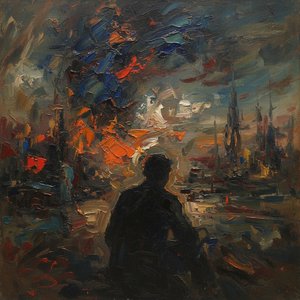
Henry Wolf: A Legacy of Abstract Expressionism & Emotional Resonance in Post-War Art
Explore the profound legacy of Henry Wolf, a pivotal figure in Abstract Expressionism and post-war visual culture. Discover his impact on graphic design, photography, and art collecting with OriginalUniqueArt.
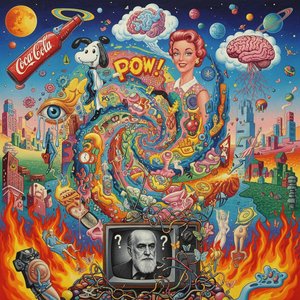
Pop Surrealism: A Collision of Culture, Dreams & the Subconscious in Post-War Art
Explore the captivating world of Pop Surrealism with OriginalUniqueArt. Discover key artists like George Condo & Robert Williams, investment potential, and the movement's cultural impact. Expert insights for collectors.

Echoes of Experience: Exploring Representations of Memory in Visual Art
Explore the captivating world of memory in art history! Discover how artists from Rossetti to Hockney evoke emotion & reclaim personal narratives through powerful visual storytelling. Expert insights at OriginalUniqueArt.

Monochrome Visions: Exploring the Aesthetic & Historical Significance of Black & White Photography
Explore the rich history & artistic power of black and white photography. From early techniques to iconic masters like Ansel Adams, discover why monochrome continues to captivate art lovers today. Expert insights for collectors.