Megtekintés
 Küldés
 Megosztás
 Részletek
 Útmutató

 Letöltés
 Hasonló darabok
 X-ray felvétel
 Diavetítés
 Statisztika
Az Élet eredete
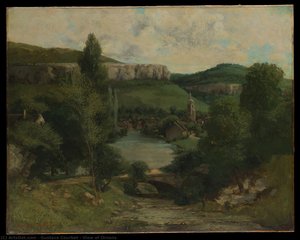
 Olajfestmény vászonon
- Falfeliratok és faldekoráció
- Contemporary Realism
 1866
1866- 19. század
 46.0 x 55.0 cm
 Musée d'Orsay
 Összes részlet megjelenítése
Kézzel készített olajfestmény reprodukció
Kézzel festett olajvastú vászon, az Ön által választott méretben és keretben, művészeink készítik meglévőre. ( Váltás nyomtatványra Áttérés digitális képre)




P118B Ft10

P118H Ft10

P118W Ft10

P438Z Ft10

P508JH Ft12

P508YH Ft12

P805H Ft10

P805Z Ft10

P919BZ Ft10

P919G Ft10

P919XJ Ft10

P959ZH Ft10

P968JZ Ft12

W106C Ft8

W218G Ft10

W218JH Ft8

W218Y Ft10

W307PJ Ft10

W316G Ft10

W316PJ Ft8

W316Y Ft10

W398PJ Ft8

W4111J Ft10

W500HY Ft15

W500JH Ft15

W692G Ft12

W849H Ft8

W940BG Ft15

W953PJ Ft8




Válasszon előre meghatározott méreteink közül, amelyek megfelelnek a műalkotás eredeti arányainak.

Írja be a kívánt szélességet és magasságot, hogy illeszkedjen a keretéhez vagy a falához. Mivel ez kézzel festett alkotás, egy eltérő formájú méret esetén a művész akár festhet is valamivel többet a kép körül, vagy korolathat is belőle — az Ön döntésének megfelelően. A festés megkezdése előtt küldünk egy digitális tervezetet jóváhagyásra. Az oldalon látható kép nem tartalmazza a végeredményt — csak a tervezet mutatja meg a valódi eredményt.
A rendelést követően a OriginalUniqueArt.com csapata e-mailt küld az ügyfélnek az instrukciókért, és biztosít egy előnézeti képet (mockup).
Világszerte elérhető szállítás () 3-4 hét alatt a szokásos 5 hét helyett. (26 október). A minőség nem kérdőjelezhető.

Ingyenes globális expressz szállítás

Prémium minőségű len vászon

Teljes körű szállítási biztosítás

Vámvisszatérítési Garancia

Hiteles színarányosság garancia

100 napos visszaküldési lehetőség (csak hibás termékek esetén)

100% pénzvisszatérítési garancia

Több darab vásárlásakor kedvezmény
 Az üvegkeretes opció csak 110 cm alatti méretben érhető el

Az Élet eredete
Reprodukciós technika
Reprodukció mérete
-


Összesített ár
Ft 96158
A női alak forradalmáradó ábrázolása
Gustave Courbet 1866-os mesterműve vitathatós módon a művészettörténet egyik legvitatottabb és legjelentősebb alkotása. A leperinti női törzs lenyűgözően közvetlen ábrázolása megkérdőjelezi a hagyományos művészi reprezentációkat, elutasítva az ideális szépségszínvonalakat a nyers, őszinte realizmus javára. Ez nem csupán egy festmény, hanem egy államiság – a naturalizmus merész kijelentése, amely még ma is képes diskurzusokat indítani.
Realizmus és művészi lázadás
A realista mozgalom csúcsán született alkotás Courbet elkötelezettségét testesíti meg: az élet olyan ábrázolását törekedte, ahogy azt saját szemével látta, minden romantizálástól és mitológiai díszítéstől mentesen. Korának akadémikus hagyományait kijátszva Courbet a hús-vér valóságra összpontosított, olyan témát választva, amelyet korábban alkalmatlannak tartottak a magas művészet számára. A konvencióktól való ez a tudatos eltérés megszilárdította helyét forradalmi alakként, és utat nyitott a későbbi művészeti irányzatok, például az impresszionizmus számára is.
Mesteri technika és kompozíció
Az olajfestmény (46 x 55 cm) lenyűgöző szakértelemmel készült, és Courbet anatómiai, fény- és árnyékismeretének remekműve. A közellátású kompozíció szorosan keretezi a alakot, megszüntetve minden környezeti elemet, ezzel kényszerítve a nézőt egy intim szembenézésre az alanyjal. Lágyan kevert vonalak határozzák meg a formát, miközben a finom chiaroscuro – a fény és sötétség drámai kontrasztja – hangsúlyozza a test íveit és textúráit. Megfigyelhető a nemi szőrzet tudatos ábrázolása is, amely egy olyan részlet, amelyet a korban sztendálónak tartottak, de amely elválaszthatatlan része volt Courbet az igazságtartó ábrázoláshoz való ragaszkodásának.
Történelmi kontextus és kontroversium
A török diplomatát, Khalil Beyt, a híres erotikus művészet gyűjtőt megrendelendő alkotás, amely kezdetben a nyilvánosság elől rejtve maradt nyers termete miatt. Feltárása egyaránt felháborodást és lenyűgözöttséget váltott ki, kihívva a viktoriánus kor érzékenységét a női szexualitással és a meztelen testtel kapcsolatban. A festmény története szorosan összefonódik a modell személyazonára vonatkozó találgatásokkal – gyakran Courbet gyakori múzsájával, Joanna Hiffernannal –, ami újabb réteget ad a mű örökségének.
Szimbolizmus és érzelmi rezonancia
Anatomikai pontosságán túlvetően ez a mű mélyebb értelmezésre hívja fel figyelmünket. Az arc és a narratíva hiánya lehetővé teszi a néző számára, hogy saját érzelmeit és tapasztalatait vetítse rá az alakra. Erőteljes? Sérülékeny? Provokatív? A festmény ereje az egyértelműség hiányában rejlik, ami gondolkodtatásba ejt a naturalizmusról, a szexualitásról és a társadalmi normákról. Ez a női test hatalmas felfedezése, amely minden ítélet és idealizálás nélkül mutatkozik meg.
Kiemelt alkotás a tudatos gyűjtők számára
Ez az ikonikus mű több, mint egy történelmi relikvia; lenyűgöző dísztermék, amely mélységet és intellektuális súlyt ad bármely gyűjteménynek. Merész esztétikája és kihívást jelentő témája kivételes fókuszpontvá teszi a modern terekben, beszélgetést indítva és gondolkodtatásra késztetve. A kiváló minőségű reprodukció lehetővé teszi a művészettörvényes gyűjtők és belsőépítészek számára, hogy Courbet forradalmi víziójának hatását saját környezetükben is átélhessék.
Kérdések és válaszok
Milyen színtelítettséggel rendelkezik „Az Élet eredete”, Courbet alkotása?
A „Az Élet eredete”, Courbet alkotása alkotás Finom színtónusok telítettségű színekkel készült.
Mekkora a fényerke „Az Élet eredete”, Courbet alkotása alkotásnak?
A „Az Élet eredete”, Courbet alkotása alkotás Fényes egyensúly fényerőséggel rendelkezik. A fényerő azt mutatja meg, hogy a színek mennyire tűnnek visszafényesnek.
Melyik tér harmonizál a „Az Élet eredete”, Courbet alkotása színeivel?
A Semleges színek színeinek köszönhetően a „Az Élet eredete”, Courbet alkotása alkotást egy Nappaliba javasoljuk; ezt a választást éppen a színek harmóniája teszi lehetővé.
A művész életrajza
A Rebel’s Brush: The Life and Legacy of Gustave Courbet
Gustave Courbet (1819–1877) – A Titan of Realism, Forever Challenging Artistic Boundaries Jean Désiré Gustave Courbet's life was a defiant march against the artistic conventions of his era—a refusal to compromise on truthfulness and an unwavering conviction that art should reflect the realities of everyday existence. Born in Ornans, France, in 1819, he descended from a family of modest means but possessed an innate talent for observation and representation that would propel him to become one of the most influential figures in the history of French painting. His early artistic training at the École des Beaux-Arts in Paris proved frustrating; the rigid academic curriculum demanded idealized depictions and mythological narratives—a stark contrast to Courbet’s burgeoning vision. Recognizing Delacroix and Géricault as formative influences, he nevertheless forged his own distinctive path, prioritizing direct observation and materiality over imaginative embellishment.The Genesis of Realism: Rejecting Romantic Illusion
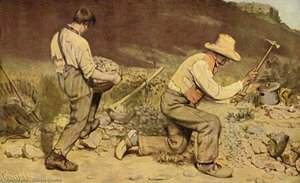
Courbet's artistic breakthrough arrived with a deliberate rejection of the prevailing aesthetic sensibilities of Romanticism. Unlike his contemporaries who sought to elevate art above the mundane, Courbet turned his gaze toward the lives of ordinary people—laborers, peasants, and rural communities—subjects often ignored by the artistic establishment. This decision wasn’t merely stylistic; it was fundamentally philosophical. He argued passionately for the dignity inherent in these roles, asserting that “the artist must depict what he sees.” This conviction fueled his groundbreaking exploration of monumental canvases depicting scenes from rural life, notably *The Stone Breakers* (1849), a work tragically destroyed during World War II but emblematic of Courbet’s commitment to portraying reality without sentimentality. Critics initially condemned this approach as vulgar and lacking in artistic merit—a testament to the profound disruption Courbet instigated within the art world.Technique and Artistic Philosophy: Embracing Impasto
Courbet's distinctive technique – *impasto* – became synonymous with his artistic philosophy. He applied paint thickly onto the canvas, creating textured surfaces that captured the physicality of the material itself. This method wasn’t merely a stylistic choice; it was an assertion of Courbet’s belief that art should engage directly with sensory experience. As he famously declared, “I want to paint what I see.” This uncompromising stance extended beyond technique to encompass subject matter—Courbet consistently rejected mythological tales and historical grandeur in favor of scenes from everyday life, reflecting his conviction that truthfulness was paramount. His studio paintings, like *The Painter’s Studio* (1855), served as visual meditations on artistic practice and social commentary, cementing his reputation as a visionary artist who dared to challenge conventional norms.Iconic Masterpieces: Landscapes and Portraits of Dignity
Courbet's oeuvre encompasses both landscapes and portraits—each infused with an unwavering commitment to realism and psychological depth. *A Burial at Ornans* (1850–51), arguably his most celebrated work, remains a powerful testament to Courbet’s artistic vision. The monumental canvas depicts a funeral procession in his hometown, eschewing idealized representations of grief and piety for a brutally honest portrayal of human emotion and social circumstance. Its sheer scale—a deliberate provocation against the conventions of historical painting—captured the public's imagination and solidified Courbet’s position as a champion of artistic freedom. Similarly, *The Stone Breakers* confronts viewers with the harsh realities of manual labor, presenting two figures rendered with unflinching detail and capturing the weariness etched upon their faces. These paintings exemplify Courbet’s belief that art should illuminate the human condition—a conviction that continues to resonate with audiences today.Legacy: Shaping Modern Art
Gustave Courbet's influence on subsequent generations of artists is undeniable. He liberated Impressionists and Post-Impressionists from the shackles of academic tradition, encouraging them to explore new avenues for artistic expression. His insistence on portraying reality without embellishment—his unwavering commitment to *plein air* painting—laid the groundwork for movements that would revolutionize visual culture. Beyond his technical innovations, Courbet’s philosophical stance—a rejection of illusion and a celebration of everyday life—remains profoundly relevant in contemporary art discourse. He died prematurely in 1877, leaving behind an unparalleled body of work that continues to inspire artists and scholars alike—a legacy secured as one of the most transformative figures in the history of French painting and modern art.
Courbet
1819 - 1877 , Francia
Rövid információk
- Artistic Movement Or Style: Realizmus
- Artists Or Movements Influenced By This Artist:
- Impressionizmus
- Post-impressionizmus
- Artists Who Influenced This Artist:
- Delacroix
- Géricault
- Caravaggio
- Date Of Birth: 1819 július 31.
- Date Of Death: 1877 április 29.
- Full Name: Gustave Courbet
- Nationality: Francia
- Notable Artworks:
- A Nagy Szél
- A Stone Breakers
- A Burial at Ornans
- Place Of Birth: Orléans, Franciaország
Kapcsolódó cikkek

The Enduring Allure of the Nude: A Historical & Artistic Exploration of the Human Form
Explore the captivating history of nude art! Discover iconic paintings & artists from classical to modern eras. Uncover symbolism, techniques & find museum-quality reproductions at OriginalUniqueArt.
A realizmus 10 legikonikusabb remekműve: festmények, művészek és inspiráció otthonra
Fedezze fel a realizmus 10 legjelentősebb remekművét! Gustave Courbet, Jean-François Millet és más híres festők alkotásai. Múzeumi minőségű reprodukciók otthonra – inspirációt és luxus dekorációt kínálunk. Böngésszen a OriginalUniqueArt.com teljes gyűjteményében!
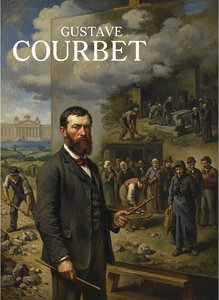
Gustave Courbet: Realism's Revolutionary Vision & the Social Canvas of 19th-Century France
Explore the revolutionary art of Gustave Courbet, pioneer of Realism. Discover his iconic paintings, social commentary, and lasting impact on 19th-century French art history. Expert analysis & insights.

Gustav Klimt 25 Mesterműve: A Szecesszió Aranykora – Vászonképek és Dekorációk
Fedezze fel Gustav Klimt 25 legpazarabb művészeti alkotását! A szecesszió aranykora, ikonikus portrék és szerelmesek története. Vászonképek, reprodukciók és inspiráció otthonába – OriginalUniqueArt.com.

The Enduring Legacy of Oil on Canvas: Technique, History & Aesthetic Impact
Explore the rich history & techniques of oil painting – from Renaissance masters to Impressionism. Discover pigments, layering methods, and why this timeless medium endures. Expert insights for artists & art enthusiasts.