Text size

() ·

A painting made for you, by hand

The Last Supper

Kézzel készített olajfestmény reprodukció

Kézzel festett olajvastú vászon, az Ön által választott méretben és keretben, művészeink készítik meglévőre. ( Váltás nyomtatványra Áttérés digitális képre)

A gyűjtemény leírása

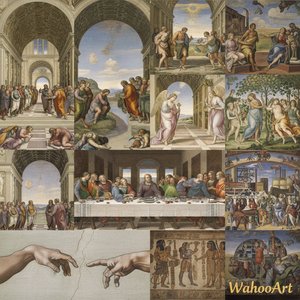
Witness the dramatic Last Supper by Cosimo Rosselli! This iconic fresco from the Sistine Chapel captures Jesus' final meal with his apostles, showcasing Renaissance artistry and biblical storytelling.

A művész életrajza

Érdemes megismerni Cosimo Rosselli (1439–1507) florentói reneszánszi festőjét, aki főként a Szt. Ambroszia templom freskóival és számos egyházi művével ismertté vált. Együtt Botticelli és Perugino alkotásaival jelentős szerepet játszott a Szt. Szentház Mózes és Krisztus életének ábrázolásában!

from ·

Chapter 1

How large should it be?

Slide to change the size; the picture on the left shows the frame at its real width. The proportions of the original are kept.

Standard méret
egyedi méretű
CM
INCH

Válasszon előre meghatározott méreteink közül, amelyek megfelelnek a műalkotás eredeti arányainak.

szélesség
magasság

Írja be a kívánt szélességet és magasságot, hogy illeszkedjen a keretéhez vagy a falához. Mivel ez kézzel festett alkotás, egy eltérő formájú méret esetén a művész akár festhet is valamivel többet a kép körül, vagy korolathat is belőle — az Ön döntésének megfelelően. A festés megkezdése előtt küldünk egy digitális tervezetet jóváhagyásra. Az oldalon látható kép nem tartalmazza a végeredményt — csak a tervezet mutatja meg a valódi eredményt.

Chapter 2

How should it arrive?

Choose the edges of the stretched canvas

Choose your frame

Corner sample of the WhiteWrap canvas edge finish, stretched on tömörfa bars
White Ft1
Corner sample of the BlurSideWrap canvas edge finish, stretched on tömörfa bars
Blurside Ft1
Corner sample of the ExtendedWrap canvas edge finish, stretched on tömörfa bars
Extended Ft1
Corner sample of the P118B picture frame: formázott polisztirol, 5 cm wide and 3 cm thick
P118B Ft10
Corner sample of the P118H picture frame: formázott polisztirol, 5 cm wide and 3 cm thick
P118H Ft10
Corner sample of the P118W picture frame: formázott polisztirol, 5 cm wide and 3 cm thick
P118W Ft10
Corner sample of the P438Z picture frame: formázott polisztirol, 5.5 cm wide and 3.5 cm thick
P438Z Ft10
Corner sample of the P508JH picture frame: formázott polisztirol, 7 cm wide and 3.5 cm thick
P508JH Ft12
Corner sample of the P508YH picture frame: formázott polisztirol, 7 cm wide and 3.5 cm thick
P508YH Ft12
Corner sample of the P805H picture frame: formázott polisztirol, 5 cm wide and 3.5 cm thick
P805H Ft10
Corner sample of the P805Z picture frame: formázott polisztirol, 5 cm wide and 3.5 cm thick
P805Z Ft10
Corner sample of the P919BZ picture frame: formázott polisztirol, 7 cm wide and 3.5 cm thick
P919BZ Ft10
Corner sample of the P919G picture frame: formázott polisztirol, 7 cm wide and 3.5 cm thick
P919G Ft10
Corner sample of the P919XJ picture frame: formázott polisztirol, 7 cm wide and 3.5 cm thick
P919XJ Ft10
Corner sample of the P959ZH picture frame: formázott polisztirol, 5 cm wide and 3 cm thick
P959ZH Ft10
Corner sample of the P968JZ picture frame: formázott polisztirol, 6 cm wide and 4 cm thick
P968JZ Ft12
Corner sample of the W106C picture frame: tömörfa, 5 cm wide and 3 cm thick
W106C Ft8
Corner sample of the W218G picture frame: tömörfa, 5 cm wide and 3 cm thick
W218G Ft10
Corner sample of the W218JH picture frame: tömörfa, 5 cm wide and 3 cm thick
W218JH Ft8
Corner sample of the W218Y picture frame: tömörfa, 5 cm wide and 3 cm thick
W218Y Ft10
Corner sample of the W307PJ picture frame: tömörfa, 6 cm wide and 3 cm thick
W307PJ Ft10
Corner sample of the W316G picture frame: tömörfa, 6 cm wide and 3 cm thick
W316G Ft10
Corner sample of the W316PJ picture frame: tömörfa, 6 cm wide and 3 cm thick
W316PJ Ft8
Corner sample of the W316Y picture frame: tömörfa, 6 cm wide and 3 cm thick
W316Y Ft10
Corner sample of the W398PJ picture frame: tömörfa, 5 cm wide and 3 cm thick
W398PJ Ft8
Corner sample of the W4111J picture frame: tömörfa, 6.5 cm wide and 3.5 cm thick
W4111J Ft10
Corner sample of the W500HY picture frame: tömörfa, 7 cm wide and 5 cm thick
W500HY Ft15
Corner sample of the W500JH picture frame: tömörfa, 7 cm wide and 5 cm thick
W500JH Ft15
Corner sample of the W692G picture frame: tömörfa, 8 cm wide and 4 cm thick
W692G Ft12
Corner sample of the W849H picture frame: tömörfa, 5 cm wide and 3 cm thick
W849H Ft8
Corner sample of the W940BG picture frame: tömörfa, 7.5 cm wide and 4.5 cm thick
W940BG Ft15
Corner sample of the W953PJ picture frame: tömörfa, 6 cm wide and 3.5 cm thick
W953PJ Ft8
Corner sample of the H24-GOLD picture frame: faragott fa gesszóval, 10 cm wide and 6 cm thick
H24-GOLD Ft30
Corner sample of the H24-SILVER picture frame: faragott fa gesszóval, 10 cm wide and 6 cm thick
H24-SILVER Ft30
Corner sample of the H36-GOLD picture frame: faragott fa gesszóval, 15 cm wide and 6.5 cm thick
H36-GOLD Ft45
Corner sample of the H36-SILVER picture frame: faragott fa gesszóval, 15 cm wide and 6.5 cm thick
H36-SILVER Ft45

Moulding: . Overall size with the frame: .

Chapter 3

Who paints it, and should anything change?

Examples of what can be changed: Replace face with customer photo; Add pet (e.g., replace cat with dog); Include hidden message in background; Change background landscape or elements.
After order, OriginalUniqueArt.com team will email client for instructions and provide a mockup preview

Világszerte elérhető szállítás () 3-4 hét alatt a szokásos 5 hét helyett. (3 november). A minőség nem kérdőjelezhető.

Chapter 4

The finishing touches

A nameplate, as in a museum?

A gravírozott bronztábla részletei

This elegant plaque features the artist's name and the title of the artwork, finely engraved for a timeless presentation.

It is made from bronze with a refined, elegant finish. The text is precisely laser-engraved for a sharp and permanent result. Measuring 9x2 cm, the plaque is compact yet easy to read. It's built to be durable and scratch-resistant, offering a professional, museum-quality look. Mounting is simple thanks to the included adhesive backing.

Átlátszó akril tábla részletei

The plaque includes essential engraved details such as the artist's name, the title of the artwork, the date it was created, the type of media used-like oil on canvas or watercolor-a brief description of the piece, and a QR code that links to the complete artwork information.

It is crafted from clear acrylic, offering a sleek, modern appearance. The text is UV-engraved in black to ensure strong visual contrast. With a size of 10x15 cm, it ensures optimal readability. It comes equipped with two metal hooks for secure wall mounting. The plaque is designed to be weather-resistant, making it suitable for various environments, and it includes interactive features that work seamlessly with smartphone scanning.

Fekete akril tábla részletei

This elegant plaque includes engraved information such as the artist's name, the title of the artwork, the date it was created, the type of media used (like oil on canvas or watercolor), a short description of the artwork, and a QR code for quick access to more information.

The plaque itself is made from refined black acrylic with a premium finish. The text is laser-engraved in white for high contrast and readability. Its size is 10x15 cm, designed to be easy to read. It comes with two metal hooks for professional mounting. The design is sleek and fits any interior style. It is also weather-resistant and durable, with built-in digital integration for mobile compatibility.

A protective varnish?

When do you need it?

Chapter 5

Your painting, as you ordered it

The Last Supper

Reprodukciós technika

Reprodukció mérete

-

Kiváló mesterművész

Nagyobb részletesség, finomság és bővített gyártási idő

-

Reprodukció keretezése

-

-

A bármely oldalsó méretét túlszálaló 105 cm (kb. 41 hüvelyk) meghaladó műalkotások vagy reprodukciók esetében a keret összeszerelhető készletként, szétszerelve kerül szállításra. Ez a módszer biztosítja a biztonságos szállítást, és megakadályozza a szállítás során fellépő sérüléseket.

Szakmész összeszerelést igényel – ez nem DIY (önösszeszerelhető) termék.
A készletet egy tapasztalt keretező szakembernek kell összeszerelnie és a vásznat feszítenie kell, fa ragasztó (nem tartalmazza a csomag), vásznfeszítő fogó és szorítók használatával, amelyek a ragasztó száradásáig a keretrészeket egymáshoz vuôngjba tartják. A helytelen összeszerelés vagy a nem egyenletes vásznfeszítés maradandó károsíthatja a műalkotást, és ez nem része a garanciánknak.

  • A készlet tartalmazza az összes tömörfa rudat, pontosan méretre vágva.

  • A mellékelt csavarokkal, valamint a sarokszerekhez szükséges faütő ragasztóval kell összeszerelnie (ez nem tartalmazható a csomagban), így a keretrendezőnek külön kell beszereznie.

  • A csomag nem tartalmazza a szükséges professzionális eszközöket: egy vászonfeszítőt és klipseket a rácsok vízszintes tartásához a ragasztó megszáradásáig.

Fontos:
A sarokcsatlakozásokhoz fánylagra van szükség, a keretrudakat szorítókapcsokkal kell rögzíteni, amíg a rag teljesen meg nem szárad, a kész keretre feszített vászonhoz pedig vászonfeszítő fogat szükséges. Ezek egyike sem található meg a készletben. Kérjük, rendelés előtt győződjön meg róla, hogy rendelkezik tapasztalt keretező szakemberrel.

Névtábla

-

-

Védőréteg (Lakk)

Fényes lakk (intenzívabb színek, védelem a fény és a nedvesség hatása ellen)

-

Műalkotásom egyedi igényre szabása

Példák a módosíthatóságra: az arc kicserélése az ügyfél fotójára; háziállat hozzáadása (pl. macska helyett kutya); rejtett üzenet elhelyezése a háttérben; a háttér tájainak vagy elemeinek megváltoztatása.

-

Sürgős

Világszerte szóló szállítás () mindössze 3-4 hét alatt, a szokásos 5 hét helyett. (3 november). A minőség nem kérdőjelezhető.

-

Express szállítás

Világszerte elérhető szállítás területre 5 héten belül. (10 november).

A szállítás díja tartalmazza

Összesített ár

Ft 98255

Összesített ár Ft 98255

Az üvegkeretes opció csak 110 cm alatti méretben érhető el

Included with every order

  • Ingyenes globális expressz szállítás
  • Prémium minőségű len vászon
  • Teljes körű szállítási biztosítás
  • Vámvisszatérítési Garancia
  • Hiteles színarányosság garancia
  • 100 napos visszaküldési lehetőség (csak hibás termékek esetén)
  • 100% pénzvisszatérítési garancia
  • Több darab vásárlásakor kedvezmény

The Last Supper: A Renaissance Revelation

Cosimo Rosselli’s “The Last Supper,” painted in 1481–82 for the Sistine Chapel in Rome, isn't merely a depiction of a biblical meal; it’s a profound meditation on faith, betrayal, and the human condition. Commissioned during a period of immense artistic innovation—a time when Leonardo da Vinci was laying the groundwork for modern painting—Rosselli’s fresco stands as a testament to the Florentine Renaissance’s vibrant spirit and its masterful command of perspective and color. The scene unfolds within a meticulously rendered Roman dining room, bathed in an ethereal light that seems to emanate from the figures themselves. The composition is remarkably dynamic, eschewing the static formality often found in earlier religious art for a sense of immediate engagement. Notice how Rosselli cleverly uses spatial recession—the diminishing size of objects and figures as they recede into the background—to draw the viewer’s eye directly to Jesus at the center of the table.

Rosselli's technique is characterized by a bold, almost theatrical use of color. He departs from the muted tones favored by some of his contemporaries, opting instead for vibrant reds, blues, and golds that imbue the scene with an extraordinary luminosity. This heightened palette wasn’t simply decorative; it served to heighten the drama and emotional intensity of the event. The fresco employs a technique known as *tempera*, applied to a prepared gesso surface—a method that allowed for greater flexibility in altering details compared to traditional fresco painting, though it also meant a more fragile and susceptible final product. The careful layering of pigments and the masterful blending of colors demonstrate Rosselli’s exceptional skill and his willingness to experiment with new approaches.

Symbolism and Narrative Depth

Beyond its technical brilliance, “The Last Supper” is rich in symbolic meaning. The arrangement of the apostles around the table isn't arbitrary; it reflects their individual personalities and relationships within the group. Jesus’s gesture—a simple pointing towards himself—is a pivotal moment, signifying his impending sacrifice and offering a path to salvation. Pay close attention to Judas Iscariot, often depicted with a subtly sinister expression and clutching a bag of silver – a clear representation of his betrayal. The inclusion of the windows in the background isn’t just an architectural detail; they frame key events leading up to Christ's crucifixion: the prayer on Mount of Olives, the arrest, and ultimately, the agonizing scene of his death. These windows provide a visual narrative that deepens our understanding of the story.

Rosselli masterfully captures the emotional turmoil surrounding this pivotal event. The apostles’ reactions—shock, disbelief, fear, anger—are rendered with remarkable sensitivity. The artist doesn't shy away from portraying the uncomfortable truths of human nature: greed, jealousy, and betrayal. Yet, amidst the darkness, there is also a sense of profound sorrow and acceptance, reflecting the spiritual weight of the occasion.

Historical Context and Legacy

“The Last Supper” was created during a period of immense artistic ferment in Rome—a time when the city was vying with Florence for dominance in the Renaissance. Rosselli’s participation in this project highlights the interconnectedness of the Italian art world, as artists traveled between cities, exchanging ideas and techniques. The fresco's placement within the Sistine Chapel, a space dedicated to papal authority, underscores its importance as a symbol of Christian faith and power.

Despite suffering significant damage over the centuries due to environmental factors and restoration attempts, “The Last Supper” remains one of the most iconic images in Western art. Its innovative composition, vibrant colors, and profound symbolism continue to captivate viewers today. Reproductions offer a remarkable opportunity to experience this masterpiece firsthand, allowing us to appreciate Rosselli’s genius and his enduring contribution to the history of painting.

A Timeless Masterpiece for Your Space

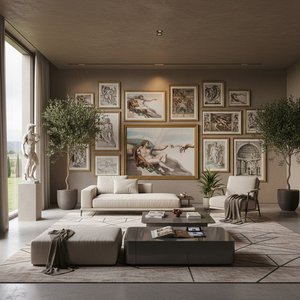
OriginalUniqueArt offers meticulously crafted reproductions of Cosimo Rosselli's “The Last Supper,” ensuring that you can bring this extraordinary artwork into your home or office. Our high-quality prints capture the essence of the original fresco, faithfully reproducing its vibrant colors and dynamic composition. Whether you’re an art enthusiast, a collector, or simply seeking to add a touch of Renaissance grandeur to your surroundings, our reproductions provide a stunning tribute to one of history's greatest artistic achievements.

Kérdések és válaszok

Hol találhatok egy útmutatót a(z) "The Last Supper" alkotáshoz?

A "The Last Supper" útmutatója a mű Útmutató oldala – egy kinyomtatható adatlap, amely bemutatja a művet a leírással, a szerzői megjegyzéssel és az azonosító táblázattal (művész, dátumok, technika, eredeti méret, gyűjtemény) együtt.

Hogyan kapcsolódnak „The Last Supper”, Cosimo Rosselli alkotása színei a mű érzelmi töltetéhez?

A „The Last Supper”, Cosimo Rosselli alkotása Earthy palettája harmonikában összhangban van a Reflective érzelmi hangulatával. A szín az egyik eszköze annak, ahogyan egy mű érzéseket közvetít.

Hol tekinthető meg a(z) "The Last Supper" előnézete?

A „The Last Supper”, Cosimo Rosselli alkotása előnézete megtekinthető a mű Előnézet oldalán.

More about this painting

Megtekintés AR előnézet Váltás nyomtatványra Áttérés digitális képre Küldés
Részletek Útmutató Kedvencekhez ad Letöltés Hasonló darabok X-ray felvétel Diavetítés Q&A Statisztika

In numbers

  • 1481the year it was painted
  • 29frames to choose from
  • standard sizes, in its own proportions
  • 5weeks to paint and deliver it
Cosimo Rosselli

Cosimo Rosselli

1439 - 1507, Olaszország

Quick facts about Cosimo Rosselli

  • Artistic Movement Or Style: Quattrocento
  • Artists Or Movements Influenced By This Artist: ['Pietro Perugino']
  • Artists Who Influenced This Artist:
    • Domenico Ghirlandaio
    • Masaccio
    • Fra Angelico
  • Date Of Birth: 1439
  • Full Name: Cosimo Rosselli
  • Nationality: Olasz
  • Notable Artworks:
    • Santissima Annunziata freskója
    • Sixtus-kápolna freskói
    • Úrvacsora
    • Törvényhozás a Sinai-hegyen
  • Place Of Birth: Firenze

A művész életrajza

Florentiai kéz Rómban: Cosimo Rosselli életútja és művészete

Cosimo Rosselli, aki körülbelül 1439-ben született Firenze vibráló szívében, egy jól étabült kereskedőcsaládból származott – ez a háttér stabil felnevelést és a reneszszánsz Firenze virágzó kulturális életéhez való hozzáférést biztosított számára. Ellentétben sok olyan művészzel, akik gyermekkorukban kezdték meg képzésüket, Rosselli művészeti útja viszonylag későn, körülbelül huszon éves korában indult el. Domenico Ghirlandaio műhelyébe lépett be, aki a florentin festészet egyik vezető alakja volt, és mesteri freskói, valamint kifinomult oltárképei miatt ismert. Ez a környezet nem csupán egy tancserkész-periodus volt; ez a kreativitás lenyűgöző központba való elmerülés volt, ahol számos segéd hozzájárult a folyamatos megbízások áramlásához. Itt Rosselli befogadta a rajzolás, az ábrázolás és a precíz technikák alapjait, amelyek később meghatározták korai stílusát. Ghirlandaio befolyása mély volt: lineáris pontosságot, vibráló színpalettát és olyan narratív tisztaságot impartált onto, amely műveinek jelentős része jellemzővé vált. Még ez a formálódó időszak alatt is Rosselli egyedi érzékiséget mutatott, finoman befogadva az olyan korábbi mesterek elemeit, mint Masaccio és Fra Angel मद्देन, akik már forradalmasították a tér, a fény és az érzelmek ábrázolását a festészetben.

A Sixtus-kápolna és a pápi kegyelem pillanata

Egy döntő pillanat következett be 1481-ben, amikor Rosselli meghívást kapott, hogy részt vegyen a római Sixtus-kápolna falait díszítő monumentális freskó-programban. Ez a megbízás, olyan eminenszek mellett, mint Pietro Perugino és Sandro Botticelli, jelentős fordulópontot jelentett karrierjében, nemzetközi színpadra catapultálva őt. Ezeknek a freskók átfogó témája a Mózes és Krisztus történeteinek gondosan felépített párh parallélizmusa volt – egy tudatos kísérlet a pápi hatalom legitimálására és az isteni törvény folytonosságának hangsúlyozására. Rosselli hozzájárulásai Jézus életének jeleneteire összpontosítottak, bemutatban arra, képes volt a komplex narratívákat vizuálisan lenyűgöző kompozícióvá alakítani. Bár későbbi feljegyzések, különösen Giorgio Vasari által írtak, őt a projektben részt vevők egyik kevésbé tehetséges művészeként ábrázolták – sőt még kortársai gúnyolódásának is alvoztatta –, feljegyzik, hogy színek bátor használata és az aranyozás bővénessége különösen elégedett volt magával Sixtus IV. pápa. Ez a pápi kegyelem éles érzékeket sugall a dekoratív hatásokról és a mecénás ízlésének kielégítéséről, amelyek alapvető képességek voltak a reneszánsz művészet versenyző világában a sikerhez. A kápolnában található *Últaja Eucharisztia* ma is ennek az időszaknak a bizonyítékává áll, dinamikus kompozíciót és olyan részletgazdagságot mutatva be, amely növekvő mesterségét rivelálja.

Florentini megbízások és egy fejlődő stílus

Rómából visszatérve Firenzébe, Rosselli folyamatosan kapta a megbízásokat oltárképekre, freskókra és táblaképekre. Érett stílusa ebben az időszakban virágzott ki, amelyet finomított kompozíciók, elegáns alakok és egyre részletesebb tájak jellemeztek. Megőrizte azt a lineáris pontosságot és vibráló színeket, amelyeket Ghirlandaiótól tanult, de elkezdte integrálni Perugino inkább kegyes és harmonikus esztétikájának elemeit is. Ennek időszakból kiemelkedő alkotások közé tartoznak a Santissima Annunziata templom freskói – egy jelentős megbízás, amely lehetővé tette számára, hogy fejlődő stílusát monumentális létezésben mutassa be –, valamint számos oltárkép, amelyek a florentini kápolnákat díszítik. Rosselli sajátos módszert fejlesztett a vallási jelenetek ábrázolására, hangsúlyozva az emberi érzelmeket és interakciókat, miközben megtartotta az áldozatkészség és az istenséges tisztelet hangulatát. Képes volt ábrázolni alakjai pszichológiai állapotát, belső életet árasztva őket, ami a kortárs közönség számára is érezhető volt. A bibliai narratívákba beépített kortárs portrék ráadásul realizmust és közelséget adtak, összekapcsolva a szent történeteket azok mindennapi életével, akik látták őket.

Örökség és történelmi jelentőség

Cosimo Rosselli szorgalmasan dolgozott a 16. század elején is, megbízásokat szerzve neves florentini családoktól és vallási intézményektől. Azonban ahogy új művészeti csillagok emelkedtek fel – elsősorban Rafael és Michelangelo –, jelentősége fokozatosan csökkent. Körülbelül 1520 körül hunyt el Firenzében, hagyva magára egy olyan munkásságot, amely tükrözi festőként való képességeit és vallási témák tisztaságban és eleganciában történő ábrázolás iránti elkötelezettségét. Napjainkban Rosselli arra a kész handszerű florentini művészi névként él a emlétek között, aki fontos szerepet játszott a reneszánsz művészet fejlődésében. Résztvétele a Sixtus-kápolna freskókban segített megszilárdítani Firenze pozícióját a művészeti innováció vezető központjaként, saját művei pedig demonstrálják képességét, hogy különféle hatásokat egy egyedi és kifinomult stílussá szintésszé alakítson. Bár talán nem érte el ugyanazt a hírnevet, mint kortársai néhányja, Cosimo Rosselli hozzájárulásai jelentős maradtak – tanúskodva tehetségéről, elkötelezettségéről és tartós örökségéről a reneszánsz művészet gazdag szövetében.

Hatások és művészi fejlődés

  • Korai alapok: Domenico Ghirlandaio műhelye létfontosságú alapot biztosított Rosselli számára a festéstechnikai és kompozíciós elvek terén, formálva korai esztétikai érzékiséget.
  • Római tapasztalat: A Sixtus-kápolnában más vezető reneszánsz művészekkel való együttműködés új stílusok és megkövetyelések ismeretét nyújtotta számára, szélesítve művészeti horizontját és befolyásolva későbbi munkálatait. A kollaboratív környezet elősegítette az ötletcserét és a kortárs trendek fokozott tudatosságát.
  • Perugino kegye:} Pietro Perugino kegyes stílusa és harmonikus kompozíciói érezhető hatást gyakorolt Rosselli művészeti fejlődésére, arra ösztönözve őt, hogy finomítsa alakjait és egyensúlyozottabb elrendezéseket hozzon létre.
  • A múlt visszhangjai: Befogadta a korábbi mesterek, például Masaccio és Fra Angelico elemeit, beépítve innovációikat – például a tér valóságos ábrázolását és az érzelmi kifejezést – saját egyedi stílusába. Ez a művészettörténet mély ismeretét és a megelőzőjüktől való tanulás vágyát mutatja be.
Rosselli művészi útja lenyűgöző példája annak, hogyan navigáltak a reneszánsz művészek a hagyomány, az innováció és a mecenatúra összetett kölcsönhatásai között, olyan örökséget hagyva hátra, amely ma is inspirálja és lenyűgözi a közönséget.

Gyors információk

  • Location: Sistine Chapel, Rome
  • Title: The Last Supper
  • Medium: Fresco
  • Subject or theme: Last Supper
  • Influences:
    • Rosselli
    • Ghirlandaio

Művészeti kvíz

Minden kérdésre csak egy helyes válasz létezik.

Kérdés 1:
What biblical event is depicted in Cosimo Rosselli’s ‘The Last Supper’?
Kérdés 2:
In what location is Cosimo Rosselli's ‘The Last Supper’ currently housed?
Kérdés 3:
Approximately when was ‘The Last Supper’ painted?
Kérdés 4:
What artistic technique did Cosimo Rosselli employ in ‘The Last Supper’ that differed from traditional fresco methods?
Kérdés 5:
The painting includes several objects on the table. What does the prominent placement of wine cups likely symbolize?