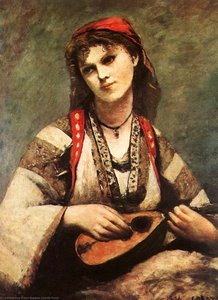
Megtekintés
 Küldés
 Megosztás
 Részletek
 Útmutató

 Letöltés
 Hasonló darabok
 X-ray felvétel
 Diavetítés
 Statisztika
Harvester Holding Her Sickle


 Összes részlet megjelenítése
Giclée / Műnyomat
Múzeumi minőségű giclée vagy vászonnyomat, gyors gyártással és rugalmas finomítási lehetőségekkel. ( Kézzel festett másolat rendelése Áttérés digitális képre)




P118B Ft10

P118H Ft10

P118W Ft10

P438Z Ft10

P508JH Ft12

P508YH Ft12

P805H Ft10

P805Z Ft10

P919BZ Ft10

P919G Ft10

P919XJ Ft10

P959ZH Ft10

P968JZ Ft12

W106C Ft8

W218G Ft10

W218JH Ft8

W218Y Ft10

W307PJ Ft10

W316G Ft10

W316PJ Ft8

W316Y Ft10

W398PJ Ft8

W4111J Ft10

W500HY Ft15

W500JH Ft15

W692G Ft12

W849H Ft8

W940BG Ft15

W953PJ Ft8




Válasszon előre meghatározott méreteink közül, amelyek megfelelnek a műalkotás eredeti arányainak.

Írja be a keretének vagy a falának megfelelő szélességet és magasságot. A nyomatot csak le lehet vágni, soha nem tehető nagyobbá, mint az eredeti kép, így egy eltérő alakú méretnél a kép egy része elveszik. Mielőtt bármit kinyatintanánk, küldünk egy digitális próbamodellt jóváhagyásra. Az oldalon látható kép nem tartalmazza a valós levágást — ezt csak a próbamodell mutatja meg.
Világszerte történő kiszállítás területére mindössze 2 hét alatt, a szokásos 4-5 hét helyett. (27 október)

Ingyenes globális expressz szállítás

Prémium minőségű len vászon

Teljes körű szállítási biztosítás

Vámvisszatérítési Garancia

Hiteles színarányosság garancia

100 napos visszaküldési lehetőség (csak hibás termékek esetén)

100% pénzvisszatérítési garancia

Több darab vásárlásakor kedvezmény
 Az üvegkeretes opció csak 110 cm alatti méretben érhető el

Harvester Holding Her Sickle
Giclée / Műnyomat
Reprodukció mérete
-


Összesített ár
Ft 25681
A Szántóarbe Gyűjtő – A Nők Gondolataiban
Jean Baptiste Camille Corot festménye, "A Szántóarbe Gyűjtő" (1838) egy lenyűgöző alkotás, mely a francia művész képességét mutatja meg a vidéki élet lényegének ábrázolásában. A Bostoni Művészeti Múzeumot őrizteti, és azonnal elvarázsolja a szemlélőt a mély, békés atmoszférával. A festmény egy női alakról szól, aki a fűben ülése közben a kezével a homlokán, látszólag elveszett gondolataiba merül. Háttérében két ember áll a tájban, közelebbi a bal oldalon és távolabbi a jobb oldalon, egy ló pedig a közép-jobb oldalon helyezkedik el. Ez a kompozíció tükrözi Corot képességét, hogy egységet teremtsen a figurák és a természet között, létrehozva egy harmonikus képet. A előtérben álló nő, szálkával a kezében, a vidéki munkások fáradhatatlan jelképe. Gondolataiba merülés sugallja a pihenés és reflexió pillanatát a gyűjtés követelményei közepette. A ló és más alakok jelenléte a háttérben mélységet ad a jelenetnek, kiemelve az農業munka közös aspektusait.Corot Stílusa – Realizmus és Romantika Kezdeménye
Jean-Baptiste-Camille Corot neve a 19. századi francia tájképfestészet szívében reszonál, egy olyan korszakban, amikor a fény és az atmoszféra dominált. A festőművész stílusa a Barbizon iskola egyik alapító tagja volt, egy csoport, amely a természet megörökítésére összpontosított Franciaországban. Corot munkája gyakran ötvözte a realisztikus elemeket egy romantikus érintménnyel, ahogy ezt "A Szántóarbe Gyűjtő"-ben is láthatjuk. A festményben alkalmazott lágy színek és enyhe fény egy nyugodt légkört teremt, mely bevonja a nézőt a csendes jelenetbe. Corot technikája a természet közvetlen megfigyelésére összpontosított, gyakran rövid idő alatt készített rajzokat és festményeket a helyszínen, majd ezeket finomította a műhelyében. Ez a módszer lehetővé tette számára, hogy pontosan rögzítse a fényviszonyokat és az atmoszférát, melyek alapvető elemei voltak a munkájának.Szimbolizmus és Érzelmi Hatás
A festményben megjelenő női alak nem csupán egy tájképi figura, hanem egy szimbólum is. A gondolataiba merülés, a szálka a kezében, a nyugalmas tekintet sugallja a vidéki élet nehézségeivel szembeni belső erőnlétet és a munkával való találkozást. Corot nem egyszerűen ábrázolta a munkát, hanem a munkások emberi természetének mélyebb rétegeibe hatolt. A festmény egyfajta meditációt sugall, melyben a néző megpillantja a vidéki élet szépségét és a människor belső világát. A festmény érzelmi hatása megesett, a lágy színek és a fényhasználat egyfajta békés nyugtalanságot kelt, mely elgondolkodtató és mélyen személyes élményt nyújt.Corot Művészete – Egy Klasszikus Utazás
Jean-Baptiste-Camille Corot életműve számos jelentősebb alkotással gazdagodik. Például a "Madame Legois" (Young Woman with Flowers in Her Lap), melyet a Bécsi Kunsthistorisches Múzeum őrzi, mutatja meg a festő képességét a portréfestésben. Egy másik fontos darab a "Szántóarbe Gyűjtő", melyet megtalálhatunk az OriginalUniqueArt.com oldalon. Corot munkája a neoklasszikizmus és az impresszionizmus közötti átmenetet jelképezi, egy olyan korszakban, amikor a festők új módszereket alkalmazni kezdtek, hogy megörökítsék a természet szépségét. A festőművész munkájának jelentősége abban rejlik, hogy az a tájképfestészetet alapvetően átalakította és nagy hatást gyakorolt a későbbi generációk művészeire.Kérdések és válaszok
Menny amountnyi fényt tűnik úgy vissza a "Harvester Holding Her Sickle" színei?
A "Harvester Holding Her Sickle" színei Érezhető fényesség fényerőt mutatnak.
A „Harvester Holding Her Sickle” művészeti alkotás mentes a szerzői jogoktól?
A „Harvester Holding Her Sickle”, Corot alkotása szerzői jogi státusza: a mű közösségi tulajdon – a szerzői jog lejártt. Ez határozza meg, hogy a kép másolatai szabadon készíthetők-e.
Mely művészeti irány része a „Harvester Holding Her Sickle”, Corot alkotása?
A "Harvester Holding Her Sickle" a Barbizon School egyik alkotása. A művészeti irány meghatározza azt a művészeti hagyományt, amelybe a mű beágyazódik.
A művész életrajza
A Life Immersed in Light and Landscape
Jean-Baptiste-Camille Corot, a name that resonates with the tranquil beauty of 19th-century French landscape painting, was born into a comfortable Parisian bourgeois family on July 16, 1796. Though initially steered towards a commercial path, destiny – and perhaps an innate artistic sensibility – intervened. His early years were marked by an unconventional upbringing; entrusted to the care of a nurse in the countryside near L’Isle-Adam until age four, he developed a profound connection with nature that would indelibly shape his artistic vision. This initial immersion in rural tranquility stood in stark contrast to the bustling city life awaiting him, yet it laid the foundation for a lifelong pursuit of capturing the ephemeral qualities of light and atmosphere. His parents, successful milliners, provided financial stability, allowing Corot the freedom to explore his burgeoning passion for painting after an unsuccessful attempt at mercantile pursuits – a rare privilege for aspiring artists of that era. This support was crucial, enabling him to dedicate himself fully to artistic training without the immediate pressures of earning a livelihood.From Academic Foundations to Plein-Air Innovation
Corot’s formal artistic education began with studies under Achille Etna Michallon and later Jean-Victor Bertin, both esteemed landscape painters steeped in the neoclassical tradition. This grounding instilled in him a meticulous approach to composition and form, emphasizing clarity and structure. However, Corot wasn't content merely replicating established styles; he yearned for something more authentic, a way to convey not just *what* he saw, but *how* it felt to be immersed within the landscape. A pivotal moment arrived with his first journey to Italy in 1825. The Roman Campagna, bathed in golden light and steeped in history, ignited his imagination. He spent years sketching and painting en plein air – directly from nature – a practice that was still relatively uncommon at the time. This dedication to direct observation allowed him to capture the subtle nuances of light and shadow, the delicate atmospheric effects that would become hallmarks of his style. He wasn’t simply recording topographical details; he was striving to evoke a mood, a feeling of tranquility and harmony. His early Italian works demonstrate a clarity of form and bright palette influenced by classical ideals, yet already hint at the softer, more evocative approach that would define his mature style. He meticulously studied the masters, copying their work in the Roman galleries, but always filtered these lessons through his own increasingly sensitive perception of nature.A Bridge Between Traditions
Corot’s artistic development wasn't linear; it was a delicate balancing act between tradition and innovation. He exhibited regularly at the Paris Salon, initially gaining recognition for works rooted in neoclassical conventions. However, as he continued to explore plein-air painting, his style began to evolve. He moved away from highly finished, detailed compositions towards looser brushwork and a more muted palette. This shift wasn't a rejection of academic principles entirely; rather, it was an attempt to infuse them with the immediacy and emotional resonance of direct observation. He became a master of tonalism, using subtle variations in value to create depth and atmosphere. His landscapes weren’t about dramatic narratives or grand gestures; they were about quiet contemplation, the beauty of everyday scenes – a forest glade, a sun-dappled meadow, a tranquil riverbank. This approach resonated with a growing audience seeking respite from the rapid industrialization and social upheaval of 19th-century France. He skillfully blended elements of realism with an almost poetic sensibility, creating landscapes that felt both familiar and deeply personal. He wasn’t interested in grand pronouncements or political statements; his art was about finding beauty in the ordinary, elevating the commonplace to a realm of serene contemplation.Legacy and Enduring Influence
Jean-Baptiste-Camille Corot’s influence on subsequent generations of artists is immeasurable. He served as a crucial link between the neoclassical tradition and the emerging Impressionist movement. Artists like Monet, Pissarro, and Sisley deeply admired his ability to capture the fleeting effects of light and atmosphere, and they built upon his innovations in their own groundbreaking work. Corot’s emphasis on direct observation and plein-air painting paved the way for the Impressionists' radical departure from studio-based practices. However, Corot wasn’t simply a precursor to Impressionism; he was a unique and significant artist in his own right. His vast output – encompassing landscapes, portraits, and figure studies – continues to captivate audiences with its serene beauty and emotional depth. His works can be found in major museums around the world, including the Musée des Beaux-Arts in Dunkirk and the Musée Courbet in Ornans, France, as well as the National Gallery in London and the Metropolitan Museum of Art in New York. He died on February 22, 1875, leaving behind a legacy that continues to inspire artists and art lovers alike – a testament to the enduring power of light, landscape, and quiet contemplation. The Repose, Interrupted Reading, and Agostina remain iconic examples of his mastery, showcasing his ability to capture both the physical world and the inner life of his subjects with remarkable sensitivity and grace. His influence extends beyond painting; he fostered a spirit of artistic freedom and encouraged younger artists to find their own voice, solidifying his place as a pivotal figure in the history of art.
Corot
1796 - 1875 , Franciaország
Rövid információk
- Artistic Movement Or Style: Realizmus, Impresszionizmus
- Artists Or Movements Influenced By This Artist:
- Monet
- Pissarro
- Artists Who Influenced This Artist:
- Michallon
- Bertin
- Date Of Birth: 1796. 07. 16.
- Date Of Death: 1875. 02. 22.
- Full Name: Jean-Baptiste-Camille Corot
- Nationality: Francia
- Notable Artworks:
- A Repoze
- Olvassza
- Agostina
- Place Of Birth: Párizs, Franciaország
Kapcsolódó cikkek
The Barbizon School: A Professional Guide to Naturalism and Landscape Mastery for Interior Designers
Explore the Barbizon School's mastery of naturalism. An expert guide for hotel designers and procurement managers on sourcing high-quality landscape reproductions to elevate hospitality and corporate interiors with authentic, large-scale fine art solutions.
Evoking Nature's Sublime: A Comprehensive Exploration of 19th-Century Landscape Painting
Explore the captivating world of 19th-century landscape painting! Discover renowned artists like Friedrich & Monet, key movements, and find the perfect artwork to bring nature's serenity into your home. Expert insights at OriginalUniqueArt.
Barbizon School: The Revolution That Brought Nature to Life through the Mastery of Light and Landscape
Explore the profound legacy of the Barbizon School. Discover how masters like Corot and Monet revolutionized landscape painting through plein air techniques and the soulful depiction of nature's light and shadow in this expert art history guide.
Jean-Baptiste-Camille Corot: A Poetic Realism – Bridging the Barbizon School and Early Impressionism
Explore the life & art of Camille Corot, a pivotal figure bridging the Barbizon School & Impressionism. Discover his poetic realism, signature style, and lasting influence on landscape painting. Learn more at OriginalUniqueArt.
Master of Light: Exploring the Timeless Landscapes and Atmospheric Brilliance of Jean-Baptiste-Camille Corot
Discover the ethereal beauty of Jean-Baptiste-Camille Corot. Explore how this master of light bridged Neoclassicism and Impressionism through his atmospheric landscapes, capturing the timeless essence of the French countryside with unparalleled poetic brilliance.