

 Előnézet
 Megosztás
 Megosztás
 Részletek
 Útmutató

 Letöltés
 Hasonló darabok
 X-ray felvétel
 Diavetítés
 Statisztika
The Trader


 Tovább olvasom
Kézzel készített olajfestmény reprodukció
Kézzel festett olajvastú vászon, az Ön által választott méretben és keretben, művészeink készítik meglévőre. ( Váltás nyomtatványra Áttérés digitális képre)




































Válasszon előre meghatározott méreteink közül, amelyek megfelelnek a műalkotás eredeti arányainak.

Ön megadhat saját méreteket egy adott kerethez vagy térhez igazításhoz. Ha a kiválasztott méret nem egyezik az eredeti kép arányával, akkor a műalkotást levágjuk, vagy további kézzel festett elemekkel meghosszabbítjuk a festményt. A gyártás megkezdése előtt küldünk Önnek egy digitális előnézetet jóváhagyásra.
Kérjük, vegye figyelembe, hogy a képernyőn megjelenő előnézet nem tükrözi a tényleges vágást vagy kiterjesztést. Csak az előnézet fog pontosan mutatni a végső kompozíciót.
Bár egyedi méretek állnak rendelkezésre, javasoljuk, hogy válasszon egy méretet az előre meghatározott listából az eredeti arányok megőrzése érdekében.
A rendelést követően a OriginalUniqueArt.com csapata e-mailt küld az ügyfélnek az instrukciókért, és biztosít egy előnézeti képet (mockup).
Világszerte elérhető szállítás () 3-4 hét alatt a szokásos 5 hét helyett. (27 szeptember). A minőség nem kérdőjelezhető.

Ingyenes globális expressz szállítás

Prémium minőségű len vászon

Teljes körű szállítási biztosítás

Vámvisszatérítési Garancia

Tökéletes színarányosság garancia

100 napos visszaküldési garancia (csak gyártási hibás termékek esetén)

100% pénzvisszatérítési garancia

Több darab vásárlásakor kedvezmény
 Az üvegkeretes opció csak 110 cm alatti méretben érhető el

The Trader
Reprodukciós technika
Reprodukció méretei
-


Összesített ár
$ 300
A Glimpse into a Serene Frontier
In the heart of mid-19th-century Canada, amidst the untamed beauty of the wilderness, Cornelius David Krieghoff captured a moment of profound stillness in his 1850 masterpiece, The Trader. This evocative oil on canvas serves as more than just a landscape; it is a window into a vanishing way of life, where the boundaries between humanity and nature were intimately entwined. As viewers gaze upon the river bank, they are transported to an era defined by communal harmony and the quiet dignity of the Native American subjects who anchor the composition. The scene unfolds with a gentle rhythm, inviting the observer to step away from the chaos of modern life and find solace in the lush, verdant surroundings of the Canadian frontier.
Krieghoff, an artist whose soul was shaped by both European academic rigor and the rugged allure of the New World, employs a technique that balances meticulous detail with atmospheric softness. The painting is characterized by a warm, inviting palette that bathes the river bank in a golden, nostalgic light. His brushstrokes, though precise enough to render the intricate textures of a ceremonial headdress or the sturdy wood of a bow, possess a painterly fluidity that allows the surrounding forest and the movement of the water to feel alive. This delicate balance creates a sense of depth and immersion, making the lush greenery and the presence of soaring birds feel as though they are part of the very air the viewer breathes.
Symbolism and the Spirit of Community
Beyond its aesthetic splendor, The Trader is rich with symbolic weight, acting as a cultural chronicle of the era. The gathering of individuals around the water's edge symbolizes the vital importance of natural resources and the communal bonds required to thrive in a vast landscape. Every element, from the placement of the backpack on the earth to the focused interaction between the figures, speaks to a narrative of trade, survival, and shared existence. Krieghoff’s attention to the specificities of attire and weaponry does not merely serve as ethnographic documentation; it elevates his subjects, imbuing them with a sense of agency and quiet strength that commands respect.
For the discerning collector or interior designer, this piece offers an unparalleled emotional resonance. It is a work that brings a sense of peace and historical gravity to any space, acting as a focal point that sparks conversation and contemplation. Whether placed in a sophisticated study or a grand living area, a high-quality reproduction of The Trader serves as a tribute to the enduring beauty of Canadian heritage. It is an invitation to celebrate the tranquility of the past and to surround oneself with art that captures the very essence of human connection to the earth.
A művész életrajza
A Life Bridging Worlds: Cornelius David Krieghoff’s Canadian Tapestry
Cornelius David Krieghoff, a name inextricably linked to the heart of 19th-century Canada, wasn't merely an artist; he was a chronicler, a storyteller who captured the essence of a nation in its formative years. Born in Amsterdam in 1815, his journey began amidst the artistic traditions of his Dutch heritage – his father, a coffee-house servant and musician, instilled within him both a love for melody and brushstrokes. This early foundation, coupled with formal training at the Düsseldorf Academy around 1830, laid the groundwork for a career that would ultimately transcend borders and become deeply intertwined with Canadian identity. Yet, Krieghoff’s path wasn't a straight line; it was marked by restless curiosity and an adventurous spirit, leading him across continents and into the heart of a burgeoning nation.From Soldier to Sketchbook: The Seeds of Artistic Vision
Krieghoff’s early life took an unexpected turn when he enlisted in the United States Army in 1837, participating in the Second Seminole War. This experience proved profoundly formative, not through military prowess, but through the meticulous sketches he diligently produced – these weren't simply battlefield records; they were explorations of a new landscape, a different culture, and the nascent stages of his unique artistic voice. The harsh realities of frontier life, the faces of the Seminole people, and the vast expanse of the American wilderness all found their way onto his pages, shaping his observational skills and laying the foundation for his distinctive style. Discharged as a corporal in 1840, this period wasn’t an ending but a catalyst, fueling a desire to immerse himself further in diverse cultures and artistic traditions.Parisian Refinement: Absorbing the Masters
Following his military service, Krieghoff sought refinement in Paris, spending time at the Louvre under the tutelage of Michel Martin Drolling. This period was crucial – not for imitation, but for absorption. He meticulously copied masterpieces by Old Masters like Ingres and Géricault, studying their composition, color palettes, and techniques with an almost obsessive dedication. He didn’t simply replicate; he internalized, adapting these lessons to his own artistic sensibilities and preparing himself for the unique challenges of capturing the Canadian landscape and its people. The influence of German genre painting, particularly the works of Wilhelm von Schadow, is subtly evident in Krieghoff's focus on everyday scenes – a quiet dignity found in rural life, a celebration of the ordinary.A New Home: Quebec and the Spirit of Canada
Around 1846, Krieghoff embarked on a new chapter, settling with his wife, Louise Gauthier, in Longueuil, Quebec. This marked a pivotal moment – not just for him personally, but for his artistic development. He quickly became a founding member of the Montreal Society of Artists in 1847, demonstrating his commitment to fostering an artistic community and establishing himself within the burgeoning cultural landscape of Canada. However, Krieghoff’s approach was remarkably unconventional; he eschewed the traditional routes of galleries and patrons, choosing instead to sell his paintings directly to the public – often for modest sums, between $5 and $10 apiece. This direct engagement with the people allowed him to connect deeply with Canadian society, capturing not just landscapes but also the spirit of its diverse communities. His subjects were remarkably varied: from sweeping winter vistas to intimate portraits of Indigenous peoples, particularly those residing at Kahnawake, offering a poignant glimpse into their traditions and way of life.The Palette of Canada: Style and Legacy
Krieghoff’s style is characterized by a remarkable realism tempered with an intuitive understanding of light and atmosphere. His winter landscapes are arguably his most celebrated works – the snow-covered fields, frozen rivers, and figures bundled against the cold rendered with a masterful sensitivity to color and texture. The influence of the Hudson River School is subtly present in his expansive vistas and dramatic skies, while his depictions of Indigenous life reflect a genuine respect for their culture and connection to the land. Works like *Indian Trapper on Snowshoes*, *Caughnawaga Indian Encampment at a Portage*, and *A Caughnawage Woman* stand as enduring testaments to his skill and artistic vision. More than just a painter, Krieghoff served as a visual historian, documenting the social, cultural, and geographical transformations of Canada in the pre-Confederation era – a legacy that continues to resonate with audiences today.Key Works
- Indian Trapper on Snowshoes: A quintessential Krieghoff scene capturing the rugged beauty of the Canadian wilderness and the resilience of its inhabitants.
- Caughnawaga Indian Encampment at a Portage: A detailed depiction of Mohawk life, offering a poignant glimpse into their traditions and connection to the land.
- A Caughnawage Woman: A sensitive portrait capturing the dignity and grace of an Indigenous woman.
- The Toll Gate (various versions): A recurring motif representing a common scene in 19th-century Canada, often depicted with lively figures and atmospheric detail.

Krieghoff Cornelius David
1815 - 1872 , Holland
Gyors információk
- Artistic Movement Or Style: Zanerek, Realizmus
- Artists Or Movements Influenced By This Artist: ['Hudson River School']
- Artists Who Influenced This Artist: ['Wilhelm von Schadow']
- Date Of Birth: 1815. 06. 19.
- Date Of Death: 1872. 03. 05.
- Full Name: Cornelius David Krieghoff
- Nationality: Hollandi-kanadai
- Notable Artworks:
- Jéghegy vadász
- Mohók tábor
- Mohó nő
- Tollasátor
- Place Of Birth: Amszterdam, Holland
Kapcsolódó cikkek

Grant Wood & American Regionalism: Identity, Myth & the Rural Landscape
Explore the world of Grant Wood & American Regionalism with OriginalUniqueArt. Discover the symbolism behind 'American Gothic', recurring themes, and the movement's lasting impact on art history. High-quality reproductions available.
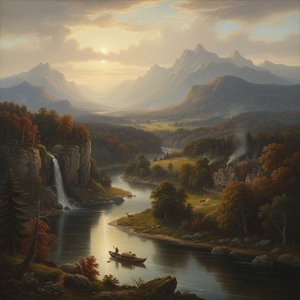
Capturing the American Spirit: A Journey Through Iconic Landscapes and the Legacy of the Hudson River School
Explore the profound beauty of American art history. From the Hudson River School to iconic landscapes, discover a curated journey through the masterpieces that defined a nation's spirit and the enduring legacy of American Romanticism.
A Hudson River Iskola 10 Mesterműve: Tájképfestészet és Amerika Lelke – OriginalUniqueArt
Fedezze fel a Hudson River Iskola 10 legikonikusabb műalkotását! Frederic Church, Thomas Cole és más amerikai festők romantikus tájképei. Vászonkép másolatok, faliképek otthonába – OriginalUniqueArt.com kínálatából. Explore the full collection online!

Az amerikai realizmus 10 ikonikus remekműve – festmények otthonra a OriginalUniqueArt kínálatából
Fedezze fel az amerikai realizmus 10 legikonikusabb remekművét! Ismerje meg Andrew Wyeth, Edward Hopper és más festők történetét. Múzeumi minőségű reprodukciók otthonra a OriginalUniqueArt kínálatából – inspiráló faliképek és dekorációk online.
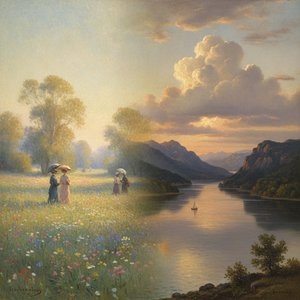
Capturing the Light: A Journey Through the Soul of American Impressionism and the Hudson River School
Explore the luminous beauty of American Impressionism and the Hudson River School. Discover a curated journey through light, landscape, and history, celebrating the enduring legacy of masters through exquisite, hand-painted oil reproductions for the discerning art lover.