

 Előnézet
 Megosztás
 Megosztás
 Részletek
 Útmutató

 Letöltés
 Hasonló darabok
 X-ray felvétel
 Diavetítés
 Statisztika
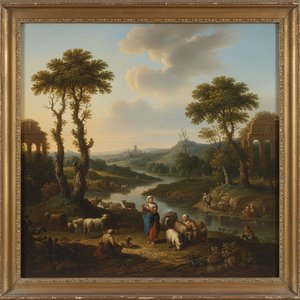
Roman Ruins
 Oil
Oil- WallArt
- Dutch Golden Age
 1620
1620- Early Modern
 23.0 x 31.0 cm
 Tovább olvasom
Giclée / Műnyomat
Múzeumi minőségű giclée vagy vászonnyomat, gyors gyártással és rugalmas finomítási lehetőségekkel. ( Kézzel festett másolat vásárlása Áttérés digitális képre)




P118B Ft10

P118H Ft10

P118W Ft10

P438Z Ft10

P508JH Ft12

P508YH Ft12

P805H Ft10

P805Z Ft10

P919BZ Ft10

P919G Ft10

P919XJ Ft10

P959ZH Ft10

P968JZ Ft12

W106C Ft8

W218G Ft10

W218JH Ft8

W218Y Ft10

W307PJ Ft10

W316G Ft10

W316PJ Ft8

W316Y Ft10

W398PJ Ft8

W4111J Ft10

W500HY Ft15

W500JH Ft15

W692G Ft12

W849H Ft8

W940BG Ft15

W953PJ Ft8




Válasszon előre meghatározott méreteink közül, amelyek megfelelnek a műalkotás eredeti arányainak.

Írja be a keretének vagy a falának megfelelő szélességet és magasságot. A nyomatot csak le lehet vágni, soha nem tehető nagyobbá, mint az eredeti kép, így egy eltérő alakú méretnél a kép egy része elveszik. Mielőtt bármit kinyatintanánk, küldünk egy digitális próbamodellt jóváhagyásra. Az oldalon látható kép nem tartalmazza a valós levágást — ezt csak a próbamodell mutatja meg.
Világszerte történő kiszállítás területére mindössze 2 hét alatt, a szokásos 4-5 hét helyett. (24 október)

Ingyenes globális expressz szállítás

Prémium minőségű len vászon

Teljes körű szállítási biztosítás

Vámvisszatérítési Garancia

Tökéletes színarányosság garancia

100 napos visszaküldési garancia (csak gyártási hibás termékek esetén)

100% pénzvisszatérítési garancia

Több darab vásárlásakor kedvezmény
 Az üvegkeretes opció csak 110 cm alatti méretben érhető el

Roman Ruins
Giclée / Műnyomat
Reprodukció méretei
-


Összesített ár
Ft 25605
A Window into Antiquity: The Timeless Allure of Roman Ruins
In the delicate, circular embrace of this exquisite tondo, Cornelis van Poelenburgh invites us to step through a portal into a bygone era. Painted around 1620, Roman Ruins is far more than a mere depiction of architectural decay; it is a profound meditation on the passage of time and the enduring relationship between humanity and the remnants of greatness. The composition, framed by its characteristic round format, focuses our gaze upon a landscape where the grandeur of the Roman Empire has softened into a pastoral sanctuary. Within this intimate space, the heavy stone arches and crumbling pillars serve as silent witnesses to history, now providing a backdrop for the quiet, rhythmic pulse of rural life.
The scene unfolds with a masterful use of light and shadow, reminiscent of the Dutch Golden Age's obsession with atmospheric truth. As we gaze upon the foreground, we encounter a world in gentle motion: a shepherd tending his flock, a laborer with his oxen, and figures caught in quiet contemplation. These small-scale inhabitants of the landscape bring a sense of warmth and vitality to the otherwise somber ruins. The artist employs a subtle, earthy palette—rich ochres, muted greens, and soft umbers—to weave a tapestry of textures that feels both tactile and ethereal. The hazy, overcast sky suggests the fleeting light of dawn or dusk, casting a melancholic yet peaceful glow over the entire vista, evoking a sense of nostalgia for a lost civilization.
The Mastery of the Italianate Style
Cornelis van Poelenburgh was a pivotal figure in the first generation of Dutch landscape painters who found profound inspiration in Italy. His travels to Rome allowed him to infuse his Northern training with the classical elegance of the Mediterranean. In Roman Ruins, we see this synthesis perfected. The technique is characterized by an incredible attention to detail; every crack in the ancient masonry and every distant bird in flight is rendered with a precision that draws the viewer deeper into the frame. This meticulousness does not feel clinical, however, but rather serves to enhance the three-dimensional depth of the scene, making the archway feel like a real threshold through which one might walk.
For the discerning collector or interior designer, this piece offers a unique emotional resonance. It possesses a "Caravaggesque" drama tempered by a serene, pastoral tranquility. The symbolism of the ruins—representing the inevitable cycle of rise and fall—is balanced by the resilience of the natural world and the simplicity of the human spirit. Such a work is an ideal centerpiece for a sophisticated interior, providing a conversational focal point that inspires reflection. Whether placed in a sunlit study or a grand gallery, this reproduction captures a moment of eternal stillness, offering any space it inhabits a touch of historical majesty and poetic grace.
Gyakran Ismételt Kérdések
Ki készítette a(t) "Roman Ruins"-t, és melyik évben?
A "Roman Ruins" alkotását Cornelis Van Poelenburch készítette 1620 évben.
Mit ábrázol a „Roman Ruins”, Cornelis Van Poelenburch alkotása?
A „Roman Ruins”, Cornelis Van Poelenburch alkotása alkotás témái közé tartozik a figures, sheep, cow, archway, ruins, trees, birds, earth tones. Ezek együtt foglalják össze a mű tárgyát.
Mennyire intenzívek a "Roman Ruins" színei?
A „Roman Ruins”, Cornelis Van Poelenburch alkotása színei Muted telítettséget és Balanced intenzitást mutatnak be.
A művész életrajza
korai élet és képzés
Cornelis van Poelenburgh, a holland tájfestészet egyik meghatározó alakja, 1594-ben született Utrechtben, Hollandia területén. Művészete alapjait a kor egyik neves mestere, Abraham Bloemaert alatt szaggatta, amely alapvető fontosságú volt a későbbi sikerek felépítésében.művészeti karrier és hatások
A 17. század elején megtett római utazás alapjaiban változtatta meg alkotói stílusát, ő pedig a Włochiában aktív első generációs holland tájfestők meghatározó képviselőjévé vált. Apró méretű festményei, amelyek gyakran ábrázolnak olasz stílusú tájakat bibliai vagy mitológiai jelenetekkel tarkított apró alakokkal, egyedülálló és lenyűgöző világot kínálnak a nézőnek. kiemelt művek:- Satyrs spying on nymphs (1627 után), amely a Poelenburgh-stílus klasszikus példája, ahol archaikus tájak keretében fürdő alakokat láthatunk. (megtekintés az OriginalUniqueArt oldalon)
- Council of the gods (kb. 1630), egy festmény, amely Poelenburgh ideálisizált dombos táját és római ihletésű istennőit mutatja be, melyet ma a Mauritshuis (Den Haag, Hollandia) gyűjteménye őrz. (megtekintés az OriginalUniqueArt oldalon)
örökség és későbbi évek
Poelenburgh munkássága hatalmas elismerésben részesült kortársai körében, köztük Toscana nagyhercege és a holland stadholder is. Élete utolsó évét Utrechtben töltötte, s 1667-ben távozott incorjá, mindössze néhány évvel régi mestere, Abraham Bloemaert halála után. főbb megállapítások:- született Utrechtben, Hollandiában, 1594-ben
- Abraham Bloemaert tanítványa volt
- római tartózkodása mély nyomot hagyott művészetében
- apró méretű, olasz stílusú, figurális tájfestészetéről ismert
- 1667-ben Utrechtben hunyt el tekintse meg Cornelis van Poelenburgh műveit az OriginalUniqueArt oldalon tudjon meg többet Cornelis van Poelenburghról a Wikipédián

Cornelis Van Poelenburch
1594 - 1667 , Hollandia
Gyors információk
- Artistic Movement Or Style: Holland tájfestészet, Romanista
- Artists Or Movements Influenced By This Artist: ['Claude Lorrain']
- Artists Who Influenced This Artist: ['Abraham Bloemaert']
- Date Of Birth: 1594, Utrecht, Hollandia
- Date Of Death: 1667, Utrecht, Hollandia
- Full Name: Cornelis van Poelenburgh
- Nationality: Holland
- Notable Artworks:
- Satyrosok kémelve a nymfákon
- A istenek tanácsa
- Place Of Birth: Utrecht, Hollandia
Kapcsolódó cikkek

Golden Light & Dutch Skies: The Timeless Magic of Dutch Golden Age Landscapes
Discover the breathtaking beauty of Dutch Golden Age landscapes. Explore the mastery of light, chiaroscuro, and 17th-century realism through an expert art history lens, celebrating the enduring legacy of the Dutch Masters for discerning collectors and art lovers.

Golden Age Reflections: Dutch Baroque Painting & Cultural Innovation
Explore the Dutch Golden Age of painting! Discover key artists like Vermeer & ter Borch, their innovative techniques, and the rich cultural context behind these Baroque masterpieces. Learn about collecting & appreciating this iconic art period.

Mastering Light & Shadow: A Journey Through the Dutch Golden Age's Luminous Legacy
Embark on a cultural journey through the Dutch Golden Age. Explore the masterful interplay of light and shadow in 17th-century masterpieces, from Rembrandt to Vermeer, and discover how this era of profound realism continues to inspire fine art collectors today.

A Hollandi Aranykor 10 Mesterműve: Festmények, Amelyek Megváltoztatták a Világot | OriginalUniqueArt.com
Fedezze fel a Hollandi Aranykor 10 legikonikusabb műalkotását! Rembrandt, Vermeer és más mesterek festményeinek történeteit olvassa el. Barokk stílus, klasszikus művészet – inspirálódjon otthon dekorációjához a OriginalUniqueArt.com-on! Fedezze fel a teljes gyűjteményt online.
Nicolaes Berchem: Dutch Golden Age Pastoralism & the Evolution of Landscape Painting
Explore the captivating world of Nicolaes Berchem, a leading Dutch Golden Age painter. Discover his idyllic landscapes, masterful technique & lasting influence on art history. Learn more at OriginalUniqueArt.