Váltás nyomtatványra
 Összes részlet megjelenítése







































 A bármely oldalsó méretét túlszálaló 105 cm (kb. 41 hüvelyk) meghaladó műalkotások vagy reprodukciók esetében a keret összeszerelhető készletként, szétszerelve kerül szállításra. Ez a módszer biztosítja a biztonságos szállítást, és megakadályozza a szállítás során fellépő sérüléseket.


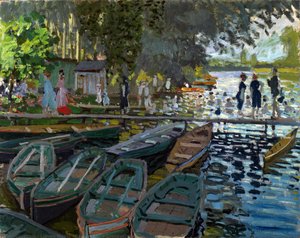
Captivating Subject and Tranquil Atmosphere
This exquisite landscape captures a serene sunset over a peaceful waterway, likely a river or a quiet harbor. The scene invites viewers into a moment of calm and reflection, where the fleeting beauty of dusk is vividly brought to life. Boats gently rest along the water’s edge, their silhouettes softly blending into the tranquil environment, while distant structures hint at a quiet riverside community. The composition’s focus on the sky and its mirror-like reflection on the water creates a harmonious balance, evoking a sense of stillness and ephemeral beauty that resonates deeply with viewers.Impressionist Style and Artistic Technique
Executed in the impressionistic style, this artwork emphasizes mood and atmosphere over fine detail. The artist employs loose, expressive brushwork, capturing the transient effects of light and color with spontaneity and fluidity. The palette is dominated by cool lavenders, blues, and greens, contrasted with warm accents of orange, pink, and gold—colors that evoke the glow of sunset. The textured brushstrokes suggest movement in the clouds and water, immersing viewers in the natural rhythm of the scene. This technique not only enhances the visual appeal but also invites viewers to experience the fleeting moment as if they were present.Historical Context and Artistic Significance
Created in 1874, this painting belongs to a pivotal period in art history when Impressionism was emerging as a revolutionary movement. Artists like Monet sought to capture the immediacy of natural light and atmosphere, breaking away from traditional, detailed realism. This work exemplifies the Impressionist focus on capturing a moment in time, emphasizing perception and the sensory experience of nature. Its delicate handling of color and light reflects the innovative spirit of the era, making it a valuable piece for collectors and enthusiasts interested in the evolution of modern art.Symbolism and Emotional Depth
Beyond its visual beauty, the painting embodies themes of transience, peace, and the passage of time. The ephemeral quality of sunset light symbolizes fleeting moments of beauty and the transient nature of life itself. The soft, diffuse lighting evokes feelings of calmness and introspection, encouraging viewers to pause and appreciate the quiet, fleeting moments that define our existence. This emotional resonance makes the artwork not just a decorative piece but a poetic reflection on the impermanence of nature and life.Perfect for Inspiration and Interior Elegance
This high-quality reproduction is an ideal addition to any art collection, inspiring creativity and serenity in both personal and professional spaces. Its timeless appeal complements a variety of interior styles, from classic to contemporary, bringing a touch of natural beauty and contemplative mood to living rooms, offices, or galleries. Whether displayed as a centerpiece or a subtle accent, this artwork invites viewers to experience the tranquil magic of a sunset, making it a meaningful and inspiring investment for art lovers and interior designers alike.Kérdések és válaszok
„Sunset on the Siene”, Claude Monet alkotása színei tel愈tek vagy fakók?
A „Sunset on the Siene”, Claude Monet alkotása színei Muted telítettségűek. A telítettség azt mutatja meg, hogy a színek mennyire élénkek vagy fakók.
A „Sunset on the Siene”, Claude Monet alkotása portré, tájékép vagy négyzet alakú kompozíció?
A "Sunset on the Siene" formátuma Landscape. Ez hasznos, amikor tervezünk, hogy a reprodukciót hová helyezzük el.
Kinek ajánlott ajándékként a "Sunset on the Siene", és milyen célra alkalmas?
A „Sunset on the Siene”, Claude Monet alkotása ajándékajánlata ötvözi a Anniversary lehetőséget a Mood céljával.
Több információ erről a festményről
 Megtekintés
 Küldés
 Megosztás
 Részletek
 Útmutató

 Letöltés
 Hasonló darabok
 X-ray felvétel
 Diavetítés
 Kérdések és válaszok
 Statisztika