 Előnézet
 Megosztás
 Megosztás
 Részletek
 Útmutató

 Letöltés
 Hasonló darabok
 X-ray felvétel
 Diavetítés
 Statisztika
A japán híd


 Tovább olvasom
Giclée / Műnyomat
Múzeumi minőségű giclée vagy vászonnyomat, gyors gyártással és rugalmas finomítási lehetőségekkel. ( Kézzel festett másolat vásárlása Áttérés digitális képre)




P118B Ft10

P118H Ft10

P118W Ft10

P438Z Ft10

P508JH Ft12

P508YH Ft12

P805H Ft10

P805Z Ft10

P919BZ Ft10

P919G Ft10

P919XJ Ft10

P959ZH Ft10

P968JZ Ft12

W106C Ft8

W218G Ft10

W218JH Ft8

W218Y Ft10

W307PJ Ft10

W316G Ft10

W316PJ Ft8

W316Y Ft10

W398PJ Ft8

W4111J Ft10

W500HY Ft15

W500JH Ft15

W692G Ft12

W849H Ft8

W940BG Ft15

W953PJ Ft8




Válasszon előre meghatározott méreteink közül, amelyek megfelelnek a műalkotás eredeti arányainak.

Írja be a keretének vagy a falának megfelelő szélességet és magasságot. A nyomatot csak le lehet vágni, soha nem tehető nagyobbá, mint az eredeti kép, így egy eltérő alakú méretnél a kép egy része elveszik. Mielőtt bármit kinyatintanánk, küldünk egy digitális próbamodellt jóváhagyásra. Az oldalon látható kép nem tartalmazza a valós levágást — ezt csak a próbamodell mutatja meg.
Világszerte történő kiszállítás területére mindössze 2 hét alatt, a szokásos 4-5 hét helyett. (24 október)

Ingyenes globális expressz szállítás

Prémium minőségű len vászon

Teljes körű szállítási biztosítás

Vámvisszatérítési Garancia

Tökéletes színarányosság garancia

100 napos visszaküldési garancia (csak gyártási hibás termékek esetén)

100% pénzvisszatérítési garancia

Több darab vásárlásakor kedvezmény
 Az üvegkeretes opció csak 110 cm alatti méretben érhető el

A japán híd
Giclée / Műnyomat
Reprodukció méretei
-


Összesített ár
Ft 25605
A Giverny Elegance: Claude Monet’s *The Japanese Footbridge* – A Journey Through Light and Reflection
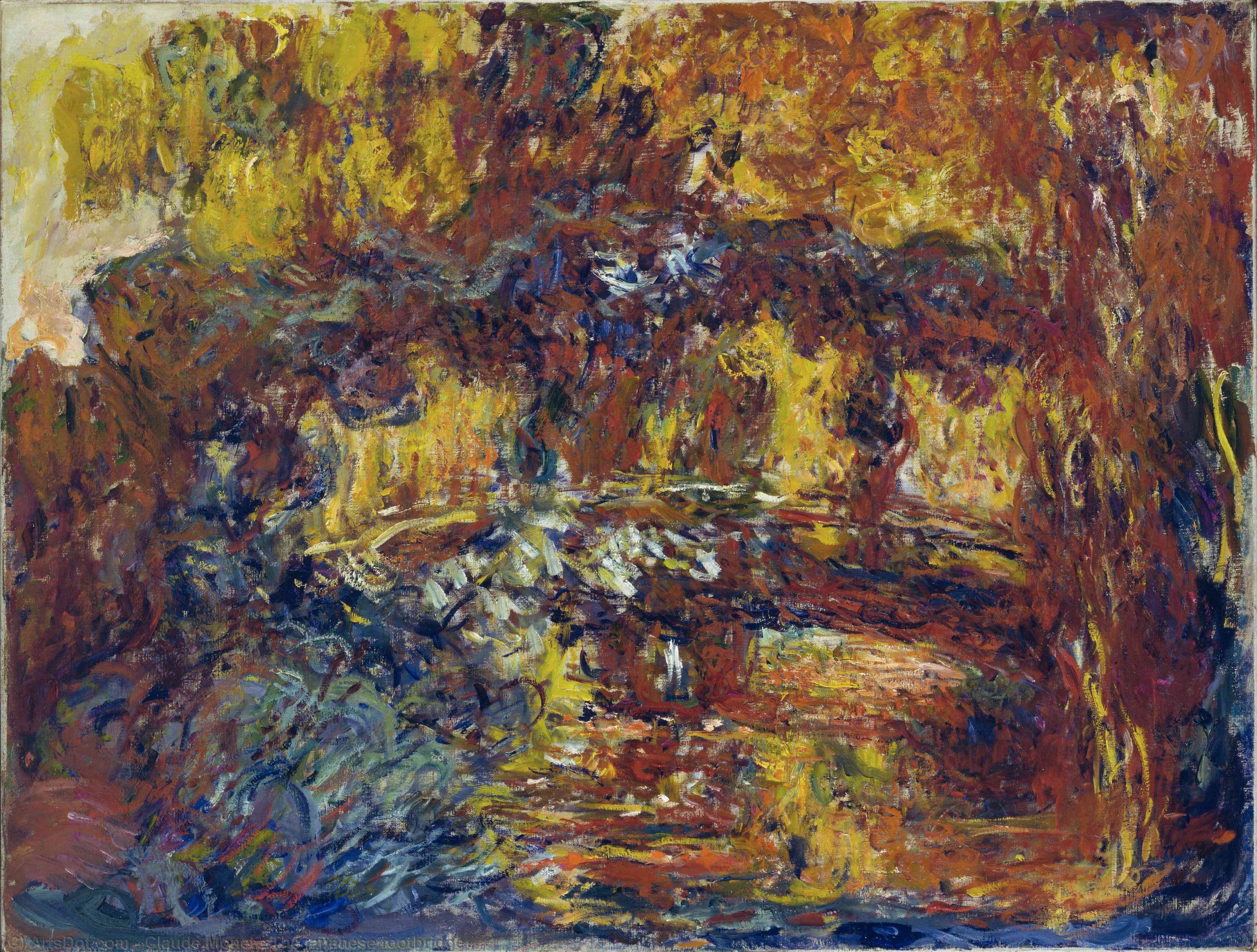
Claude Monet, a name synonymous with the Impressionist movement, possessed an extraordinary ability to capture not just what he saw, but how he *felt* about the world around him. His paintings weren't mere representations of landscapes; they were intimate glimpses into moments of light, color, and emotion – experiences meticulously rendered on canvas. Among his most beloved works, *The Japanese Footbridge*, painted in 1899 at his idyllic home and garden in Giverny, France, stands as a testament to this profound connection between artist and subject. More than just a picturesque scene of a gracefully arched wooden bridge, it’s an invitation into Monet's world – a place where the boundaries between East and West, reality and dream, blur with exquisite beauty.- A Bridge Between Worlds: Inspiration from Japan
- The Dance of Light: Impressionist Technique
- Symbolism in Serenity: Meaning Beyond the Surface
- Bringing Monet Home: A Reproduction’s Legacy
A Bridge Between Worlds: Inspiration from Japan
Monet's fascination with Japanese art and culture began decades earlier, fueled by his travels to Japan during the 1870s. These journeys weren’t simply sightseeing trips; they were transformative experiences that fundamentally altered his artistic vision. He was captivated not only by the exquisite detail of Japanese woodblock prints – their bold lines, vibrant colors, and masterful depictions of nature – but also by a deeper aesthetic philosophy: an emphasis on capturing fleeting moments, the ephemeral quality of light, and the subtle nuances of the natural world. This influence is strikingly evident in *The Japanese Footbridge*. The composition itself—a deliberately simplified, almost dreamlike depiction of a natural setting—mirrors the principles found in Japanese landscape painting (suiryoku), where the focus is on evoking a mood or atmosphere rather than providing a precise topographical representation. Furthermore, the placement of the bridge, seemingly floating within the lush foliage, echoes the Japanese concept of “borrowed scenery” – *yūgao* – incorporating elements from the surrounding environment into the artwork to create a sense of harmony and depth. The choice of a Japanese footbridge as the subject speaks volumes about Monet’s desire to synthesize Western and Eastern artistic traditions, reflecting his own cosmopolitan sensibility and his longing for a world where beauty and tranquility could be found in unexpected places.The Dance of Light: Impressionist Technique
Monet's mastery of Impressionist technique is on full display in *The Japanese Footbridge*. He employed loose, broken brushstrokes—a hallmark of the movement—to create a shimmering effect, as if capturing the very essence of light itself. These weren’t blended smoothly; instead, they were juxtaposed side-by-side, allowing the viewer's eye to mix them optically and creating an illusion of constant movement and change. Notice how he uses vibrant oranges and reds in the bridge's wooden structure, contrasted against the cooler greens and blues of the surrounding foliage – a deliberate choice designed to heighten their impact and create a sense of visual excitement. The painting is bathed in the warm glow of the setting sun, with dappled light filtering through the trees, adding depth and dimension to the scene. Monet wasn’t interested in precise representation; he sought to convey his *impression* of the moment – the feeling of warmth, serenity, and a profound connection with nature. This pursuit of capturing fleeting moments is what truly defines the Impressionist movement, and *The Japanese Footbridge* serves as an exquisite example of this artistic philosophy.Symbolism in Serenity: Meaning Beyond the Surface
Beyond its purely aesthetic qualities, *The Japanese Footbridge* carries a profound symbolic weight. The bridge itself represents a transition – a passage between worlds, or perhaps a metaphor for life’s journey. Its delicate construction suggests fragility and beauty, while the surrounding lush vegetation symbolizes abundance and vitality. The painting evokes a sense of peacefulness and contemplation, inviting the viewer to step into Monet's world and experience the restorative power of nature. It’s not merely a depiction of a physical space but a carefully constructed emotional landscape – a testament to Monet’s ability to translate his personal feelings and experiences onto canvas. The inclusion of the Japanese bridge can also be interpreted as a symbol of harmony, bridging the gap between different cultures and artistic traditions. The overall effect is one of quiet contemplation, suggesting a moment of respite from the complexities of life.Bringing Monet Home: A Reproduction’s Legacy
OriginalUniqueArt offers exquisite, hand-painted reproductions of *The Japanese Footbridge*, meticulously crafted by our team of skilled artists who share a deep appreciation for Monet's legacy. Each reproduction captures the painting’s luminosity and atmospheric depth with remarkable accuracy, using traditional oil painting techniques and archival-quality materials. Owning an OriginalUniqueArt reproduction isn’t just acquiring a beautiful artwork; it’s gaining a tangible connection to one of the most influential artists in modern history – a piece that will bring serenity and inspiration into your home for generations to come. Explore our collection today and experience the magic of Monet's Giverny.Gyakran Ismételt Kérdések
Hol tudom letölteni a(t) „A japán híd”, Claude Monet alkotása?
Letölthető változat elérhető a "A japán híd" alkotás esetében: a mű Letöltés oldala magas felbontású digitális kép letöltés lehetőséget kínál.
A "A japán híd" egy híres Impressionist Landscape művészeti alkotás?
A Impressionist Landscape irányzaton belül a "A japán híd" alkotásnak Ikonikus népszerűségi szintje van.
Teljes képernyős diaporámaként is megtekinthető a "A japán híd"?
A "A japán híd" diaporámája megtekinthető a mű Diaváltás oldalán.
A művész életrajza
Egy élet a fényben: Claude Monet világa
Oscar-Claude Monet, az impresszionizmus szinonimája, nem csupán tájképeket festett; egy múló pillanat krónikása volt, a fény és a szín költője. 1840. november 14-én Párizsban született, élete váratlan fordulatot vett, amikor öt éves korában családja Le Havre-ba, Normandiába költözött. Bár apja kereskedelmi pályát szánt neki, Claude természetes művészi tehetsége hamar felszínre került, először helyi üzletek számára készített szénrajzokban mutatkozott meg – ez a képessége és vállalkozó szelleme egyaránt bizonyította. Azonban Eugène Boudinnel való találkozása bizonyult sorsfordító pillanatnak. Boudin nem csupán tanította Monet-t *hogyan* kell festeni; belé nevelte a forradalmas gondolatot, hogy közvetlenül a természetből, plein air – szabadban – kell festeni, egy olyan gyakorlatot, amely az egész művészi pályáját meghatározta.
Monet formális képzése Párizsban kezdődött, röviden az Académie Suisse-ben, majd Charles Gleyre műtermében. Itt tartós barátságokat kötött Auguste Renoirral és más festőkkel is, egy olyan kötelék, amelyet közös művészi frusztrációk és a hagyományos akadémiai festészet korlátainak leküzdésének vágya épített fel. Korai munkái ugyan bizonyították technikai hozzáértését, de még nem rendelkeztek azzal a jellegzetes hangvétellel, amely hamarosan stílusát jellemezte majd. Ezt követően egy viharos időszak következett – a porosz–francia háború kényszerítette Monet-t Londonba menekülni, ahol elmerült angol tájképfestők, például J.M.W. Turner műveiben, átvéve azok atmoszférikus hatásait és innovatív színhasználatát.
Egy esztétikai forradalom születése
Franciaországba való visszatérése után Monet egy virágzó művészeti lázadás központi alakjává vált. Elégedetlen a Salon konzervatív szabványaival, csatlakozott más hasonló gondolkodású művészekhez független kiállítások szervezésében. Az 1874-es kiállítás mérföldkőnek bizonyult, nemcsak Monet számára, hanem az egész művészeti világ számára. Itt mutatták be “Impression, soleil levant” (Napkelte) című festményét – a Le Havre kikötőjének ködös ábrázolását hajnalban –, amelyből eredt a gúnyos “impresszionizmus” kifejezés. Azonban a név megmaradt, és egy olyan mozgalom jelvényévé vált, amely a jelenet szubjektív *benyomását* kereste, nem pedig annak pontos ábrázolását.
Monet jellegzetes stílusa ebben az időszakban virágzott: laza, jól látható ecsetvonások, élénk és gyakran keveretlen színek egymás mellé helyezése (a “tört szín” technikája), és a fény ephemerális tulajdonságainak rögzítésére tett szüntelen kísérletek. Kitartóan gyakorolta a plein air festészetet, gyorsan dolgozva, hogy rögzítse közvetlen benyomásait, mielőtt a változó körülmények megváltoztatnák a látványt. Ez az elkötelezettség nem csupán arról szólt, hogy ábrázolja, amit *látott*, hanem arról, hogyan *érezte* magát válaszul rá – egy radikális eltérés a művészeti konvencióktól.
Giverny: A fény és a tükröződés paradicsoma
1883-ban Monet letelepedett Givernyben, Párizstől északnyugatra, létrehozva egy otthont és kertet, amely egyaránt szentélye és legnagyobb inspirációforrása lett. Gondosan alakította át a területet egy bonyolult paradicsommá, egzotikus virágokkal, gyászfűzfákkal és leghíresebb – egy japán híd által ívelő vízililiom-tóval. Ez nem csupán díszkert volt; egy élő laboratórium, ahol Monet ellenőrzött körülmények között tanulmányozhatta a fény hatását a vízre, a lombozatra és a tükröződésekre.
Élete utolsó évtizedeit szinte kizárólag Givernyben található vízililiom-tó festésének szentelte. Elindította a monumentális Vízililiomok (Nymphéas) sorozatot, hatalmas vásznakat létrehozva, amelyek a tó felületét ábrázolták egy folyamatosan változó szín és fény szöveteként. Ezek nem csupán virágfestmények voltak; magával ragadó élmények, amelyeket úgy terveztek, hogy elmerítsék a nézőt a nyugodt szépség és az elmélkedő állapothoz vezető világban. A munkák mérete lélegzetelállító, túlmutatva a hagyományos festészet határain és előrevetítve az absztrakt expresszionizmust.
Öröksége: Tartós hatás a művészettörténetre
Claude Monet hatása a művészettörténetre felmérhetetlen. Ő nemcsak az impresszionizmus alapítója volt; gyökeresen megváltoztatta azt a módot, ahogyan az művészek érzékelték és ábrázolták a körülöttük lévő világot. A szubjektív élmény hangsúlyozása, a plein air festészet ölelése és innovatív technikái utat nyitottak a modern művészet absztrakció és nem-reprezentatív formák felfedezéséhez.
Monet jelentős kereskedelmi sikert ért el élete során – ami ritkaság volt az avantgárd művészek számára ebben az időszakban. Munkái továbbra is ámulatot keltenek és világszerte lenyűgözik a közönséget, megerősítve helyét a nyugati művészet egyik legfontosabb alakjaként. 1926. december 5-én halt meg, öröksége pedig átível az alkotók generációin keresztül és a művészet szerelmeseinek szívében él tovább. Mesterei gyűjteményeinek jelentős része található a párizsi Musée d'Orsay és a Musée Marmottan Monet falai között, biztosítva, hogy látása továbbra is megvilágítsa a világot.
Kulcsfontosságú művészeti technikák
- Plein Air festészet: Központi szerepet játszott fejlődésében, lehetővé téve a fény és az atmoszféra közvetlen megfigyelését.
- Tört szín: Kis mennyiségű tiszta színek egymás mellé helyezése optikai keveredés céljából.
- Sorozatfestészet: Ugyanazon tárgy ábrázolása különböző fényviszonyok és időjárási körülmények között – a fény erejének átalakító képességének bemutatása.
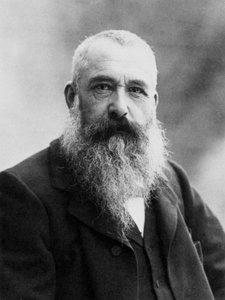
Claude Monet
1840 - 1926 , Franciaország
Gyors információk
- Artistic Movement Or Style: impresszionizmus
- Artists Or Movements Influenced By This Artist: ['Modern művészet']
- Artists Who Influenced This Artist:
- Eugène Boudin
- J.M.W. Turner
- Date Of Birth: 1840. november 14.
- Date Of Death: 1926. december 5.
- Full Name: Oscar-Claude Monet
- Nationality: francia
- Notable Artworks:
- Impression, soleil levant
- Vízililiomok
- Szénakazlak
- Place Of Birth (City And Country): Párizs, Franciaország
Kapcsolódó cikkek
A Musée d'Orsay 25 Mesterműve: Impresszionizmus és Posztimpresszionizmus a Te Otthonodban
Fedezze fel a Musée d'Orsay 25 legikonikusabb műalkotását! Monet, Renoir, Van Gogh és más impresszionista mesterek festményeinek története. Inspirálódjon otthoni dekorációjához – magas minőségű reprodukciók a OriginalUniqueArt.com-on!
Claude Monet 25 Mesterműve: A Fény és a Szín Zsenialitása – OriginalUniqueArt.com
Fedezze fel Claude Monet 25 legikonikusabb mesterművét! Ismerje meg az impresszionizmus zseniális festőjének történetét, a fény és szín varázsát. Vásároljon exkluzív reprodukciókat otthona dekorációjához a OriginalUniqueArt.com-on!

A benyomásosok mesterművei: 10 ikonikus festmény a művészetben és otthonában
Fedezze fel a 10 legikonikusabb impresszionista festményt! Monet, Renoir és más mesterek művészete életre kel OriginalUniqueArt.com-on. Vászonképek, faliképek – inspirálja otthonát a benyomásosok színeivel és hangulatával! Explore the full collection online.

A 10 legikonikus impresszionista tájkép: művészeti remekművek otthonába | OriginalUniqueArt.com
Fedezze fel a 10 legikonikus impresszionista tájkép festményt! Monet, Renoir, Degas és más művészek remekművei. Vászonképek, faliképek otthonába – inspirálódjon OriginalUniqueArt.com-on! Explore the full collection online.

A 10 legikonikus impresszionista tájkép: Művészeti remekművek otthonába – OriginalUniqueArt.com
Fedezze fel a 10 legikonikus impresszionista tájkép festményt! Monet, Renoir és más mesterek alkotásainak története. Olajfestmények, vászonképek otthonába – OriginalUniqueArt.com kínálatából. Explore the full collection online!