Megtekintés
 Küldés
 Megosztás
 Részletek
 Útmutató

 Letöltés
 Hasonló darabok
 X-ray felvétel
 Diavetítés
 Kérdések és válaszok
 Statisztika
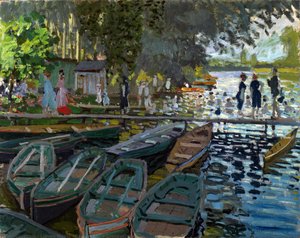
A Giverny kertje


 Összes részlet megjelenítése
Giclée / Műnyomat
Múzeumi minőségű giclée vagy vászonnyomat, gyors gyártással és rugalmas finomítási lehetőségekkel. ( Kézzel festett másolat rendelése Áttérés digitális képre)




P118B Ft10

P118H Ft10

P118W Ft10

P438Z Ft10

P508JH Ft12

P508YH Ft12

P805H Ft10

P805Z Ft10

P919BZ Ft10

P919G Ft10

P919XJ Ft10

P959ZH Ft10

P968JZ Ft12

W106C Ft8

W218G Ft10

W218JH Ft8

W218Y Ft10

W307PJ Ft10

W316G Ft10

W316PJ Ft8

W316Y Ft10

W398PJ Ft8

W4111J Ft10

W500HY Ft15

W500JH Ft15

W692G Ft12

W849H Ft8

W940BG Ft15

W953PJ Ft8




Válasszon előre meghatározott méreteink közül, amelyek megfelelnek a műalkotás eredeti arányainak.

Írja be a keretének vagy a falának megfelelő szélességet és magasságot. A nyomatot csak le lehet vágni, soha nem tehető nagyobbá, mint az eredeti kép, így egy eltérő alakú méretnél a kép egy része elveszik. Mielőtt bármit kinyatintanánk, küldünk egy digitális próbamodellt jóváhagyásra. Az oldalon látható kép nem tartalmazza a valós levágást — ezt csak a próbamodell mutatja meg.
Világszerte történő kiszállítás területére mindössze 2 hét alatt, a szokásos 4-5 hét helyett. (9 november)

Ingyenes globális expressz szállítás

Prémium minőségű len vászon

Teljes körű szállítási biztosítás

Vámvisszatérítési Garancia

Hiteles színarányosság garancia

100 napos visszaküldési lehetőség (csak hibás termékek esetén)

100% pénzvisszatérítési garancia

Több darab vásárlásakor kedvezmény
 Az üvegkeretes opció csak 110 cm alatti méretben érhető el

A Giverny kertje
Giclée / Műnyomat
Reprodukció mérete
-


Összesített ár
Ft 26397
A Life Immersed in Light: The World of Claude Monet
Claude Monet, a name synonymous with Impressionism, wasn't merely a painter of landscapes; he was a chronicler of fleeting moments, a poet of light and color. Born in Paris on November 14, 1840, his early life took an unexpected turn when his family relocated to Le Havre, Normandy, at the age of five. While initially destined for a commercial career by his father, Claude-Adolphe Monet, young Claude’s innate artistic talent quickly surfaced, manifesting first in charcoal caricatures sold locally – a testament to both his skill and entrepreneurial spirit. However, it was his encounter with Eugène Boudin that proved pivotal. Boudin didn't just teach Monet *how* to paint; he instilled within him the revolutionary idea of painting en plein air—directly from nature—a practice that would define his entire artistic journey.The Essence of Impressionism
Monet's approach to painting was fundamentally driven by his belief that art should reflect how we perceive the world around us—not as it appears objectively, but as filtered through our senses. Unlike traditional artists who meticulously rendered details with painstaking accuracy, Monet prioritized capturing the interplay of light and color, prioritizing atmosphere over precise form. This philosophy is brilliantly exemplified in “The Garden at Giverny,” where he abandons sharp outlines and detailed shading to instead immerse the viewer in a vibrant tapestry of hues that shift subtly throughout the day. He recognized that light shapes our perception of color and form, transforming landscapes into shimmering visions of beauty. This was a radical departure from academic conventions that sought to capture fleeting moments of beauty rather than precise representations.Composition and Technique
The painting presents a captivating scene featuring three figures standing before a magnificent sunset, bathed in the warm glow of its fading light. These individuals are positioned strategically against a backdrop of Monet’s meticulously cultivated garden—a space he transformed into an experimental laboratory for artistic exploration. Monet's innovative technique involved applying paint in loose, broken brushstrokes—a hallmark of Impressionism—allowing colors to blend and merge organically on the canvas surface. This method wasn’t merely stylistic; it was a deliberate effort to convey the dynamism of nature and to capture its ephemeral qualities. The artist skillfully utilized complementary color palettes – reds and greens, oranges and blues – enhancing visual impact and creating depth within the composition. He meticulously studied how light affected the colors of his subjects, striving to reproduce the sensations of seeing rather than simply copying what he observed.Monet's Series Paintings
Claude Monet was renowned for his series paintings—a practice that solidified his reputation as one of the foremost artists of his time. He would revisit a single subject repeatedly over several months or years, documenting its transformations under varying conditions of light and weather. This systematic approach allowed him to distill the essence of a particular moment in time and to explore the subtle nuances of color and tonal variation. “The Garden at Giverny” is part of Monet’s extensive series on his garden at Giverny—a project that spanned decades and resulted in over 250 canvases, demonstrating his unwavering dedication to capturing the beauty of his surroundings. Other notable series by Monet include Haystacks, Water Lilies, and Rouen Cathedrals, each offering a unique perspective on artistic observation and experimentation.Impressionism's Impact
The Impressionist movement irrevocably altered the course of art history, challenging established conventions and paving the way for subsequent artistic innovations. Monet’s work—including “The Garden at Giverny,” became an emblem of this revolutionary aesthetic, influencing generations of artists who embraced spontaneity and sensory experience as guiding principles. Its legacy continues to inspire contemporary painters and designers alike, reminding us that art can transcend mere representation and communicate profound emotions about the natural world. The Impressionists rejected academic traditions in favor of capturing immediate impressions—the fleeting effects of light and color on a scene—establishing a new visual language that would dominate the artistic landscape for decades to come.Light in Painting
At its core, Impressionism is defined by its masterful manipulation of light—a concept championed by Monet himself. He recognized that light shapes our perception of color and form, transforming landscapes into shimmering visions of beauty. In “The Garden at Giverny,” Monet’s meticulous attention to detail—particularly the way he captures the radiant warmth of the sunset—underscores his profound understanding of this fundamental element in painting. The resulting artwork is a testament to Monet’s genius and an enduring symbol of Impressionist artistic achievement. He believed that capturing the essence of light was paramount, striving to convey not just what he saw but how it *felt*.To explore more of Monet's works and other Impressionist paintings, visit the Musée Marmottan Monet in Paris or browse through the extensive collection at https://OriginalUniqueArt.com. Photo Description: The painting is a colorful artwork featuring three people standing in front of a sunset. The individuals appear to be enjoying the warmth of the setting sun as they stand together. The scene captures the essence of a beautiful day with vibrant colors and a sense of togetherness among the group. The painting is set against a backdrop of a garden, adding an element of nature to the composition. The people in the image are positioned at various angles, creating depth and interest within the scene. Overall, this artwork showcases the beauty of both human connection and the natural world. Size: Unknown Date: 1922
Kérdések és válaszok
Ki készítette a "A Giverny kertje" alkotást, és milyen stílusú?
A „A Giverny kertje” alkotását Claude Monet készítette Impressionism stílusban. A művész és a műveszetség meghatározza a mű hagyományát.
Mely művészeti irány része a „A Giverny kertje”, Claude Monet alkotása?
A „A Giverny kertje”, Claude Monet alkotása művészeti irányata a Impressionism. Ez a klasszifikáció a művet a kapcsolódó alkotók és alkotások közé sorolja.
Mennyire intenzívek a „A Giverny kertje”, Claude Monet alkotása színei?
A „A Giverny kertje”, Claude Monet alkotása Egyensúlyos szín intenzitással rendelkezik.
A művész életrajza
Claude Monet korai évei
A modern észlelés mechanizmusát meg kell érteni ahhoz, hogy felfedezzük Claude Monet életének specifikus, gyakran viharos eredetét. Franciaországban, Párizsban született 1840. november 14-én, Claude-Adolphe Monet és Louise-Justine Aubrée Monet második fijakaként. Világra érkezését a 1841. május 20-i hivatalos keresztelés jelezte a párizsi Notre-Dame-de-Lorette templomban, ahol Oscar-Claude néven regisztrálták. Ez a korai párizsi élet azonban rövid ideig tartott. 1845-re a család átköltözött Le Havre-ba, Normandiába, egy olyan lépés, amely környezetét az urbani központtól a tengerpart sós, ködös atmoszférájáig vezette.
Ifjúságának stabilitását személyes veszteség törte meg. 1857. januárjában, amikor mindössze tizenhat éves volt, édesanyja elhunyt. Ez az esemény megfosztotta őt a támogatás egyik legfontosabb forrásától formálódó évei alatt. Bár az apja eredetileg a kereskedelmi világba szánta fiát, életének irányvonalát már egy más, vizuálisabb megszállottság felé mozdult el. A strukturált párizsi házi életből a normandiai kiszámíthatatlan elemekbe való átköltözés olyan nyers, környezeti adatokat biztosított számára, amelyek később meghatározták teljes megközelítését a fényről és a légkörről.
Művészeti képzés és korai hatások
Claude Monet művészeti alapjai egy sor gyakorlatias, kevésbé fényes tanításokon épültek, amelyek a közvetlen megfigyelést helyezték a akadémikus elmélet elé. Formális oktatása 1851. április 1-jén kezdődött, amikor beindította a Le Havre-i művészeti középiskolát. Mielőtt a rendszeres iskolai környezetbe került volna, Jacques-François Ochard tanította első rajzi feladatokra. Ezek a korai gyakorlatok biztosították azt a podstaw alapvető ügyességet, amely egy professzionális pályához nélkülözhetetlen volt, ám ezek csupán a kezdete voltak a köz mediumhoz való sokkal radikálisabb hozzáállásnak.
A valódi fordulópont Eugène Boudin-nal való találkozása jelentette. Boudin nem csupán az olajfesték kezelését tanította meg; bevezette az en plein air – a szabadban való festés – fogalmát is. A szabadtéri munkavégzésre és az elemekkel való közvetlen szembenállásra való kényszerítés eltávolította a művész mögött a stúdió biztonságát. Amikor Monet 1862-ben Párizsba költözött, és Charles Gleyre tanítványa lett, pályája már az azonnalitás és a perceptívum felé mozdult el. Gleyre műtermében nem egy elszigetelt diákként vett részt, hanem egy különleges festőcsoport tagjaként, társai között Auguste Renoirral és Frédéric Bazille-val. Ezek a kapcsolatok nem csupán társasági találkozások voltak; ezek voltak a kísértőtelen próbatesztnek egy olyan új látásmódhoz, amely elutasította a hagyományos Akadémia sötét, kontrollált környezetét.
Az impresszionizmus lázadása
A 19. század művészeti establishmente az akadémiai Salon merev, sötét korlátozataiyla próbálta fenntartani fenn, ám Claude Monet egy teljesen más utat választott. 1874-ben egy művészcsoport tagjaként szervezett létre egy független kiállítást, amely közvetlen kihívástakozás volt a kor konzervatív szabványaiyla szemben. Ez nem csupán technikai jellegű nézeteltérés volt; alapvető szakítás volt a hagyományokkal. Annak kísérletével, hogy a világot úgy rögzítse, ahogy azt az emberi szem valójában érzékeli, a modernizmus egyik legfontosabb előtérbe helyezett alakjává vált. Elhagyta az akadémiák által követelt polírozott, fotográfiai realizmust, hogy inkább egy jelenet szubjektív érzékelésére összpontosítson.
A mozgalom végül egyetlen műből származó névvel vált ismertté: Impression, Sunrise. Eredetileg az „impresszionizmus” kifejezést a kritikusok gúnyosaként alkották meg, akik elítélték a lazább ecsetvonatokat és a művek véletlen, elforgatott hatású megjelenését. Claude Monet azonban nem harcolt meg a cím ellen; sőt, elnyerte azt, és a fogalmat egy olyan stílus meghatározására használta, amely a múló, átmeneti pillanatra épült. A hagyományos, sötét alapozókat világos színű primerre cserélte, hagyva, hogy a fény irányítsa a kompozíciót a szigorú lineáris perspektíva helyett.
- Impression, Sunrise (1873)
Élet Argenteuilben és Vétheuilben
Az 1871 és 1878 közötti időszak Argenteuilben a fegyelmezett megfigyelés korát jelentette. A Seine folyó mentén való életmódja során Claude Monet a családi élet és a közvetlen környezet részleteire összpontosított. Ezen időszak szülte olyan művek, mint az The Promenade at Argenteuil, Soleil Couchant (1874), amely a naplementék egyedi, megkérdőjelezhetetlen fényét örökítette meg a vászonra. Ebben az időszakban életét felesége, Camille, és fiuk, Jean jelenléte határozta meg, amely olyan stabil hátteret biztosított a fényekkel és a színekkel való kísérleteihez, mielőtt az impresszionizmus mozgalom társadalmi nyomása és kihívásai felerősödtek.
A békés ritmust azonban tragédia törte meg. Camille 1879-es halála után Claude Monet Vétheuil falai közé költözött, ahol 1881-ig maradt. Ez a váltás alapvető fordulatot hozott magával både magánéletében, både művészi pályáján. Feleségének elvesztése egy olyan időszakot követett, amely során drasztikus változások útján alakult át a családi élet hendzselhetetlensége és a tájrendszerhez való viszonyulása is. Később Poissy-ba költözött, ahol 1881-től 1883-ig tartózkodott. Ezek az évek nem csupán átmeneti szakaszok voltak; nélkülözhetetlenek voltak egy olyan művész számára, aki éppen azt a képességet finomította ki, amellyel a szenvedélyes érzékeléseket vászonra képes átültetni.
- The Promenade at Argenteuil, Soleil Couchant (1874)
- Camille Monet On Her Deathbed (1879)
A Giverny szentélye
Claude Monet 1883-as Givernybe való költözése egy alapvető fordulópontot jelentett művészeti pályájában: a természet megfigyeléséből a természet aktív formájában való megalkotására vált. A következő 43 év során az ingatlant egy olyan kontrollált környezetté alakította, amelyet kifejezetten vizuális tanulmányokhoz tervezett. Ez nem csupán egyszerű kertészkedés volt; egy bonyolult tájként tervezett, amelynek központi elemei egy vízililiomozs feltöltése és egy japán stílusú híd voltak. A terep tudatos manipulálásával egy élő laboratóriumot teremtett, ahol a fény és a víz az ő saját szabályai szerint léptek interakcióba. Monet nem csupán a táj nézője volt, hanem annak maga az építésze.
Életének későbbi szakaszának fókuszában ez az akvatikus környezet állt. Életének utolsó 31 évében a vízililiomozs vált elsődleges témájává. A kertet arra használta, hogy dokumentálja, ahogy a fény feloldja a formákat, és ahogy az árnyékok mozgásán keresztül átsugárloznak a víz felszínén. Ez az intenzív megfigyelés rengeteg vászonnal terjesztette ki művészetét, amelyek végrehajtották a hagyományos perspektíva feloldását. Ebből az időszakból származó alkotásai napjainkig is közvetlen tanúbizonyságai maradnak annak a megszállottságnak, amellyel a saját teremtésének efemer, múló tulajdonságai iránt érezett vonzalmát.
- Irises in Monet's Garden (1900)
- The Japanese Bridge (1918)
Technika és művészeti stílus
Claude Monet megközelítése a vászon felé egyfajta lázadás volt a hagyományos műterem sötét, kontrollált környezete ellen. A en plein air – a szabadban való festés – elhagyhatatlanságát választotta, és az easel-t – a festőállványt – közvetlenül a természet kiszámíthatatlan elemeinek közé vitte, hogy megörökítse a fényt pontosan úgy, ahogy az valójában működik. Ez a közvetlenséghez való ragaszkodás egy speciális technikai tudásanyagot igényelt: gyors, látható ecsetvonásokat alkalmazott, valamint a „tört szín” technikáját, amely során a keveretlen pigmenteket egymás mellé helyezte. Ez a módszer a néző szemét arra késztette, hogy maga végezze el a színek smaragtozását, így olyan optikai igazságot teremtve, amelyet egy sima, látan smaragtozott felület soha nem képes elfedni. Elhagyta az Akadémia által kedvelt nehéz, sötét alapozókat, helyett világos színű alapokat választva, amelyek a paletta fényerejét és ragyogását telihezítették.
Kompozíciói gyakran elhagyták a lineáris perspektíva biztonságát. Ehelyett az aszimmetrikus elrendezéseket részesítette előnyben, egy olyan strukturális választással, amely erősen a japán fafestvények síkságos felületei által volt befolyásolva. Ez a váltás művészetét a hagyományos háromdimenziós modellezéstől távolította el, egy közvetlenebb, érzéki élmény irányába tolva a tárgyak megítéléseit. Kevesebb figyelmet szentelt az objektum szilárd formájának, és inkább arra összpontosított, hogyan oldja fel a napsütés és a légkör ezeket a formákat változatos színekbe. Művészete egy tudatos kísérlet volt arra, hogy a fotográfiai hasonlóság helyett a jelenet szubjektív érzékelését és benyomását örökítse meg.
- Impression, Sunrise (1872/1873)
- The Walk. Lady with a Parasol (1875)
- Grainstacks in the Sunlight, Midday (1890)
A monumentális vízililiom-sorozat
Monet életének utolsó évtizedeit egyetlen, megszállott fókusz töltötte el: a Giverny-i otthonában található vízililiom-tó. Ez nem csupán egy véletlenszerű téma volt a palettáján. Körülbelül 250 olajfestményt alkotott ezekről a virágokról, egy olyan hatalmas művészeti folyamat, amely meghatározta későbbi korszakának teljes alkotói életmödét. A sorozat elszállott a hagyományos tájképi kompozícióktól, helyette a víz azonnalos, folyamatosan változó felületére összpontosítva. Ezt a munkát a fizikai állapotának romlása is bonyolította, hiszen sok ezen vászonnál már a szürkecs cataracts (szürkehályog) okozta látásromlás küzdelmében festett. Ez a vizuális korlátozottság valószínűleg ott hagyta nyomát az absztrakcióban és a színre meg a fényre való olyan intenzív hangsúlyozásban, amely a sorozatot jellemzi.
A művek skálája és ismétlődése a kertje specifikus, vergikus minőségeinek dokumentálása iránti elszántottságát tükrözi. Nem csupán egy tavat festett; rögzítette azt a folyamatot, ahogyan a fény és a légkör kölcsönhatásba lép a vízzel az idő folyamán. Az eredmény e kollektív alkotás egy hatalmas, koherens művészeti egységet alkot, amely a környezet szenzorius élményét helyezi a tiszta, határozott kontúrok elé. Ez volt legmegszertettebb erőfeszítése: egy könyörtelen kísérlet a változó, egyetlen témakör esszenciájának megörökítésére, a rengeteg megismétlés és a hatalmas mennyiség erejével.
- le bassin aux nympheas - reflets verts (1920)
- Reflections of Clouds on the Water-Lily Pond (tryptich, center panel) (1920)
Örökség és modern hatás
Claude Monet alapjaiban változtatta meg a modern művészet irányvonalát. A modernizmus egyik legfontosabb előretromosója volt, hiszen a festészet fókuszát a szilárd tárgyak ábrázolásáról a vizuális persepció, azaz a látásmód rögzítése felé mozdította el. Ez a váltás kényszerű távozást eredményezett az akadémiai hagyomány merev, sötét korlátai mögül. Azután, hogy a jelenet szubjektív érzékelését a vászonra öntette, megváltoztatta az alkotók a festékkel való viszonyukat is. Nem csupán tájképeket rajzolt; dokumentálta azt a folyamatot, amely során a fény és a légkör feloldja a formákat.
Névneve és népszerűsége a 20. század második felében újabb csúcsokat akadt meg, amelynek köszönhetően helyét véglegesítette számos művészgeneráció alapvető példaként. A keveretlen színek használata és a megszakított ecsetvonatok módszere egy olyan új vizuális nyelvet teremtett, amely az absztrakció közeléig vezette a művészetet. Ez az evolúció a legkésőbbi műveiben válik a legnyilvánvittabbá, ahol a horizontvonal elpárolog, és a néző már csak a változó színekben merül el. Képesége, hogy a fény átmeneti jellegét egy állandó médiumba leülte, ma is központi tanulmányi téma marad mindazok számára, akik a modern vizuális gondolkodás gyökereit kutatják.
Hol láthatjuk műveit ma?
Művészetének fizikai hatását valóban megismerni csak úgy lehetséges, ha utazunk Párizsba. A Musée Marmottan Monet adja a világ legnagyobb gyűjteményét festményeiből, amely egyfajta koncentrált betekintést nyújt művész fejlődésébe. A közelben található Musée d'Orsay pedig 45 művével kínálja a lehetőséget, hogy egyetlen intézményben is felfedezzük alkotásai lenyűgöző sűrűségét. Ezek a gyűjtemények lehetővé teszik a közvetlen összehasonlítást, segítve megérteni, hogyan változott a fény kezelése az évtizedek során.
Művészeti hatása Franciaország határain túl is messzire kibővült. Az Egyesült Államokban a New York-i Metropolitan Museum of Art őrzi 25 művét, míg a Art Institute of Chicago 17 alkotással büszkélkedhet. Ez a globális eloszlás biztosítja, hogy vizuális nyelce mindenütt elérhető maradjon a világ közötti közönség számára. A vászonok személyes megtekintése feltárja ecsetvonásai valódi textúráját, amely gyakran másként mutatkozik a múzeumok speciális világítási körülményei között, mint amilyen egy digitális reprodukcióon.
- Impression, Sunrise (1873)
- The Walk. Lady with a Parasol (1875)
- The Japanese Bridge (1918)
Claude Monet
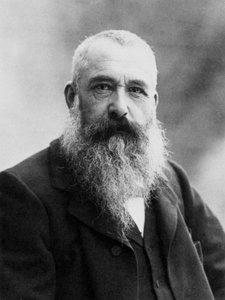
1840 - 1926 , Franciaország
Rövid információk
- Artistic Movement Or Style: Impresszionizmus
- Artists Or Movements Influenced By This Artist: ['Modernizmus']
- Artists Who Influenced This Artist:
- Eugène Boudin
- J.M.W. Turner
- Date Of Birth: 1840
- Date Of Death: 1926
- Full Name: Oscar-Claude Monet
- Nationality: Francia
- Notable Artworks:
- Napkelte
- Vízililiomok
- Szénaszúnyogok
- Roueni székesegyház
- Place Of Birth: Párizs, Franciaország
Kapcsolódó cikkek

A Musée d'Orsay 25 Mesterműve: Impresszionizmus és Posztimpresszionizmus a Te Otthonodban
Fedezze fel a Musée d'Orsay 25 legikonikusabb műalkotását! Monet, Renoir, Van Gogh és más impresszionista mesterek festményeinek története. Inspirálódjon otthoni dekorációjához – magas minőségű reprodukciók a OriginalUniqueArt.com-on!

A 10 legikonikus impresszionista tájkép: művészeti remekművek otthonába | OriginalUniqueArt.com
Fedezze fel a 10 legikonikus impresszionista tájkép festményt! Monet, Renoir, Degas és más művészek remekművei. Vászonképek, faliképek otthonába – inspirálódjon OriginalUniqueArt.com-on! Explore the full collection online.

Claude Monet 25 Mesterműve: A Fény és a Szín Zsenialitása – OriginalUniqueArt.com
Fedezze fel Claude Monet 25 legikonikusabb mesterművét! Ismerje meg az impresszionizmus zseniális festőjének történetét, a fény és szín varázsát. Vásároljon exkluzív reprodukciókat otthona dekorációjához a OriginalUniqueArt.com-on!

A 10 legikonikus impresszionista tájkép: Művészeti remekművek otthonába – OriginalUniqueArt.com
Fedezze fel a 10 legikonikus impresszionista tájkép festményt! Monet, Renoir és más mesterek alkotásainak története. Olajfestmények, vászonképek otthonába – OriginalUniqueArt.com kínálatából. Explore the full collection online!
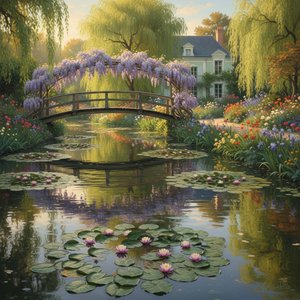
Capturing Giverny: The Enchanting Impressionist Magic of Monet's Gardens
Embark on a visual journey through Claude Monet's Giverny. Discover the enchanting light, vibrant colors, and breathtaking landscapes of his legendary gardens through an expert exploration of Impressionist mastery and timeless beauty.