
 Megtekintés
 Küldés
 Megosztás
 Részletek
 Útmutató

 Letöltés
 Hasonló darabok
 X-ray felvétel
 Diavetítés
 Kérdések és válaszok
 Statisztika
Virgin and Child

 Összes részlet megjelenítése
Giclée / Műnyomat
Múzeumi minőségű giclée vagy vászonnyomat, gyors gyártással és rugalmas finomítási lehetőségekkel. ( Kézzel festett másolat rendelése Áttérés digitális képre)




P118B Ft10

P118H Ft10

P118W Ft10

P438Z Ft10

P508JH Ft12

P508YH Ft12

P805H Ft10

P805Z Ft10

P919BZ Ft10

P919G Ft10

P919XJ Ft10

P959ZH Ft10

P968JZ Ft12

W106C Ft8

W218G Ft10

W218JH Ft8

W218Y Ft10

W307PJ Ft10

W316G Ft10

W316PJ Ft8

W316Y Ft10

W398PJ Ft8

W4111J Ft10

W500HY Ft15

W500JH Ft15

W692G Ft12

W849H Ft8

W940BG Ft15

W953PJ Ft8




Válasszon előre meghatározott méreteink közül, amelyek megfelelnek a műalkotás eredeti arányainak.

Írja be a keretének vagy a falának megfelelő szélességet és magasságot. A nyomatot csak le lehet vágni, soha nem tehető nagyobbá, mint az eredeti kép, így egy eltérő alakú méretnél a kép egy része elveszik. Mielőtt bármit kinyatintanánk, küldünk egy digitális próbamodellt jóváhagyásra. Az oldalon látható kép nem tartalmazza a valós levágást — ezt csak a próbamodell mutatja meg.
Világszerte történő kiszállítás területére mindössze 2 hét alatt, a szokásos 4-5 hét helyett. (4 november)

Ingyenes globális expressz szállítás

Prémium minőségű len vászon

Teljes körű szállítási biztosítás

Vámvisszatérítési Garancia

Hiteles színarányosság garancia

100 napos visszaküldési lehetőség (csak hibás termékek esetén)

100% pénzvisszatérítési garancia

Több darab vásárlásakor kedvezmény
 Az üvegkeretes opció csak 110 cm alatti méretben érhető el

Virgin and Child
Giclée / Műnyomat
Reprodukció mérete
-


Összesített ár
Ft 26301
A Dawn of Byzantine Grace: Exploring Cimabue’s Virgin and Child
Giovanni Cimabue (c. 1240 – 1302), often hailed as “the Florentine Dawn,” stands as an undeniable cornerstone in the transition from the opulent grandeur of Byzantium to the burgeoning artistic fervor that would herald the Renaissance. While Vasari's biographical accounts romanticize his life—painting him as a rebellious visionary—scholarly research confirms Cimabue’s profound influence on subsequent generations of artists, marking him as a pivotal figure who subtly challenged established conventions and paved the way for monumental breakthroughs in Western art. His nickname, “bull-headed,” speaks volumes about his tenacity – a characteristic evident in his courageous experimentation with form and expression, a daring step away from the rigid stylistic norms prevalent at the time. Cimabue’s legacy isn't merely one of artistic innovation; it represents a fundamental shift toward portraying religious subjects with greater emotional depth and humanist sensibilities.The Byzantine Echoes: Style and Technique
Cimabue’s Virgin and Child exemplifies the enduring impact of Byzantine iconography on Florentine art during his lifetime. Drawing heavily from imperial precedents, particularly those found in churches throughout Constantinople, Cimabue adopted a flattened perspective—a hallmark of Byzantine painting—where figures appear to float against a luminous background rather than occupying realistic space. This technique prioritizes spiritual contemplation over meticulous anatomical accuracy, focusing instead on conveying divine grace and serenity. The artist skillfully utilized tempera paint on panel, applying thin layers of pigment meticulously blended to achieve remarkable luminosity and tonal gradation. These subtle nuances contribute significantly to the painting’s ethereal atmosphere—a deliberate choice designed to evoke feelings of reverence and devotion. Cimabue's mastery of color palettes – dominated by cool blues and golds – further reinforces this Byzantine aesthetic, mirroring the opulent hues favored in imperial churches.A Symbol of Divine Maternity: Iconographic Significance
The Virgin Mary depicted in Cimabue’s masterpiece embodies the central tenets of Christian theology—specifically, divine motherhood. The crown adorning her head symbolizes her regal status as Queen of Heaven, reflecting the Byzantine tradition of portraying Mary as a celestial figure elevated above earthly concerns. Her serene gaze and gentle posture convey compassion and humility – qualities considered paramount in representing the Virgin’s role as intermediary between God and humanity. The infant Jesus cradled in her arms represents Christ incarnate—the divine Logos made flesh—and symbolizes redemption and salvation. These symbolic elements resonate deeply within the viewer, prompting reflection on themes of faith, purity, and grace—concepts central to Byzantine spirituality.Historical Context: Florence Embraces Innovation
Cimabue’s work emerged during a period of significant artistic transformation in Florence. While Byzantine influence remained strong throughout the city's artistic landscape, Cimabue’s daring stylistic choices signaled a nascent desire for greater naturalism and expressive dynamism—traits that would soon characterize the burgeoning Renaissance movement. His paintings served as inspiration for younger artists like Giotto di Bondone, who skillfully incorporated Byzantine techniques into his own compositions while simultaneously striving to depict human figures with unprecedented realism. Cimabue’s legacy extends beyond stylistic imitation; he fostered a spirit of experimentation and encouraged artists to push boundaries—a crucial catalyst in shaping the artistic trajectory of Florence and ultimately influencing the entire European art world.Emotional Resonance: Capturing Sacred Beauty
Ultimately, Cimabue's Virgin and Child transcends mere visual representation, achieving profound emotional resonance. The painting’s luminous colors, delicate brushstrokes, and harmonious composition evoke a sense of tranquility and spiritual contemplation—capturing the essence of Byzantine piety. It speaks to the viewer’s deepest aspirations for beauty, goodness, and divine grace—a testament to Cimabue's ability to translate theological concepts into compelling artistic expression. Reproductions of this iconic artwork continue to inspire artists and collectors alike, ensuring that Cimabue’s contribution to Western art history remains vividly alive for generations to come.Kérdések és válaszok
Milyen szín vezeti a „Virgin and Child”, Cimabue alkotása kompozícióját?
A „Virgin and Child”, Cimabue alkotása domináns színe a Black (#0e0d0f).
Mi magyarázza a „Virgin and Child”, Cimabue alkotása szerzői jogi helyzetét?
A „Virgin and Child”, Cimabue alkotása közösségi tulajdon – a szerzői jog lejártt állapotban van. A szerzői jogi védelem időtartama a művész halálától számítódik, amely 1302 évben történt.
Ki készítette a "Virgin and Child" alkotást, és milyen stílusú?
Cimabue a Byzantine Revival irányzatban alkototta meg a "Virgin and Child" című művét.
A művész életrajza
The Florentine Dawn: Cimabue and the Transition from Byzantium
Giovanni Cimabue, született Cenni di Pepo körülbelül 1240-ben Firenze városban, egy monumentális alak – egy olyan híd, amely a bizantine világ megállapított művészi hagyománya és az olasz reneszánsza felbontó innovációi között. Élete, bár részletesen nem dokumentált, és romantizált leírások alapján íródott – elsősorban Giorgio Vasari szájából származóak évszázadokkal később –, egy vitatható fordulatot jelent a nyugati művészettörténetben. Cimabue nem csupán festő volt; ő egy merészes innovátor, aki bátran kihívta a művészi konvenciókat, megalapozva a hamarosan olaszországot átható forradalmi változásokat. Sőt, álneve is – melynek jelentése “oroszlánfejű” – utal egy erős akaratra és talán rebbelességi szellemiségre – tulajdonságokra, amelyek nyilvánvalóan jelen voltak a formák és kifejezések kísérletezésére való hajlandóságában. Ő egy kulcsfontosságú pillanatot jelöl meg, ahol az művészet nem csupán vallási képi ábrázolás volt, hanem valami emberközeli és érzelmileg gazdagabb lett.Korai befolyások és művészi fejlődés
A bizantine stílusba, amely Firenze-ben uralkodott, Cimabue korai munkái szorosan követették a megállapított esztétikai elveket: lapos alakok csillogó aranyozással, szimbolikus helyett realisztikus ábrázolások térrel kapcsolatban és mély vallási ikonográfia fókuszában. Azonban ezek a korlátok között is egy gyöngyvesszű vágy mutatkozott meg a naturalizmus felé. Nem volt hajlandó csupán megragamizni létező formákat; inkább arra törekedett, hogy a festményeihez nagyobb életet és érzelmi mélységet adjon. Bár a pontos korai képzése még mindig vitatott, valószínűleg a florentini műhelyekben fejtette ki készségeit, elnyelve az időszak technikáit és befolyásait, miközben egyedi művészi hangját is fejlesztette. A bizantine stílus, amely formális volt és spirituális fókuszú, biztosította számára egy szilárd alapot, de Cimabue elkezdte finoman bevezetni olyan elemeket, amelyek a reneszánsza előfutamait vetítik előre – nagyobb figyelmet fordított a térségre, kifejezőbb arckifejezésekre és a térrel kapcsolatos kapcsolatok elsődleges megértésére. Ez nem egy hirtelen szakítás a hagyománnyal volt, hanem fokozatos fejlődés, egy finom egyensúly az elmúlt hagyományok tiszteletadásával és új lehetőségek felé való hajlandóssággal.Fontos művek és művészi innovációk
Cimabue öröksége a mesteri alkotások sorában gyökerezik, amelyek bemutatják fejlődő stílusát. A *Maestà* (Louvre), amely eredetileg Pisa városban található S. Francesco templom apszisához készült, egyike legkiemelkedőbb művei közül. Ez a monumentális altárpapír példája a mester képességének és a szín használatának, miközben finoman kihívja a bizantine konvenciókat. Az alakok még rendelkeznek bizonyos formális megjelenéssel, de újfajta testtömeggel és jelenlétükkel rendelkeznek – egyértelműen eltérve az korábbi vallási képi ábrázolásoktól. A *Crucifixion* (San Domenico, Arezzo), körülbelül 1270-ben készülő alkotás különösen jelentős, mert a bizantine normákhoz való elállását mutatja be. Itt a proporciók realistábbak, és a jelenet érzelmi súlya érezhető – egyértelműen ellentétes az korábbi vallási művekkel. Cimabue innovációinak bizonyítékát láthatjuk a *Flagellation of Christ* (Frick Collection) című alkotásában is, amely workshop-jának munkája. Ez a bonyolult kompozíció elsődleges megértést mutat be a térrel és a térrel kapcsolatos kapcsolatokról.Egy kulcsfontosságú tanár: Giotto és tovább
Talán Cimabue legmaradandóbb öröksége pedig a Giotto di Bondone tanításaiban rejlik. Bár történelmi leírások eltérőek, általánosan elfogadott, hogy Giotto kapta fontos képzéseit Cimabue irányításával. Azonban Giotto végül felülmúlt mestert, forradalmi módon ábrázolva az olasz művészetet a naturalizmus és az érzelmi realizmus nagyobb hangsúlyozásával. A két személy közötti dinamika egyértelműen mutatja a mester és a tanítvány közötti kölcsönhatást – egy játékos vetélkedést, amely mindkét művészt magasabb szintekre vitte. Cimabue hatása nem korlátozódott Giottora; befolyásolta más művészeket is az időszakban. Ő kihívta a művészeti hagyományok normáit, bizonyítva, hogy a művészet nem csupán vallási szimbólum lehet; hanem tükrözhet emberi érzelmeket és tapasztalatokat is. A formák, a proporciók és a kifejezések kísérletezése lehetővé tette számára, hogy új utakat nyithasson a nyugati művészet történetében.Történelmi jelentőség
Cimabue 1302-ben halt meg Pisában, laissant behind a body of work that continues to captivate and inspire. Despite his significant contributions, details surrounding his later life remain scarce. However, his artistic legacy resonates powerfully through the works of his students and the evolution of Italian art. He represents a crucial step in the development of Western painting, moving away from the stylized conventions of the Byzantine era towards a more humanistic and naturalistic approach. His paintings are not merely historical artifacts; they are windows into a pivotal moment in artistic history—a time when artists began to question established norms and explore new possibilities. He was a pioneer, a visionary who dared to challenge the status quo and lay the foundations for the artistic brilliance that would define the Renaissance.
Cimabue
1240 - 1302 , Olaszország
Rövid információk
- Artistic Movement Or Style: Bizánci és reneszánszi
- Artists Or Movements Influenced By This Artist: ['Giotto di Bondone']
- Artists Who Influenced This Artist:
- Coppo di Marcovaldo
- Giunta Pisano
- Date Of Birth: c. 1240
- Date Of Death: 1302
- Full Name: Giovanni Cimabue
- Nationality: Olasz
- Notable Artworks:
- Maestà
- Keresztmetsés
- Krisztus megvesztegetése
- Place Of Birth: Firenze, Olaszország
Kapcsolódó cikkek

Giotto di Bondone 25 Mesterműve: A Reneszánsz Előhírnöke a Falakon – OriginalUniqueArt
Fedezze fel Giotto di Bondone 25 legpárásabb műalkotását! Ismerje meg a reneszánsz előhírnökét, festményeit és freskóit. Vásároljon exkluzív reprodukciókat otthona díszítésére a OriginalUniqueArt.com-on – múzeumi minőségben!
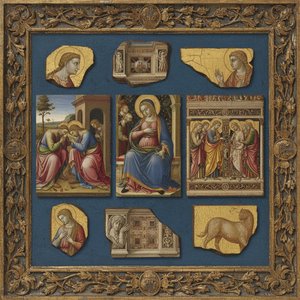
A Proto-Renaissance 10 Mesterműve: A Reneszánsz Előhírnökei – Vászonképek és Nyomatok a OriginalUniqueArt kínálatában
Fedezze fel a Proto-Renaissance 10 legikonikusabb mesterművét! Giotto, Cimabue és más firenzei festők alkotásai – történetek, technikák és időtálló szépség. Vászonképek és nyomatok a OriginalUniqueArt kínálatában. Explore the full collection online!
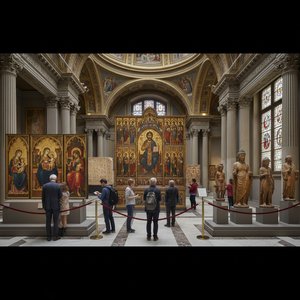
Sacred Narratives Embodied: A Comprehensive Exploration of Religious Iconography in Art History
Explore the rich history of religious iconography in art! Discover symbolism, movements & masterpieces from Byzantine to Renaissance periods. Expert insights for collectors and enthusiasts at OriginalUniqueArt.
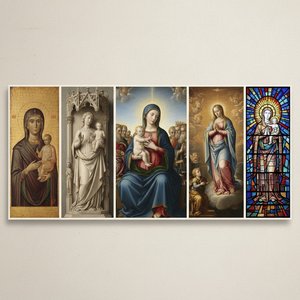
Divine Grace: A Journey Through the Most Iconic Depictions of the Virgin Mary in Art History
Embark on a profound journey through art history with our exploration of the most iconic depictions of the Virgin Mary. Discover the divine grace, symbolism, and masterful techniques found in Renaissance masterpieces and sacred iconography.
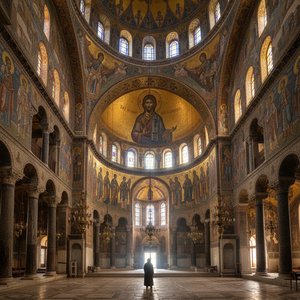
Illuminating Eternity: A Comprehensive Exploration of Byzantine Art's Legacy
Explore the rich history & stunning artistry of the Byzantine Empire! Discover iconic mosaics, profound symbolism, and lasting influence on Western art. A comprehensive guide for history lovers.


