
 Előnézet
 Megosztás
 Megosztás
 Részletek
 Útmutató

 Letöltés
 Hasonló darabok
 X-ray felvétel
 Diavetítés
 Statisztika
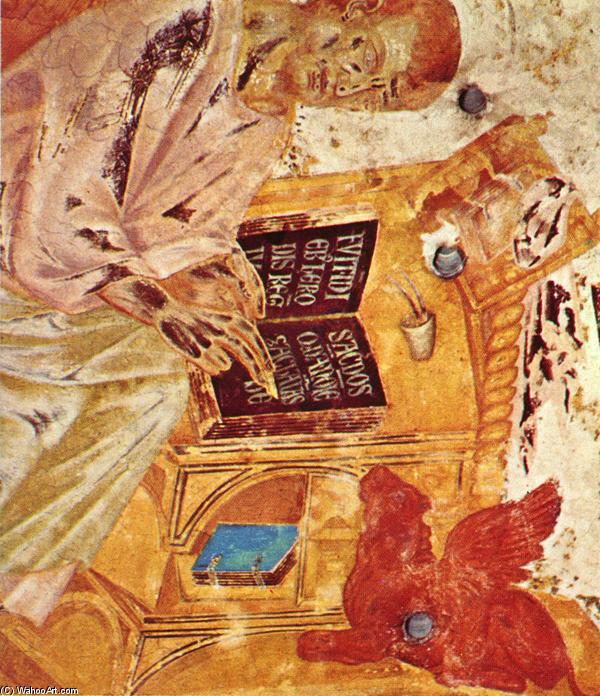
St Luke (detail)
 Acrylic On Canvas
- WallArt
- Proto-Renaissance
 1280
1280- Renaissance
 450.0 x 900.0 cm
 Tovább olvasom
Giclée / Műnyomat
Múzeumi minőségű giclée vagy vászonnyomat, gyors gyártással és rugalmas finomítási lehetőségekkel. ( Kézzel festett másolat vásárlása Áttérés digitális képre)




P118B Ft10

P118H Ft10

P118W Ft10

P438Z Ft10

P508JH Ft12

P508YH Ft12

P805H Ft10

P805Z Ft10

P919BZ Ft10

P919G Ft10

P919XJ Ft10

P959ZH Ft10

P968JZ Ft12

W106C Ft8

W218G Ft10

W218JH Ft8

W218Y Ft10

W307PJ Ft10

W316G Ft10

W316PJ Ft8

W316Y Ft10

W398PJ Ft8

W4111J Ft10

W500HY Ft15

W500JH Ft15

W692G Ft12

W849H Ft8

W940BG Ft15

W953PJ Ft8




Válasszon előre meghatározott méreteink közül, amelyek megfelelnek a műalkotás eredeti arányainak.

Írja be a keretének vagy a falának megfelelő szélességet és magasságot. A nyomatot csak le lehet vágni, soha nem tehető nagyobbá, mint az eredeti kép, így egy eltérő alakú méretnél a kép egy része elveszik. Mielőtt bármit kinyatintanánk, küldünk egy digitális próbamodellt jóváhagyásra. Az oldalon látható kép nem tartalmazza a valós levágást — ezt csak a próbamodell mutatja meg.
Világszerte történő kiszállítás területére mindössze 2 hét alatt, a szokásos 4-5 hét helyett. (22 október)

Ingyenes globális expressz szállítás

Prémium minőségű len vászon

Teljes körű szállítási biztosítás

Vámvisszatérítési Garancia

Tökéletes színarányosság garancia

100 napos visszaküldési garancia (csak gyártási hibás termékek esetén)

100% pénzvisszatérítési garancia

Több darab vásárlásakor kedvezmény
 Az üvegkeretes opció csak 110 cm alatti méretben érhető el

St Luke (detail)
Giclée / Műnyomat
Reprodukció méretei
-


Összesített ár
Ft 25565
A Glimpse into a Changing World: Cimabue’s *St Luke (detail)*
This captivating detail from Cimabue's fresco of St. Luke offers a profound window into the pivotal moment when Italian art began to break free from the rigid conventions of the Byzantine tradition. Painted around 1280, this section – measuring an impressive 450 x 900 cm in its entirety – isn’t merely a religious depiction; it's a testament to artistic innovation and the dawn of a new era in painting.Subject & Narrative
The fragment focuses on St. Luke, traditionally considered the author of the Gospel of Luke and the Acts of the Apostles, and patron saint of artists. He is depicted as a scholar or cleric, deeply engrossed in his work. He holds open several books, likely representing the scriptures he penned, and extends a hand in what appears to be a gesture of teaching or revelation. The surrounding architectural elements suggest an interior setting – perhaps a study or scriptorium – conducive to learning and contemplation. While part of a larger narrative scene, this detail powerfully conveys Luke’s intellectual pursuit and devotion.Style & Technique: Bridging Byzantium and the Renaissance
Cimabue (born Cenni di Pepo), active in Florence and Pisa, was instrumental in transitioning from the Italo-Byzantine style to a more naturalistic approach. While still exhibiting hallmarks of Byzantine art – such as the use of gold leaf (not visible in this detail but present in the full fresco), flattened perspective, and hierarchical scale – this work demonstrates Cimabue’s burgeoning interest in realism. Notice the attempts at modeling forms through subtle shading, a departure from the flat, iconic representations prevalent in earlier Byzantine works. The technique employed is *fresco*, where pigments are applied to wet plaster, creating a durable and vibrant surface. This explains the textured appearance with visible brushstrokes and variations in paint application.Color & Composition
The color palette is dominated by warm earth tones – ochres, yellows, and reds – lending the scene an air of antiquity and solemnity. The composition is dense and layered, characteristic of fresco work, with figures overlapping and receding into a shallow depth of field. Linearity is key; defined lines structure the figures and architectural elements, contributing to the overall sense of order. Geometric shapes – rectangular books, arched doorways, rounded drapery – further reinforce this structured aesthetic.Symbolism & Historical Context
The open books are potent symbols of knowledge, scripture, and divine inspiration. St. Luke’s gesture signifies instruction or the transmission of sacred truth. Created during a period of significant social and religious change in Italy, Cimabue's work reflects a growing humanistic interest alongside continued devotion to Christian themes. He was a contemporary of Giotto, often considered his student, and both artists played crucial roles in laying the foundations for the Renaissance. Vasari’s “Lives of the Most Excellent Painters, Sculptors, and Architects” provides valuable (though sometimes debated) insights into Cimabue's life and career.Emotional Impact & Aesthetic Appeal
Despite its age, this detail from *St Luke* evokes a sense of quiet contemplation and reverence. The artist’s skillful use of line, color, and composition draws the viewer into the scene, inviting reflection on themes of faith, knowledge, and artistic creation. For collectors and interior designers, a high-quality reproduction of this work offers a timeless piece that blends historical significance with aesthetic beauty – a subtle yet powerful statement for any space. It’s a reminder of art's capacity to both reflect and shape our understanding of the world.Gyakran Ismételt Kérdések
Van-e elérhető tájékoztató „St Luke (detail)”, Cimabue alkotása művészeten túlmutató részleteivel a diákok számára?
A „St Luke (detail)”, Cimabue alkotása alkotáshoz elérhető egy Útmutató oldal: egy kinyomtatható információs lap a műről, amelyet diákok és tantervhez készült használatra terveztek.
Hol láthatom a(z) "St Luke (detail)" előnézetét?
A „St Luke (detail)” Előnézet oldalán megtekintheti a művészeti alkotást megrendelés előtt.
Milyen arányú „St Luke (detail)”, Cimabue alkotása, és milyen méretű?
A "St Luke (detail)" formátuma Portrait, az eredeti mérete pedig 450 x 900 cm. Mindkettő hasznos információ egy reprodukció tervezésekor.
A művész életrajza
The Florentine Dawn: Cimabue and the Transition from Byzantium
Giovanni Cimabue, született Cenni di Pepo körülbelül 1240-ben Firenze városban, egy monumentális alak – egy olyan híd, amely a bizantine világ megállapított művészi hagyománya és az olasz reneszánsza felbontó innovációi között. Élete, bár részletesen nem dokumentált, és romantizált leírások alapján íródott – elsősorban Giorgio Vasari szájából származóak évszázadokkal később –, egy vitatható fordulatot jelent a nyugati művészettörténetben. Cimabue nem csupán festő volt; ő egy merészes innovátor, aki bátran kihívta a művészi konvenciókat, megalapozva a hamarosan olaszországot átható forradalmi változásokat. Sőt, álneve is – melynek jelentése “oroszlánfejű” – utal egy erős akaratra és talán rebbelességi szellemiségre – tulajdonságokra, amelyek nyilvánvalóan jelen voltak a formák és kifejezések kísérletezésére való hajlandóságában. Ő egy kulcsfontosságú pillanatot jelöl meg, ahol az művészet nem csupán vallási képi ábrázolás volt, hanem valami emberközeli és érzelmileg gazdagabb lett.Korai befolyások és művészi fejlődés
A bizantine stílusba, amely Firenze-ben uralkodott, Cimabue korai munkái szorosan követették a megállapított esztétikai elveket: lapos alakok csillogó aranyozással, szimbolikus helyett realisztikus ábrázolások térrel kapcsolatban és mély vallási ikonográfia fókuszában. Azonban ezek a korlátok között is egy gyöngyvesszű vágy mutatkozott meg a naturalizmus felé. Nem volt hajlandó csupán megragamizni létező formákat; inkább arra törekedett, hogy a festményeihez nagyobb életet és érzelmi mélységet adjon. Bár a pontos korai képzése még mindig vitatott, valószínűleg a florentini műhelyekben fejtette ki készségeit, elnyelve az időszak technikáit és befolyásait, miközben egyedi művészi hangját is fejlesztette. A bizantine stílus, amely formális volt és spirituális fókuszú, biztosította számára egy szilárd alapot, de Cimabue elkezdte finoman bevezetni olyan elemeket, amelyek a reneszánsza előfutamait vetítik előre – nagyobb figyelmet fordított a térségre, kifejezőbb arckifejezésekre és a térrel kapcsolatos kapcsolatok elsődleges megértésére. Ez nem egy hirtelen szakítás a hagyománnyal volt, hanem fokozatos fejlődés, egy finom egyensúly az elmúlt hagyományok tiszteletadásával és új lehetőségek felé való hajlandóssággal.Fontos művek és művészi innovációk
Cimabue öröksége a mesteri alkotások sorában gyökerezik, amelyek bemutatják fejlődő stílusát. A *Maestà* (Louvre), amely eredetileg Pisa városban található S. Francesco templom apszisához készült, egyike legkiemelkedőbb művei közül. Ez a monumentális altárpapír példája a mester képességének és a szín használatának, miközben finoman kihívja a bizantine konvenciókat. Az alakok még rendelkeznek bizonyos formális megjelenéssel, de újfajta testtömeggel és jelenlétükkel rendelkeznek – egyértelműen eltérve az korábbi vallási képi ábrázolásoktól. A *Crucifixion* (San Domenico, Arezzo), körülbelül 1270-ben készülő alkotás különösen jelentős, mert a bizantine normákhoz való elállását mutatja be. Itt a proporciók realistábbak, és a jelenet érzelmi súlya érezhető – egyértelműen ellentétes az korábbi vallási művekkel. Cimabue innovációinak bizonyítékát láthatjuk a *Flagellation of Christ* (Frick Collection) című alkotásában is, amely workshop-jának munkája. Ez a bonyolult kompozíció elsődleges megértést mutat be a térrel és a térrel kapcsolatos kapcsolatokról.Egy kulcsfontosságú tanár: Giotto és tovább
Talán Cimabue legmaradandóbb öröksége pedig a Giotto di Bondone tanításaiban rejlik. Bár történelmi leírások eltérőek, általánosan elfogadott, hogy Giotto kapta fontos képzéseit Cimabue irányításával. Azonban Giotto végül felülmúlt mestert, forradalmi módon ábrázolva az olasz művészetet a naturalizmus és az érzelmi realizmus nagyobb hangsúlyozásával. A két személy közötti dinamika egyértelműen mutatja a mester és a tanítvány közötti kölcsönhatást – egy játékos vetélkedést, amely mindkét művészt magasabb szintekre vitte. Cimabue hatása nem korlátozódott Giottora; befolyásolta más művészeket is az időszakban. Ő kihívta a művészeti hagyományok normáit, bizonyítva, hogy a művészet nem csupán vallási szimbólum lehet; hanem tükrözhet emberi érzelmeket és tapasztalatokat is. A formák, a proporciók és a kifejezések kísérletezése lehetővé tette számára, hogy új utakat nyithasson a nyugati művészet történetében.Történelmi jelentőség
Cimabue 1302-ben halt meg Pisában, laissant behind a body of work that continues to captivate and inspire. Despite his significant contributions, details surrounding his later life remain scarce. However, his artistic legacy resonates powerfully through the works of his students and the evolution of Italian art. He represents a crucial step in the development of Western painting, moving away from the stylized conventions of the Byzantine era towards a more humanistic and naturalistic approach. His paintings are not merely historical artifacts; they are windows into a pivotal moment in artistic history—a time when artists began to question established norms and explore new possibilities. He was a pioneer, a visionary who dared to challenge the status quo and lay the foundations for the artistic brilliance that would define the Renaissance.
Cimabue
1240 - 1302 , Olaszország
Gyors információk
- Artistic Movement Or Style: Bizánci és reneszánszi
- Artists Or Movements Influenced By This Artist: ['Giotto di Bondone']
- Artists Who Influenced This Artist:
- Coppo di Marcovaldo
- Giunta Pisano
- Date Of Birth: c. 1240
- Date Of Death: 1302
- Full Name: Giovanni Cimabue
- Nationality: Olasz
- Notable Artworks:
- Maestà
- Keresztmetsés
- Krisztus megvesztegetése
- Place Of Birth: Firenze, Olaszország
Kapcsolódó cikkek

A családi örökség festői világa: Hogyan őrizzük meg a múltat a falakon?
Őrizze meg családja történetét festményekkel! Egyedi portrék, régi fényképek restaurálása és családi címer tervezése profi művészek által. Fedezze fel a kínálatát!

The Enduring Legacy of Fresco: Technique, History & Artistic Expression Across Cultures
Explore the rich history & enduring legacy of fresco painting! Discover ancient techniques, Giotto's masterpieces, and modern applications. Expert insights for art lovers & professionals.
A személyes történetek, a kulturális gyökerek és a spirituális szimbólumok tükre: Egyedi falfestmények az otthon mélyebb értelméért
Egyedi falfestményekkel teremtsen otthona egyedülálló hangulatát! Szakértői segítség, prémium minőségű anyagok és személyre szabott tervezés. Fedezze fel kulturális gyökereit és spirituális értékeit falainkon!

The Enduring Legacy of Fresco: Technique, History & Artistic Expression
Explore the rich history & enduring artistry of fresco painting. Discover techniques from Giotto to Michelangelo, conservation efforts, & modern applications. Learn how OriginalUniqueArt brings this timeless art form to your home.

The Enduring Legacy of Fresco Painting: Techniques, History & Contemporary Relevance
Explore the rich history & enduring artistry of fresco painting – from Giotto to Michelangelo! Discover techniques, conservation efforts, & modern applications. Learn how OriginalUniqueArt brings this timeless art form to your home.


