

 Megtekintés
 Küldés
 Megosztás
 Részletek
 Útmutató

 Letöltés
 Hasonló darabok
 X-ray felvétel
 Diavetítés
 Statisztika
Rachel Weeping


 Összes részlet megjelenítése
Giclée / Műnyomat
Múzeumi minőségű giclée vagy vászonnyomat, gyors gyártással és rugalmas finomítási lehetőségekkel. ( Kézzel festett másolat rendelése Áttérés digitális képre)




P118B Ft10

P118H Ft10

P118W Ft10

P438Z Ft10

P508JH Ft12

P508YH Ft12

P805H Ft10

P805Z Ft10

P919BZ Ft10

P919G Ft10

P919XJ Ft10

P959ZH Ft10

P968JZ Ft12

W106C Ft8

W218G Ft10

W218JH Ft8

W218Y Ft10

W307PJ Ft10

W316G Ft10

W316PJ Ft8

W316Y Ft10

W398PJ Ft8

W4111J Ft10

W500HY Ft15

W500JH Ft15

W692G Ft12

W849H Ft8

W940BG Ft15

W953PJ Ft8




Válasszon előre meghatározott méreteink közül, amelyek megfelelnek a műalkotás eredeti arányainak.

Írja be a keretének vagy a falának megfelelő szélességet és magasságot. A nyomatot csak le lehet vágni, soha nem tehető nagyobbá, mint az eredeti kép, így egy eltérő alakú méretnél a kép egy része elveszik. Mielőtt bármit kinyatintanánk, küldünk egy digitális próbamodellt jóváhagyásra. Az oldalon látható kép nem tartalmazza a valós levágást — ezt csak a próbamodell mutatja meg.
Világszerte történő kiszállítás területére mindössze 2 hét alatt, a szokásos 4-5 hét helyett. (28 október)

Ingyenes globális expressz szállítás

Prémium minőségű len vászon

Teljes körű szállítási biztosítás

Vámvisszatérítési Garancia

Hiteles színarányosság garancia

100 napos visszaküldési lehetőség (csak hibás termékek esetén)

100% pénzvisszatérítési garancia

Több darab vásárlásakor kedvezmény
 Az üvegkeretes opció csak 110 cm alatti méretben érhető el

Rachel Weeping
Giclée / Műnyomat
Reprodukció mérete
-


Összesített ár
Ft 25827
The Haunting Beauty of Loss
Charles Willson Peale’s “Rachel Weeping,” painted in 1772, isn't merely a portrait; it’s a visceral embodiment of sorrow, a poignant meditation on loss and the enduring bonds of family. The painting depicts Rachel Peale, Charles’s wife, mourning the death of their child – a tragedy that struck deeply within the heart of this prominent American artist and his family. Yet, despite its subject matter, “Rachel Weeping” transcends mere grief to become a powerful statement about resilience, faith, and the enduring nature of love.
Peale’s decision to immortalize this moment of profound sorrow was revolutionary for its time. Rather than shy away from depicting the raw emotion of bereavement, he embraced it with unflinching honesty. The composition immediately draws the viewer in – a woman enveloped in shadow, cradling her lifeless infant, a scene both heartbreaking and strangely dignified. It’s a stark departure from the idealized depictions of motherhood prevalent in earlier art, offering instead an intimate glimpse into the depths of human suffering.
Neoclassical Elegance Meets Emotional Intensity
Stylistically, “Rachel Weeping” masterfully blends elements of Neoclassicism with Romanticism. Peale’s training under Benjamin West, a leading figure in the British Neoclassical movement, is evident in the painting's carefully rendered details – the delicate folds of Rachel’s garments, the precise modeling of her face, and the restrained palette dominated by muted browns, grays, and creams. However, beneath this formal elegance lies an undeniable surge of emotional intensity. The use of chiaroscuro—the dramatic contrast between light and shadow—heightens the sense of drama and underscores the painting’s central theme of grief. Notice how the light gently illuminates Rachel's face, highlighting her sorrowful expression while leaving much of the background shrouded in darkness.
Peale’s technique is remarkably skillful. He employs a loose brushstroke to create a sense of movement and immediacy, capturing the raw emotion of the scene with remarkable sensitivity. The positioning of the child – nestled close to Rachel's chest, its head resting on her shoulder – speaks volumes about the profound connection between mother and child, further amplifying the painting’s emotional impact.
Symbolism and a Testament to Family
The symbolism within “Rachel Weeping” is layered and deeply resonant. The inclusion of other figures in the background—a man standing behind Rachel and another positioned further back on the right—suggests a wider family circle, emphasizing the communal nature of grief. The presence of medical bottles hints at the era’s limited understanding of illness and death, adding a layer of historical context to the scene. Most powerfully, Rachel's posture – her head bowed in sorrow, her hands clasped protectively around the child—evokes the iconography of the Madonna and Child, transforming her grief into a sacred act of mourning.
Peale’s decision to paint this image after the loss of his own children underscores the profound personal connection he felt to the subject matter. “Rachel Weeping” is not simply a portrait; it's a deeply felt expression of love, loss, and the enduring strength of the human spirit. It remains a hauntingly beautiful testament to the complexities of family life and the universal experience of grief.
A Legacy of Emotional Depth
“Rachel Weeping” holds a significant place in American art history as one of the earliest examples of a portrait confronting difficult emotions with such directness. Its emotional honesty and technical skill continue to resonate with viewers today, prompting reflection on themes of loss, family, and the enduring power of human connection. Reproductions of this iconic painting offer a powerful opportunity to experience Peale’s masterful artistry and contemplate the profound beauty that can be found even in moments of deepest sorrow.
Kérdések és válaszok
Melyik évben készült a „Rachel Weeping”, Charles Willson Peale alkotása?
A „Rachel Weeping”, Charles Willson Peale alkotása alkotásának éve 1772.
Hányan tekintik meg a(t): "Rachel Weeping"?
A „Rachel Weeping”, Charles Willson Peale alkotása statisztikái a mű Statisztikák oldalán érhetőek el: a mű havi látogatottsága, a művész alkotásainak megtekintése, valamint a legutóbbi látogatók országos és nyelvi lebontása.
Megtekinthető a „Rachel Weeping”, Charles Willson Peale alkotása alkotás rendelés előtt?
A „Rachel Weeping” Előnézet oldalán megtekintheti a művészeti alkotást megrendelés előtt.
A művész életrajza
Charles Willson Peale: A Life of Art, Science, és Amerikai Szellem
Charles Willson Peale egy amerikai művész volt, aki nem csak a festészet területén brillírozott, hanem tudományos kutatásával és az Egyesült Államok első múzeumának alapításával is jelentős szerepet játszott az amerikai kultúra történetében. Élete egy különleges időszakot tükrözött meg, amikor az új világ született és az európai művészet valamint tudomány fejlődése nagy kihívásokat és lehetőségeket kínált fel.Korai Élet és Művészi Oktatás
Peale születését követően családja súlyos pénzügyi nehézségekkel szembesült, ami az ő tanulmányainak és szakmai előadásainak alapját képezte. Elsőként saddlerként dolgozott meg, mielőtt rámutatott szenvedélyére az művészet iránt. Együttműködése John Hesselius professzorral kezdődött és rövid idő alatt John Singleton Copley tanácsát követve tanulmányozta a portréfestést. Ez a korszak azonban kulcsfontosságú volt fejlődésében, amikor Benjamin West irányítása alatt Londonban töltött időszakában jelentős befolyást gyakorolt rá az európai művészi hagyományokra és stílusra.Művészi Karrier és Jellegzetes Művei
Peale főként a amerikai forradalom idején alkotott portrékat, melyek közt több száz George Washington képet tartalmazó műalkotás található meg. Ezek nem csak művészi értékkel rendelkeznek, hanem értékes történelmi dokumentumok is, amelyek részletes vizsgálata révén betekintést nyújtanak az időszak nagy alakjai életébe és gondolataiba. Peale stílusa folyamatosan változott és elsőként West neoklasszikus megközelítését követve később pedig egyre inkább hangsúlyt adott a pontos megjelenés megörökítésének igényének. Számos jelentős alkotása között emelhetünk ki:- George Washington (1772): Ez volt az ő hosszú időszakos kapcsolatának kezdete Washingtonnal és nagyban hozzájárult az amerikai nemzeti szimbólum ikonikus státuszához.
- A Skorró Szék csoport (kb. 1795): Ez egy lenyűgöző példája a trompe l'oeil technikának, amely úgy jeleníti meg Peale fiait – Raphel és Titian – mintha résznélküli helyzetben zouden állnának az épület díszítőjében.
Tudományos Kutatás és Az Amerikai Múzeum
Peale nem csak művészi tevékenységével foglalkozott, hanem szenvedélyesen kötődött a természetrajzos tudományhoz és számos expedíciót szervezett az élővilág megismerésére. Egy különösen jelentős eredményét büszkén mutatja be az amerikai múzeum alapítása Philadelphiaban (1784), amely az Egyesült Államok első intézménye volt a tudományos ismeretterjesztés és oktatás területén. Az épület impozáns termei és hatalmas gyűjtövényei bizonyították Peale elkötelezettségét és kreativitását, különösen pedig az óriási mastodon csontok kiállításának megvalósítása során, melyet egy 1801-es expedíció eredményezett. Az amerikai múzeum nem csak egy tudományos központ volt, hanem egy olyan helyszín is, ahol az emberek megismerhették és megérthetették az ősi világ szépségeit és titkait.Érdemek és Tudományos Örökség
Peale munkája összefüggésbe kerül az új világ gondolkodásával és az európai művészet valamint tudomány fejlődésének korszakával, amikor az elmén és az érzelmén túl fontos szerepet játszották az ismeretek megszerzése és megosztása. Portréi pedig értékes vizuális bizonyítékok arra nézve, hogy milyen nagy alakokat ismert el és követett nyomon az amerikai történelem folyamata. Az amerikai múzeum alapítása pedig egy pioníri munka volt, amely megalapozta az intézmény jelentőségét a tudományos ismeretterjesztés és oktatás területén. Peale öröksége továbbívelő és nagy hatással volt későbbi generációkra, hozzájárulva így jelentős mértékben az amerikai kultúra fejlődéséhez és egyetemességéhez.
Charles Willson Peale
1741 - 1827 , Egyesült Királyföld
Rövid információk
- Artistic Movement Or Style: Neoklasszikizmus
- Artists Who Influenced This Artist:
- John Hesselius
- John Singleton Copley
- Benjamin West
- Date Of Birth: Április 15., 1741.
- Date Of Death: Február 22., 1827.
- Full Name: Charles Willson Peale
- Nationality: Amerikai
- Notable Artworks:
- A Szoborház csoportja
- George Washington portréi
- Place Of Birth: Chester, Anglia
Kapcsolódó cikkek

Titian Ramsay Peale II: A Legacy of Botanical Precision & Artistic Innovation
Explore the life & art of Titian Ramsay Peale II, a master of botanical precision and wildlife painting. Discover his legacy bridging art & natural history at OriginalUniqueArt.

Echoes of Loss: Exploring Representations of Grief Across Art History
Explore the profound history of grief in art, from Renaissance masterpieces to Baroque drama. Discover how artists captured loss, mourning & faith through powerful imagery. Expert insights at OriginalUniqueArt.

Echoes of Absence: Loss & Grief in Visual Art Through the Ages
Explore the profound history of grief in art, from Renaissance masterpieces to contemporary expressions. Discover how artists have captured loss, mourning, and mortality through powerful imagery & symbolism. OriginalUniqueArt offers expert insights.

Charles Willson Peale: Portraiture, Enlightenment Ideals & Shaping American Identity
Explore the life & art of Charles Willson Peale – Revolutionary portraitist, scientist, and founder of America’s first museum. Discover his iconic paintings of Washington & the Enlightenment ideals that shaped a nation.
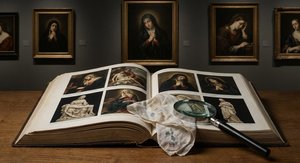
The Visceral Language of Loss: Exploring Grief's Depiction in Art History
Explore the profound history of grief in art with OriginalUniqueArt. Discover Renaissance & Baroque masterpieces depicting loss, mourning, and faith. Expert insights & handmade reproductions available.

