
 Megtekintés
 Küldés
 Megosztás
 Részletek
 Útmutató

 Letöltés
 Hasonló darabok
 X-ray felvétel
 Diavetítés
 Kérdések és válaszok
 Statisztika
Charles Willson Peale Self-Portrait

- 72.0 x 84.0 cm


 Összes részlet megjelenítése
Giclée / Műnyomat
Múzeumi minőségű giclée vagy vászonnyomat, gyors gyártással és rugalmas finomítási lehetőségekkel. ( Kézzel festett másolat rendelése Áttérés digitális képre)




P118B Ft10

P118H Ft10

P118W Ft10

P438Z Ft10

P508JH Ft12

P508YH Ft12

P805H Ft10

P805Z Ft10

P919BZ Ft10

P919G Ft10

P919XJ Ft10

P959ZH Ft10

P968JZ Ft12

W106C Ft8

W218G Ft10

W218JH Ft8

W218Y Ft10

W307PJ Ft10

W316G Ft10

W316PJ Ft8

W316Y Ft10

W398PJ Ft8

W4111J Ft10

W500HY Ft15

W500JH Ft15

W692G Ft12

W849H Ft8

W940BG Ft15

W953PJ Ft8




Válasszon előre meghatározott méreteink közül, amelyek megfelelnek a műalkotás eredeti arányainak.

Írja be a keretének vagy a falának megfelelő szélességet és magasságot. A nyomatot csak le lehet vágni, soha nem tehető nagyobbá, mint az eredeti kép, így egy eltérő alakú méretnél a kép egy része elveszik. Mielőtt bármit kinyatintanánk, küldünk egy digitális próbamodellt jóváhagyásra. Az oldalon látható kép nem tartalmazza a valós levágást — ezt csak a próbamodell mutatja meg.
Világszerte történő kiszállítás területére mindössze 2 hét alatt, a szokásos 4-5 hét helyett. (6 november)

Ingyenes globális expressz szállítás

Prémium minőségű len vászon

Teljes körű szállítási biztosítás

Vámvisszatérítési Garancia

Hiteles színarányosság garancia

100 napos visszaküldési lehetőség (csak hibás termékek esetén)

100% pénzvisszatérítési garancia

Több darab vásárlásakor kedvezmény
 Az üvegkeretes opció csak 110 cm alatti méretben érhető el

Charles Willson Peale Self-Portrait
Giclée / Műnyomat
Reprodukció mérete
-


Összesített ár
Ft 26460
A Window into a Revolutionary Mind: Charles Willson Peale’s Self-Portrait
Charles Willson Peale's 1791 self-portrait offers far more than a simple likeness; it’s a meticulously crafted window into the mind of a man profoundly shaped by the burgeoning ideals and scientific fervor of the late American Republic. Painted during a pivotal period of his life – just seven years before he established the Philadelphia Museum, a groundbreaking institution dedicated to both art and natural history – this work reveals Peale as a complex figure: an artist deeply invested in capturing beauty and form, yet equally driven by a desire to understand and document the world around him. The portrait isn’t merely about presenting himself; it's a carefully constructed statement of his identity as a painter, a scientist, and a patriot.
The composition itself is remarkably restrained, favoring a dignified stillness over overt theatricality. Peale sits in a simple, dark green chair, his gaze direct and unwavering – an invitation to the viewer to engage with his thoughts. His attire, a tailored suit and tie, speaks to his status as a respected member of Philadelphia society, yet there’s a subtle informality about him that hints at his intellectual pursuits. The lighting is soft and diffused, highlighting the planes of his face and emphasizing the thoughtful lines etched by time and experience. Notice how Peale subtly incorporates elements of scientific observation into the portrait; the careful rendering of his hands, for instance, suggests an appreciation for anatomical detail – a skill honed through years of studying human form.
The Palette of Progress: Technique and Style
Peale’s technique is characterized by a remarkable blend of realism and neoclassical influence. He was deeply affected by the artistic trends emerging from Europe, particularly the works of Benjamin West, with whom he studied in London. However, Peale skillfully adapted these influences to create a distinctly American style – one that prioritized clarity, precision, and an engagement with contemporary life. The brushwork is smooth and controlled, creating a sense of depth and solidity. He employs subtle gradations of tone to model the forms, lending them a remarkable three-dimensionality. The use of dark greens and browns in the background provides a rich contrast to Peale’s lighter complexion, drawing attention to his face and features.
Crucially, Peale wasn't simply replicating reality; he was actively shaping it. The portrait is imbued with a sense of intellectual curiosity – a desire to capture not just what *is*, but also what *could be*. This ambition is reflected in the meticulous detail with which he renders his clothing and accessories, as well as the subtle hints of scientific instrumentation visible in the background (though obscured by the dark tones). The painting’s overall effect is one of quiet confidence and intellectual engagement – a testament to Peale's multifaceted talents.
A Reflection of an Era: Historical Context
To fully appreciate this self-portrait, it’s essential to understand the historical context in which it was created. The late 18th century was a period of profound transformation in America – a time of revolution, nation-building, and burgeoning scientific inquiry. Peale's work embodies these changes perfectly. As a painter, he played a vital role in shaping American visual culture, capturing the likenesses of prominent figures and documenting key moments in the nation’s history. As a scientist, he was instrumental in establishing the Philadelphia Museum, which became one of the first museums in America – a pioneering institution dedicated to both art and natural history.
The portrait itself can be seen as a reflection of this era's emphasis on reason, progress, and civic virtue. Peale’s self-portrait is not simply an image of himself; it’s a declaration of his commitment to these ideals. He was deeply involved in the intellectual and cultural life of Philadelphia, serving as a patron of the arts and sciences, and actively promoting the development of American institutions.
The Enduring Legacy: Symbolism and Emotional Impact
Beyond its technical merits, Peale’s self-portrait is rich in symbolism. The direct gaze of the subject conveys a sense of dignity and self-assurance – qualities that were highly valued during this period. The dark background suggests introspection and contemplation, while the muted colors evoke a sense of seriousness and gravitas. Peale's posture, upright and composed, reflects his commitment to civic duty and intellectual pursuits.
Ultimately, Peale’s self-portrait is a powerful testament to the enduring legacy of an extraordinary man. It offers a glimpse into the mind of a revolutionary artist, scientist, and patriot – a figure who played a vital role in shaping American culture and laying the foundation for the nation's future. Reproductions of this work continue to resonate today, inviting viewers to contemplate the complexities of human identity and the enduring power of art to capture both the individual and the era.
Kérdések és válaszok
Milyen méretben és milyen elrendezésben javasolt a(z) "Charles Willson Peale Self-Portrait" kinyomtatása?
A "Charles Willson Peale Self-Portrait" esetében a javasolt nyomtatási beállítás a Medium méret és a Portrait orientáció.
Milyen nemzetiség áll a „Charles Willson Peale Self-Portrait” Neoclassical-ének hátterében?
A Neoclassical korszak alkotása, a "Charles Willson Peale Self-Portrait", egy Egyesült Királyföld-ban született művész munkája.
Milyen elhelyezés illik „Charles Willson Peale Self-Portrait”, Charles Willson Peale alkotása formátumához?
A formátum (Portrait) és a javasolt helyiség (Living Room) a „Charles Willson Peale Self-Portrait”, Charles Willson Peale alkotása alkotáshoz tartozó két elhelyezési adat.
A művész életrajza
Charles Willson Peale: A Life of Art, Science, és Amerikai Szellem
Charles Willson Peale egy amerikai művész volt, aki nem csak a festészet területén brillírozott, hanem tudományos kutatásával és az Egyesült Államok első múzeumának alapításával is jelentős szerepet játszott az amerikai kultúra történetében. Élete egy különleges időszakot tükrözött meg, amikor az új világ született és az európai művészet valamint tudomány fejlődése nagy kihívásokat és lehetőségeket kínált fel.Korai Élet és Művészi Oktatás
Peale születését követően családja súlyos pénzügyi nehézségekkel szembesült, ami az ő tanulmányainak és szakmai előadásainak alapját képezte. Elsőként saddlerként dolgozott meg, mielőtt rámutatott szenvedélyére az művészet iránt. Együttműködése John Hesselius professzorral kezdődött és rövid idő alatt John Singleton Copley tanácsát követve tanulmányozta a portréfestést. Ez a korszak azonban kulcsfontosságú volt fejlődésében, amikor Benjamin West irányítása alatt Londonban töltött időszakában jelentős befolyást gyakorolt rá az európai művészi hagyományokra és stílusra.Művészi Karrier és Jellegzetes Művei
Peale főként a amerikai forradalom idején alkotott portrékat, melyek közt több száz George Washington képet tartalmazó műalkotás található meg. Ezek nem csak művészi értékkel rendelkeznek, hanem értékes történelmi dokumentumok is, amelyek részletes vizsgálata révén betekintést nyújtanak az időszak nagy alakjai életébe és gondolataiba. Peale stílusa folyamatosan változott és elsőként West neoklasszikus megközelítését követve később pedig egyre inkább hangsúlyt adott a pontos megjelenés megörökítésének igényének. Számos jelentős alkotása között emelhetünk ki:- George Washington (1772): Ez volt az ő hosszú időszakos kapcsolatának kezdete Washingtonnal és nagyban hozzájárult az amerikai nemzeti szimbólum ikonikus státuszához.
- A Skorró Szék csoport (kb. 1795): Ez egy lenyűgöző példája a trompe l'oeil technikának, amely úgy jeleníti meg Peale fiait – Raphel és Titian – mintha résznélküli helyzetben zouden állnának az épület díszítőjében.
Tudományos Kutatás és Az Amerikai Múzeum
Peale nem csak művészi tevékenységével foglalkozott, hanem szenvedélyesen kötődött a természetrajzos tudományhoz és számos expedíciót szervezett az élővilág megismerésére. Egy különösen jelentős eredményét büszkén mutatja be az amerikai múzeum alapítása Philadelphiaban (1784), amely az Egyesült Államok első intézménye volt a tudományos ismeretterjesztés és oktatás területén. Az épület impozáns termei és hatalmas gyűjtövényei bizonyították Peale elkötelezettségét és kreativitását, különösen pedig az óriási mastodon csontok kiállításának megvalósítása során, melyet egy 1801-es expedíció eredményezett. Az amerikai múzeum nem csak egy tudományos központ volt, hanem egy olyan helyszín is, ahol az emberek megismerhették és megérthetették az ősi világ szépségeit és titkait.Érdemek és Tudományos Örökség
Peale munkája összefüggésbe kerül az új világ gondolkodásával és az európai művészet valamint tudomány fejlődésének korszakával, amikor az elmén és az érzelmén túl fontos szerepet játszották az ismeretek megszerzése és megosztása. Portréi pedig értékes vizuális bizonyítékok arra nézve, hogy milyen nagy alakokat ismert el és követett nyomon az amerikai történelem folyamata. Az amerikai múzeum alapítása pedig egy pioníri munka volt, amely megalapozta az intézmény jelentőségét a tudományos ismeretterjesztés és oktatás területén. Peale öröksége továbbívelő és nagy hatással volt későbbi generációkra, hozzájárulva így jelentős mértékben az amerikai kultúra fejlődéséhez és egyetemességéhez.
Charles Willson Peale
1741 - 1827 , Egyesült Királyföld
Rövid információk
- Artistic Movement Or Style: Neoklasszikizmus
- Artists Who Influenced This Artist:
- John Hesselius
- John Singleton Copley
- Benjamin West
- Date Of Birth: Április 15., 1741.
- Date Of Death: Február 22., 1827.
- Full Name: Charles Willson Peale
- Nationality: Amerikai
- Notable Artworks:
- A Szoborház csoportja
- George Washington portréi
- Place Of Birth: Chester, Anglia
Kapcsolódó cikkek
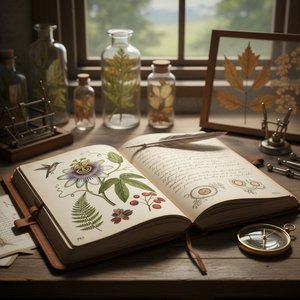
Titian Ramsay Peale II: A Legacy of Botanical Precision & Artistic Innovation
Explore the life & art of Titian Ramsay Peale II, a master of botanical precision and wildlife painting. Discover his legacy bridging art & natural history at OriginalUniqueArt.
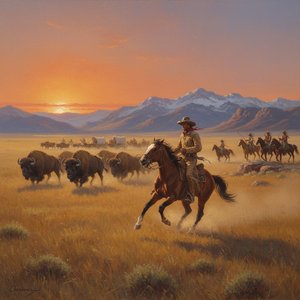
Charles Marion Russell: Capturing the American West Through a Romantic Lens
Explore the captivating world of Charles Marion Russell, 'the cowboy artist.' Discover his life, iconic paintings, advocacy for Native Americans, and investment potential. A guide for discerning art collectors.

Charles Bird King: Capturing Native American Dignity Through Portraiture & Cultural Exchange
Explore the captivating portraits of Charles Bird King, renowned for his depictions of Native American leaders. Discover the historical context, artistic techniques, and collecting value of these significant 19th-century artworks.

Charles Willson Peale: Portraiture, Enlightenment Ideals & Shaping American Identity
Explore the life & art of Charles Willson Peale – Revolutionary portraitist, scientist, and founder of America’s first museum. Discover his iconic paintings of Washington & the Enlightenment ideals that shaped a nation.

Benjamin West: Transatlantic Ambition & Shaping American Art
Explore the life & legacy of Benjamin West, pioneering American artist and Royal Academy president. Discover his Neoclassical masterpieces, transatlantic influence, and lasting impact on art history. Learn more at OriginalUniqueArt.

