
 Megtekintés
 Küldés
 Megosztás
 Részletek
 Útmutató

 Letöltés
 Hasonló darabok
 X-ray felvétel
 Diavetítés
 Kérdések és válaszok
 Statisztika
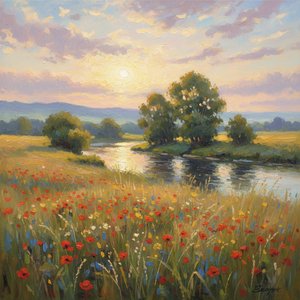
Evening on the Oise

- 99.0 x 200.0 cm


 Összes részlet megjelenítése
Giclée / Műnyomat
Múzeumi minőségű giclée vagy vászonnyomat, gyors gyártással és rugalmas finomítási lehetőségekkel. ( Kézzel festett másolat rendelése Áttérés digitális képre)




P118B Ft10

P118H Ft10

P118W Ft10

P438Z Ft10

P508JH Ft12

P508YH Ft12

P805H Ft10

P805Z Ft10

P919BZ Ft10

P919G Ft10

P919XJ Ft10

P959ZH Ft10

P968JZ Ft12

W106C Ft8

W218G Ft10

W218JH Ft8

W218Y Ft10

W307PJ Ft10

W316G Ft10

W316PJ Ft8

W316Y Ft10

W398PJ Ft8

W4111J Ft10

W500HY Ft15

W500JH Ft15

W692G Ft12

W849H Ft8

W940BG Ft15

W953PJ Ft8




Válasszon előre meghatározott méreteink közül, amelyek megfelelnek a műalkotás eredeti arányainak.

Írja be a keretének vagy a falának megfelelő szélességet és magasságot. A nyomatot csak le lehet vágni, soha nem tehető nagyobbá, mint az eredeti kép, így egy eltérő alakú méretnél a kép egy része elveszik. Mielőtt bármit kinyatintanánk, küldünk egy digitális próbamodellt jóváhagyásra. Az oldalon látható kép nem tartalmazza a valós levágást — ezt csak a próbamodell mutatja meg.
Világszerte történő kiszállítás területére mindössze 2 hét alatt, a szokásos 4-5 hét helyett. (5 november)

Ingyenes globális expressz szállítás

Prémium minőségű len vászon

Teljes körű szállítási biztosítás

Vámvisszatérítési Garancia

Hiteles színarányosság garancia

100 napos visszaküldési lehetőség (csak hibás termékek esetén)

100% pénzvisszatérítési garancia

Több darab vásárlásakor kedvezmény
 Az üvegkeretes opció csak 110 cm alatti méretben érhető el

Evening on the Oise
Giclée / Műnyomat
Reprodukció mérete
-


Összesített ár
Ft 26301
Charles-François Daubigny’s “Evening on the Oise”: A Symphony of Light and Leisure
Evening on the Oise, painted in 1863 by Charles-François Daubigny, is more than just a depiction of a riverbank; it's a carefully constructed meditation on light, atmosphere, and the simple pleasures of rural life. Measuring 99 x 200 cm, this canvas captures a quintessential French scene – the Oise River meandering through a verdant landscape, dotted with figures engaged in quiet pursuits. Daubigny, a pivotal figure in the development of Atmospheric Impressionism, masterfully translates his observations of nature into a work brimming with nuanced color and a palpable sense of tranquility.
- A Pioneer’s Vision: Daubigny's artistic journey was marked by a deliberate rejection of rigid academic conventions. Influenced by his travels to Italy – particularly the landscapes of the region – he sought to represent nature not as an idealized subject for historical or mythological narratives, but as it existed in its raw, fleeting beauty.
- Technique and Color: The painting’s remarkable luminosity stems from Daubigny's innovative use of color and brushwork. He employed broken strokes and juxtaposed complementary hues – blues and oranges, greens and purples – to create a shimmering effect, mimicking the play of light on water and foliage. This technique, anticipating the later developments of Impressionism, prioritizes the immediate sensory experience over precise representation.
The Essence of Atmospheric Impressionism
Daubigny’s approach aligns perfectly with the burgeoning movement of Atmospheric Impressionism, which sought to capture not just the subject matter but also the *impression* of a scene – its mood, light, and atmosphere. Unlike earlier landscape painters who meticulously rendered every detail, Daubigny focused on conveying the ephemeral qualities of the environment. The hazy evening light, diffused through the trees, is particularly striking, creating a sense of depth and mystery. Notice how he uses subtle gradations of color to suggest the movement of water and the shifting shadows cast by the foliage.
- Plein Air Painting: Daubigny was a fervent advocate for *plein air* painting – working directly outdoors – believing it essential for accurately capturing natural light. This commitment is evident in the freshness and immediacy of his brushwork.
- Social Context: The mid-19th century witnessed a growing interest in leisure activities and the beauty of the French countryside. Daubigny’s painting reflects this trend, depicting figures enjoying a peaceful evening by the river – a scene that resonated with the aspirations of a burgeoning middle class.
Symbolism and Emotional Impact
Beyond its technical brilliance, Evening on the Oise possesses a quiet emotional resonance. The scattered figures, engaged in simple activities like boating and sketching, evoke a sense of serenity and connection with nature. The river itself symbolizes fluidity, change, and the passage of time – themes frequently explored in art throughout history. The composition invites the viewer to step into the scene, to share in the tranquility and contemplate the beauty of the natural world. Daubigny’s ability to evoke such a profound sense of peace is a testament to his artistic skill and his deep understanding of the human condition.
- Historical Significance: This painting represents a crucial moment in the development of French landscape art, foreshadowing the innovations of Impressionism.
- Perfect for Your Space: A hand-painted reproduction of this artwork will bring a touch of timeless elegance and tranquility to any interior space – from a formal living room to a serene bedroom.
Kérdések és válaszok
Mit ábrázol a „Evening on the Oise”, Daubigny Charles-François alkotása, és milyen hangulatot áraszt?
A „Evening on the Oise”, Daubigny Charles-François alkotása river landscape, french painting, daubigny artwork, oise river, plein air scene, 19th century art, serene nature-t ábrázolja, Serene hangulatban. A tárgy és a légkör együtt határozza meg a művet.
Ki készítette a(t) "Evening on the Oise"-t, és melyik évben?
A "Evening on the Oise" alkotója Daubigny Charles-François, a mű pedig 1863 származik.
Mennyire intenzívek a "Evening on the Oise" színei?
A „Evening on the Oise”, Daubigny Charles-François alkotása alkotás Subtle Color telítettségű és Balanced intenzitású.
A művész életrajza
A Pioneer of Atmospheric Impressionism: The Life and Art of Charles-François Daubigny
Charles-François Daubigny, born in Paris in 1817, emerged from a family deeply rooted in artistic tradition—his father, Edmé François Daubigny, and uncle, Pierre Daubigny, both painters – laying the groundwork for his early training. However, young Charles quickly sought to forge his own distinct path, moving beyond the constraints of academic painting towards a more direct engagement with the natural world. His initial studies under Paul Delaroche provided him with valuable technical skills, yet it was a journey through Italy in 1836, undertaken independently with fellow artist Henri Mignan, that truly ignited his artistic vision. This transformative experience instilled within him an unparalleled appreciation for landscape and a profound desire to capture its essence not as idealized scenery, but as a vibrant, living entity – constantly shifting and imbued with atmosphere. Returning to Paris, Daubigny skillfully balanced commercial commissions—illustrating books and adorning decorative panels—with his burgeoning passion for *plein air* painting, a practice that would ultimately define his entire career and establish him as a pivotal figure in the transition between Realism and Impressionism. He became an integral part of a thriving artistic community centered at the Rue des Amandiers-Popincourt, fostering collaboration and shared exploration of innovative approaches to art – a space where experimentation and the pursuit of new visual languages flourished.The Barbizon Circle and the Embrace of Nature
Daubigny’s artistic trajectory took a decisive turn in 1843 when he settled in Barbizon, a small, idyllic hamlet nestled within the heart of the Forest of Fontainebleau. This marked his formal association with the Barbizon School, a collective of artists who deliberately rejected the polished artifice and meticulous detail characteristic of academic painting, instead embracing direct observation and an honest representation of rural life and the surrounding landscape. Unlike earlier landscape painters who often sketched outdoors before completing their works in the studio, the Barbizon artists – including the esteemed Théodore Rousseau, Jean-François Millet, and Camille Corot – championed *en plein air* painting as a fundamental principle, believing that capturing the immediacy of nature was paramount to artistic truth. Daubigny’s friendship with Corot proved particularly influential; together they embarked on countless expeditions into the depths of the Fontainebleau forest, meticulously documenting the subtle nuances of light, shadow, and atmosphere – creating paintings that felt remarkably alive. This shared exploration fostered a unique approach to landscape painting, characterized by loose brushstrokes, muted colors, and an emphasis on capturing the fleeting effects of weather and time. Daubigny’s innovative spirit extended beyond mere observation; he conceived of a mobile studio—a small boat affectionately known as “Le botin”—which he used to navigate the rivers of France – primarily the Seine and the Oise – allowing him unparalleled access to diverse landscapes and fostering an intimate, almost visceral connection with nature. This unconventional working method became inextricably linked to his artistic identity, symbolizing his commitment to painting directly from life and experiencing the world in its purest form.A Bridge Between Realism and Impressionism
Daubigny’s work occupies a uniquely significant position within 19th-century art history – serving as a crucial bridge between the realism of the Barbizon School and the nascent movement that would come to be known as Impressionism. While firmly rooted in the Barbizon tradition's dedication to depicting nature with meticulous accuracy and sincerity, his paintings increasingly incorporated elements that foreshadowed the radical innovations of Monet, Renoir, and their contemporaries – a shift towards capturing fleeting moments of light, subjective perception, and atmospheric effects. He experimented boldly with techniques such as *cliché verre*—a process combining photography and printmaking—demonstrating an openness to embracing new technologies and artistic possibilities. This willingness to push boundaries is evident in his paintings, which are characterized by broad, loose brushstrokes, a restrained palette, and a deliberate focus on evoking mood and atmosphere – transporting the viewer into the very heart of the French countryside. Paintings such as “Harvest” (1857) and “The Ponds of Gylieu” (1864) exemplify his remarkable ability to capture not just what he saw, but *how* it felt to be present in that moment – a testament to his artistic sensitivity and profound understanding of light and color.Notable Achievements and Legacy
Charles-François Daubigny’s career spanned several decades, during which he produced a substantial body of work that garnered both critical acclaim and considerable commercial success. He gained particular recognition as a painter of the natural world in 1858, the year he exhibited at the Universal Exposition in Paris – an event that brought him widespread attention and solidified his reputation within the art community. Later, in 1862, he published two albums of etchings, establishing his mastery of printmaking alongside his painting skills. He was honored with a knighthood in the Legion of Honor in 1874, recognizing his contributions to French culture. Daubigny’s influence extended far beyond his immediate circle of students – including his son Karl, Achille Oudinot, and Hippolyte Camille Delpy – inspiring generations of landscape painters to embrace *plein air* painting and explore the expressive potential of light and atmosphere. He is remembered not only for his individual artistic achievements but also for his role in fostering connections between the Barbizon School and the burgeoning Impressionist movement, introducing artists like Monet and Cézanne to new ways of seeing and painting. His paintings are now held in prestigious museums worldwide – including the Musée d'Orsay in Paris and the Cincinnati Art Museum – serving as enduring testaments to his lasting contribution to the history of art. Daubigny remains a pivotal figure—a master of atmospheric realism who anticipated the arrival of Impressionism and helped shape the course of modern painting, leaving behind a legacy that continues to inspire artists today.Notable Works
- Harvest (1857): A quintessential example of Daubigny’s ability to capture rural life and atmosphere, now housed in the Musée d'Orsay.
- The Ponds of Gylieu (1864): Demonstrates his mastery of landscape painting and atmospheric perspective, currently at the Cincinnati Art Museum.
- Moonlight (1865): Showcases Daubigny’s skill in rendering nocturnal scenes with subtle light effects.
- Auvers-sur-Oise (1868): A captivating depiction of the French countryside, reflecting his deep connection to the region.
- Seascape (1876): An impressionistic depiction of waves and coastal beauty.

Daubigny Charles-François
1817 - 1878 , Franciaország
Rövid információk
- Artistic Movement Or Style: Barbizoni iskola, impresszionizmus
- Artists Or Movements Influenced By This Artist:
- Impressionizmus
- Monet
- Artists Who Influenced This Artist:
- Corot
- Courbet
- Date Of Birth: 1817. Feb 15.
- Date Of Death: 1878. Feb 19.
- Full Name: Charles-François Daubigny
- Nationality: Francia
- Notable Artworks:
- Színes szálók (1857)
- Gylieu tója (1864)
- Holdfény (1865)
- Place Of Birth: Párizs, Francia
Kapcsolódó cikkek

A 10 legikonikus impresszionista tájkép: művészeti remekművek otthonába | OriginalUniqueArt.com
Fedezze fel a 10 legikonikus impresszionista tájkép festményt! Monet, Renoir, Degas és más művészek remekművei. Vászonképek, faliképek otthonába – inspirálódjon OriginalUniqueArt.com-on! Explore the full collection online.

A 10 legikonikus impresszionista tájkép: Művészeti remekművek otthonába – OriginalUniqueArt.com
Fedezze fel a 10 legikonikus impresszionista tájkép festményt! Monet, Renoir és más mesterek alkotásainak története. Olajfestmények, vászonképek otthonába – OriginalUniqueArt.com kínálatából. Explore the full collection online!

Flowing Narratives: Rivers in Painting – A Historical Exploration
Explore the rich history of rivers in painting! Discover masterpieces from ancient times to Impressionism & beyond. Learn about symbolism, artists like Monet & Daubigny, and find your perfect serene artwork at OriginalUniqueArt.

Paul Cézanne 25 Mesterműve: A Modern Művészet Úttörői | OriginalUniqueArt
Fedezze fel Paul Cézanne 25 legikonikusabb művét! Ismerje meg a posztimpresszionizmus úttörőjének festményeit, technikáját és inspirációit. Vászonképek, portrék, tájképfestmények – minden otthonba. Böngéssze gyűjteményünket a OriginalUniqueArt-on!
Capturing Fleeting Light: A Comprehensive Exploration of Impressionistic Landscape Painting
Explore the captivating world of Impressionistic landscape painting! Discover techniques, key artists like Monet & Renoir, and its lasting influence on art history. A comprehensive guide for enthusiasts.


