Előnézet
 Megosztás
 Megosztás
 Részletek
 Útmutató

 Letöltés
 Hasonló darabok
 X-ray felvétel
 Diavetítés
 Statisztika
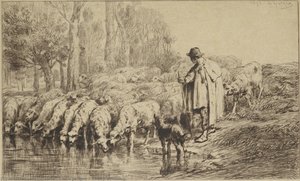
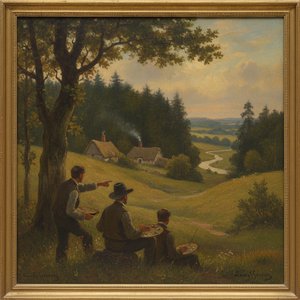
The Sheepfold
 Barbizon School
 1857
1857 46.0 x 92.0 cm
 Tovább olvasom
Kézzel készített olajfestmény reprodukció
Kézzel festett olajvastú vászon, az Ön által választott méretben és keretben, művészeink készítik meglévőre. ( Váltás nyomtatványra Áttérés digitális képre)




































Válasszon előre meghatározott méreteink közül, amelyek megfelelnek a műalkotás eredeti arányainak.

Írja be a kívánt szélességet és magasságot, hogy illeszkedjen a keretéhez vagy a falához. Mivel ez kézzel festett alkotás, egy eltérő formájú méret esetén a művész akár festhet is valamivel többet a kép körül, vagy korolathat is belőle — az Ön döntésének megfelelően. A festés megkezdése előtt küldünk egy digitális tervezetet jóváhagyásra. Az oldalon látható kép nem tartalmazza a végeredményt — csak a tervezet mutatja meg a valódi eredményt.
A rendelést követően a OriginalUniqueArt.com csapata e-mailt küld az ügyfélnek az instrukciókért, és biztosít egy előnézeti képet (mockup).
Világszerte elérhető szállítás () 3-4 hét alatt a szokásos 5 hét helyett. (24 október). A minőség nem kérdőjelezhető.

Ingyenes globális expressz szállítás

Prémium minőségű len vászon

Teljes körű szállítási biztosítás

Vámvisszatérítési Garancia

Tökéletes színarányosság garancia

100 napos visszaküldési garancia (csak gyártási hibás termékek esetén)

100% pénzvisszatérítési garancia

Több darab vásárlásakor kedvezmény
 Az üvegkeretes opció csak 110 cm alatti méretben érhető el

The Sheepfold
Reprodukciós technika
Reprodukció méretei
-


Összesített ár
Ft 96017
Gyakran Ismételt Kérdések
„The Sheepfold”, Charles-Émile Jacque alkotása színei tel愈tek vagy fakók?
A „The Sheepfold”, Charles-Émile Jacque alkotása alkotás Subtle Color telítettségű színekkel készült.
Milyen színek jellemzik a(z) „The Sheepfold”, Charles-Émile Jacque alkotása alkotást?
A „The Sheepfold”, Charles-Émile Jacque alkotása színek identitása: egy Earthy paletta, amelyet Espresso (#583b1c) dominál.
Milyen viszonyban állnak egymáshoz a "The Sheepfold" színei?
A "The Sheepfold" színharmóniája úgy van rögzítve, mint Unified Palette.
A művész életrajza
A Francia Vidékbe Gyökerező Élet
Charles-Émile Jacque, aki 1813-ban született Párizsban, nem a hagyományos művészeti utat volt rendeltelt befutni. Fiatal évei váratlan fordulatot vett, amikor hét évig a francia hadsereg szolgálatában állt. Még a katonai élet fegyelmezett szerkezetében is megszületett veleszületett tehetsége – bár kezdetben nem festészetében, hanem a térképegató gravírozás precíz művészetében,,, tudott kifejeződni. Ez az alapvető képzés, amely rendkívüli pontosságot és megfigyelőkészséget igényelt, meglepően döntővé vált későbbi művészeti törekvéseiben is, beágyazva munkásságának jellegzetességét a részletek iránti elkötelezettség. Ez egy hihetetlen kezdet volt egy olyan festő számára, aki később Franciaország vidéki idilljének szimbólumává vált, mégis sokat mond arról, Jacque alkalmazkodóképességéről és veleszületett művészi szelleméről. A katonaság távozása után rövid ideig illusztrátorként és karikaturistaként tevékenykedett a párizsi folyóiratokban, mielőtt megtalálta valódi hivatását az etiket és a festészet világában.A Barbizon-iskola és a Tájszépi Látás Felvétele
A 19. század közepe Jacque-et a Barbizon felé vonzta, e kis faluba, amely egy forradalmi művészeti mozgalom gócpontjává vált. Párizst sújtó koleraepidemia elől menekülve csatlakozott Jean-François Millethez és más hasonló gondolkodású művészekhez, akik a természetből keresték az inspirációt. Ez a döntő fordulat volt a szakembultól való távolodásban, és az élet őszintebb, realista ábrázolása felé vezető úton. Jacque teljes szívvel magába fogadta ezt az új megközelítést, önmagát a vidéki létezés lényegének megörökítésének szentelte – a csiklást gondozó pásztorok csendes méltóságának, a mezőgazdasági munka lassan ritmusának, a napsütötte rétekben legélő állatok egyszerű szépségének. Festményei nem csupán jelenetek ábrázolásai voltak; mély nyugalommal és harmóniával voltak átárasztva, tükrözve a természet iránti mély tiszteletet. Nem egyszerűen csak *festette* a bárányokat vagy az istállókat; egy érzést, egy hangulatot közvetített – a tájszép élet iránti reverenciát, amely mélyen megérintette a közönséget.A Készzetmester: Festészet és Grafika
Jacque művészeti képessége túlmutatott a festészet keretein. Olyan mesteri szintű etkerzőként és gravírozóként vált ismertté, amely újjáélesztette a 1ért century technikákat és kiterjesztette a grafikai művészet határait. Etiketje ájulat вну, bátor szándékukról és jól átgondolt témáikról, ami Charles Baudelaire gibi kritikusok dicséretét is elnyerte. Henri Béraldi két különálló időszakot különített el Jacque grafikai munkásságában: egy korai szakaszban, amely a holland vinetek inspirálta, és amelyet a spontanitás jellemzett, valamint egy későbbi korszakban, amely nagyobb, részletesebb tárcsákkal mutatta be precíz mesterségét. Ez a kettős mesterség – a ecsettel és a burint is – lehetővé tette számára, hogy szélesebb közönséghez érjen, és megszilárdítsa hírnevét a művészet világának jelentős alakjaként. Nem különálló ágként tekintett a festészetre és a grafikára, hanem egymást kiegészítő utakra a művészi vízió kifejezéséhez. Az irodalmi klasszikusokhoz készített illusztrációi – beleértve Goldsmith *The Vicar of Wakefield* című művét és Wordsworth *Picturesque Greece* alkotását – tovább bizonyították sokoldalúságát és tudását.Örökség és Tartós Hatás
Charles-Émile Jacque 1894-ben távozott, gazdag művészeti örökséget hagyva себе, amely ma is lenyűgözi a nézőket. Kulcsszerepet játszott a francia művészet realizmusának fejlődésében, utat nyitva a következő generációk számára, akik az élet őszinteséggel és érzékenységgel ábrázolásáért küzdöttek. A vidéki élet ábrázolás iránti elkötelezettsége a művészeti táj szerves részévé tette a műfajfestészetet – a mindennapi létezés jeleneteit –, kiemelkedő helyre emelve azt.- Az etiket-reneszánsz úttörője: Jacque a 17. századi etiket-technikák újjáélesztése jelentős hatást gyakorolt a grafikára.
- <Hatása Milletre: Korai munkái és etiketjei mélyen befolyásolták barátját és a Barbizon-iskola társát, Jean-François Milletet.
- <A vidéki élet védelmezője: Megörökítette Franciaország vidéki életének szépségét és méltóságát, létrehozva egy eltűnő életmód tartós vizuális feljegyzését.

Charles-Émile Jacque
1813 - 1894 , Franciaország
Gyors információk
- Artistic Movement Or Style: Barbizon Iskola
- Artists Or Movements Influenced By This Artist: ['Realizmus']
- Artists Who Influenced This Artist: ['Adriaen van Ostade']
- Date Of Birth: 1813
- Date Of Death: 1894
- Full Name: Charles-Émile Jacque
- Nationality: Francia
- Notable Artworks:
- Kiskékék fiú
- A juhkarcolat
- A juhászlány
- Place Of Birth: Paris, Francia
Kapcsolódó cikkek
The Barbizon School: A Professional Guide to Naturalism and Landscape Mastery for Interior Designers
Explore the Barbizon School's mastery of naturalism. An expert guide for hotel designers and procurement managers on sourcing high-quality landscape reproductions to elevate hospitality and corporate interiors with authentic, large-scale fine art solutions.
The Barbizon School: Pioneering Realism & the Pastoral Vision in 19th-Century French Painting
Explore the Barbizon School's pivotal role in 19th-century French painting. Discover how these artists revolutionized landscape art with their commitment to Realism and a profound connection to nature. Learn about key figures like Rousseau, Millet & Corot.

The Hague School: Realism, Atmosphere & the Dawn of Dutch Impressionism
Explore the Hague School's pivotal role in Dutch art history. Discover realism, atmospheric landscapes & its influence on Impressionism. Learn about key artists like Mauve & Maris with OriginalUniqueArt.
Charles-François Daubigny: Pioneering Atmospheric Light & Barbizon Realism
Explore the life & art of Charles-François Daubigny, a pivotal Barbizon School painter. Discover his innovative landscapes, mastery of light, and influence on Impressionism. High-quality reproductions available.
The Barbizon School: The Soulful Origins of Impressionism's Natural Light and Atmospheric Mastery
Discover the profound influence of the Barbizon School on Impressionism. Explore how these masters captured natural light and atmospheric beauty through plein air painting, paving the way for Monet and Renoir. A journey into the soulful origins of landscape art history.