Megtekintés
 Küldés
 Megosztás
 Részletek
 Útmutató

 Letöltés
 Hasonló darabok
 X-ray felvétel
 Diavetítés
 Statisztika
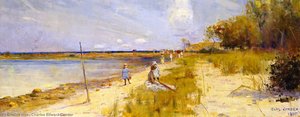
Ricketts Point, Beaumaris
 Oil
Oil- WallArt
- Impressionism
 1890
1890- 19th Century
 215.0 x 120.0 cm
 National Gallery of Australia
 Összes részlet megjelenítése
Giclée / Műnyomat
Múzeumi minőségű giclée vagy vászonnyomat, gyors gyártással és rugalmas finomítási lehetőségekkel. ( Kézzel festett másolat rendelése Áttérés digitális képre)




P118B Ft10

P118H Ft10

P118W Ft10

P438Z Ft10

P508JH Ft12

P508YH Ft12

P805H Ft10

P805Z Ft10

P919BZ Ft10

P919G Ft10

P919XJ Ft10

P959ZH Ft10

P968JZ Ft12

W106C Ft8

W218G Ft10

W218JH Ft8

W218Y Ft10

W307PJ Ft10

W316G Ft10

W316PJ Ft8

W316Y Ft10

W398PJ Ft8

W4111J Ft10

W500HY Ft15

W500JH Ft15

W692G Ft12

W849H Ft8

W940BG Ft15

W953PJ Ft8




Válasszon előre meghatározott méreteink közül, amelyek megfelelnek a műalkotás eredeti arányainak.

Írja be a keretének vagy a falának megfelelő szélességet és magasságot. A nyomatot csak le lehet vágni, soha nem tehető nagyobbá, mint az eredeti kép, így egy eltérő alakú méretnél a kép egy része elveszik. Mielőtt bármit kinyatintanánk, küldünk egy digitális próbamodellt jóváhagyásra. Az oldalon látható kép nem tartalmazza a valós levágást — ezt csak a próbamodell mutatja meg.
Világszerte történő kiszállítás területére mindössze 2 hét alatt, a szokásos 4-5 hét helyett. (28 október)

Ingyenes globális expressz szállítás

Prémium minőségű len vászon

Teljes körű szállítási biztosítás

Vámvisszatérítési Garancia

Hiteles színarányosság garancia

100 napos visszaküldési lehetőség (csak hibás termékek esetén)

100% pénzvisszatérítési garancia

Több darab vásárlásakor kedvezmény
 Az üvegkeretes opció csak 110 cm alatti méretben érhető el

Ricketts Point, Beaumaris
Giclée / Műnyomat
Reprodukció mérete
-


Összesített ár
Ft 25881
A Sun-Drenched Moment in Australian Impressionism
In the luminous masterpiece Ricketts Point, Beaumaris, Charles Edward Conder invites us to step into a world of pure, unadulterated joy. Painted in 1890, this sweeping composition captures more than just a coastal landscape; it captures the very essence of a summer afternoon on the shores of Melbourne. The scene is an exquisite study of light and leisure, where the reflective shallows of the foreground act as a mirror to the sky, drawing the viewer’s eye through the shimmering water toward the distant horizon. Conder, a pivotal figure of the Heidelberg School, demonstrates his profound ability to translate the subtle moods of nature into a vibrant visual language. As we gaze upon the rhythmic movement of the waves and the gentle activity along the shoreline, we are transported to a time when the simple pleasure of watching a sailboat drift across the bay was enough to stir the soul.
The technical brilliance of this work lies in Conder’s bold application of paint and his masterful command of color. Eschewing rigid outlines for a more fluid, impressionistic touch, he uses light to define form and atmosphere. The composition is masterfully balanced; while much of the canvas is dedicated to the expansive, tranquil ocean, the strip of sand and rock provides a grounded stage for human connection. One can almost feel the warmth of the sun through the artist's energetic brushstrokes. The way the light dances upon the wet sand and catches the edges of the figures creates a sense of immediacy, as if the scene were captured in a fleeting heartbeat. For the collector or interior designer, this painting offers a profound sense of openness and vitality, making it an ideal centerpiece for spaces that crave a breath of fresh, coastal air.
The Poetry of Everyday Life
Beyond its technical prowess, Ricketts Point, Beaumaris serves as a poignant narrative of social harmony and the poetic qualities of the natural world. Conder populates his landscape with figures that feel deeply integrated into the environment rather than merely placed upon it. Women in long, flowing dresses wander the shoreline in search of seashells, their movements echoing the gentle ebb and flow of the tide, while a small child plays near the water's edge, embodying the innocent wonder of discovery. This interplay between humanity and nature is central to Conder’s vision; he does not depict man conquering the landscape, but rather finding a rhythmic, peaceful coexistence within it. The presence of the distant sailboat adds a layer of movement and aspiration, suggesting the broader world beyond this intimate coastal retreat.
Historically, this work stands as a testament to the flourishing Australian Impressionist movement, born from the creative synergy between Conder and his contemporaries, Tom Roberts and Arthur Streeton. It reflects a period of intense artistic exploration where the light of the Australian landscape was being redefined through a new, modern lens. To possess a reproduction of such a piece is to hold a fragment of art history—a window into a nostalgic, golden era of Australian life. The emotional impact of the painting is one of profound serenity and optimism; it is a work that celebrates the beauty of the present moment, offering a timeless escape for anyone seeking inspiration, peace, or a touch of classical elegance in their personal surroundings.
Kérdések és válaszok
Mely művészeti irányba tartozik a „Ricketts Point, Beaumaris”, Charles Edward Conder alkotása?
A "Ricketts Point, Beaumaris" a Impressionism egyik alkotása. A művészeti irány meghatározza azt a művészeti hagyományt, amelybe a mű beágyazódik.
Mekkora méretű az eredeti "Ricketts Point, Beaumaris"?
A „Ricketts Point, Beaumaris”, Charles Edward Conder alkotása dokumentált méretei 215 x 120 cm. A reprodukciók más méretben is megrendelhetők, az eredeti arányok megtartásával.
Mit ábrázol a "Ricketts Point, Beaumaris"?
A "Ricketts Point, Beaumaris" alkotás tárgyai: beach, seascape, impressionism, coastal life, leisure, australia, summer day.
A művész életrajza
korai életút és művészeti utazás
Charles Edward Conder, a británában született festő, litografus és tervező maradandót hagyott a művészet világában. 1868. október 24-én született Tottenham, Middlesex megyében; korai gyermekét tragikus veszteség kísérte, hiszen édesanyja Indiában hunyt el, amikor Conder mindössze négy éves volt.művészeti karrier Ausztráliában
1884-ben, mindössze 16 éves korán Conder Ausztrália, Sydney mellett telepedett le, ahol nagybátyja mellett dolgozott földmérőként. Azonban hamar rájött, hogy valódi szenvedélye nem a tájak felmérése, hanem azok ecsetvonalakká varázsolása. 1886-ra időre már olyan neves művészek mellett dolgozott, mint Albert Henry Fullwood és Frank Mahony, mint az Illustrated Sydney News festőművésze.a heidelberg iskola és meghatározó alkotások
Conder mesterműve, a Departure of the Orient – Circular Quay (1888), megmutatta formateremtő képességeinek és virtuóz ecsetvezetésének új diadalonát. Ez a dokkoló parti jelenet, amely a Sydney Cove nyüzsgő kikötőjét ábrázolja, rögtön megvételt nyert a New South Wales Művészeti Galériában, így Conder első alkotása került be egy állami gyűjteménybe.- A holiday at Mentone (1888), egy vidám, életre ábrázoló festmény, amely férfiakat és nőket mutat be a tengerparton pihenő módban, szintén Conder munkásságának egyik kiemelkedő példája.
- A művész kapcsolata G. P. Nerli, egy vándorló olasz festő munkásságával jelentős mélységet adott fejlődésének.
- Melbournei 9 by 5 Impression kiállításban mutatkozott be Tom Roberts és Arthur Streeton mellett, ami végleg rögzítette helyét a heidelberg iskola mozgalmában.
örökség és későbbi évek
Conder későbbi éveit súlyos egészségügyi problémák sújtották, köztük bénulás és a delirium tremens okozta rohamok. Ennek ellenére nem hagyta abba a festést, és a heidelberg iskola kulcsfontosságú alakjaként örök belegondolni a művészetbe. Művészete Angliában kedvesebben fogadták, mint Párizsban; 1892-ben Henri de Toulouse-Lautrec is megfestette portréját. Tekintse meg Conder műveit a New South Wales Művészeti Galériában, vagy fedezze fel a heidelberg iskola további titkait az OriginalUniqueArt Charles Edward Conder oldalán.- Tudjon meg többet Conder életéről és munkáiról a Wikipedia Charles Conder oldalán.
- Böngésszen a Conder festményeinek gyűjteményében az OriginalUniqueArt kínálatában, beleértve az A holiday at Mentone (1888) és a Departure of the Orient – Circular Quay (1888) alkotásokat az OriginalUniqueArt weboldalán.
konklúzió
Charles Edward Conder hatása az ausztrál impresszionizmusra tagadhatatlan. Öröksége, amelyet lenyűgöző festményei és a heidelberg iskola iránti elkötelezettsége meghatároz, ma is inspirációt nyújt a művészettudósoknak és az alkotás szerelmeseinek a világ minden tájáról.
Charles Edward Conder
1868 - 1909 , Egyesült Királyság
Rövid információk
- Artistic Movement Or Style: Heidelberg School
- Artists Who Influenced This Artist:
- Alfred Daplyn
- Victor Mann
- Julian Ashton
- Date Of Birth: 1868. október 24.
- Full Name: Charles Edward Conder
- Nationality: brit
- Notable Artworks:
- Departure of the Orient – Circular Quay
- A holiday at Mentone
- Under The Southern Sun
- Place Of Birth: Tottenham, Egyesült Királyság
Kapcsolódó cikkek

A 10 legikonikus impresszionista tájkép: Művészeti remekművek otthonába – OriginalUniqueArt.com
Fedezze fel a 10 legikonikus impresszionista tájkép festményt! Monet, Renoir és más mesterek alkotásainak története. Olajfestmények, vászonképek otthonába – OriginalUniqueArt.com kínálatából. Explore the full collection online!

Impressionistic Realism's Finest: 10 Masterpieces for Your Home | OriginalUniqueArt
Journey through Impressionistic Realism with 10 iconic masterpieces by Monet, Renoir & Van Gogh. Explore art history, techniques & find museum-quality reproductions for your home at OriginalUniqueArt.com. Discover all masterpieces online!

Capturing Light: A Masterclass in the Ethereal Beauty of Impressionistic Landscapes
Explore the ethereal beauty of Impressionist landscapes. Discover how masters like Monet captured fleeting light through color and texture, and learn to curate these timeless, luminous masterpieces for your home collection.

Renoir Mesterek: A 25 Leglenyűgözőbb Kép a Francia Impresszionizmus Gyöngyszemeiből | OriginalUniqueArt
Fedezze fel Pierre-Auguste Renoir 25 legszebb művét! Ismerje meg az impresszionizmus gyöngyszemeit, a színek és fény játékát. Vásároljon exkluzív Renoir reprodukciókat otthonába a OriginalUniqueArt.com kínálatából – minőségi faliképek és inspiráló dekoráció.

A 10 legikonikus impresszionista tájkép: művészeti remekművek otthonába | OriginalUniqueArt.com
Fedezze fel a 10 legikonikus impresszionista tájkép festményt! Monet, Renoir, Degas és más művészek remekművei. Vászonképek, faliképek otthonába – inspirálódjon OriginalUniqueArt.com-on! Explore the full collection online.