Megtekintés
 Küldés
 Megosztás
 Részletek
 Útmutató

 Letöltés
 Hasonló darabok
 X-ray felvétel
 Diavetítés
 Kérdések és válaszok
 Statisztika
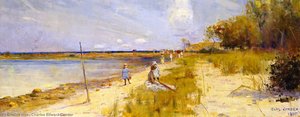
Dieppe


 Összes részlet megjelenítése
Giclée / Műnyomat
Múzeumi minőségű giclée vagy vászonnyomat, gyors gyártással és rugalmas finomítási lehetőségekkel. ( Kézzel festett másolat rendelése Áttérés digitális képre)




P118B Ft10

P118H Ft10

P118W Ft10

P438Z Ft10

P508JH Ft12

P508YH Ft12

P805H Ft10

P805Z Ft10

P919BZ Ft10

P919G Ft10

P919XJ Ft10

P959ZH Ft10

P968JZ Ft12

W106C Ft8

W218G Ft10

W218JH Ft8

W218Y Ft10

W307PJ Ft10

W316G Ft10

W316PJ Ft8

W316Y Ft10

W398PJ Ft8

W4111J Ft10

W500HY Ft15

W500JH Ft15

W692G Ft12

W849H Ft8

W940BG Ft15

W953PJ Ft8




Válasszon előre meghatározott méreteink közül, amelyek megfelelnek a műalkotás eredeti arányainak.

Írja be a keretének vagy a falának megfelelő szélességet és magasságot. A nyomatot csak le lehet vágni, soha nem tehető nagyobbá, mint az eredeti kép, így egy eltérő alakú méretnél a kép egy része elveszik. Mielőtt bármit kinyatintanánk, küldünk egy digitális próbamodellt jóváhagyásra. Az oldalon látható kép nem tartalmazza a valós levágást — ezt csak a próbamodell mutatja meg.
Világszerte történő kiszállítás területére mindössze 2 hét alatt, a szokásos 4-5 hét helyett. (6 november)

Ingyenes globális expressz szállítás

Prémium minőségű len vászon

Teljes körű szállítási biztosítás

Vámvisszatérítési Garancia

Hiteles színarányosság garancia

100 napos visszaküldési lehetőség (csak hibás termékek esetén)

100% pénzvisszatérítési garancia

Több darab vásárlásakor kedvezmény
 Az üvegkeretes opció csak 110 cm alatti méretben érhető el

Dieppe
Giclée / Műnyomat
Reprodukció mérete
-


Összesített ár
Ft 26492
The Scene Unfolds: A Seaside Moment Captured
Charles Edward Conder’s “Dieppe,” painted in 1895, isn't merely a depiction of a coastal scene; it’s an immersion into a fleeting moment of tranquility and observation. The canvas breathes with the muted palette of a late afternoon – a symphony of blues deepening towards the horizon, punctuated by the warm ochres and yellows of the sand and distant buildings. The composition immediately draws the eye along a gentle diagonal path created by the sandy track leading toward the figures strolling along the beach. This isn’t a dramatic seascape; rather, it's an invitation to pause, to contemplate the quiet rhythm of daily life unfolding against the vastness of the sea.
The subject matter itself is deceptively simple: a group of people enjoying a seaside walk. Yet Conder elevates this commonplace activity through his masterful use of Impressionistic techniques. He’s less concerned with precise representation and more interested in capturing the *feeling* of the scene – the diffused light, the sense of warmth, the subtle interplay of color and texture. The figures are rendered with loose brushstrokes, their forms dissolving into the atmosphere, suggesting a momentary impression rather than a detailed portrait.
Impressionistic Techniques: A Dance of Light and Color
Conder’s approach is deeply rooted in Impressionism, a movement that sought to capture the subjective experience of light and color. Notice how he employs broken brushstrokes – short, distinct marks applied side-by-side rather than blended smoothly. This creates a shimmering effect, mimicking the way sunlight dances on water and reflects off surfaces. The layering of paint is equally significant; visible texture adds depth and richness to the canvas, inviting the viewer to examine the surface closely.
The color choices are deliberately restrained, contributing to the overall mood of serenity. He avoids bright, saturated hues, opting instead for a harmonious blend of blues, yellows, and browns. This creates a sense of atmospheric perspective – distant elements appear paler and less distinct, reinforcing the feeling of depth and distance. The use of complementary colors—the blue sky contrasted with the warm sand—further enhances the visual interest and vibrancy of the scene.
Historical Context: The Heidelberg School and Australian Modernism
To understand “Dieppe,” it’s crucial to consider Conder's place within the broader context of Australian art. He was a key figure in the Heidelberg School, a group of artists who developed a distinctly Australian style influenced by Impressionism and Post-Impressionism. Based in Melbourne, the Heidelberg School sought to capture the unique landscapes and light conditions of Victoria’s rural areas.
Conder's move to Sydney in 1884 marked a pivotal moment in his career. He quickly established himself as a talented landscape painter, experimenting with new techniques and styles. “Dieppe” reflects this period of artistic exploration, showcasing Conder’s growing mastery of Impressionistic principles while retaining a distinctly Australian sensibility. The painting's subject matter – a seaside scene – resonated deeply with the Heidelberg School’s focus on capturing the beauty of the natural world.
Symbolism and Emotional Resonance: A Moment of Quiet Reflection
Beyond its technical merits, “Dieppe” possesses a subtle yet powerful symbolic resonance. The figures strolling along the beach represent leisure, connection, and the simple pleasures of life. The vast expanse of the sea symbolizes both opportunity and uncertainty – a reminder of the world beyond our immediate surroundings. The painting evokes a sense of quiet contemplation, inviting the viewer to slow down and appreciate the beauty of the present moment.
Ultimately, “Dieppe” is more than just a landscape; it’s a meditation on light, color, and human experience. It's a testament to Conder's artistic vision and his ability to capture the essence of a fleeting scene with remarkable sensitivity and skill. A reproduction of this work offers a beautiful addition to any collection, bringing a touch of Impressionistic serenity into your home.
Kérdések és válaszok
Ki a szerzője és mikor készült a "Dieppe"?
A "Dieppe" alkotását Charles Edward Conder készítette 1895 évben.
A „Dieppe”, Charles Edward Conder alkotása portré, tájékép vagy négyzet alakú kompozíció?
A "Dieppe" formátuma Landscape. Ez hasznos, amikor tervezünk, hogy a reprodukciót hová helyezzük el.
Mit ábrázol a „Dieppe”, Charles Edward Conder alkotása?
A „Dieppe”, Charles Edward Conder alkotása alkotás témái közé tartozik a seaside, beach, landscape, impressionism, leisure, tranquility, figures, atmosphere. Ezek együtt foglalják össze a mű tárgyát.
A művész életrajza
korai életút és művészeti utazás
Charles Edward Conder, a británában született festő, litografus és tervező maradandót hagyott a művészet világában. 1868. október 24-én született Tottenham, Middlesex megyében; korai gyermekét tragikus veszteség kísérte, hiszen édesanyja Indiában hunyt el, amikor Conder mindössze négy éves volt.művészeti karrier Ausztráliában
1884-ben, mindössze 16 éves korán Conder Ausztrália, Sydney mellett telepedett le, ahol nagybátyja mellett dolgozott földmérőként. Azonban hamar rájött, hogy valódi szenvedélye nem a tájak felmérése, hanem azok ecsetvonalakká varázsolása. 1886-ra időre már olyan neves művészek mellett dolgozott, mint Albert Henry Fullwood és Frank Mahony, mint az Illustrated Sydney News festőművésze.a heidelberg iskola és meghatározó alkotások
Conder mesterműve, a Departure of the Orient – Circular Quay (1888), megmutatta formateremtő képességeinek és virtuóz ecsetvezetésének új diadalonát. Ez a dokkoló parti jelenet, amely a Sydney Cove nyüzsgő kikötőjét ábrázolja, rögtön megvételt nyert a New South Wales Művészeti Galériában, így Conder első alkotása került be egy állami gyűjteménybe.- A holiday at Mentone (1888), egy vidám, életre ábrázoló festmény, amely férfiakat és nőket mutat be a tengerparton pihenő módban, szintén Conder munkásságának egyik kiemelkedő példája.
- A művész kapcsolata G. P. Nerli, egy vándorló olasz festő munkásságával jelentős mélységet adott fejlődésének.
- Melbournei 9 by 5 Impression kiállításban mutatkozott be Tom Roberts és Arthur Streeton mellett, ami végleg rögzítette helyét a heidelberg iskola mozgalmában.
örökség és későbbi évek
Conder későbbi éveit súlyos egészségügyi problémák sújtották, köztük bénulás és a delirium tremens okozta rohamok. Ennek ellenére nem hagyta abba a festést, és a heidelberg iskola kulcsfontosságú alakjaként örök belegondolni a művészetbe. Művészete Angliában kedvesebben fogadták, mint Párizsban; 1892-ben Henri de Toulouse-Lautrec is megfestette portréját. Tekintse meg Conder műveit a New South Wales Művészeti Galériában, vagy fedezze fel a heidelberg iskola további titkait az OriginalUniqueArt Charles Edward Conder oldalán.- Tudjon meg többet Conder életéről és munkáiról a Wikipedia Charles Conder oldalán.
- Böngésszen a Conder festményeinek gyűjteményében az OriginalUniqueArt kínálatában, beleértve az A holiday at Mentone (1888) és a Departure of the Orient – Circular Quay (1888) alkotásokat az OriginalUniqueArt weboldalán.
konklúzió
Charles Edward Conder hatása az ausztrál impresszionizmusra tagadhatatlan. Öröksége, amelyet lenyűgöző festményei és a heidelberg iskola iránti elkötelezettsége meghatároz, ma is inspirációt nyújt a művészettudósoknak és az alkotás szerelmeseinek a világ minden tájáról.
Charles Edward Conder
1868 - 1909 , Egyesült Királyság
Rövid információk
- Artistic Movement Or Style: Heidelberg School
- Artists Who Influenced This Artist:
- Alfred Daplyn
- Victor Mann
- Julian Ashton
- Date Of Birth: 1868. október 24.
- Full Name: Charles Edward Conder
- Nationality: brit
- Notable Artworks:
- Departure of the Orient – Circular Quay
- A holiday at Mentone
- Under The Southern Sun
- Place Of Birth: Tottenham, Egyesült Királyság
Kapcsolódó cikkek
Capturing the Soul: The Most Emotionally Moving Impressionist and Post-Impressionist Masterpieces
Discover the profound emotional depth of Impressionist and Post-Impressionist masterpieces. Explore how legends like Monet, Van Gogh, and Gauguin captured light and soul through evocative landscapes and vibrant brushwork for a timeless connection to art history.

Beyond the Horizon: A Curated Guide to Integrating Post-Impressionist Landscapes into Modern Interiors
Transform your home with the emotive power of Post-Impressionist landscapes. Discover expert tips on selecting hand-painted oil reproductions to create a soulful, vibrant interior that reflects your unique style and connection to nature.

A 10 legikonikus impresszionista tájkép: Művészeti remekművek otthonába – OriginalUniqueArt.com
Fedezze fel a 10 legikonikus impresszionista tájkép festményt! Monet, Renoir és más mesterek alkotásainak története. Olajfestmények, vászonképek otthonába – OriginalUniqueArt.com kínálatából. Explore the full collection online!
Golden Fields & Sun-Drenched Meadows: Capturing the Soul of Impressionist Landscapes
Immerse yourself in the luminous world of Impressionist landscapes. Discover how masters like Monet and Gauguin captured ephemeral light through plein air painting, and learn to bring the soul of sun-drenched meadows into your home with exquisite, hand-painted oil reproductions.

A 10 legikonikus impresszionista tájkép: művészeti remekművek otthonába | OriginalUniqueArt.com
Fedezze fel a 10 legikonikus impresszionista tájkép festményt! Monet, Renoir, Degas és más művészek remekművei. Vászonképek, faliképek otthonába – inspirálódjon OriginalUniqueArt.com-on! Explore the full collection online.