

 Előnézet
 Megosztás
 Megosztás
 Részletek
 Útmutató

 Letöltés
 Hasonló darabok
 X-ray felvétel
 Diavetítés
 Statisztika
Aeneas Carrying Anchises
 Oil On Canvas
- WallArt
- Rococo
 1729
1729 110.0 x 105.0 cm
 Louvre
 Tovább olvasom
Vásároljon nagy felbontású, javított digitális képet, amely minőségében messze felülmúlja az online előnézetet.
Minden fájlt szakembereink a legmodernebb eszközök és precíz, kézi retusálás segítségével készítenek el aprólékosan. Gondoskodunk arról, hogy minden kép kivételes tisztasággal, pontos színhelyességgel és részletgazdag finomsággal rendelkezzen.
A végleges fájl 72 órán belül e-mailben megérkezik, professzionális, szerkesztői és nyomtatási környezetbe optimalizálva az azonnali használathoz. Ez ugyanaz a minőség, amelyben a legmeghatározóbb tervezőstúdiók, kiadók és galériák is megbízhatnak.
Digitális kép
Töltsön le nagy felbontású fájlt személyes kiállításokhoz, nyomtatáshoz és kreatív projektekhez. ( Váltás nyomtatványra Kézzel festett másolat vásárlása)
Minden digitális kép rendeléséhez tartozó extrák
Szakértői digitális kézbesítés, garantáltan
Amikor a OriginalUniqueArt.com szolgáltatást választja, nem csupán egy képet kap – professzionálisan felmagasított digitális műalkotást kap, amely precizitással készült, és amelyet megelégsedési gwarancia tesz biztoslássá. Az alábbiakban automatikusan minden benne 】

Gyors e-mail teslimítés
A nagy felbontású digitális képmásolatát a megrendelést követő 72 órán belül e-mailben elküldjük Önnek – azonnal használható formátumban.

MI-alapú digitális képjavítás
Műve professzionális módon kerül optimalizálásra fejlett mesterséges intelligencia eszközök és manuális szerkesztés segítségével, biztosítva a maximális részletességet, tisztaságot és színpontosságot.

Örök életű ingyenes újradatás
Véletlenül törölted vagy elvesztetted a fájlodat? Ne aggódj – bármikor ingyen újra megküldjük neked.

Nincs importköltség – soha
Élvezze műalkotásait azonnal, vám, illeték vagy szállítási költség nélkül – a digitális letöltések mindig adamentesek.

Színpontosság garantálása
Professzionális eszközök és színkezelés segítségével garantáljuk, hogy digitális képe a lehető legpontosabban tükrözze az eredeti színeket.

100 napos elégedettségi garancia
Ha nemມີ elégedett a digitális képével, 100 napon belül felülvizsgáljuk vagy 100% visszatérítjük az amountot – kérdés बिना.

100% Pénzvisszatérítési garancia
Nem tetszett a vásárlás? 100 napon belül teljes visszatérítést garantálunk a digitális fájl megvételétől számítva – kérdés nélkül.

Tömegrendelési kedvezmények
Vásároljon 3 képet, spóroljon 10%-et - Vásároljon 5-öt, spóroljon 15%-et - Vásároljon 10+ képet, spóroljon 20%-at. Kiváló kreatív projektekhez, galériákhoz és ügynökségekhez.
Aeneas Carrying Anchises: A Testament to Roman Heroism and Rococo Elegance
Charles-André van Loo’s “Aeneas Carrying Anchises,” painted in 1729, is more than just a depiction of a pivotal moment from Virgil's *Aeneid*; it’s a masterful distillation of the Rococo style, imbued with a profound sense of drama and classical gravitas. This artwork, now meticulously reproduced on hand-painted canvas by OriginalUniqueArt, offers a captivating glimpse into 18th-century French artistic sensibilities – a world where mythological narratives intertwined seamlessly with aristocratic life and an exquisite attention to detail reigned supreme.
The scene unfolds within a classically inspired architectural setting, reminiscent of the Temple of Venus or perhaps even the Parthenon, lending an air of timeless grandeur. Van Loo skillfully employs atmospheric perspective – the subtle blurring of details in the background – to draw the viewer’s eye towards the central figures: Aeneas, the Trojan hero, and his aged father, Anchises. The composition is carefully balanced, utilizing a pyramidal structure that reinforces the importance of these two patriarchs. Note the deliberate use of light; it illuminates Aeneas's determined face and the weight of responsibility he carries, while casting a softer glow upon Anchises, suggesting both vulnerability and profound wisdom.
The Rococo Palette: Color, Texture, and Ornamentation
As a leading figure in the Rococo movement, Van Loo’s signature style is immediately recognizable. The painting bursts with rich, layered colors – deep reds, blues, and golds dominate the palette, creating an opulent and luxurious atmosphere. The artist's meticulous brushwork reveals a remarkable attention to texture; from the folds of Aeneas’s cloak to the weathered skin of Anchises, every surface is rendered with incredible realism. Observe how he uses shimmering highlights to capture the light reflecting off polished marble columns and the fabric of their garments – a hallmark of Rococo technique.
The decorative elements are equally noteworthy. The architectural details, while rooted in classical forms, are embellished with intricate moldings, garlands, and subtle flourishes characteristic of the era. Van Loo’s mastery extends to portraying the human form; Aeneas and Anchises are depicted with a graceful elegance that reflects the ideals of beauty prevalent during the Rococo period. The inclusion of other figures in the background – soldiers, attendants, and perhaps even a veiled woman – adds depth and narrative complexity to the scene, hinting at the broader context of the Trojan War and its aftermath.
Symbolism and Narrative Resonance
Beyond its aesthetic beauty, “Aeneas Carrying Anchises” is rich in symbolic meaning. The act of Aeneas carrying his father represents not only filial devotion but also the burden of leadership and the transmission of legacy. Anchises, a descendant of Aeneas and the rightful heir to Troy, embodies the continuity of Roman civilization. The setting itself – a temple or monumental structure – elevates the scene to a realm of mythic importance, suggesting that Aeneas’s journey is not merely a personal quest but a destiny ordained by the gods.
Furthermore, the presence of the woman in the background has been interpreted as representing Fides (Faith) or perhaps even Venus herself, subtly reinforcing the themes of duty, honor, and divine guidance. The painting's overall mood is one of solemn determination tempered with a poignant sense of loss – a reminder of the sacrifices required to fulfill a noble purpose. OriginalUniqueArt’s faithful reproduction captures this nuanced emotional depth, allowing viewers to fully appreciate the artistry and storytelling embedded within Van Loo’s masterpiece.
Bringing “Aeneas Carrying Anchises” Home
Whether you're an art enthusiast, a collector seeking to enrich your collection, or simply someone looking for a stunning addition to your interior décor, OriginalUniqueArt’s hand-painted reproduction of “Aeneas Carrying Anchises” offers the perfect opportunity to own a piece of 18th-century artistic history. The meticulous detail and vibrant colors faithfully recreate Van Loo's original vision, while the canvas medium provides a timeless quality that will endure for generations to come. Explore our selection of sizes and framing options to find the ideal representation for your space – and experience the enduring power of this iconic artwork.
Művész életrajza
Korai élet és képzés
- Született: 1705. február 15., Nice, Franciaország
- Csalháttér: Louis-Abraham van Loo fia és Jean-Baptiste van Loo fiatalabb testvére. Egy sikeres holland festődynasztia tagja.
- Kora tanulmányai: Első fokú képzés Torinóban, amelyet rózai tanulmányok követtek (1712), Benedetto Luti és Pierre Legros mesterek alatt.
- Párizsi tanulmányok: A Királyi Akadémián (Académie royale) vett részt, ahol 1723-ban első díjat nyert rajz témaiban, majd 1727-ben a történelmi festészet kategóriában is kitüntetve.
Művészeti karrier és meghatározó alkotások
- Stílus: Elsősorban a rokokó festészete miatt ismert, melynek alapját az elegancia, a finom kecsesség és a díszes részletgazdag kidolgozás adja.
- Témakörök: Rendkívül sokszínű repertoár, amely magában foglal portrékat, mitológiai jeleneteket, történelmi festményeket, allegóriákat és életképeket is.
- Jelentős alkotások:
- Vénusz és Amor (Kunsthalle Bremen) – A rokokó stílus mesteri tudását példázza.
- A vadászat megállása (The Metropolitan Museum of Art) – Az aristokrata életmód és tevékenységek megörökítése.
- Marie Leszczynska, Franciaország királynéja portréja – Egy kiemelkedő királyi portré.
- Jupiter és Antiope – Mitológiai motívumok mesteri ábrázolása.
- Önarckép – Mély betekintést nyújt a művész önmegítérésébe.
- Perzefusz és Androméda (több változatban) – A klasszikus mitológia ábrázolásának kiváló példája.
- Mademoiselle Clairon Medea szerepében (kisméretű változat) – Egy lenyűgöző, 1760-as rokokó portré.
Mecénások és királyi elismerések
- Királyi protekció: Madame de Pompadour és a francia udvar kedvezményét élvezte.
- <Udvari kinevezés: 1762-ben neveztek ki a király, XV. Lajos első festőjének, ami rendkívül tekintélyes pozíció volt.
- Szent Mihály-rend: Szent Mihály-renddel díszítették, ami a királyi kegyelem és elismerés szimbóluma volt.
Hatások és örökség
- Családi hatás: Életműve erőteljesen meghatározott apja és bátyja, akik mindketten tehetséges festők voltak.
- Rivalitás: Versenytárs volt François Boucher-val, egy másik meghatározó rokokó művészzel.
- Modern francia iskola: „Stílusának egyszerűsége és tervezeteinek pontossága” jelentős hatást gyakorolt a modern francia festészet iskolájára.
- Kritikai sors: Bár kritikusi rangja az idő течениеn változott, képességei és munkásságának szélessége általa elismert tiszteletet vált ki.
Múzeumi gyűjtemények és további felfedezés
- Múzeumi jelenlét: Alkotásai neves múzeumokban kaptak helyet, többek között a Louvre-ban (A Szűz házassága), a Kunsthalle Bremenben és a Metropolitan Múzeumban.
- További források:
- OriginalUniqueArt Charles-André van Loo oldal: https://www.OriginalUniqueArt.com/artists/charles-andre-van-loo/
- OriginalUniqueArt Örökké Legnagyobb Művészek oldala: https://www.OriginalUniqueArt.com/greatest-artists
- OriginalUniqueArt Virtuális Múzeum: https://www.OriginalUniqueArt.com/
- Wikipedia cikk: https://en.wikipedia.org/wiki/Charles-Andr%C3%A9_van_Loo
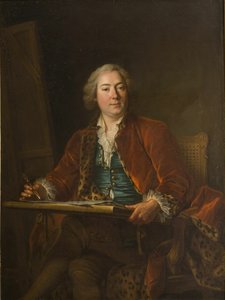
Charles André van Loo
1705 - 1765 , Francia
Rövid tények
- Artistic Movement Or Style: Rococo festmény
- Artists Who Influenced This Artist:
- Benedetto Luti
- Pierre Le Gros
- Date Of Birth: Februar 15., 1705.
- Full Name: Charles-André van Loo
- Nationality: Francia
- Notable Artworks:
- Venus és Amor
- Vadász megállapítása
- Mária Leszczynska portréja
- Jupiter és Antiope
- Öniség portréja
- Perseusz és Andromeda
- Place Of Birth: Nice, Francia