
 Megtekintés
 Küldés
 Megosztás
 Részletek
 Útmutató

 Letöltés
 Hasonló darabok
 X-ray felvétel
 Diavetítés
 Q&A
Q&A Statisztika
Ábra egy fa tanulmánya

- 392.0 x 265.0 cm


 Összes részlet megjelenítése
Giclée / Műnyomat
Múzeumi minőségű giclée vagy vászonnyomat, gyors gyártással és rugalmas finomítási lehetőségekkel. ( Kézzel festett másolat rendelése Áttérés digitális képre)




P118B Ft10

P118H Ft10

P118W Ft10

P438Z Ft10

P508JH Ft12

P508YH Ft12

P805H Ft10

P805Z Ft10

P919BZ Ft10

P919G Ft10

P919XJ Ft10

P959ZH Ft10

P968JZ Ft12

W106C Ft8

W218G Ft10

W218JH Ft8

W218Y Ft10

W307PJ Ft10

W316G Ft10

W316PJ Ft8

W316Y Ft10

W398PJ Ft8

W4111J Ft10

W500HY Ft15

W500JH Ft15

W692G Ft12

W849H Ft8

W940BG Ft15

W953PJ Ft8




Válasszon előre meghatározott méreteink közül, amelyek megfelelnek a műalkotás eredeti arányainak.

Írja be a keretének vagy a falának megfelelő szélességet és magasságot. A nyomatot csak le lehet vágni, soha nem tehető nagyobbá, mint az eredeti kép, így egy eltérő alakú méretnél a kép egy része elveszik. Mielőtt bármit kinyatintanánk, küldünk egy digitális próbamodellt jóváhagyásra. Az oldalon látható kép nem tartalmazza a valós levágást — ezt csak a próbamodell mutatja meg.
Világszerte történő kiszállítás területére mindössze 2 hét alatt, a szokásos 4-5 hét helyett. (1 november)

Ingyenes globális expressz szállítás

Prémium minőségű len vászon

Teljes körű szállítási biztosítás

Vámvisszatérítési Garancia

Hiteles színarányosság garancia

100 napos visszaküldési lehetőség (csak hibás termékek esetén)

100% pénzvisszatérítési garancia

Több darab vásárlásakor kedvezmény
 Az üvegkeretes opció csak 110 cm alatti méretben érhető el

Ábra egy fa tanulmánya
Giclée / Műnyomat
Reprodukció mérete
-


Összesített ár
Ft 26198
Cesare da Sesto és Egy Fa Szerkesztése – Egy Leonardo Szellem Utóda
A tizsé századi florentói művészettörténet egyik jelentős alakja, Cesare da Sesto (1477–1523) egy olyan alkotótörténeti korszakban ismertünk meg, amikor Leonardo da Vinci innovatív módszerei és perspektívája nagy hatással voltak az európai művészekre. Egy különösen érdekes művéből, egy fa tanulmányából ismerjük meg őt – egy olyan alkotást, amely bizonyítja Cesare tudását és kreativitását Leonardo Da Vincinek köszönhetően. Ez a mű egy igazi zenit időszakában született Milánban és környékében, amikor az artista környezetében olyan nagyhatású művészek tevékenykedtek, mint Bernardino Luini és Marco d’Oggione is. Együtt Leonardo Da Vincivel alakult ki egy közös művészi hagyományt, ami Cesare művészetének alapját képezte. A fa tanulmány egy egyszerű, mégis mély jelentésű alkotás. Cesare nem próbált meg nagy tájképet festeni vagy komplex kompozíciót létrehozni; inkább egyetlen fát ábrázolt részletes figyelettel és precíz technikával – egy olyan művet, amely tükrözi Leonardo Da Vinci által használt új szemléleteket és perspektívákat. Az alkotó célja nem elsősorban az önmagában álló szépség megmutatása volt, hanem egy természetes jelenség pontos ábrázolása és vizsgálata. Cesare művészete egy időszak szellemét tükrözi – egy korszakot, amikor a humanisták gondolkodása és tudományos érdeklődése előtérbe került Milánban és Itália egészében. A tanulmány egy nagybetűs és kisbetűs kombinációjával jelzett egyszerű anyagból készül: egy erős fehér színű papírra kerülő fekete tinta és karbon használata jellemző Cesare technikájára. Az alkotó részletes vonalrajzokat készített, melyek pontosan követik meg az fa szerkezetét és növényzetét – egy olyan művészi megközelítést, amely tükrözi Leonardo Da Vinci által használt új szemléleteket és perspektívákat. Cesare használta a karbon és tinta kombinációját, hogy különböző árnyalatokat és mélységet érjen el, ami különösen fontos volt az időszak nagyhatású művészei számára. Egy ilyen technikával lehet igazán megközelíteni egy természetes jelenség pontos ábrázolását és vizsgálatát. A tanulmány egy közepesen nagy méretű alkotás – 392 cm széles és 265 cm magas papírra kerülő művéből. Cesare Da Sesto műve egy igazi zenit időszakában született Milánban és környékében, amikor az artista környezetében olyan nagyhatású művészek tevékenykedtek, mint Bernardino Luini és Marco d’Oggione is. Együtt Leonardo Da Vincivel alakult ki egy közös művészi hagyományt, ami Cesare művészetének alapját képezte. Ez a tanulmány egy különösen részletes és pontos ábrázolást mutat először Leonardo Da Vincinek köszönhetően. Egy ilyen technikával lehet igazán megközelíteni egy természetes jelenség pontos ábrázolását és vizsgálatát. A művészi stíluson belül Cesare Da Sesto műve egy nagybetűs és kisbetűs kombinációjával jelzett egyszerű anyagból készül: Egy erős fehér színű papírra kerülő fekete tinta és karbon használata jellemző Cesare technikájára. Az alkotó részletes vonalrajzokat készített, melyek pontosan követik meg az fa szerkezetét és növényzetét – egy olyan művészi megközelítést, amely tükrözi Leonardo Da Vinc által használt új szemléleteket és perspektívákat. Cesare használta a karbon és tinta kombinációját, hogy különböző árnyalatokat és mélységet érjen el, ami különösen fontos volt az időszak nagyhatású művészei számára. Egy ilyen technikával lehet igazán megközelíteni egy természetes jelenség pontos ábrázolását és vizsgálatát. Ez a tanulmány egy igazi zenit időszakában született Milánban és környékében, amikor az artista környezetében olyan nagyhatású művészek tevékenykedtek, mint Bernardino Luini és Marco d’Oggione is. Együtt Leonardo Da Vincivel alakult ki egy közös művészi hagyományt, ami Cesare művészetének alapját képezte.Kérdések és válaszok
Mennyire tel愈t a "Ábra egy fa tanulmánya" színpalettája?
A „Ábra egy fa tanulmánya”, Cesare da Sesto alkotása alkotás Értékmentesen fakó telítettségű színekkel készült.
Milyen orientációjú a „Ábra egy fa tanulmánya”, Cesare da Sesto alkotása?
A "Ábra egy fa tanulmánya" formátuma Portrait. Ez hasznos, amikor tervezünk, hogy a reprodukciót hová helyezzük el.
Erős fény-árnyék kontrasztot mutat-e a "Ábra egy fa tanulmánya"?
A „Ábra egy fa tanulmánya”, Cesare da Sesto alkotása Nyugodt kontrasztot mutat a világos és sötét részek között.
A művész életrajza
The Florentine Master Shaped by Leonardo
Cesare da Sesto (1477–1523) stands as a pivotal figure in the Florentine Renaissance, an artist whose legacy resides primarily within the vibrant artistic milieu of Milan and its surrounding territories. Born in Sesto Calende, Lombardy—a region renowned for its patronage of the arts—Sesto’s formative years coincided with the zenith of Leonardo da Vinci's influence, fostering a stylistic kinship that would permeate his entire oeuvre. As part of the influential Leonardeschi group, artists like Bernardino Luini and Marco d’Oggione similarly absorbed Da Vinci’s innovative approaches to perspective and chiaroscuro, establishing Sesto firmly within this prestigious artistic lineage.
His journey was one of constant movement and profound immersion in the great centers of Italian culture. Evidence suggests he honed his skills under Baldassare Peruzzi in Rome during 1505, immersing himself in the burgeoning humanist spirit of the papal court. This period yielded notable commissions, such as a lunette adorning the Sant’Onofrio Basilica and several paintings executed in Campagnano Romano, demonstrating Sesto's early aptitude for capturing emotive narratives within meticulously crafted compositions. His artistic evolution was marked by an ability to blend the soft, atmospheric sfumato of the Milanese tradition with the structural grandeur found in Roman classicism.
A Legacy of Devotion and Drama
The breadth of Sesto's talent is perhaps most visible in his mastery of both monumental religious narratives and intimate, detailed studies. His work often captures a sense of profound spiritual weight, balanced by a classical beauty that defines the High Renaissance. Notable examples of his skill include:
- Holy Family with St Catherine: A stunning oil painting that serves as a masterpiece of the era, showcasing a perfectly balanced composition and the delicate use of sfumato to create lifelike, tender figures.
- Salomè with head of John the Baptist: A hauntingly beautiful exploration of grief and loss, where rich colors and masterful technique bring a dramatic, classical tragedy to life.
- Study of a Tree: A testament to his dedication to naturalism, this meticulous black and white sketch reveals his ability to capture textural bark rendering and subtle tonal variations through a radial composition.
A significant chapter of his career unfolded in Naples between 1514 and 1515, where Sesto undertook a prolific artistic output that cemented his reputation as a versatile painter. The culmination of this period arrived with the completion of the monumental Adoration of the Magi, an artwork that profoundly impacted subsequent artists operating within Southern Italy—a piece now housed in the Museo Nazionale di Napoli.
Final Years and Historical Significance
Returning to Milan in 1520, Sesto embarked on yet another ambitious undertaking: the fresco cycle for San Rocco Church, a collaborative effort with Bernardino Bernazzano. Although much of his original work from certain projects has sadly vanished over the centuries, his impact on the development of the Lombard school remains undeniable. He successfully bridged the gap between the experimental innovations of Leonardo and the more structured, classical demands of the later Renaissance.
Today, Cesare da Sesto is remembered not merely as a follower of Da Vinci, but as a master in his own right who brought a unique emotional depth to the religious and naturalistic subjects of his time. His ability to navigate the complex demands of papal commissions, large-scale polyptychs, and delicate sketches ensures his place in the pantheon of the great Italian Renaissance masters.

Cesare da Sesto
1477 - 1523 , Italy
Rövid információk
- Artistic Movement Or Style: Florentine Renaissance, Leonardeschi
- Artists Who Influenced This Artist:
- Leonardo da Vinci
- Baldassare Peruzzi
- Full Name: Cesare da Sesto
- Nationality: Italian
- Notable Artworks:
- Holy Family with St Catherine
- Salome with head of John the Baptist
- Study of a Tree
- Madonna and Child with the Lamb of God
- Adoration of the Magi
- Place Of Birth: Sesto Calende, Italy
- Date Of Birth: 1477
- Date Of Death: 1523
Kapcsolódó cikkek

Leonardo da Vinci 25 Mesterműve: Festmények, Rajzok és a Reneszánsz Zsenije – OriginalUniqueArt.com
Fedezze fel Leonardo da Vinci 25 legikonikusabb művét! Ismerje meg a Mona Lisa, az Utolsó Vacsora és más reneszánsz remekművek történetét. Museum-minőségű reprodukciók és inspiráló otthon dekorációs ötletek – OriginalUniqueArt.com.

A Louvre gyöngyszemei: 25 műalkotás, melyek inspirálják otthonát – OriginalUniqueArt
Fedezze fel a Louvre múzeum 25 legikonikusabb műalkotását! Leonardo da Vinci, Delacroix és más mesterek festményeinek története. Inspirálja otthonát klasszikus szépséggel – OriginalUniqueArt.
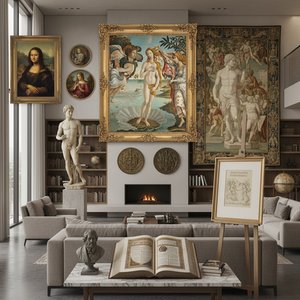
Reneszánsz Humanizmus 10 Mesterműve: A Szellemiség Újjászületése a Falakon
Fedezze fel a Reneszánsz Humanizmus 10 legikonikusabb műalkotását! Leonardo da Vinci, Michelangelo és más mesterek festményeinek története. Vászonképek reprodukciói otthonába – OriginalUniqueArt.com kínálatából. Explore the full collection online!

A Firenze Uffizi Galéria 25 Mesterműve: Reneszánsz Győgyöngyök a Ház Falain
Fedezze fel a Firenze Uffizi Galéria 25 legikonikusabb műalkotását! Leonardo, Michelangelo, Botticelli és más reneszánsz mesterek festményeinek története. Művészeti reprodukciók otthonába – OriginalUniqueArt.com.
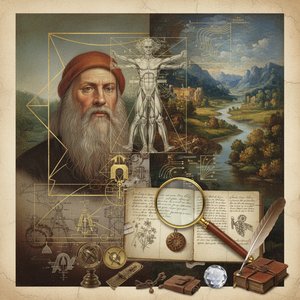
Leonardo da Vinci: A Renaissance Master’s Synthesis of Art, Science & Human Observation – Reinterpreted for the Collector
Explore Leonardo da Vinci’s timeless masterpieces with OriginalUniqueArt. Discover insights into his art, science, and legacy – trusted expertise for discerning collectors seeking authentic reproductions & investment opportunities.
