
 Megtekintés
 Küldés
 Megosztás
 Részletek
 Útmutató

 Letöltés
 Hasonló darabok
 X-ray felvétel
 Diavetítés
 Kérdések és válaszok
 Statisztika
Helena de Kay Gilder

- 79.0 x 53.0 cm


 Összes részlet megjelenítése
Giclée / Műnyomat
Múzeumi minőségű giclée vagy vászonnyomat, gyors gyártással és rugalmas finomítási lehetőségekkel. ( Kézzel festett másolat rendelése Áttérés digitális képre)




P118B Ft10

P118H Ft10

P118W Ft10

P438Z Ft10

P508JH Ft12

P508YH Ft12

P805H Ft10

P805Z Ft10

P919BZ Ft10

P919G Ft10

P919XJ Ft10

P959ZH Ft10

P968JZ Ft12

W106C Ft8

W218G Ft10

W218JH Ft8

W218Y Ft10

W307PJ Ft10

W316G Ft10

W316PJ Ft8

W316Y Ft10

W398PJ Ft8

W4111J Ft10

W500HY Ft15

W500JH Ft15

W692G Ft12

W849H Ft8

W940BG Ft15

W953PJ Ft8




Válasszon előre meghatározott méreteink közül, amelyek megfelelnek a műalkotás eredeti arányainak.

Írja be a keretének vagy a falának megfelelő szélességet és magasságot. A nyomatot csak le lehet vágni, soha nem tehető nagyobbá, mint az eredeti kép, így egy eltérő alakú méretnél a kép egy része elveszik. Mielőtt bármit kinyatintanánk, küldünk egy digitális próbamodellt jóváhagyásra. Az oldalon látható kép nem tartalmazza a valós levágást — ezt csak a próbamodell mutatja meg.
Világszerte történő kiszállítás területére mindössze 2 hét alatt, a szokásos 4-5 hét helyett. (5 november)

Ingyenes globális expressz szállítás

Prémium minőségű len vászon

Teljes körű szállítási biztosítás

Vámvisszatérítési Garancia

Hiteles színarányosság garancia

100 napos visszaküldési lehetőség (csak hibás termékek esetén)

100% pénzvisszatérítési garancia

Több darab vásárlásakor kedvezmény
 Az üvegkeretes opció csak 110 cm alatti méretben érhető el

Helena de Kay Gilder
Giclée / Műnyomat
Reprodukció mérete
-


Összesített ár
Ft 26492
A Portrait of Poignant Grace
In the quiet, evocative realm of Cecilia Beaux’s 1911 masterpiece, Helena de Kay Gilder, we encounter more than just a likeness; we enter a profound meditation on grief and enduring devotion. This intimate portrait captures Beaux’s lifelong friend and mentor at a pivotal moment of transition, following the untimely passing of her husband, the celebrated poet Richard Watson Gilder. The painting serves as a tender window into the soul of a woman navigating the heavy shadows of loss while maintaining an aura of quiet dignity. As the viewer gazes upon Gilder, there is an immediate sense of being invited into a private moment of introspection, where the weight of the past meets the resilience of the present.
Beaux’s technical mastery is on full display through her signature blend of academic realism and Impressionistic light. She renders the subject's features with remarkable precision, capturing the subtle, melancholic nuances of a gaze directed outward—a look that seems to pierce through the canvas to touch the viewer's own emotions. The artist employs delicate tonal gradations and a diffused, ethereal light that softens the edges of the figure, creating an atmosphere of dreamlike solemnity. By utilizing a deliberately abstract backdrop, Beaux eschews distracting details, allowing the suggestive brushstrokes to echo the contours of Gilded Age elegance and focus all emotional energy upon the sitter herself.
Symbolism and the Language of Memory
Beyond its formal beauty, the painting is rich with the Victorian language of flowers, a subtle yet powerful tool for communicating deep-seated emotions. Within the composition, Beaux skillfully incorporates geranium ivy, a botanical symbol representing bridal favor and fidelity. This choice is deeply intentional, serving as a silent tribute to Gilder’s enduring love and the unbreakable bonds of marriage even in the face of death. Such symbolic layers transform the portrait from a mere social record into a poetic narrative of remembrance.
For collectors and interior designers, this work offers an unparalleled opportunity to introduce a piece of profound historical depth into a curated space. The somber palette of blacks and muted tones, contrasted with the organic textures of the plants, provides a sophisticated focal point that commands attention without overwhelming its surroundings. Whether placed in a formal study or a contemplative sitting room, a high-quality reproduction of this work brings with it an air of intellectual prestige and emotional resonance, making it an exquisite choice for those who seek art that speaks to the complexities of the human experience.
Kérdések és válaszok
Milyen érzelmet közvetít a Impressionistic Realism korszakból származó "Helena de Kay Gilder" című alkotás?
A „Helena de Kay Gilder” Melancholic hangulata kíséri a Impressionistic Realism stílusát.
Mennyire tel愈t a "Helena de Kay Gilder" színpalettája?
A „Helena de Kay Gilder”, Cecília Beaux alkotása alkotás Subtle Color telítettségű színekkel készült.
Mely korszakban készült a „Helena de Kay Gilder”, Cecília Beaux alkotása?
A "Helena de Kay Gilder" a 19th Century korszak alkotása.
A művész életrajza
A Life Illuminated: The World of Cecilia Beaux
Cecilia Beaux, born Eliza Cecilia Beaux on May 1st, 1855, in Philadelphia, emerged as a pivotal figure in American portraiture during the Gilded Age. Her story is one woven with threads of personal tragedy, determined self-reliance, and an unwavering commitment to artistic excellence. The shadow of early loss fell upon her life when her mother succumbed to puerperal fever just twelve days after Beaux’s birth, leaving a void that would subtly shape her perspective. Raised by her maternal grandmother and aunts in Philadelphia, she experienced a childhood marked by both stability and the quiet absence of parental guidance. Her father, unable to cope with his grief, returned to France for extended periods, creating a somewhat detached familial dynamic. Yet, within this framework, Beaux’s artistic inclinations were nurtured, initially through lessons with her relative Catherine Ann Drinker, an accomplished artist who served as an early role model and mentor. These formative years instilled in her not only technical skills but also a profound understanding of the dedication required to pursue a life devoted to art.Forging a Path: Education and Early Influences
Beaux’s artistic education continued under Francis Adolf van der Wielen, where she honed her skills in perspective and drawing from casts. However, the societal constraints of the Victorian era presented significant obstacles for aspiring female artists; direct study of anatomy was largely denied to women until much later in her career. Undeterred, Beaux persevered, securing a place at the prestigious Pennsylvania Academy of the Fine Arts in 1876. While she maintained a degree of independence from the fervent followers of Thomas Eakins, his progressive teaching philosophy undeniably influenced her approach to art. It was during this period that Beaux began to establish herself as a skilled portraitist, winning several Mary Smith Prizes at the Pennsylvania Academy exhibitions between 1885 and 1892 – accolades that signaled her rising talent and recognition within the artistic community. A crucial turning point came with her decision to study in Paris in 1888, immersing herself in the European art scene and absorbing influences from academic masters like Tony Robert-Fleury and William-Adolphe Bouguereau, as well as the burgeoning Impressionist movement exemplified by artists such as Édouard Manet and Edgar Degas. This exposure broadened her artistic horizons and refined her technique, laying the foundation for her distinctive style. Beaux’s early works often reflected a classical sensibility, demonstrating a careful attention to detail and a mastery of traditional techniques.A Master of Society Portraiture
Upon returning to Philadelphia, Cecilia Beaux quickly ascended to prominence as a sought-after portraitist, capturing the essence of America’s social and intellectual elite with remarkable sensitivity and skill. Her portraits weren't merely likenesses; they were insightful studies of character, imbued with psychological depth and an elegant aesthetic sensibility. She possessed an extraordinary ability to convey not only the physical appearance but also the inner lives of her subjects. Her paintings often featured wealthy industrialists, prominent politicians, and socialites, reflecting the opulence and dynamism of the Gilded Age. Beaux’s style evolved over time, incorporating elements of Impressionism while retaining a strong sense of formal structure and classical restraint. She was particularly adept at capturing fleeting expressions and subtle nuances of personality, creating portraits that felt both intimate and grand. Her masterpiece, *Portrait of Harriet Sears Amory* (1892), exemplifies this mastery – a vibrant and emotionally resonant depiction of a wealthy Philadelphia socialite. Executed with bravura brushstrokes and a heavy impasto reminiscent of Impressionism, it showcases Beaux’s technical prowess and her ability to capture both the grandeur and vulnerability of her sitter. Along with John Singer Sargent and William Merritt Chase, Beaux became one of the leading portraitists in the United States at the turn of the twentieth century. Chase himself famously declared her “not only the greatest living woman painter, but the best that has ever lived,” a testament to the high regard she held within artistic circles. Her clientele included First Lady Edith Roosevelt, Admiral Sir David Beatty, and Georges Clemenceau, solidifying her reputation as a chronicler of the Gilded Age.Legacy and Enduring Influence
Cecilia Beaux’s contributions extended beyond her captivating portraits; she also broke barriers for women in the art world. She was the first woman to teach at the Pennsylvania Academy of the Fine Arts, paving the way for future generations of female artists. Her dedication to her craft earned her numerous accolades, including a gold medal from the National Institute of Arts and Letters and recognition from Eleanor Roosevelt as “the American woman who had made the greatest contribution to the culture of the world.” Her works are now held in esteemed collections such as The Westmoreland Museum of American Art and the Pennsylvania Academy of the Fine Arts, ensuring her legacy endures for generations to come. Beaux’s art continues to resonate with viewers today, offering a glimpse into a bygone era while simultaneously celebrating the enduring power of human connection and artistic expression. *Landscape with Farm Building*, painted in 1888, demonstrates her skill beyond portraiture, showcasing an evocative Impressionistic style applied to rural American life. Her ability to seamlessly blend technical mastery with emotional depth cemented her place as a significant figure in the history of American art, and continues to inspire artists and art lovers alike.Notable Works
* *Portrait of Harriet Sears Amory* (1892) * *Portrait of Georges Clemenceau* (1919) * *Admiral Sir David Beatty* (1917) * *Mrs. William K. Woolworth* (1906) * *The Last Days of Infancy* (1888)
Cecília Beaux
1855 - 1942 , Egyesült Államok
Rövid információk
- Artistic Movement Or Style: Impressionizmus, portréfestés
- Artists Or Movements Influenced By This Artist: ['William Merritt Chase']
- Artists Who Influenced This Artist:
- Thomas Eakins
- John Singer Sargent
- Date Of Birth: 1855-05-01
- Date Of Death: 1942-09-17
- Full Name: Cecilia Beaux
- Nationality: Amerikai Egyesült Államok
- Notable Artworks:
- Harriet Sears Amory
- Georges Clemenceau
- Man with the Cat
- Place Of Birth: Philadelphia, USA
Kapcsolódó cikkek
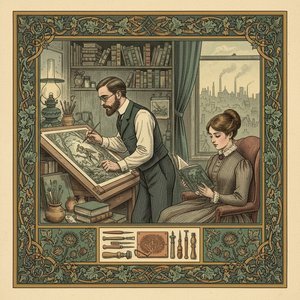
The Refined Aesthetic of Victorian Illustration: A Study in Narrative & Technique
Explore the captivating world of Victorian illustration! Discover Pre-Raphaelite influences, key artists like Rossetti & Stephens, and the era's rich narrative detail. A deep dive for art enthusiasts.

William Powell Frith: Narratives of Victorian Society & the Rise of Realist Painting
Explore the life & works of William Powell Frith, the 'greatest British painter of social scenes.' Discover his iconic Victorian genre paintings and learn about his lasting impact on realist art. Hand-painted reproductions available.
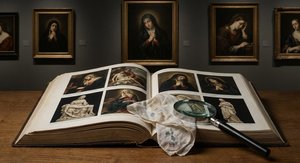
The Visceral Language of Loss: Exploring Grief's Depiction in Art History
Explore the profound history of grief in art with OriginalUniqueArt. Discover Renaissance & Baroque masterpieces depicting loss, mourning, and faith. Expert insights & handmade reproductions available.
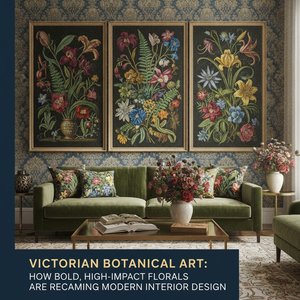
Victorian Botanical Art: How Bold, High-Impact Florals are Reclaiming Modern Interior Design
Discover how Victorian botanical art is transforming modern spaces. Explore high-impact floral aesthetics, from Marianne North's tropical drama to bold, hand-painted reproductions that bring vintage scientific beauty into contemporary urban design.

Dante Gabriel Rossetti 25 Mesterműve: Szépség és Lelkiség a Vásznon – OriginalUniqueArt
Fedezze fel Dante Gabriel Rossetti 25 legszebb művészeti alkotását! Ismerje meg a prerafaeliták titkait, a viktoriánus festészet szépségét és a romantikus szimbolizmus mélységeit. Prémium minőségű art reprodukciók a OriginalUniqueArt-on – inspiráció otthonába!
