

 Megtekintés
 Küldés
 Megosztás
 Részletek

 Letöltés
 Hasonló darabok
 X-ray felvétel
 Diavetítés
 Statisztika
The church tower
 Összes részlet megjelenítése
Vásároljon nagy felbontású, javított digitális képet, amely minőségében messze felülmúlja az online előnézetet.
Minden fájlt szakembereink a legmodernebb eszközök és precíz, kézi retusálás segítségével készítenek el aprólékosan. Gondoskodunk arról, hogy minden kép kivételes tisztasággal, pontos színhelyességgel és részletgazdag finomsággal rendelkezzen.
A végleges fájl 72 órán belül e-mailben megérkezik, professzionális, szerkesztői és nyomtatási környezetbe optimalizálva az azonnali használathoz. Ez ugyanaz a minőség, amelyben a legmeghatározóbb tervezőstúdiók, kiadók és galériák is megbízhatnak.
Digitális kép
Töltsön le nagy felbontású fájlt személyes kiállításokhoz, nyomtatáshoz és kreatív projektekhez. ( Áttérés Nyomtatványra Kézzel festett másolat rendelése)
Minden digitális kép rendeléséhez tartozó extrák
Szakértői digitális kézbesítés, garantáltan
Amikor a OriginalUniqueArt.com szolgáltatást választja, nem csupán egy képet kap – professzionálisan felmagasított digitális műalkotást kap, amely precizitással készült, és amelyet megelégsedési gwarancia tesz biztoslássá. Az alábbiakban automatikusan minden benne 】

Gyors e-mail teslimítés
A nagy felbontású digitális képmásolatát a megrendelést követő 72 órán belül e-mailben elküldjük Önnek – azonnal használható formátumban.

MI-alapú digitális fejlesztésű fájl
Műve professzionális módon kerül optimalizálásra fejlett mesterséges intelligencia eszközök és manuális szerkesztés segítségével, biztosítva a maximális részletességet, tisztaságot és színpontosságot.

Örök életű ingyenes újradelivery
Véletlenül törölted vagy elvesztetted a fájlodat? Ne aggódj – bármikor ingyen újra megküldjük neked.

Nincs importköltség – soha
Élvezze műalkotásait azonnal, vám, illeték vagy szállítási költség nélkül – a digitális letöltések mindig adamentesek.

Színpontosság garantálása
Professzionális eszközök és színkezelés segítségével garantáljuk, hogy digitális képe a lehető legpontosabban tükrözze az eredeti színeket.

100 napos elégedettségi garancia
Ha nemມີ elégedett a digitális képével, 100 napon belül felülvizsgáljuk vagy 100% visszatérítjük az amountot – kérdés बिना.

100% Pénzvisszatérítési garancia
Nem tetszett a vásárlás? 100 napon belül teljes visszatérítést garantálunk a digitális fájl megvételétől számítva – kérdés बिना.

Tömegrendelési kedvezmények
Vásároljon 3 képet, spóroljon 10%-et - Vásároljon 5-öt, spóroljon 15%-et - Vásároljon 10+ képet, spóroljon 20%-at. Kiváló kreatív projektekhez, galériákhoz és ügynökségekhez.
A művész életrajza
A Pioneer of Spanish Realist Landscape Painting
Carlos de Haes, born in Brussels in 1829 and later a defining figure in Spanish art, occupies a unique position as a bridge between Northern European landscape traditions and the burgeoning realist movement within Spain. His journey began not amidst artistic circles, but within a family of bankers – a background that subtly informed his meticulous approach to observation and representation. The relocation to Málaga in 1835 proved pivotal, immersing the young artist into a distinctly Spanish light and culture that would become the enduring subject of his work. Early training under Luis de la Cruz y Ríos, a neoclassical portraitist, provided a foundational skill set, but it was his subsequent studies with Joseph Quinaux, a Flemish landscape painter, that truly ignited his artistic path. Quinaux instilled in him the revolutionary practice of *en plein air* painting – working directly from nature – a method that would become synonymous with de Haes’s name and fundamentally alter Spanish art education. These formative years were further enriched by extensive travels throughout Europe—Holland, France, and Germany—exposing him to diverse artistic styles and broadening his understanding of landscape representation.Forging a New Path in Spain
Returning to Spain in 1855, de Haes actively engaged with the National Exhibitions of Fine Arts, steadily gaining recognition for his increasingly sophisticated landscapes. However, it was his appointment as professor of landscape painting at the Real Academia de Bellas Artes de San Fernando in 1857 that cemented his legacy. This wasn’t merely a professional advancement; it was a paradigm shift. De Haes championed *en plein air* painting and direct observation from nature—a radical departure from the then-prevalent studio-bound academic tradition. He became an Academician at the Royal Academy in 1860, further solidifying his influence. His teaching extended far beyond technical instruction; he fostered a generation of landscape painters who embraced outdoor work and sought to capture the essence of Spain’s diverse topography. Among his most notable students were Jaime Morera, Aureliano de Beruete, and Darío de Regoyos—artists who would themselves become leading figures in Spanish Realism. His influence extended beyond a single generation; he shaped the entire trajectory of landscape painting in Spain.Style, Influences, and Artistic Evolution
De Haes is fundamentally recognized as a Realist painter, prioritizing accurate representation over romanticized ideals. His early work reflects this commitment, meticulously capturing the details of light, atmosphere, and terrain. The influence of Joseph Quinaux remained paramount throughout his career, continually reinforcing the importance of direct observation. Beyond this foundational mentorship, de Haes drew inspiration from broader European landscape traditions encountered during his travels, synthesizing these influences into a uniquely Spanish vision. He wasn’t simply replicating what he saw; he was interpreting it through a lens shaped by his Belgian origins and his deep immersion in the Spanish environment. This synthesis allowed him to capture “something of a particularly Spanish ‘essence’” as contemporaries noted—a quality that distinguished his work from purely imitative representations. Over time, his style evolved towards the aesthetic principles of the Barbizon School, characterized by looser brushwork and an increased emphasis on conveying atmospheric effects – a subtle shift reflecting his deepening understanding of the Spanish light.Major Achievements and Recognition
De Haes’s most significant achievement lies in his role as a catalyst for change within the Spanish art world. Prior to his influence, landscape painting was largely confined to the studio, dominated by academic conventions. He championed *en plein air* work, forcing artists to confront nature directly and develop their observational skills. His appointment as professor at the San Fernando Academy wasn’t just a position of authority; it was an opportunity to disseminate his methods and inspire a new generation of painters. His 1876 submission to the National Exhibition – *La Canal de Mancorbo en los Picos de Europa* – became a landmark work, demonstrating the potential of Spanish landscape painting to capture both the beauty and the ruggedness of the country’s terrain. The painting's subsequent acquisition by the Museo del Prado signaled a shift in critical opinion, recognizing the value of his approach. He continued to exhibit throughout his career, solidifying his reputation as one of Spain’s foremost landscape painters.A Lasting Legacy
Carlos de Haes left behind an extensive body of work – approximately 4,000 paintings and sketches – now scattered across various institutions including the Carmen Thyssen Museum in Málaga, the Lleida Museum, and, most notably, the Museo del Prado. His influence on Spanish landscape painting remains profound. He not only revolutionized artistic practice through his advocacy of *en plein air* painting but also elevated the status of landscape within the broader art world. The generation of artists he mentored continued to build upon his foundations, further developing Spanish Realism and establishing a vibrant tradition of outdoor painting. His dedication to depicting Spain’s natural beauty with accuracy and sensitivity continues to inspire artists today. Even literary figures recognized his contribution; Rubén Darío acknowledged Haes's artistic merit, cementing his place in Spanish cultural history. La Canal de Mancorbo en los Picos de Europa, remains a testament to his skill—a powerful example of how meticulous observation and a deep connection to the land can result in art that transcends mere representation and captures the very soul of a nation. Exploring his oeuvre through platforms like OriginalUniqueArt.com offers not only aesthetic pleasure but also an opportunity to appreciate the enduring legacy of a painter who dared to challenge convention and capture the essence of Spain with unparalleled skill and sensitivity.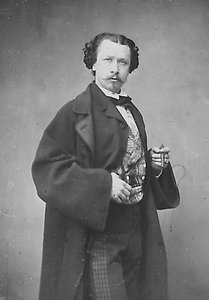
Carlos de Haes
1829 - 1898 , Belgium
Érdekességek
- Artistic Movement Or Style: Realizmus
- Artists Or Movements Influenced By This Artist: ['Barbizon']
- Artists Who Influenced This Artist: ['Quinaux Joseph']
- Date Of Birth: 27 jan 1826
- Date Of Death: 17 jun 1898
- Full Name: Carlos Sebastián Pedro de Haes
- Nationality: Spanyol
- Notable Artworks: ['La Canal Mancorbo']
- Place Of Birth: Brüsszel, Belgium