

 Előnézet
 Megosztás
 Megosztás
 Részletek
 Útmutató

 Letöltés
 Hasonló darabok
 X-ray felvétel
 Diavetítés
 Statisztika
Saint Michael
 Acrylic On Canvas
- WallArt
- Late Gothic
 1476
1476 90.0 x 26.0 cm
 Nemzeti Képtár (London)
 Tovább olvasom
Giclée / Műnyomat
Múzeumi minőségű giclée vagy vászonnyomat, gyors gyártással és rugalmas finomítási lehetőségekkel. ( Kézzel festett másolat vásárlása Áttérés digitális képre)




P118B Ft10

P118H Ft10

P118W Ft10

P438Z Ft10

P508JH Ft12

P508YH Ft12

P805H Ft10

P805Z Ft10

P919BZ Ft10

P919G Ft10

P919XJ Ft10

P959ZH Ft10

P968JZ Ft12

W106C Ft8

W218G Ft10

W218JH Ft8

W218Y Ft10

W307PJ Ft10

W316G Ft10

W316PJ Ft8

W316Y Ft10

W398PJ Ft8

W4111J Ft10

W500HY Ft15

W500JH Ft15

W692G Ft12

W849H Ft8

W940BG Ft15

W953PJ Ft8




Válasszon előre meghatározott méreteink közül, amelyek megfelelnek a műalkotás eredeti arányainak.

Írja be a keretének vagy a falának megfelelő szélességet és magasságot. A nyomatot csak le lehet vágni, soha nem tehető nagyobbá, mint az eredeti kép, így egy eltérő alakú méretnél a kép egy része elveszik. Mielőtt bármit kinyatintanánk, küldünk egy digitális próbamodellt jóváhagyásra. Az oldalon látható kép nem tartalmazza a valós levágást — ezt csak a próbamodell mutatja meg.
Világszerte történő kiszállítás területére mindössze 2 hét alatt, a szokásos 4-5 hét helyett. (21 október)

Ingyenes globális expressz szállítás

Prémium minőségű len vászon

Teljes körű szállítási biztosítás

Vámvisszatérítési Garancia

Tökéletes színarányosság garancia

100 napos visszaküldési garancia (csak gyártási hibás termékek esetén)

100% pénzvisszatérítési garancia

Több darab vásárlásakor kedvezmény
 Az üvegkeretes opció csak 110 cm alatti méretben érhető el

Saint Michael
Giclée / Műnyomat
Reprodukció méretei
-


Összesített ár
Ft 25277
A Vision of Heavenly Conflict
Carlo Crivelli's "Saint Michael," painted around 1476, isn’t merely a depiction of an angel battling a demon; it’s a meticulously crafted tableau of spiritual warfare, brimming with Renaissance artistry and profound symbolism. This panel, once part of a larger altarpiece intended for the church of San Domenico in Ascoli Piceno, Italy, immediately draws the eye into a dynamic scene where youthful Michael, radiating aristocratic beauty yet possessing an undeniable ferocity, confronts the writhing embodiment of evil beneath his feet. The composition isn’t simply about physical combat; it's a carefully orchestrated visual argument between order and chaos, light and darkness, good and sin.
Crivelli, deeply influenced by the Venetian artistic traditions of Vivarini and Mantegna, masterfully employs techniques that elevate this scene beyond simple religious illustration. Notice the masterful use of foreshortening – a signature element of Crivelli’s style – which dramatically compresses the space, pulling the viewer into the heart of the battle. The devil's head, positioned prominently at the bottom of the panel, is rendered with unsettling detail, highlighting his grotesque features and desperate struggle. Conversely, Michael’s face holds an expression of serene determination, a subtle contrast to the chaotic energy surrounding him.
The Archangel: A Symbol of Divine Authority
Saint Michael isn't just any angel; he is the Archangel, the chief warrior in God’s army. Within Christian iconography, he represents divine justice, protection, and victory over evil. The halo surrounding his head, a common symbol of holiness, emphasizes his elevated status. His armor, rendered with exquisite detail – polished metal reflecting light, intricate stitching – speaks to his martial prowess and unwavering commitment to defending humanity from demonic influence. The shield he holds aloft isn’t just a defensive tool; it's a visual declaration of God’s authority and Michael’s role as its representative.
Historically, the figure of Michael has deep roots in Jewish tradition, where he served as Israel’s protector and advocate. This connection is reflected in the painting’s composition – the devil beneath Michael isn't simply a monstrous foe; he represents the forces arrayed against God’s chosen people. The scene thus resonates with themes of faith, struggle, and ultimately, triumph over adversity—a narrative that has captivated audiences for centuries.
Renaissance Technique and Emotional Resonance
Crivelli's skill as a painter is evident in the meticulous rendering of textures – the smooth sheen of Michael’s armor, the rough scales of the devil, the folds of his garments. He utilizes tempera on poplar wood, a technique favored during this period for its luminosity and ability to capture intricate detail. The use of vibrant colors—rich blues, reds, and golds—further enhances the painting's visual impact, creating a sense of drama and intensity. Beyond technical mastery, Crivelli imbues the scene with an emotional resonance that transcends mere representation; it speaks to the timeless struggle between good and evil, hope and despair.
The panel’s enduring appeal lies in its ability to evoke both awe and contemplation. It's a reminder of humanity’s vulnerability in the face of darkness, but also of the unwavering strength and protection offered by divine grace. “Saint Michael” is more than just a painting; it’s a powerful testament to the enduring themes of faith, courage, and the eternal battle between light and shadow.
Gyakran Ismételt Kérdések
Hogyan találhatok olyan műalkotásokat, amelyek hasonlítanak a(z) „Saint Michael”, Carlo Crivelli alkotása alkotásra?
A "Saint Michael" alkotással hasonló művek a festmény Hasonló műalkotások oldalán találhatók.
Menny amountnyi fényt tűnik úgy vissza a "Saint Michael" színei?
A "Saint Michael" színei Soft Shadow fényerővel rendelkeznek.
Hogyan épül fel a „Saint Michael”, Carlo Crivelli alkotása színes kompozíciója?
A „Saint Michael”, Carlo Crivelli alkotása színelemzése egy Bold kontrasztot és egy Strong Color Unity harmóniát mutat be.
A művész életrajza
korai élet és képzés
Az olasz reneszánsz festő, Carlo Crivelli körülbelül 1430-35 között született Venécében. Festőművészekből álló családban nevelkedett, művészeti formaciónját pedig Venedigben és Paduában szerezte. Feltételezhetően Jacobello del Fiore tanítványa volt, aki 1436-ban még aktív festőként tevékenykedett, emellett a velencei Vivarini iskola munkásságát is tanulmányozta.
karrier és stílus
Crivelli pályafolta első éveit a Veneto tartományban töltötte, ahol olyan mesterek művészetét внутрішívultatta, mint a Vivarini család, Squarcione és Mantegna. 1458 körül elhagyta a Venétót, és pályaművei nagy részét az Ancona megyében töltötte, ahol egy olyan egyedi, személyes stílust fejlesztett ki, amely élesen elkülönült vérenciai kortársa, Giovanni Bellini munkásságától. Crivelli művészete egy konzervatív, készugott dekoratív érzékiséggel jegyezhető fel, amelyet a vonalasság, a rendkívüli részletgazdag kidolgozás és a „trompe l'oeil” (szemfényvesztő) technika használata határoz meg.
kiemelt művek és együttműködések
* Carlo Crivelli „Madonna és gyermek trónon” (106 x 55 cm, Szépművészeti Múzeum, Budapest, Magyarország) festménye stílusának egyik legkiemelkedőbb példája. * Több projekt során együttműködött fiatalabb testvérével, Vittorio Crivellivel. * Pietro Alemanno, a németországból/Ausztriából az Ancona megyébe emigrált festő művésze volt, aki Crivelli tanítvája és munkatársa is volt.
múzeumok és gyűjtemények
* Az olasz milánói Pinacoteca di Brera számos Crivelli-művet őriz, köztük a „Pietà” (128 x 241 cm) festményt is. * A velencei San Giovanni in Bragora Múzeum különféle korszakokból és stílusokból származó művészeti gyűjteményrel rendelkezik, amelyben olyan alkotások is megtalálhatóak, amelyeket Crivellinek tulajdonítanak.
- Tekintse meg Carlo Crivelli műveit az OriginalUniqueArt.com oldalon
- Fedezze fel Jacopo Robusti műveit az OriginalUniqueArt.com oldalon
- Olvasson tovább Carlo Crivelliről a Wikipédián
Crivelli öröksége ma is inspirációt nyújt a művészrajongóknak és tudósoknak egyaránt; munkássága élő bizonyítéka annak a tartós erőnek, amellyel a konzervatív készugott dekoratív érzékiség árad.

Carlo Crivelli
1435 - 1495 , Olaszország
Gyors információk
- Artistic Movement Or Style: Készugó/Reneszánsz
- Artists Or Movements Influenced By This Artist: ['Giovanni Bellini']
- Artists Who Influenced This Artist:
- Jacobello del Fiore
- Vivarini
- Squarcione
- Mantegna
- Date Of Birth: kb. 1430-35 Velence
- Date Of Death: kb. 1495 Olaszország
- Full Name: Carlo Crivelli
- Nationality: Olasz
- Notable Artworks:
- Madonna és gyermek
- Szent Bartolomeus
- Szent Rókus
- Place Of Birth: Velence, Olaszország
Kapcsolódó cikkek

Giovanni Fattori: Realism, Identity & the Tuscan Landscape – A Macchiaioli Master
Explore the life & art of Giovanni Fattori, a leading figure of the Macchiaioli movement. Discover his revolutionary realism, captivating Tuscan landscapes, and lasting impact on Italian painting. Learn more at OriginalUniqueArt.

Divine Nature: Exploring the Sacred Iconography and Masterpieces of Saint Francis
Embark on a profound journey through art history with our exploration of Saint Francis's most iconic works. Discover Giotto’s revolutionary frescoes and the spiritual depth of Proto-Renaissance masterpieces through an expert lens for the true classic art enthusiast.
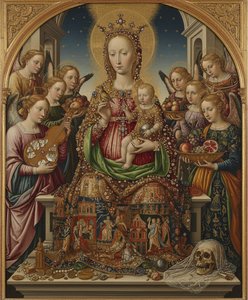
Carlo Crivelli: Mysticism & Materiality in Renaissance Venice
Explore the captivating world of Carlo Crivelli, a Renaissance master blending Gothic detail with profound symbolism. Discover his unique style & lasting influence on Venetian art history.
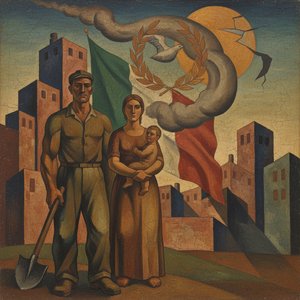
Mario Sironi: A Poetic of Modern Italian Identity Through Symbolism & Social Commentary
Explore the profound works of Mario Sironi, a key figure in Italian Modernism. Discover his evolution from Futurism to Metaphysical painting and his powerful social commentary. Learn about his legacy at OriginalUniqueArt.

Mastering Devotion: The Most Iconic Depictions of Saint Jerome in Art History
Explore the profound iconography of Saint Jerome through art history's most iconic masterpieces. From Renaissance serenity to Baroque drama, discover how legendary painters captured divine devotion in breathtaking oil paintings and fine art reproductions.

