
 Előnézet
 Megosztás
 Megosztás
 Részletek

 Letöltés
 Hasonló alkotások
 X-ray felvétel
 Diavetítés
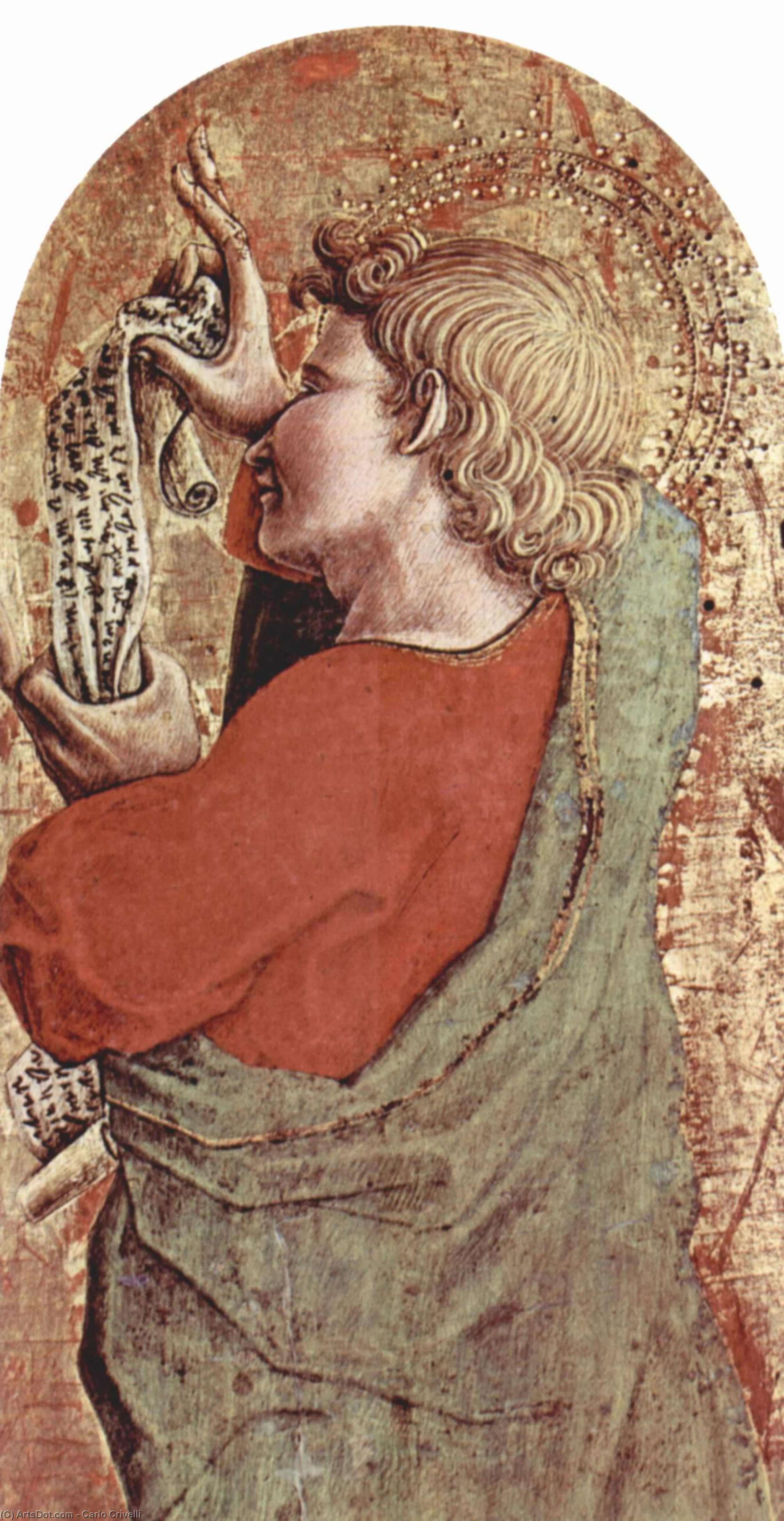
Saint James
 Oil On Panel
- Early Renaissance
 1473
1473- Renaissance
 29.0 x 17.0 cm
 Tovább olvasom
Kézzel készített olajfestmény reprodukció
Kézzel festett olajvastú vászon, az Ön által választott méretben és keretben, művészeink készítik meglévőre. ( Váltás nyomtatványra Képváltás)




P118B $10

P118H $10

P118W $10

P438Z $10

P508JH $12

P508YH $12

P805H $10

P805Z $10

P919BZ $10

P919G $10

P919XJ $10

P959ZH $10

P968JZ $12

W106C $8

W218G $10

W218JH $8

W218Y $10

W307PJ $10

W316G $10

W316PJ $8

W316Y $10

W398PJ $8

W4111J $10

W500HY $15

W500JH $15

W692G $12

W849H $8

W940BG $15

W953PJ $8




Válasszon előre meghatározott méreteink közül, amelyek megfelelnek a műalkotás eredeti arányainak.

Ön megadhat saját méreteket egy adott kerethez vagy térhez igazításhoz. Ha a kiválasztott méret nem egyezik az eredeti kép arányával, akkor a műalkotást levágjuk, vagy további kézzel festett elemekkel meghosszabbítjuk a festményt. A gyártás megkezdése előtt küldünk Önnek egy digitális előnézetet jóváhagyásra.
Kérjük, vegye figyelembe, hogy a képernyőn megjelenő előnézet nem tükrözi a tényleges vágást vagy kiterjesztést. Csak az előnézet fog pontosan mutatni a végső kompozíciót.
Bár egyedi méretek állnak rendelkezésre, javasoljuk, hogy válasszon egy méretet az előre meghatározott listából az eredeti arányok megőrzése érdekében.
A rendelést követően a OriginalUniqueArt.com csapata e-mailt küld az ügyfélnek az instrukciókért, és biztosít egy előnézeti képet (mockup).
Világszerte elérhető szállítás () 3-4 hét alatt a szokásos 5 hét helyett. (10 augusztus). A minőség nem kérdőjelezhető.

Ingyenes globális expressz szállítás

Prémium minőségű len vászon

Teljes szállítási biztosítás

Vámvisszatérítési Garancia

Tökéletes színpontosság garancia

60 napos visszaküldési lehetőség (csak gyártási hibák esetén)

100%-os pénzvisszatérítési garancia

Kedvezmény több termény esetén
 Az üvegkeretes opció csak 110 cm alatti méretben érhető el

Saint James
Reprodukciós technika
A reprodukció mérete
-


Összesített ár
$ 300
A műalkotás leírása
A Divine Encounter in Oil
In the quiet, textured depths of Carlo Crivelli’s Saint James, painted in 1473, viewers are transported to the dawn of the Italian Renaissance. This intimate masterpiece, rendered on a delicate wood panel, captures a moment of profound spiritual connection. The composition centers on a noble male figure—often identified through his attributes as a saintly presence—who rests his hand with gentle authority upon the head of a winged lion. There is an immediate, palpable sense of reverence in the way the figure holds his book, a symbol of divine wisdom and sacred scripture, while the lion gazals outward, bridging the gap between the earthly and the celestial. The painting does not merely depict a scene; it invites the observer into a meditative state, where the weight of history and the lightness of grace coexist.
The artistry of Crivelli is nothing short of mesmerizing, characterized by a meticulous attention to detail that defines his unique Venetian-influenced style. As an expert in the nuances of the Early Renaissance, one cannot help but admire the way the artist utilizes impasto techniques to breathe life into the fabric of the saint's crimson robes. The red pigments are layered with such richness that they seem to catch the light even in shadow, creating a tactile sensation of heavy, luxurious drapery. Crivelli’s mastery of trompe l'oeil—the art of optical illusion—is evident in the way the organic shapes of the lion’s wings and the anatomical precision of the figure’s hands emerge from a mottled, earthy background. This textured backdrop, far from being a mere void, acts as a weathered tapestry of time, lending the work an ancient, venerable soul.
Symbolism and the Renaissance Spirit
Beyond its aesthetic splendor, Saint James serves as a profound vessel for religious and civic symbolism. The presence of the winged lion is particularly evocative; while it serves as a companion to the saint, it also carries the heavy weight of Venetian identity, representing strength, majesty, and the watchful eye of the Republic. The interplay between the human form and the beast suggests a harmony between man’s intellect—represented by the book—and the untamed power of nature and divinity. For the discerning collector or interior designer, this piece offers more than just decoration; it provides a focal point of intellectual depth. The subtle lighting, descending from above to cast soft shadows across the musculature of the figure, creates a three-dimensional presence that commands attention in any curated space.
Integrating a reproduction of such historical significance into a modern environment allows for a sophisticated dialogue between the past and the present. Whether placed in a sunlit study or a grand, classical hallway, the work’s muted, earthy tones and dramatic highlights provide a sense of permanence and prestige. It is an artwork that rewards prolonged contemplation, offering new layers of meaning with every glance at its fine lines and masterful brushwork. To possess such a piece is to hold a fragment of the 15th century, a testament to the enduring power of Crivelli’s vision and the timeless beauty of the Renaissance spirit.
A művész életrajza
korai élet és képzés
Az olasz reneszánsz festő, Carlo Crivelli körülbelül 1430-35 között született Venécében. Festőművészekből álló családban nevelkedett, művészeti formaciónját pedig Venedigben és Paduában szerezte. Feltételezhetően Jacobello del Fiore tanítványa volt, aki 1436-ban még aktív festőként tevékenykedett, emellett a velencei Vivarini iskola munkásságát is tanulmányozta.
karrier és stílus
Crivelli pályafolta első éveit a Veneto tartományban töltötte, ahol olyan mesterek művészetét внутрішívultatta, mint a Vivarini család, Squarcione és Mantegna. 1458 körül elhagyta a Venétót, és pályaművei nagy részét az Ancona megyében töltötte, ahol egy olyan egyedi, személyes stílust fejlesztett ki, amely élesen elkülönült vérenciai kortársa, Giovanni Bellini munkásságától. Crivelli művészete egy konzervatív, készugott dekoratív érzékiséggel jegyezhető fel, amelyet a vonalasság, a rendkívüli részletgazdag kidolgozás és a „trompe l'oeil” (szemfényvesztő) technika használata határoz meg.
kiemelt művek és együttműködések
* Carlo Crivelli „Madonna és gyermek trónon” (106 x 55 cm, Szépművészeti Múzeum, Budapest, Magyarország) festménye stílusának egyik legkiemelkedőbb példája. * Több projekt során együttműködött fiatalabb testvérével, Vittorio Crivellivel. * Pietro Alemanno, a németországból/Ausztriából az Ancona megyébe emigrált festő művésze volt, aki Crivelli tanítvája és munkatársa is volt.
múzeumok és gyűjtemények
* Az olasz milánói Pinacoteca di Brera számos Crivelli-művet őriz, köztük a „Pietà” (128 x 241 cm) festményt is. * A velencei San Giovanni in Bragora Múzeum különféle korszakokból és stílusokból származó művészeti gyűjteményrel rendelkezik, amelyben olyan alkotások is megtalálhatóak, amelyeket Crivellinek tulajdonítanak.
- Tekintse meg Carlo Crivelli műveit az OriginalUniqueArt.com oldalon
- Fedezze fel Jacopo Robusti műveit az OriginalUniqueArt.com oldalon
- Olvasson tovább Carlo Crivelliről a Wikipédián
Crivelli öröksége ma is inspirációt nyújt a művészrajongóknak és tudósoknak egyaránt; munkássága élő bizonyítéka annak a tartós erőnek, amellyel a konzervatív készugott dekoratív érzékiség árad.

Carlo Crivelli
1435 - 1495 , Olaszország
Rövid tények
- Artistic Movement Or Style: Készugó/Reneszánsz
- Artists Or Movements Influenced By This Artist: ['Giovanni Bellini']
- Artists Who Influenced This Artist:
- Jacobello del Fiore
- Vivarini
- Squarcione
- Mantegna
- Date Of Birth: kb. 1430-35 Velence
- Date Of Death: kb. 1495 Olaszország
- Full Name: Carlo Crivelli
- Nationality: Olasz
- Notable Artworks:
- Madonna és gyermek
- Szent Bartolomeus
- Szent Rókus
- Place Of Birth: Velence, Olaszország
Kapcsolódó cikkek

James Abbott McNeill Whistler 25 Mesterműve: Hangulatok és Elegancia a Falakon
Fedezze fel James Abbott McNeill Whistler 25 legszebb művét! Ismerje meg a Nocturnok, portrék és az amerikai impresszionizmus mesterét. Elegáns faliképek otthonába – OriginalUniqueArt.com kínálatából. Böngésszen online!

Sir Alfred James Munnings legszebb 25 festménye – A vidéki Anglia és a lovak mestere | OriginalUniqueArt
Fedezze fel Sir Alfred James Munnings 25 legszebb festményét! Ismerje meg a vidéki Anglia és a lovak mesterének életművét, technikáját és inspirációit. Vásároljon exkluzív reprodukciókat a OriginalUniqueArt.com-on – múzeumi minőségben!
Oil on Board: A Historical Survey of Technique, Aesthetic Qualities & Enduring Appeal
Explore the rich history of oil on board painting! Discover techniques, aesthetic qualities & enduring appeal from early masters to modern practice. Expert insights for collectors and art enthusiasts.

The Enduring Legacy of Oil on Canvas: Technique, History & Aesthetic Impact
Explore the rich history & techniques of oil painting – from Renaissance masters to Impressionism. Discover pigments, layering methods, and why this timeless medium endures. Expert insights for artists & art enthusiasts.

Oil on Canvas: A Historical & Technical Exploration of a Timeless Artistic Medium
Explore the rich history & enduring techniques of oil painting on canvas. Discover the science behind its longevity, conservation practices, and contemporary relevance. Expert insights for art enthusiasts.



