

 Megtekintés
 Küldés
 Megosztás
 Részletek

 Letöltés
 Hasonló darabok
 X-ray felvétel
 Diavetítés
Pietà


 Összes részlet megjelenítése
Giclée / Műnyomat
Múzeumi minőségű giclée vagy vászonnyomat, gyors gyártással és rugalmas finomítási lehetőségekkel. ( Kézzel festett másolat rendelése Kép letöltése)




P118B $10

P118H $10

P118W $10

P438Z $10

P508JH $12

P508YH $12

P805H $10

P805Z $10

P919BZ $10

P919G $10

P919XJ $10

P959ZH $10

P968JZ $12

W106C $8

W218G $10

W218JH $8

W218Y $10

W307PJ $10

W316G $10

W316PJ $8

W316Y $10

W398PJ $8

W4111J $10

W500HY $15

W500JH $15

W692G $12

W849H $8

W940BG $15

W953PJ $8




Válasszon előre meghatározott méreteink közül, amelyek megfelelnek a műalkotás eredeti arányainak.

Megadhat saját méreteket is egy konkrét kerethez vagy helyszínhez igazítva. Amennyiben a kiválasztott méret nem egyezik az eredeti kép arányokkal, a műalkotást le fogjuk vágni, vagy kiegészítjük a képet tükrözött vagy egyszínű szélekkel. A gyártás megkezdése előtt egy digitális tervezetet küldünk jóváhagyásra.
Kérjük, vegye figyelembe, hogy a képernyőn látható előnézet nem tükrözi a tényleges levágást vagy kiegészítést. Csak a tervezet mutatja pontosan a végső kompozíciót.
Bár az egyedi méretek is elérhetőek, az eredeti arányok megőrzése érdekében azt javasoljuk, hogy válasszon a előre meghatározott listából származó méretet.
Világszerte történő kiszállítás területére mindössze 2 hét alatt, a szokásos 4-5 hét helyett. (3 szeptember)

Ingyenes globális expressz szállítás

Prémium minőségű len vászon

Teljes körű szállítási biztosítás

Vámvisszatérítési Garancia

Hiteles színpontosság garancia

60 napos visszaküldési lehetőség (csak hibás termékek esetén)

100% pénzvisszatérítési garancia

Több darab vásárlása esetén kedvezmény
 Az üvegkeretes opció csak 110 cm alatti méretben érhető el

Pietà
Giclée / Műnyomat
Reprodukció mérete
-


Összesített ár
$ 80
A Glimpse of Grief – Carlo Crivelli’s Pietà
Carlo Crivelli's Pietà, a masterpiece housed within the Pinacoteca Vaticana, isn’t merely a depiction of loss; it’s an immersion into profound sorrow and a testament to enduring maternal love. Completed around 1476, this tempera-on-wood panel transcends its religious subject matter to become a deeply human exploration of grief, capturing a moment suspended between earthly suffering and spiritual solace. Crivelli, a Venetian painter known for his late Gothic sensibilities and meticulous detail, masterfully blends the decorative flourishes of his region with a raw emotional intensity rarely seen in his contemporaries.
The scene unfolds within a dimly lit interior, likely a chapel or sanctuary, rendered with an almost dreamlike quality. At its heart lies Jesus Christ, lifeless yet radiating a quiet dignity. His body, draped in simple linen robes, is cradled by the Virgin Mary, her face etched with an anguish that mirrors his own. The composition isn’t one of idealized beauty; instead, it embraces the stark reality of death – the pallor of his skin, the slight distortion of his limbs, and the subtle details of wounds inflicted during his Passion. Crivelli deliberately avoids romanticizing suffering, presenting it with a poignant honesty that resonates deeply with the viewer.
The Language of Sorrow: Technique and Symbolism
Crivelli’s technique is characterized by a remarkable restraint and precision. He employs a meticulous layering of tempera paint, building up textures and details with painstaking care. The use of gold leaf, particularly in the background and highlighting certain elements like Mary's garments, adds a luminous quality to the scene, drawing attention to the central figures while simultaneously emphasizing their vulnerability. Noticeably, Crivelli departs from the prevalent trends of his time, eschewing vibrant colors for a more subdued palette dominated by deep reds, blues, and greens – hues traditionally associated with mourning and solemnity.
Symbolism permeates every aspect of the painting. The three figures surrounding Christ—John the Evangelist, Mary Magdalene, and an unnamed mourner—represent the universal human response to loss. John’s anguished expression mirrors Mary's grief, while Mary Magdalene’s posture conveys a sense of quiet contemplation. The architectural setting, with its arches and columns, evokes a sense of timelessness and spiritual significance. The inclusion of angels in the background, rendered in a more ethereal style, suggests the presence of divine comfort amidst earthly sorrow. Even the carefully chosen drapery—flowing and voluminous—contributes to the overall atmosphere of grief and mourning.
A Renaissance Master’s Vision: Context and Influence
Crivelli's Pietà emerged during a period of significant artistic innovation in Italy, marked by the rise of the Renaissance. While he retained elements of late Gothic style—particularly his preference for decorative detail and meticulous rendering—he also absorbed influences from contemporary artists like Giovanni Bellini and Mantegna. His work reflects a desire to bridge the gap between these diverse styles, creating a unique visual language that is both deeply rooted in tradition and forward-looking in its emotional intensity.
The painting’s provenance – originally part of an altarpiece intended for the high altar of San Domenico at Ascoli Piceno – reveals its original context within a religious setting. It's believed to have been commissioned as a central panel, serving as a focal point for contemplation and devotion. The fact that it survives today is a testament to its enduring power and artistic merit.
Beyond the Canvas: A Timeless Reflection
Carlo Crivelli’s Pietà remains a profoundly moving work of art, offering viewers an opportunity to connect with universal themes of loss, grief, and maternal love. Its masterful technique, evocative symbolism, and emotional depth continue to resonate centuries after its creation. Whether viewed as a religious icon or simply as a powerful depiction of human suffering, the Pietà stands as a testament to the enduring legacy of one of Renaissance Italy’s most gifted artists.
A művész életrajza
korai élet és képzés
Az olasz reneszánsz festő, Carlo Crivelli körülbelül 1430-35 között született Venécében. Festőművészekből álló családban nevelkedett, művészeti formaciónját pedig Venedigben és Paduában szerezte. Feltételezhetően Jacobello del Fiore tanítványa volt, aki 1436-ban még aktív festőként tevékenykedett, emellett a velencei Vivarini iskola munkásságát is tanulmányozta.
karrier és stílus
Crivelli pályafolta első éveit a Veneto tartományban töltötte, ahol olyan mesterek művészetét внутрішívultatta, mint a Vivarini család, Squarcione és Mantegna. 1458 körül elhagyta a Venétót, és pályaművei nagy részét az Ancona megyében töltötte, ahol egy olyan egyedi, személyes stílust fejlesztett ki, amely élesen elkülönült vérenciai kortársa, Giovanni Bellini munkásságától. Crivelli művészete egy konzervatív, készugott dekoratív érzékiséggel jegyezhető fel, amelyet a vonalasság, a rendkívüli részletgazdag kidolgozás és a „trompe l'oeil” (szemfényvesztő) technika használata határoz meg.
kiemelt művek és együttműködések
* Carlo Crivelli „Madonna és gyermek trónon” (106 x 55 cm, Szépművészeti Múzeum, Budapest, Magyarország) festménye stílusának egyik legkiemelkedőbb példája. * Több projekt során együttműködött fiatalabb testvérével, Vittorio Crivellivel. * Pietro Alemanno, a németországból/Ausztriából az Ancona megyébe emigrált festő művésze volt, aki Crivelli tanítvája és munkatársa is volt.
múzeumok és gyűjtemények
* Az olasz milánói Pinacoteca di Brera számos Crivelli-művet őriz, köztük a „Pietà” (128 x 241 cm) festményt is. * A velencei San Giovanni in Bragora Múzeum különféle korszakokból és stílusokból származó művészeti gyűjteményrel rendelkezik, amelyben olyan alkotások is megtalálhatóak, amelyeket Crivellinek tulajdonítanak.
- Tekintse meg Carlo Crivelli műveit az OriginalUniqueArt.com oldalon
- Fedezze fel Jacopo Robusti műveit az OriginalUniqueArt.com oldalon
- Olvasson tovább Carlo Crivelliről a Wikipédián
Crivelli öröksége ma is inspirációt nyújt a művészrajongóknak és tudósoknak egyaránt; munkássága élő bizonyítéka annak a tartós erőnek, amellyel a konzervatív készugott dekoratív érzékiség árad.

Carlo Crivelli
1435 - 1495 , Olaszország
A művészről röviden
- Artistic Movement Or Style: Készugó/Reneszánsz
- Artists Or Movements Influenced By This Artist: ['Giovanni Bellini']
- Artists Who Influenced This Artist:
- Jacobello del Fiore
- Vivarini
- Squarcione
- Mantegna
- Date Of Birth: kb. 1430-35 Velence
- Date Of Death: kb. 1495 Olaszország
- Full Name: Carlo Crivelli
- Nationality: Olasz
- Notable Artworks:
- Madonna és gyermek
- Szent Bartolomeus
- Szent Rókus
- Place Of Birth: Velence, Olaszország
Kapcsolódó cikkek
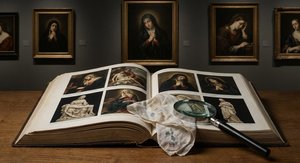
The Visceral Language of Loss: Exploring Grief's Depiction in Art History
Explore the profound history of grief in art with OriginalUniqueArt. Discover Renaissance & Baroque masterpieces depicting loss, mourning, and faith. Expert insights & handmade reproductions available.

Echoes of Loss: Exploring Representations of Grief Across Art History
Explore the profound history of grief in art, from Renaissance masterpieces to Baroque drama. Discover how artists captured loss, mourning & faith through powerful imagery. Expert insights at OriginalUniqueArt.
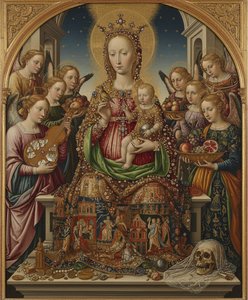
Carlo Crivelli: Mysticism & Materiality in Renaissance Venice
Explore the captivating world of Carlo Crivelli, a Renaissance master blending Gothic detail with profound symbolism. Discover his unique style & lasting influence on Venetian art history.
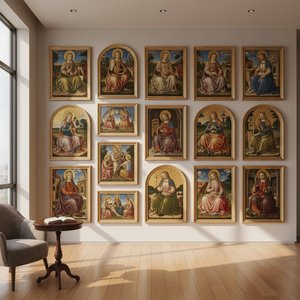
Fra Angelico Mesterek: A 25 Legszebb Műalkotás a Lelki Békeért – OriginalUniqueArt.com
Fedezze fel Fra Angelico 25 legszebb műalkotását! Reneszánsz festmények, angyalok és spirituális ikonfestészet a firenzei iskola mesterétől. Vásároljon exkluzív olajfestmény reprodukciókat otthonába a OriginalUniqueArt.com-on. Explore the full collection online!

Echoes of Absence: Loss & Grief in Visual Art Through the Ages
Explore the profound history of grief in art, from Renaissance masterpieces to contemporary expressions. Discover how artists have captured loss, mourning, and mortality through powerful imagery & symbolism. OriginalUniqueArt offers expert insights.



