

 Előnézet
 Megosztás
 Megosztás
 Részletek
 Útmutató

 Letöltés
 Hasonló darabok
 X-ray felvétel
 Diavetítés
 Statisztika
Enthroned Madonna


 Tovább olvasom
Giclée / Műnyomat
Múzeumi minőségű giclée vagy vászonnyomat, gyors gyártással és rugalmas finomítási lehetőségekkel. ( Kézzel festett másolat vásárlása Áttérés digitális képre)




P118B Ft10

P118H Ft10

P118W Ft10

P438Z Ft10

P508JH Ft12

P508YH Ft12

P805H Ft10

P805Z Ft10

P919BZ Ft10

P919G Ft10

P919XJ Ft10

P959ZH Ft10

P968JZ Ft12

W106C Ft8

W218G Ft10

W218JH Ft8

W218Y Ft10

W307PJ Ft10

W316G Ft10

W316PJ Ft8

W316Y Ft10

W398PJ Ft8

W4111J Ft10

W500HY Ft15

W500JH Ft15

W692G Ft12

W849H Ft8

W940BG Ft15

W953PJ Ft8




Válasszon előre meghatározott méreteink közül, amelyek megfelelnek a műalkotás eredeti arányainak.

Írja be a keretének vagy a falának megfelelő szélességet és magasságot. A nyomatot csak le lehet vágni, soha nem tehető nagyobbá, mint az eredeti kép, így egy eltérő alakú méretnél a kép egy része elveszik. Mielőtt bármit kinyatintanánk, küldünk egy digitális próbamodellt jóváhagyásra. Az oldalon látható kép nem tartalmazza a valós levágást — ezt csak a próbamodell mutatja meg.
Világszerte történő kiszállítás területére mindössze 2 hét alatt, a szokásos 4-5 hét helyett. (22 október)

Ingyenes globális expressz szállítás

Prémium minőségű len vászon

Teljes körű szállítási biztosítás

Vámvisszatérítési Garancia

Tökéletes színarányosság garancia

100 napos visszaküldési garancia (csak gyártási hibás termékek esetén)

100% pénzvisszatérítési garancia

Több darab vásárlásakor kedvezmény
 Az üvegkeretes opció csak 110 cm alatti méretben érhető el

Enthroned Madonna
Giclée / Műnyomat
Reprodukció méretei
-


Összesített ár
Ft 25277
A Throne of Faith: Carlo Crivelli’s “Enthroned Madonna”
The year is 1473, and within the bustling workshops of Venice, Carlo Crivelli was meticulously crafting an image destined to resonate through centuries – the “Enthroned Madonna.” This isn't merely a portrait; it’s a profound meditation on faith, royalty, and divine motherhood, rendered with the meticulous detail characteristic of the early Renaissance. The panel painting, measuring an unknown size but radiating an undeniable presence, immediately draws the viewer into its richly layered composition, a testament to Crivelli’s skill in blending Venetian influences with his own developing artistic voice.
Crivelli's journey began in Venice, absorbing the linear elegance of Jacopo Bellini and the vibrant color palettes of Giovanni Bellini. However, he soon sought his own path, establishing a base in the March of Ancona, where he cultivated a style that prioritized clarity, decorative elements, and a subtly restrained emotionality. This piece exemplifies that approach perfectly – it’s not an explosion of feeling, but rather a carefully constructed tableau of piety and reverence.
A Symphony of Figures: Composition and Technique
The painting centers on the Virgin Mary, seated upon a magnificent throne adorned with intricate gold leaf and geometric patterns. She holds the Christ Child in her lap, his gaze serene and accepting. Surrounding them is a carefully orchestrated procession of saints and biblical figures – St. John the Baptist, St. Peter, and various other prophets and martyrs – each rendered with remarkable precision. The arrangement follows a clear hierarchical structure, reflecting the importance of Mary and Christ within Christian theology. Crivelli masterfully employs perspective, creating a sense of depth through overlapping forms and subtle shading, though it’s characteristic of the period's panel painting techniques rather than a fully developed Renaissance approach.
The technique itself is rooted in tempera on wood panel, a medium favored for its durability and ability to achieve luminous colors. The surface has a slightly textured quality, indicative of multiple layers of paint applied over time. Close examination reveals the artist’s deliberate attention to detail – the folds of the drapery, the intricate patterns on the throne, and the delicate rendering of each figure's facial features all speak to Crivelli’s dedication to his craft.
Symbolism Woven into the Fabric
Beyond its formal composition, the “Enthroned Madonna” is laden with symbolic meaning. The throne itself represents Mary’s divine status and her role as Queen of Heaven. The gold leaf symbolizes wealth, glory, and the sacredness of the subject matter. The lilies held by Mary are a traditional symbol of purity and innocence. Christ's presence signifies his divinity and humanity, while his gestures suggest acceptance and grace. Even the positioning of the figures – Mary seated centrally, with Christ nestled in her lap – reinforces their central importance within the Christian narrative.
The inclusion of various saints serves to underscore the universality of faith and the interconnectedness of the heavenly court. Each figure is carefully chosen to represent a specific virtue or aspect of Christian belief, contributing to the painting’s overall message of spiritual authority and devotion. The use of halos, a common feature in Renaissance art, further emphasizes the holiness of these figures.
A Legacy of Devotion
Carlo Crivelli's “Enthroned Madonna” is more than just a beautiful artwork; it’s a window into the religious and artistic sensibilities of 15th-century Italy. Its enduring appeal lies in its masterful composition, meticulous technique, and profound symbolism – a testament to the power of art to convey complex theological ideas with grace and elegance. Reproductions of this piece offer a captivating glimpse into a world where faith, royalty, and beauty converged, continuing to inspire contemplation and reverence today.
Gyakran Ismételt Kérdések
Milyen érzést kelt a "Enthroned Madonna"?
A „Enthroned Madonna”, Carlo Crivelli alkotása egy Spiritual érzelmi hangulatot közvetít.
Milyen hangulatot áraszt a "Enthroned Madonna"?
A "Enthroned Madonna" Elegant hangulatú.
Elérhető-e a "Enthroned Madonna" nagy felbontású letöltése?
A „Enthroned Madonna”, Carlo Crivelli alkotása digitális fájljának megvásárlása érdekében magas felbontású digitális kép letöltés a következő oldalon: Digitális kép.
A művész életrajza
korai élet és képzés
Az olasz reneszánsz festő, Carlo Crivelli körülbelül 1430-35 között született Venécében. Festőművészekből álló családban nevelkedett, művészeti formaciónját pedig Venedigben és Paduában szerezte. Feltételezhetően Jacobello del Fiore tanítványa volt, aki 1436-ban még aktív festőként tevékenykedett, emellett a velencei Vivarini iskola munkásságát is tanulmányozta.
karrier és stílus
Crivelli pályafolta első éveit a Veneto tartományban töltötte, ahol olyan mesterek művészetét внутрішívultatta, mint a Vivarini család, Squarcione és Mantegna. 1458 körül elhagyta a Venétót, és pályaművei nagy részét az Ancona megyében töltötte, ahol egy olyan egyedi, személyes stílust fejlesztett ki, amely élesen elkülönült vérenciai kortársa, Giovanni Bellini munkásságától. Crivelli művészete egy konzervatív, készugott dekoratív érzékiséggel jegyezhető fel, amelyet a vonalasság, a rendkívüli részletgazdag kidolgozás és a „trompe l'oeil” (szemfényvesztő) technika használata határoz meg.
kiemelt művek és együttműködések
* Carlo Crivelli „Madonna és gyermek trónon” (106 x 55 cm, Szépművészeti Múzeum, Budapest, Magyarország) festménye stílusának egyik legkiemelkedőbb példája. * Több projekt során együttműködött fiatalabb testvérével, Vittorio Crivellivel. * Pietro Alemanno, a németországból/Ausztriából az Ancona megyébe emigrált festő művésze volt, aki Crivelli tanítvája és munkatársa is volt.
múzeumok és gyűjtemények
* Az olasz milánói Pinacoteca di Brera számos Crivelli-művet őriz, köztük a „Pietà” (128 x 241 cm) festményt is. * A velencei San Giovanni in Bragora Múzeum különféle korszakokból és stílusokból származó művészeti gyűjteményrel rendelkezik, amelyben olyan alkotások is megtalálhatóak, amelyeket Crivellinek tulajdonítanak.
- Tekintse meg Carlo Crivelli műveit az OriginalUniqueArt.com oldalon
- Fedezze fel Jacopo Robusti műveit az OriginalUniqueArt.com oldalon
- Olvasson tovább Carlo Crivelliről a Wikipédián
Crivelli öröksége ma is inspirációt nyújt a művészrajongóknak és tudósoknak egyaránt; munkássága élő bizonyítéka annak a tartós erőnek, amellyel a konzervatív készugott dekoratív érzékiség árad.

Carlo Crivelli
1435 - 1495 , Olaszország
Gyors információk
- Artistic Movement Or Style: Készugó/Reneszánsz
- Artists Or Movements Influenced By This Artist: ['Giovanni Bellini']
- Artists Who Influenced This Artist:
- Jacobello del Fiore
- Vivarini
- Squarcione
- Mantegna
- Date Of Birth: kb. 1430-35 Velence
- Date Of Death: kb. 1495 Olaszország
- Full Name: Carlo Crivelli
- Nationality: Olasz
- Notable Artworks:
- Madonna és gyermek
- Szent Bartolomeus
- Szent Rókus
- Place Of Birth: Velence, Olaszország
Kapcsolódó cikkek
The Art of Italian Living: Transform Your Home with Timeless Landscapes and Renaissance Masterpieces
Elevate your home with the timeless romance of Italy. Discover expert-curated, hand-painted Italian landscapes and Renaissance-inspired masterpieces. From bespoke oil reproductions to custom portraits from photos, transform your space with elegance and artistic passion.
Mario Sironi: A Poetic of Modern Italian Identity Through Symbolism & Social Commentary
Explore the profound works of Mario Sironi, a key figure in Italian Modernism. Discover his evolution from Futurism to Metaphysical painting and his powerful social commentary. Learn about his legacy at OriginalUniqueArt.

Carlo Carrà: Futurist Visions & Metaphysical Transformations in Early 20th-Century Italian Painting
Explore the artistic journey of Carlo Carrà, a pivotal figure in Italian Futurism & Metaphysical painting. Discover his dynamic compositions, collaborations with de Chirico, and lasting influence on modern art history.
Raphael 25 Mesterműve: A Reneszánsz Zsenialitása – Vásároljon Kiváló Minőségű Reprodukciókat!
Fedezze fel Raphael 25 legpárásabb műalkotását! Olvasson a reneszánsz zsenialitásáról, festészeti technikáiról és ikonikus képeiről. Vásároljon exkluzív olajfestmény reprodukciókat otthona díszítésére a OriginalUniqueArt.com-on!
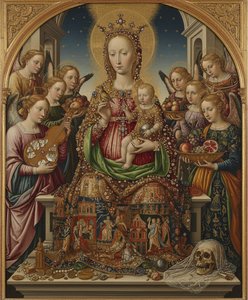
Carlo Crivelli: Mysticism & Materiality in Renaissance Venice
Explore the captivating world of Carlo Crivelli, a Renaissance master blending Gothic detail with profound symbolism. Discover his unique style & lasting influence on Venetian art history.

