
 Előnézet
 Megosztás
 Megosztás
 Részletek
 Útmutató

 Letöltés
 Hasonló darabok
 X-ray felvétel
 Diavetítés
 Statisztika
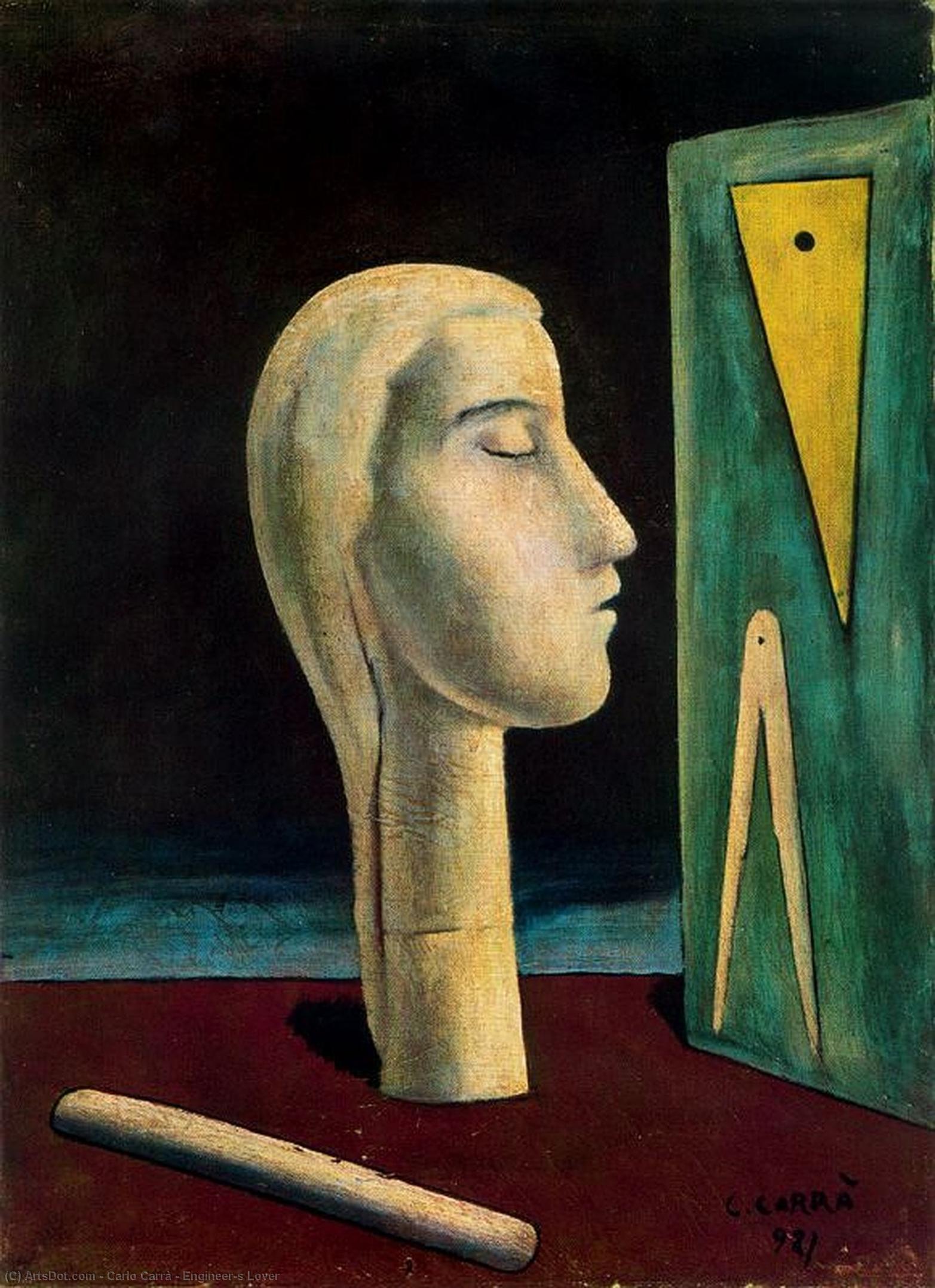
Engineer's Lover

 Tovább olvasom
Az ezen az oldalon megjelenített műalkotások szerzői jogi védelem alatt állnak, ami azt jelenti, hogy törvényileg nem készíthetünk és nem adhatunk el belőlük pontos másolatokat. Ez a védelem olyan nemzetközi megállapodások alapján érvényesül, mint például a Berni Egyezmény és a nemzeti törvények által, beleértve azokat is, amelyeket meghatározott Az USA szerzői jogi törvénye – 17. cím.
Mint tiszteletes és törvényes alternatívát, olyan egyedi, kézzel festett alkotásokat kínálunk, amelyek az eredetiből merítnek inspirációt. Tapasztalt és professzionális művészeink alaposan tanulmányozzák az eredeti stílusát, hangulatát és művészeti esszenciáját, hogy egy olyan új, egyedi alkotást hozzunk létre, amely ugyanazt az érzést kelti – miközben önálló, eredeti alkotásként létezik.
Ez a módszer teljes mértékben megfelel a szerzői jogi szabályozásnak, mivel nem tartalmazza a védett műalkotás másolását vagy duplikálását. Ehelyett ez egy kreatív újinterpretáció – egy új festmény, amely az eredetivel való összefüggései miatt hatással van rá, de nem az az.
Kézzel készített olajfestmény reprodukció
Kézzel festett olajvastú vászon, az Ön által választott méretben és keretben, művészeink készítik meglévőre. ( Váltás nyomtatványra Áttérés digitális képre)




































Válasszon előre meghatározott méreteink közül, amelyek megfelelnek a műalkotás eredeti arányainak.

Írja be a kívánt szélességet és magasságot, hogy illeszkedjen a keretéhez vagy a falához. Mivel ez kézzel festett alkotás, egy eltérő formájú méret esetén a művész akár festhet is valamivel többet a kép körül, vagy korolathat is belőle — az Ön döntésének megfelelően. A festés megkezdése előtt küldünk egy digitális tervezetet jóváhagyásra. Az oldalon látható kép nem tartalmazza a végeredményt — csak a tervezet mutatja meg a valódi eredményt.
A rendelést követően a OriginalUniqueArt.com csapata e-mailt küld az ügyfélnek az instrukciókért, és biztosít egy előnézeti képet (mockup).
Világszerte elérhető szállítás () 3-4 hét alatt a szokásos 5 hét helyett. (24 október). A minőség nem kérdőjelezhető.

Ingyenes globális expressz szállítás

Prémium minőségű len vászon

Teljes körű szállítási biztosítás

Vámvisszatérítési Garancia

Tökéletes színarányosság garancia

100 napos visszaküldési garancia (csak gyártási hibás termékek esetén)

100% pénzvisszatérítési garancia

Több darab vásárlásakor kedvezmény
 Az üvegkeretes opció csak 110 cm alatti méretben érhető el

Engineer's Lover
Reprodukciós technika
Reprodukció méretei
-


Összesített ár
Ft 96017
A művész életrajza
Early Life and the Seeds of Artistic Rebellion
Carlo Carrà, born in Quargnento near Alessandria, Italy, on February 11, 1881, embarked on a path diverging sharply from academic tradition. His youth was marked by necessity; at twelve years old, he left his family to apprentice as a mural decorator. This formative experience, steeped in the physicality of art-making and craftsmanship, indelibly shaped his artistic sensibilities. It wasn't merely applying paint—it was immersion into color, form, and visual communication. A sojourn to Paris at the turn of the century, decorating pavilions for the Exposition Universelle, exposed him to burgeoning currents of contemporary French art, a crucial awakening that broadened his horizons beyond Italian provincialism. This exposure was followed by a brief period in London, where he encountered exiled Italian anarchists—a political undercurrent subtly informing his early work with themes of social unrest and rebellion. Returning to Milan in 1901, Carrà honed his skills, eventually enrolling at the Brera Academy in 1906, studying under Cesare Tallone. Yet, even within the academy’s structure, a restless spirit persisted, yearning for artistic innovation.Embracing Dynamism: The Futurist Years
The year 1910 proved pivotal. Carrà joined Umberto Boccioni, Luigi Russolo, and Giacomo Balla, signing the manifesto of the Futurist painters—a declaration irrevocably altering Italian art’s course. Futurism was a radical ideology, an explosive celebration of modernity, speed, technology, youth, and the machine age's relentless energy. It rejected the past, embracing dynamism and anticipating a future defined by progress. Carrà’s early Futurist works, such as The Funeral of Galli (1911) and Rhythms of Objects (1911), vividly embody these principles. The Funeral of Galli, a chaotic yet compelling depiction of grief and protest, isn't merely representation but a visceral experience of movement and emotion. The fractured forms and jarring colors convey the raw energy of the crowd and disruptive political force. Rhythms of Objects further demonstrates his exploration of dynamism, breaking down everyday objects into fragmented shapes suggesting motion and transformation. These paintings weren’t about *what* was depicted but *how* it was perceived—a revolutionary approach to representation. Carrà wasn’t just painting scenes; he attempted to capture the very essence of modern life in all its frenetic glory. He sought to express the dynamism of industrial society, mirroring the rapid pace of change and technological advancement.Influences and Artistic Development
Carrà's artistic development was profoundly shaped by his encounters with influential figures and movements. His early training at the Brera Academy provided a foundational understanding of traditional painting techniques—though he quickly surpassed these conventions. The Parisian avant-garde, particularly Picasso and Matisse, instilled in him an appreciation for expressive color and simplified forms. However, it was Giorgio de Chirico’s metaphysical paintings that truly captivated Carrà's imagination. De Chirico’s unsettling landscapes populated by mannequins and enigmatic figures challenged conventional notions of reality—inspiring Carrà to explore psychological depth and dreamlike imagery. This fascination with Surrealism would later permeate his artistic vision.From Futurism to Metaphysics and Beyond
The fervor of Futurism waned for Carrà as World War I loomed, his artistic trajectory taking an unexpected turn. Around 1917, a profound shift occurred, influenced by his encounter with Giorgio de Chirico in Ferrara. De Chirico’s “Metaphysical Painting”—characterized by unsettling juxtapositions, eerie perspectives, and a dreamlike atmosphere—resonated deeply with Carrà. He began incorporating mannequin imagery into his work, as seen in The Daughters of Lot (1919), creating scenes both familiar and disturbing. This period marked a move away from Futurism’s outward dynamism toward an inward exploration of psychological states and existential anxieties. The 1920s and 30s witnessed another evolution as Carrà turned to landscape painting. He developed a more atmospheric style, characterized by flattened perspectives and textured brushwork, exemplified in works like Morning by the Sea (1928). This wasn’t a rejection of earlier experimentation but an integration into a new visual language—a quieter, more contemplative approach to art.Legacy and Complexities: A Shifting Ideological Landscape
Carlo Carrà's legacy is complex and debated. His later life was marked by increasingly nationalistic views, aligning him with the Fascist regime after 1918. This political stance remains a controversial aspect of his artistic reputation—raising questions about the relationship between art and ideology. Despite this contentious element, Carrà’s contribution to modern Italian art is undeniable. He championed Futurism alongside Boccioni and Russolo, establishing its visual language and pushing boundaries. Simultaneously, he embraced Metaphysical Painting, delving into psychological landscapes and exploring unsettling realities—a testament to his artistic versatility and intellectual curiosity. His influence extends beyond painting, impacting sculpture and design through the Futurist movement’s interdisciplinary spirit. He died in Milan on April 13, 1966, leaving behind a body of work that continues to provoke discussion and inspire artists today.
Carlo Carrà
1881 - 1966 , Olaszország
Gyors információk
- Artistic Movement Or Style: Futurism, Metaphysical art
- Artists Who Influenced This Artist:
- Boccioni
- Russolo
- Balla
- De Chirico
- Date Of Birth: Feb 11, 1881
- Date Of Death: Apr 13, 1966
- Full Name: Carlo Carrà
- Nationality: Italian
- Notable Artworks:
- Funeral Galli
- Rhythms Objects
- Daughters Lot
- Morning Sea
- Place Of Birth: Alessandria, Italy
