
 Megtekintés
 Küldés
 Megosztás
 Részletek
 Útmutató

 Letöltés
 Hasonló darabok
 X-ray felvétel
 Diavetítés
 Q&A
Q&A Statisztika
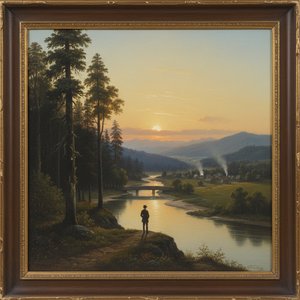
Castle Rock, Columbia River

- 39.0 x 52.0 cm


 Összes részlet megjelenítése
Giclée / Műnyomat
Múzeumi minőségű giclée vagy vászonnyomat, gyors gyártással és rugalmas finomítási lehetőségekkel. ( Kézzel festett másolat rendelése Áttérés digitális képre)




P118B Ft10

P118H Ft10

P118W Ft10

P438Z Ft10

P508JH Ft12

P508YH Ft12

P805H Ft10

P805Z Ft10

P919BZ Ft10

P919G Ft10

P919XJ Ft10

P959ZH Ft10

P968JZ Ft12

W106C Ft8

W218G Ft10

W218JH Ft8

W218Y Ft10

W307PJ Ft10

W316G Ft10

W316PJ Ft8

W316Y Ft10

W398PJ Ft8

W4111J Ft10

W500HY Ft15

W500JH Ft15

W692G Ft12

W849H Ft8

W940BG Ft15

W953PJ Ft8




Válasszon előre meghatározott méreteink közül, amelyek megfelelnek a műalkotás eredeti arányainak.

Írja be a keretének vagy a falának megfelelő szélességet és magasságot. A nyomatot csak le lehet vágni, soha nem tehető nagyobbá, mint az eredeti kép, így egy eltérő alakú méretnél a kép egy része elveszik. Mielőtt bármit kinyatintanánk, küldünk egy digitális próbamodellt jóváhagyásra. Az oldalon látható kép nem tartalmazza a valós levágást — ezt csak a próbamodell mutatja meg.
Világszerte történő kiszállítás területére mindössze 2 hét alatt, a szokásos 4-5 hét helyett. (1 november)

Ingyenes globális expressz szállítás

Prémium minőségű len vászon

Teljes körű szállítási biztosítás

Vámvisszatérítési Garancia

Hiteles színarányosság garancia

100 napos visszaküldési lehetőség (csak hibás termékek esetén)

100% pénzvisszatérítési garancia

Több darab vásárlásakor kedvezmény
 Az üvegkeretes opció csak 110 cm alatti méretben érhető el

Castle Rock, Columbia River
Giclée / Műnyomat
Reprodukció mérete
-


Összesített ár
Ft 26198
A Vista of Majesty: Carleton Watkins’ “Castle Rock, Columbia River”
Carleton Watkins' "Castle Rock, Columbia River," painted in 1867, isn’t merely a landscape photograph; it’s a portal to the American West as it was perceived and captured during a pivotal moment of national identity. This albumen print, rendered in the muted tones characteristic of mid-19th century photographic processes, transports us to the heart of the Columbia River Valley – a region simultaneously rugged and profoundly beautiful. The scene unfolds with an almost overwhelming sense of scale; towering basalt cliffs, sculpted by millennia of glacial activity and relentless river currents, dominate the horizon, their jagged edges softened by atmospheric haze. Below, the broad expanse of the Columbia River snakes its way through a verdant valley, reflecting the sky in shimmering bands of light and shadow. It’s a vista that speaks to both the grandeur of nature and the nascent spirit of exploration that defined America at the time.
Watkins, a pioneer of American landscape photography, wasn't simply documenting scenery; he was actively shaping how Americans understood their vast territory. His work, particularly his images of Yosemite Valley, played a crucial role in galvanizing support for its preservation as a national park – a testament to the power of visual representation to influence public opinion and policy. “Castle Rock” embodies this mission, presenting a carefully composed scene that emphasizes the sublime qualities of the wilderness, aligning with the tenets of the American Romantic movement. The composition itself is deliberate: the strong horizontal format underscores the breadth of the landscape, while the prominent tree on the right acts as a grounding vertical element, drawing the eye into the immense depth of the image.
The Alchemy of Wet Plate Collodion
To truly appreciate “Castle Rock,” one must understand the technical process behind its creation. Watkins utilized the wet plate collodion method – a demanding and intricate photographic technique that required immediate execution. The photographer had to coat a glass plate with a light-sensitive emulsion, expose it within minutes, and develop it while the plate was still wet, all before the chemicals dried. This meant working outdoors in challenging conditions, often battling inclement weather and limited time. The resulting image is characterized by its fine grain, subtle tonal variations, and a remarkable level of detail – qualities that are particularly evident in the textures of the rock formations and the foliage along the riverbank.
The albumen printing process further contributes to the photograph’s distinctive aesthetic. Albumen prints utilize egg whites as a binder for silver salts, creating a richly textured surface with deep blacks and luminous whites. This technique lends a painterly quality to Watkins' work, enhancing the sense of depth and atmosphere. The sepia tones – achieved through the addition of iron salts during development – add a layer of nostalgia and timelessness, evoking the spirit of the American frontier.
Symbolism in Stone and Water
Beyond its technical brilliance, “Castle Rock” is rich in symbolic meaning. The imposing basalt cliffs represent both strength and resilience—a visual metaphor for the enduring power of nature. Their sheer scale dwarfs the human presence within the frame, reminding us of our relative insignificance in the face of geological time. The Columbia River itself symbolizes movement, change, and the relentless forces that shape the landscape. Its winding course reflects the journey of westward expansion, connecting disparate communities and cultures.
The lone tree on the right side of the composition adds a subtle element of human presence—a reminder of the settlers who were beginning to stake their claims in this wild land. However, it’s positioned at the edge of the frame, suggesting a respectful distance from the overwhelming power of nature. The photograph doesn't depict conquest or domination; instead, it celebrates the beauty and majesty of the wilderness – inviting contemplation and fostering a sense of awe.
A Legacy in Reproduction
Reproductions of “Castle Rock” capture much of the original’s evocative quality, offering a tangible connection to this pivotal moment in American art history. OriginalUniqueArt's meticulous hand-painted reproductions strive to faithfully recreate Watkins’ masterful composition and tonal range, ensuring that the photograph’s emotional impact is preserved for contemporary audiences. The choice of materials – archival paper and pigments – guarantees the longevity of these reproductions, allowing them to be enjoyed for generations to come. “Castle Rock” isn't just a beautiful image; it’s a window into the past—a testament to the power of photography to shape our understanding of America’s wild spaces.
Kérdések és válaszok
Mit ábrázol a "Castle Rock, Columbia River"?
„Castle Rock, Columbia River”, Carleton Watkins alkotása a következőket ábrázolja: american west, river valley landscape, mountain photography, 19th century art, vast wilderness, sepia tone image, early photography.
Milyen méretben és milyen elrendezésben javasolt a(z) "Castle Rock, Columbia River" kinyomtatása?
A "Castle Rock, Columbia River" esetében a javasolt nyomtatási beállítás a Medium méret és a Landscape orientáció.
Milyen technikával készült és milyen méretű „Castle Rock, Columbia River”, Carleton Watkins alkotása?
Az eredeti „Castle Rock, Columbia River”, Carleton Watkins alkotása egy Acrylic On Canvas alkotás, amelynek mérete 39 x 52 cm. A technika és a méret az eredeti műre vonatkozik.
A művész életrajza
Carleton Watkins: A tájfotográfia úttörője
Korai élet és gyökerek (1829–1851)
- Született: 1829. november 11., Oneonta, New York államban.
- Carleton E. Watkins a nyolc testvér legidősebbje volt, John és Julia Watkins gyermekeként született – apja asztalos, édesanyja pedig fogadó fogadtató volt.
- Vidám, vidéki környezetben nőtt fel, ahol vadászati és horgászati készségeket fejlesztett, miközben aktív részese volt a helyi közösségnek, például a glee clubban és a presbiterian templom kórusában.
- 1851-ben, a szerencse csábítása hajtva, Watkins gyermekkorbeli barátjával, Collis Huntingtonnal együtt utazott San Francisco felé.
Korai karrier és a fotózás kezdetei (1851–1861)
- Bár az aranykeresés kezdetben kudarcot vallott, Watkins és Huntington is megtalálták helyét saját területén.
- Watkins először a bányászati üzemletek ellátójaként dolgozott, mielőtt egy könyvesbolt alkalmazottja lett George Murray üzletében.
- A fordulópont: Egy váratlan üres hely kialakulása a daguerreotypista Robert H. Vance stúdiójában arra vezette Watkinsot, hogy tan lärványként kezdjen, annak ellenére, hogy korábban semmilyen fotográfiai tapasztalattal nem rendelkezett.
- A művészetformát gyorsan elsajátította, megelőzött mesterét, és kiváló munkájával elragadó hírnévre tett szert.
- 1858-ra Watkins saját fotóüzletet alapított, olyan megbízásokat vállalva, mint California ábrázolása James Mason Hutchings számára, vagy bányászati birtokok dokumentálása.
Yosemite és a hatalmas táblafotózás kora (1861–1867)
- A forduló pillanat: 1861 júliusában Watkins a Yosemite-völgybe utazott, hatalmas méretű („mammoth plate”) kamerával (18x2álló 22 hüvelykes üvegplattenával) és stereoszkopikus eszközzel felszerelve.
- A Yosemite első részletes fotóit készítette, amelyek a táj monumentális szépségét mutatták be az amerikai keleti közönség számára.
- Ezek a képek döntő szerepet játszottak abban, hogy a Kongresszus megóvja a Yosemite-völgyet nemzeti parkként – ez a vizuális dokumentáció erejének lenyűgöző bizonyítéka volt.
- 1864-ben a kaliforniai állami geológiai felmérítés megbízta őt a Yosemite fotózásával.
- Első nyilvános galériáját 1867-ben nyitotta meg, és Párizs világ展ásán (Universal Exposition) is kiállított, ahol díjat nyert munkásságáért.
Sikerek, válságok és későbbi évek (1867–1916)
- Watkins „Yosemite Art Gallery” kiállítása több száz hatalmas méretű, a Csendes-óceán partját ábrázoló képet és több ezer stereoszkopikus fotót tartalmazott.
- Üzleti nehézségek: Művészeti sikerétől ellenére Watkins küzdött az üzletvezetéssel, és galériáját elvesztette hitelezőjének, J.J. Cooknak, aki a fotók akkori szerzői jogi védelmétől mentes környezetében név nélküli módon újramásolta munkásságát.
- E erre reagált úgy, hogy létrehozott egy „Új Sorozatot”, próbálva ezzel visszanyerni művészeti integritását.
- Watkins 1879-ben feleségül vette Frances Sneedet, és két gyermeknek adott: Julia (született 1881) és Collis (született 1883).
- A látás lassú romlása akadályozta munkáját az 1890-es években, ami végül egy Phoebe Hearst számára vállalt megbízás befejezésének lehetetlenné váltásához vezetett.
Végső évek és örökség
- A pénzügyi nehézségek miatt a Watkins család osztálykocskiban élt ketten tizennyolc hónapon keresztül.
- Az 1906-os San Francisco-i földrengés és tűzvész elpusztította stúdióját, valamint számtalan fotóját és negatívját.
- Watkins Capay Ranchba vonult vissza, de 1910-ben elvesztett döntőképességét nyilvánították, és a Napa állami mentális kórházba került.
- Halála: 1916-ban hunyt el, és a kórházi területen, jelölt nélküli sírban helyezték el.
- Watkins öröksége fennmarad, mint a tájfotográfia úttörője, akinek képei nemcsak az amerikai Nyugat szépségét örökítették be, hanem döntő szerepet játszottak annak megőrzésében is.

Carleton Watkins
1829 - 1916 , USA
Rövid információk
- Birth Date: 1829. november 11.
- Birth Place: Oneonta, New York
- Death Date: 1916
- Influenced: Az Egyesült Államok természeti védelmi erőfeszítései
- Influenced By: Robert H. Vance
- Movement: Amerikai tájfotózás
- Name: Carleton Watkins
- Nationality: amerikai
- Notable Works:
- The Devil
- Pohono, Bridal Veil, 900 Feet, Yosemite
- Castle Rock, Columbia River
Kapcsolódó cikkek
Asher Brown Durand: Luminism, Landscape & the American Ideal – A Comprehensive Exploration
Explore the life & art of Asher Brown Durand, a founding member of the Hudson River School. Discover his masterful landscapes, Luminist techniques, and lasting impact on American painting. Learn about key works like 'Kindred Spirits' & collecting Durand today.
Capturing the American Spirit: A Journey Through Iconic Landscapes and the Legacy of the Hudson River School
Explore the profound beauty of American art history. From the Hudson River School to iconic landscapes, discover a curated journey through the masterpieces that defined a nation's spirit and the enduring legacy of American Romanticism.
A Hudson River Iskola 10 Mesterműve: Tájképfestészet és Amerika Lelke – OriginalUniqueArt
Fedezze fel a Hudson River Iskola 10 legikonikusabb műalkotását! Frederic Church, Thomas Cole és más amerikai festők romantikus tájképei. Vászonkép másolatok, faliképek otthonába – OriginalUniqueArt.com kínálatából. Explore the full collection online!
The Sublime Landscape: Exploring the Hudson River School Movement
Explore the captivating world of the Hudson River School! Discover the history, artists, and defining characteristics of this iconic American art movement. Learn about Romanticism's influence & find inspiration for your collection.
Robert Spencer: Luminism, Narrative & the American Landscape Tradition
Explore the captivating world of Luminism & the Hudson River School with our expert analysis. Discover the history, artists, and enduring beauty of 19th-century American landscape painting. Find museum-quality reproductions at OriginalUniqueArt.