 Összes részlet megjelenítése


 A bármely oldalsó méretét túlszálaló 105 cm (kb. 41 hüvelyk) meghaladó műalkotások vagy reprodukciók esetében a keret összeszerelhető készletként, szétszerelve kerül szállításra. Ez a módszer biztosítja a biztonságos szállítást, és megakadályozza a szállítás során fellépő sérüléseket.


Több információ erről a festményről
A szöveg mérete

() ·
Egy Önnek készült, kézzel festett alkotás
Kézzel készített olajfestmény reprodukció
Kézzel festett olajvastú vászon, az Ön által választott méretben és keretben, művészeink készítik meglévőre. ( Váltás nyomtatványra Áttérés digitális képre)
A művész életrajza
Explore the evocative landscapes & still lifes of Carl Schuch (1846-1903). Austrian painter bridging realism & modernism, influenced by Monet & Rembrandt.
előbb ·
1. fejezet
Mekkora méretű legyen?
Húzza a csúszkát a méret megváltoztatásához; a bal oldali kép a keret valós szélességét mutatja. Az eredeti arányok megmaradnak.
Standard méret
egyedi méretű
CM
INCH
Válasszon előre meghatározott méreteink közül, amelyek megfelelnek a műalkotás eredeti arányainak.
Méretek betöltése...

szélesség
magasság
Írja be a kívánt szélességet és magasságot, hogy illeszkedjen a keretéhez vagy a falához. Mivel ez kézzel festett alkotás, egy eltérő formájú méret esetén a művész akár festhet is valamivel többet a kép körül, vagy korolathat is belőle — az Ön döntésének megfelelően. A festés megkezdése előtt küldünk egy digitális tervezetet jóváhagyásra. Az oldalon látható kép nem tartalmazza a végeredményt — csak a tervezet mutatja meg a valódi eredményt.
2. fejezet
Hogyan érkezzen meg?
Válaszd ki a feszített vászon széleit
Válassza ki a keretet

Fehér Ft1

Elmosódott szélek Ft1

Kiterjesztett Ft1

P118B Ft10

P118H Ft10

P118W Ft10

P438Z Ft10

P508JH Ft12

P508YH Ft12

P805H Ft10

P805Z Ft10

P919BZ Ft10

P919G Ft10

P919XJ Ft10

P959ZH Ft10

P968JZ Ft12

W106C Ft8

W218G Ft10

W218JH Ft8

W218Y Ft10

W307PJ Ft10

W316G Ft10

W316PJ Ft8

W316Y Ft10

W398PJ Ft8

W4111J Ft10

W500HY Ft15

W500JH Ft15

W692G Ft12

W849H Ft8

W940BG Ft15

W953PJ Ft8

H24-GOLD Ft30

H24-SILVER Ft30

H36-GOLD Ft45

H36-SILVER Ft45
Keretezett
Keretprofil: . A kerettel együtt vett teljes méret: .
3. fejezet
Ki festi, és változtatni kellene-e bármit?
Példák a módosíthatóságra: Az arc kicserélése a vásárló fotójára; háziállat hozzáadása (pl. macska kicserélése kutyára); rejtett üzenet elhelyezése a háttérben; a háttér tájéképének vagy elemeinek megváltoztatása.
A megrendelést követően a OriginalUniqueArt.com csapat e-mailt küld a vásárlónak az instrukciókkal, és biztosítja a tervezeti előnézetet
A megrendelést követően a OriginalUniqueArt.com csapat e-mailt küld a vásárlónak az instrukciókkal, és biztosítja a tervezeti előnézetet
Világszerte elérhető szállítás () 3-4 hét alatt a szokásos 5 hét helyett. (7 november). A minőség nem kérdőjelezhető.
4. fejezet
Az utolsó finomhangolás
Egy felirat, mint egy múzeumban?
A gravírozott bronztábla részletei
This elegant plaque features the artist's name and the title of the artwork, finely engraved for a timeless presentation.
It is made from bronze with a refined, elegant finish. The text is precisely laser-engraved for a sharp and permanent result. Measuring 9x2 cm, the plaque is compact yet easy to read. It's built to be durable and scratch-resistant, offering a professional, museum-quality look. Mounting is simple thanks to the included adhesive backing.
Átlátszó akril tábla részletei
The plaque includes essential engraved details such as the artist's name, the title of the artwork, the date it was created, the type of media used-like oil on canvas or watercolor-a brief description of the piece, and a QR code that links to the complete artwork information.
It is crafted from clear acrylic, offering a sleek, modern appearance. The text is UV-engraved in black to ensure strong visual contrast. With a size of 10x15 cm, it ensures optimal readability. It comes equipped with two metal hooks for secure wall mounting. The plaque is designed to be weather-resistant, making it suitable for various environments, and it includes interactive features that work seamlessly with smartphone scanning.
Fekete akril tábla részletei
This elegant plaque includes engraved information such as the artist's name, the title of the artwork, the date it was created, the type of media used (like oil on canvas or watercolor), a short description of the artwork, and a QR code for quick access to more information.
The plaque itself is made from refined black acrylic with a premium finish. The text is laser-engraved in white for high contrast and readability. Its size is 10x15 cm, designed to be easy to read. It comes with two metal hooks for professional mounting. The design is sleek and fits any interior style. It is also weather-resistant and durable, with built-in digital integration for mobile compatibility.
Egy védőréteg?
Mikor lenne szüksége rá?
5. fejezet
Az Ön által megrendelt festmény
Selbstbildnis
Reprodukciós technika
Reprodukció mérete
-
Kiváló mesterművész
Nagyobb részletesség, finomság és bővített gyártási idő
-
Reprodukció keretezése
-
-
A bármely oldalsó méretét túlszálaló 105 cm (kb. 41 hüvelyk) meghaladó műalkotások vagy reprodukciók esetében a keret összeszerelhető készletként, szétszerelve kerül szállításra. Ez a módszer biztosítja a biztonságos szállítást, és megakadályozza a szállítás során fellépő sérüléseket.
Szakmész összeszerelést igényel – ez nem DIY (önösszeszerelhető) termék.
A készletet egy tapasztalt keretező szakembernek kell összeszerelnie és a vásznat feszítenie kell, fa ragasztó (nem tartalmazza a csomag), vásznfeszítő fogó és szorítók használatával, amelyek a ragasztó száradásáig a keretrészeket egymáshoz vuôngjba tartják. A helytelen összeszerelés vagy a nem egyenletes vásznfeszítés maradandó károsíthatja a műalkotást, és ez nem része a garanciánknak.
A készlet tartalmazza az összes tömörfa rudat, pontosan méretre vágva.
A mellékelt csavarokkal, valamint a sarokszerekhez szükséges faütő ragasztóval kell összeszerelnie (ez nem tartalmazható a csomagban), így a keretrendezőnek külön kell beszereznie.
A csomag nem tartalmazza a szükséges professzionális eszközöket: egy vászonfeszítőt és klipseket a rácsok vízszintes tartásához a ragasztó megszáradásáig.
Fontos:
A sarokcsatlakozásokhoz fánylagra van szükség, a keretrudakat szorítókapcsokkal kell rögzíteni, amíg a rag teljesen meg nem szárad, a kész keretre feszített vászonhoz pedig vászonfeszítő fogat szükséges. Ezek egyike sem található meg a készletben. Kérjük, rendelés előtt győződjön meg róla, hogy rendelkezik tapasztalt keretező szakemberrel.
Névtábla
-
-
Védőréteg (Lakk)
Fényes lakk (intenzívabb színek, védelem a fény és a nedvesség hatása ellen)
-
Műalkotásom egyedi igényre szabása
Példák a módosíthatóságra: az arc kicserélése az ügyfél fotójára; háziállat hozzáadása (pl. macska helyett kutya); rejtett üzenet elhelyezése a háttérben; a háttér tájainak vagy elemeinek megváltoztatása.
-
Sürgős
Világszerte szóló szállítás () mindössze 3-4 hét alatt, a szokásos 5 hét helyett. (7 november). A minőség nem kérdőjelezhető.
-
Express szállítás
Világszerte elérhető szállítás területre 5 héten belül. (14 november).
A szállítás díja tartalmazza
Összesített ár
Ft 97763
Az üvegkeretes opció csak 110 cm alatti méretben érhető el
Minden rendelés mellé tartalmazva
- Ingyenes globális expressz szállítás
- Prémium minőségű len vászon
- Teljes körű szállítási biztosítás
- Vámvisszatérítési Garancia
- Hiteles színarányosság garancia
- 100 napos visszaküldési lehetőség (csak hibás termékek esetén)
- 100% pénzvisszatérítési garancia
- Több darab vásárlásakor kedvezmény
 Megtekintés
 Küldés
 Megosztás
 Részletek
 Útmutató

 Letöltés
 Hasonló darabok
 X-ray felvétel
 Diavetítés
 Kérdések és válaszok
 Statisztika
Számokban kifejezve
- 29választható keretek
- standard méretek, saját arányokkal
- 5hetek a festésre és a kézbesítésre
Az eredeti műről

- 55.0 x 46.0 cm

Carl Schuch
1846 - 1903
Gyors információk Carl Schuch művészről
- Full Name: Carl Eduard Schuch
- Nationality: Austrian
- Date Of Birth: 1846
- Date Of Death: 1903
- Place Of Birth: Vienna, Austria
- Artistic Movement Or Style: Realism, Modernism
- Artists Who Influenced This Artist:
- Rembrandt
- Monet
A művész életrajza
A Life Immersed in Tone and Light: The Journey of Carl Schuch
Carl Eduard Schuch, born in Vienna in 1846, was an artist whose life unfolded as a quiet but determined exploration of color, light, and the subtle poetry of everyday subjects. Unlike many of his contemporaries who sought fame through grand historical narratives or bold stylistic innovation, Schuch carved a unique path, one defined by meticulous observation, a deep reverence for the Old Masters, and a gradual embrace of modern sensibilities. His story isn’t one of immediate recognition but rather of persistent refinement, a slow burn that ultimately positioned him as a pivotal figure in the transition from Realism to early Modernism in Austrian painting. He wasn't driven by ambition so much as an insatiable curiosity—a need to understand *how* light shaped form and *why* certain colors resonated with such emotional power.Early Studies and the Foundations of Realism
Schuch’s formal artistic training began in 1865 at the Academy of Fine Arts Vienna, where he studied landscape painting under Ludwig Halauska. This early period laid the groundwork for his lifelong fascination with nature, but it was a particular approach to representation that truly captured his attention. He wasn't content merely to depict scenes; he sought to dissect them, analyzing their tonal values and striving for an almost scientific accuracy in rendering light and shadow. He famously declared his intention to paint heads “like still-lifes, tone by tone, without emotion,” a statement revealing his initial focus on technical mastery over expressive gesture. This dedication to objective observation was firmly rooted in the Realist tradition prevalent at the time, emphasizing faithful portrayals of the world around him. However, even within this framework, Schuch’s sensitivity to nuance and atmospheric effects hinted at a deeper artistic sensibility that would blossom later in his career.The Parisian Years and the Influence of Monet
A turning point arrived in 1882 when Schuch relocated to Paris. This move exposed him to the burgeoning Impressionist movement, and while he never fully adopted their broken brushwork or emphasis on fleeting moments, the experience profoundly impacted his understanding of color theory and plein-air painting. He was particularly captivated by Claude Monet, whom he hailed as “the Rembrandt of plein-air painting.” Monet’s ability to capture the shifting qualities of light and atmosphere resonated deeply with Schuch's own artistic pursuits. However, it wasn’t simply imitation that drew him; rather, he saw in Monet a kindred spirit—an artist dedicated to unraveling the mysteries of perception. He spent countless hours studying Monet’s canvases, meticulously documenting his color palettes and techniques in detailed notebooks. This period also fostered an appreciation for the Barbizon school artists, whose focus on rural landscapes and direct observation further solidified Schuch's commitment to painting from nature.Friendship with Hagemeister and a Search for Authenticity
Schuch’s artistic journey wasn’t solely defined by his engagement with established movements; it was also profoundly shaped by personal relationships, most notably his intense friendship with Karl Hagemeister. The two artists met in Bavaria and embarked on a period of shared exploration, traveling extensively throughout Central Europe before settling together in the small village of Ferch near Berlin for three years. Their relationship was remarkably symbiotic—Hagemeister, known for his robust personality, provided practical support, hunting and fishing to sustain them both while Schuch focused intently on his painting. The nature surrounding Ferch became their shared muse, inspiring a series of intimate landscapes that reflected their close bond. However, this idyllic partnership eventually dissolved over a disagreement concerning Hagemeister’s work—a testament to Schuch's uncompromising artistic standards and his relentless pursuit of authenticity. The incident, involving Hagemeister discarding several paintings into the Seine, marked a painful but ultimately defining moment in Schuch’s career, reinforcing his commitment to following his own artistic vision.Legacy and Historical Significance
Carl Schuch died in 1903, leaving behind a body of work that continues to captivate viewers with its quiet beauty and subtle power. While he didn't achieve widespread fame during his lifetime, his influence on the development of Austrian Modernism is undeniable. He served as a crucial link between the Realist tradition and the emerging avant-garde movements, paving the way for artists like Gustav Klimt and Egon Schiele. His meticulous approach to color theory, combined with his sensitivity to light and atmosphere, anticipated many of the concerns that would define 20th-century painting. Schuch’s landscapes and still lifes are not merely representations of the external world; they are meditations on perception itself—an invitation to slow down, observe carefully, and appreciate the subtle poetry of everyday life. He demonstrated a profound understanding of how color could evoke emotion and create atmosphere, influencing generations of artists who followed in his footsteps. His work remains a testament to the power of quiet dedication, meticulous observation, and an unwavering commitment to artistic truth.- Key Influences: Ludwig Halauska, Claude Monet, Barbizon School painters, Rembrandt.
- Major Themes: Landscapes, Still Lifes, Color Theory, Atmospheric Effects.
- Artistic Style: Transition from Realism to early Modernism, characterized by meticulous observation and subtle use of color.
Kapcsolódó cikkek

The Echo of Self: Reflectivity as a Core Theme in Art History & Contemporary Practice
Explore the rich history of self-representation in art, from Renaissance masters to modern innovators. Discover how artists use portraiture to reveal identity, emotion & the depths of the human psyche. Expert insights for collectors.
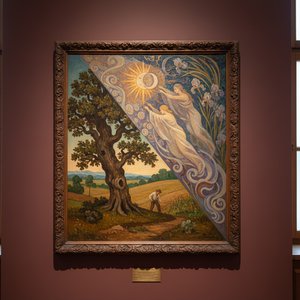
Carl Eduard Schuch: Bridging Realism & Symbolism in Late 19th-Century Austrian Painting
Explore the captivating landscapes & still lifes of Carl Eduard Schuch (1846-1903), a pivotal Austrian painter bridging realism and modernism. Discover his influences, unique style, and lasting legacy with OriginalUniqueArt.

The Inner Landscape: Exploring Themes of Introspection in Visual Art Across Movements & Eras
Explore the captivating world of introspective art! Discover how artists across eras – from Rembrandt to Kahlo – used self-portraiture to reveal their inner worlds and emotional depths. A journey through art history & psychology.

Mastering Form: The 25 Greatest Artworks by Paul Cézanne
Explore 25 iconic Paul Cézanne masterpieces and his Post-Impressionist legacy. Discover the full collection online at OriginalUniqueArt.com.