- Főoldal

- Digitális kép
- Pissarro
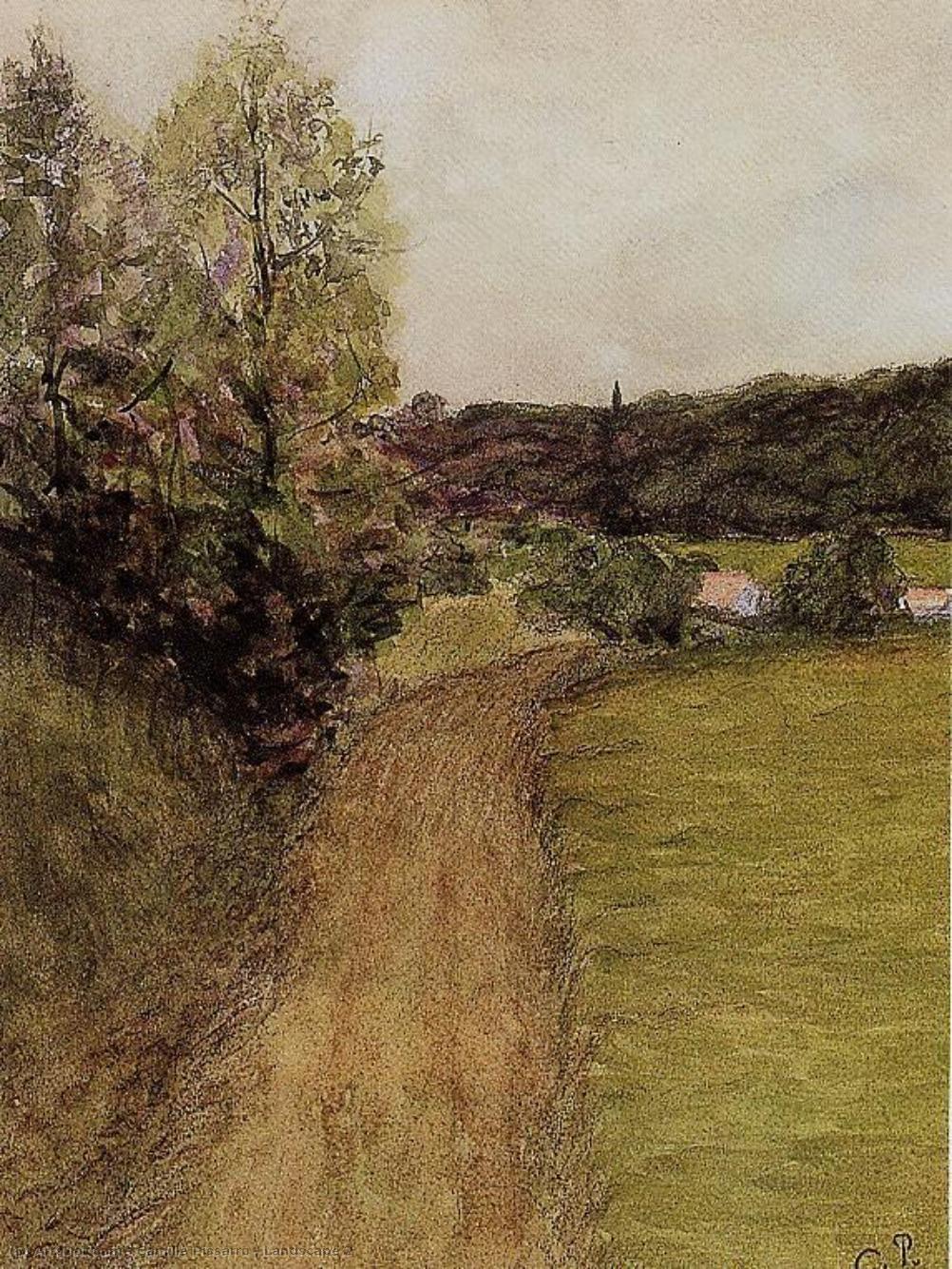
- Landscape 2
 Előnézet
 Megosztás
 Megosztás
 Részletek

 Letöltés
 Hasonló alkotások
 X-ray felvétel
 Diavetítés
Landscape 2


 Tovább olvasom
Vásároljon egy nagy felbontású, javított digitális képet, amely sokkal jobb minőségű, mint az online előnézet.
Minden fájlt szakembereink a legmodernebb eszközök és precíz, kézi retusálás segítségével készítenek el aprólékosan. Gondoskodunk arról, hogy minden kép kivételes tisztasággal, pontos színhelyességgel és részletgazdag finomsággal rendelkezzen.
A végleges fájl 72 órán belül e-mailben megérkezik, professzionális, szerkesztői és nyomtatási környezetbe optimalizálva az azonnali használathoz. Ez ugyanaz a minőség, amelyben a legmeghatározóbb tervezőstúdiók, kiadók és galériák is megbízhatnak.
Digitális alkotás
Töltsön le nagy felbontású fájlt személyes kiállításokhoz, nyomtatáshoz és kreatív projektekhez. ( Váltás nyomtatványra Áttérés a kézzel festett másolatra)
Minden digitális kép rendeléséhez tartozó extrák
Szakértői digitális kézbesítés, garantáltan
Amikor a OriginalUniqueArt.com weboldalt választja, nem csupán egy képet kap – professzionálisan felmagasított digitális műalkotást kap, amely precizitással készült, és amelyet megelégsedési gwarancia tesz biztoslássá. Az alábbiakban automatikusan minden benne 】

Gyors e-mail teslimítés
A nagy felbontású digitális képmásolatát a megrendelést követő 72 órán belül e-mailben elküldjük Önnek – azonnal használható formátumban.

MI-alapú digitális feldolgozású fájl
Műve professzionális módon kerül optimalizálásra fejlett mesterséges intelligencia eszközök és manuális szerkesztés segítségével, biztosítva a maximális részletességet, tisztaságot és színpontosságot.

Örök életű ingyenes újradelivery
Véletlenül törölted vagy elvesztetted a fájlodat? Ne aggódj – bármikor ingyenesen újra megküldjük neked.

Nincs importköltség – soha
Élvezze műalkotásait azonnal, vám, illeték vagy szállítási költség nélkül – a digitális letöltések mindig adamentesek.

Színpontosság Garancia
Professzionális eszközök és színkezelés segítségével garantáljuk, hogy digitális képe a lehető legpontosabban tükrözze az eredeti színeket.

60 napos elégedettségi garancia
Ha nemມີ elégedett a digitális képpel, 60 napon belül átmunkáljuk azt, vagy 100% visszatérítjük az amountot – kérdés nélkül.

100% Pénzvisszatérítési garancia
Nem érheted el a teljes elégedettséget? 60 napon belül teljes visszatérítést kapsz a digitális fájlod megérkezése után – kérdés बिना.

Tömegrendelési kedvezmények
Vásároljon 3 képet, spóroljon 10%-et - Vásároljon 5-öt, spóroljon 15%-et - Vásároljon 10+ képet, spóroljon 20%-at. Kiváló kreatív projektekhez, galériákhoz és ügynökségekhez.
A gyűjtemény leírása
A Moment of Tranquil Reflection: Camille Pissarro's "Landscape 2"
Camille Pissarro’s “Landscape 2” offers a profound glimpse into the heart of Impressionism – a movement defined not by meticulous detail, but by an artist’s immediate response to light and atmosphere. This serene depiction of a rural French landscape, painted around 1890, invites the viewer into a world of quiet contemplation, where the essence of nature is prioritized over precise representation. The painting's enduring appeal lies in its masterful execution of Impressionist principles, combined with a deeply felt connection to the natural world – a characteristic that cemented Pissarro’s place as one of the movement’s most influential figures.
Composition and Technique: Embracing the Fleeting Moment
The composition immediately draws the eye along the winding dirt path, leading towards a distant cluster of buildings nestled amongst rolling hills. This deliberate use of perspective, achieved through atmospheric haze and overlapping forms, creates a powerful sense of depth – a hallmark of Pissarro’s approach. The artist employs a technique rooted in broken brushstrokes, applying paint in short, expressive dabs directly from the tube. There's no blending or smoothing; instead, each stroke retains its individual character, contributing to the painting’s vibrant texture and conveying a sense of movement within the landscape. This method, championed by Pissarro and his colleagues, sought to capture the ephemeral qualities of light and color – the way they shift and change with every passing moment.
- Loose Brushwork: Characterized by visible, unblended strokes that create a textured surface.
- Direct Painting: Utilizing paint straight from the tube for immediate impact and expressive marks.
- Emphasis on Light: Capturing the effects of diffused light and atmospheric conditions.
Color Palette and Symbolism: Earthy Harmony
The color palette is a masterclass in muted harmony, dominated by earthy greens, browns, yellows, and grays – colors that evoke the tranquility of the French countryside. Subtle variations within these tones create an atmospheric quality, suggesting a soft, overcast sky. The deliberate choice of cool and warm hues further enhances this effect, adding to the painting’s overall sense of peace and serenity. Beyond its aesthetic beauty, the landscape itself carries symbolic weight. The winding path can be interpreted as representing a journey – both literal and metaphorical – while the distant buildings offer a quiet invitation to contemplate human existence within the vastness of nature.
Historical Context: A Pivotal Moment in Art History
"Landscape 2" was created during a pivotal period for Impressionism, roughly between 1890 and 1895. Following his time as a military engineer, Pissarro had returned to painting landscapes with renewed vigor, often working alongside his son, Joseph. This era saw the movement evolving beyond its initial focus on capturing fleeting moments of light; artists like Pissarro were increasingly interested in exploring themes of rural life and the beauty of the natural world. His work aligns perfectly with the broader Impressionist project – a rejection of academic conventions and an embrace of subjective experience – solidifying his legacy as a key figure in the development of modern art.
Emotional Impact: A Sense of Quietude
Ultimately, “Landscape 2” is more than just a beautiful depiction of a rural scene; it’s an invitation to slow down and appreciate the simple pleasures of nature. The painting's subdued colors, loose brushwork, and atmospheric perspective combine to create a profound sense of tranquility and contemplation. It’s a work that speaks to our innate desire for peace and connection with the natural world – a timeless quality that continues to resonate with viewers today.
Művész életrajza
A Life Rooted in Observation: The World of Camille Pissarro
Camille Pissarro, a name synonymous with both the birth and evolution of Impressionism, was an artist whose life mirrored the shifting landscapes he so devotedly captured on canvas. Born Jacob Abraham Camille Pissarro on July 10, 1830, in Charlotte Amalie, St. Thomas – then part of the Danish West Indies, now the US Virgin Islands – his origins were as diverse and vibrant as the scenes that would later define his artistic vision. His father, a Portuguese Jewish merchant with French nationality, and his mother, from a French-Jewish family on the island, instilled in him a unique cultural heritage. This upbringing, somewhat unconventional due to familial complexities, fostered an early sensitivity to the world around him, a quality that would become the cornerstone of his artistic practice. His initial formal training at the Savary Academy near Paris provided a foundation in traditional techniques, but it was his return to St. Thomas and subsequent work as a cargo clerk that truly ignited his passion for observation. The bustling harbor, the vibrant local life, and the raw beauty of the Caribbean landscape became his first subjects, shaping an eye keenly attuned to the nuances of everyday existence.From Realism to Revolution: Artistic Development
Pissarro’s artistic journey was one of constant exploration and refinement. After a period assisting Danish painter Anton Melbye in Paris, he immersed himself in the works of masters like Gustave Courbet, Jean-Baptiste-Camille Corot, and Honoré Daumier – artists who championed realism and social commentary. He initially sought acceptance within the established art world, exhibiting at the Paris Salon, but soon found its constraints stifling. A pivotal moment came with his embrace of *plein air* painting—working outdoors directly from nature—a practice encouraged by Corot that would become central to Impressionism. This shift wasn’t merely technical; it represented a philosophical change, a desire to capture the fleeting effects of light and atmosphere, the very essence of a scene rather than its precise representation. He began experimenting with looser brushwork and brighter palettes, moving away from academic conventions towards a more subjective and expressive style. His early landscapes, though still grounded in realism, hinted at the revolutionary path he was about to forge. This period saw him grappling with finding his own voice amidst the burgeoning artistic ferment of Paris, a city undergoing rapid transformation that provided endless inspiration.The Father Figure of Impressionism
Camille Pissarro wasn’t simply *an* Impressionist; he was arguably its most steadfast and unifying force. Uniquely, he exhibited at all eight Paris Impressionist exhibitions between 1874 and 1886, acting as a stabilizing presence within a group often characterized by internal disagreements and individual ambitions. He wasn’t merely present—he actively encouraged his fellow artists, offering support, guidance, and a much-needed sense of camaraderie. This earned him the affectionate nickname “the father figure” of the movement. His commitment to artistic freedom and innovation was unwavering, even in the face of critical scorn and public indifference. He believed in the power of collective action and championed the idea of artists exhibiting independently from the Salon’s restrictive rules. Beyond his own work, Pissarro's influence extended to a younger generation of artists, including Paul Cézanne, Vincent van Gogh, and Paul Gauguin, whom he mentored and profoundly impacted. He provided them with not only technical advice but also a philosophical framework for their artistic explorations. His willingness to experiment led him briefly into Neo-Impressionism, influenced by Georges Seurat and Paul Signac’s pointillist techniques, before ultimately returning to a more personal style that blended his earlier influences with new discoveries.Landscapes of Life: Themes and Legacy
Pissarro's artistic output was remarkably diverse, yet consistently focused on the world around him. He is celebrated for his depictions of both rural and urban landscapes, often portraying scenes of everyday life—peasants working in fields, bustling Parisian streets, quiet village squares. His paintings weren’t simply picturesque views; they were social commentaries, reflecting his deep empathy for the working class and his commitment to depicting their lives with dignity and respect.- Landscapes: Renowned for capturing the beauty of both countryside and city life.
- Scenes of Parisian Life: Vivid portrayals of a rapidly changing metropolis.
- Peasant Life: Reflecting his social consciousness and empathy for the working class.

Pissarro
1830 - 1903 , Dán-Antillák
Rövid tények
- Artistic Movement Or Style: Impressionista, Divizionista
- Artists Or Movements Influenced By This Artist:
- Cézanne
- Van Gogh
- Gauguin
- Artists Who Influenced This Artist:
- Courbet
- Corot
- Daubigny
- Date Of Birth: 1830. július 10.
- Date Of Death: 1903. november 13.
- Full Name: Camille Pissarro
- Nationality: Dán-francia
- Notable Artworks:
- A Boulevard Montmartre
- Betakarítás Pontoise-ban
- Place Of Birth: Charlotte Amalie, USA

