Megtekintés
 Küldés
 Megosztás
 Részletek
 Útmutató

 Letöltés
 Hasonló darabok
 X-ray felvétel
 Diavetítés
 Statisztika
Primavera (detál)


 Összes részlet megjelenítése
Giclée / Műnyomat
Múzeumi minőségű giclée vagy vászonnyomat, gyors gyártással és rugalmas finomítási lehetőségekkel. ( Kézzel festett másolat rendelése Áttérés digitális képre)




P118B Ft10

P118H Ft10

P118W Ft10

P438Z Ft10

P508JH Ft12

P508YH Ft12

P805H Ft10

P805Z Ft10

P919BZ Ft10

P919G Ft10

P919XJ Ft10

P959ZH Ft10

P968JZ Ft12

W106C Ft8

W218G Ft10

W218JH Ft8

W218Y Ft10

W307PJ Ft10

W316G Ft10

W316PJ Ft8

W316Y Ft10

W398PJ Ft8

W4111J Ft10

W500HY Ft15

W500JH Ft15

W692G Ft12

W849H Ft8

W940BG Ft15

W953PJ Ft8




Válasszon előre meghatározott méreteink közül, amelyek megfelelnek a műalkotás eredeti arányainak.

Írja be a keretének vagy a falának megfelelő szélességet és magasságot. A nyomatot csak le lehet vágni, soha nem tehető nagyobbá, mint az eredeti kép, így egy eltérő alakú méretnél a kép egy része elveszik. Mielőtt bármit kinyatintanánk, küldünk egy digitális próbamodellt jóváhagyásra. Az oldalon látható kép nem tartalmazza a valós levágást — ezt csak a próbamodell mutatja meg.
Világszerte történő kiszállítás területére mindössze 2 hét alatt, a szokásos 4-5 hét helyett. (25 október)

Ingyenes globális expressz szállítás

Prémium minőségű len vászon

Teljes körű szállítási biztosítás

Vámvisszatérítési Garancia

Hiteles színarányosság garancia

100 napos visszaküldési lehetőség (csak hibás termékek esetén)

100% pénzvisszatérítési garancia

Több darab vásárlásakor kedvezmény
 Az üvegkeretes opció csak 110 cm alatti méretben érhető el

Primavera (detál)
Giclée / Műnyomat
Reprodukció mérete
-


Összesített ár
Ft 25642
A Botticelli Frühling: Eine Vision der Renaissance
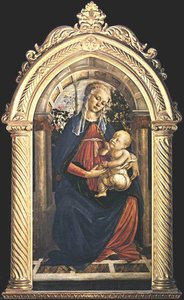
Sandro Botticellis *Primavera*, ein Werk von atemberaubender Schönheit und tiefgründiger Symbolik, entführt uns in das Herz einer florentinischen Welt des frühen 15. Jahrhunderts. Dieses Detailbild, das wir heute betrachten, ist mehr als nur eine Darstellung eines Frühlingsgartens; es ist ein Fenster zu den humanistischeren Idealen der Zeit, ein Ausdruck von Liebe, Schönheit und dem unaufhaltsamen Drang nach Wiedergeburt. Botticelli, ein Meister der Eleganz und des subtilen Charmes, hat hier eine Welt geschaffen, die sowohl an die spätgotische Kunst erinnert als auch den Beginn einer neuen Ära markiert.
Das Bild dominiert eine junge Frau, deren Gesicht von einer stillen Würde und Gelassenheit durchströmt wird. Sie ist in einen üppigen Kranz aus Blütenranken gehüllt – nicht bloß als dekoratives Element, sondern als integraler Bestandteil der Gesamtbedeutung des Kunstwerks. Botticelli hat die Komposition so gestaltet, dass sie sich ganz auf ihr Gesicht und ihren Oberkörper konzentriert, wobei die üppige Vegetation wie ein blühendes Halo um sie herum steht. Die flache Tiefenstaffelung lenkt den Blick des Betrachters direkt auf das Detail, betont die zarten Merkmale und die ätherische Qualität der Protagonistin. Es ist eine intime Begegnung mit einer Welt voller Poesie und Sinnlichkeit.
Die Sprache der Blumen: Symbolik im Frühling
Jede einzelne Blume in *Primavera* trägt eine tiefere Bedeutung, ein verstecktes Versprechen von Liebe, Fruchtbarkeit und spiritueller Erleuchtung. Die Kraniche, die im Hintergrund zu sehen sind, symbolisieren oft den Tod und die Wiedergeburt – ein passender Hinweis auf den Frühlingszyklus. Die Rosen stehen für Schönheit und Liebe, während die Lilien für Reinheit und Unschuld stehen. Die drei Gräzinnen, die in der Komposition eine elegante Tanzbewegung darstellen, verkörpern die Tugenden der Jugend, der Anmut und der Harmonie. Es ist ein komplexes Netz von Symbolen, das den Betrachter dazu anregt, über die bloße Oberfläche hinauszusehen und die verborgenen Botschaften zu entschlüsseln.
Die genaue Interpretation der Symbole kann variieren, doch die Gesamtwirkung ist unverkennbar: *Primavera* ist eine Allegorie des Lebens selbst, ein Fest der Sinnlichkeit und der Hoffnung. Botticelli war ein Meister darin, mythologische Geschichten mit allegorischen Botschaften zu verbinden, und hier gelingt es ihm meisterhaft, diese beiden Elemente in einem harmonischen Ganzen zu vereinen.
Botticellis Stil: Eleganz und Linie
Botticellis Malstil ist sofort erkennbar – eine elegante Linienführung, die nahtlos zwischen der spätgotischen Ästhetik und den aufkeimenden Prinzipien der Renaissance verbindet. Er verwendete Ölfarbe auf Holz mit bemerkenswerter Meisterschaft, wodurch er eine außergewöhnliche Geschmeidigkeit und Farbintensität erreichte, die typisch für diese Epoche ist. Achten Sie auf die zarten Pinselstriche, die jedes Blatt und jede Blütenblatt definieren – sie verleihen dem Bild eine taktile Qualität, die zum genauen Betrachten einlädt. Die Detailgenauigkeit ist schlichtweg erstaunlich: von der subtilen Modellierung des Gesichts bis hin zu den komplizierten Mustern im Blumenarrangement – jedes Element wurde mit Präzision und Sorgfalt ausgeführt.
Die Verwendung von Ölfarben ermöglichte es Botticelli, eine unglaubliche Tiefe und Realismus in seinen Gemälden zu erreichen. Die Art und Weise, wie er Licht und Schatten behandelt, verleiht den Figuren eine lebendige Qualität, die sie aus der Leinwand hervorzaubert. Das Werk ist ein Beweis für seine außergewöhnlichen Fähigkeiten als Maler und sein tiefes Verständnis für die Prinzipien der Renaissance-Kunst.
Ein Fenster in die Zeit: Historischer Kontext
*Primavera* wurde während des Höhepunktes der Medici-Mäzenat in Florenz geschaffen, einer Zeit von außergewöhnlichem kulturellen Aufbruch. Die florentinische Gesellschaft war von humanistischen Philosophien geprägt – ein erneutes Interesse an der klassischen Mythologie und eine Feier der irdischen Schönheit. Botticelli schuf dieses Werk im Kontext eines tiefgreifenden Wandels, in dem die traditionellen Werte der mittelalterlichen Welt durch neue Ideen und Perspektiven herausgefordert wurden. *Primavera* ist somit nicht nur ein Kunstwerk, sondern auch ein Spiegelbild der florentinischen Gesellschaft des 15. Jahrhunderts.
Kérdések és válaszok
Megtekinthető a „Primavera (detál)”, Botticelli alkotása alkotás rendelés előtt?
A „Primavera (detál)”, Botticelli alkotása előnézete megtekinthető a mű Előnézet oldalán.
Hol javasolt a(z) "Primavera (detál)" Portrait formátumú alkotás kihelyezését?
A formátum (Portrait) és a javasolt helyiség (Nappali) a „Primavera (detál)”, Botticelli alkotása alkotáshoz tartozó két elhelyezési adat.
Erős fény-árnyék kontrasztot mutat-e a "Primavera (detál)"?
A "Primavera (detál)" fény-sötét kontrasztja Kijelentés értéket mutat. A kontraszt azt írja le, mennyire térnek el egymástól a világos és sötét részek.
A művész életrajza
Early Life and Florentine Beginnings
Sandro Botticelli, born Alessandro di Mariano di Vanni Filipepi around 1445 in Florence, Italy, emerged during a period of extraordinary cultural ferment—the Early Renaissance. His life was deeply rooted in the city’s artistic and social fabric; he never strayed far from his neighborhood of Ognissanti, a testament to both familial ties and the vibrant creative ecosystem that nurtured him. His father, Mariano Filipepi, initially a goldsmith and later a tanner, provided an early exposure to craftsmanship and meticulous detail—qualities that would profoundly influence Botticelli’s artistic approach. Though initial reports suggested training as a goldsmith, he soon found his calling under the tutelage of Fra Filippo Lippi, a leading painter of the time. This apprenticeship proved pivotal, immersing him in the techniques and aesthetics of the Florentine school while also connecting him to influential patrons like the Medici family. Botticelli’s nickname, ‘Botticelló,’ is believed to have originated from his small stature – a fitting description for the artist who would later create works of such monumental beauty.A Style Defined by Grace and Myth
Botticelli’s artistic style is instantly recognizable for its lyrical beauty, characterized by elegant linearity, flowing contours, and a delicate use of color. He masterfully bridged the gap between the late Gothic traditions and the burgeoning Renaissance aesthetic, absorbing influences from masters like Fra Angelico and Paolo Uccello yet forging a uniquely personal vision. His figures possess an ethereal quality, often depicted with elongated proportions and graceful poses that convey both serenity and a subtle melancholy. A defining feature of his work is the frequent incorporation of classical mythology—a reflection of the humanist interests sweeping through Renaissance Florence. He didn’t merely illustrate these ancient tales; he imbued them with new layers of meaning, exploring themes of love, beauty, and spiritual longing. Botticelli's technique was innovative for its time. He often employed a silverpoint drawing method underpainting his canvases, contributing to the luminosity and delicate detail seen in his finished works. His use of tempera paint allowed for precise rendering and vibrant colors, while his later experiments with oil paints broadened his expressive possibilities.Iconic Masterpieces and Artistic Development
Botticelli’s legacy rests upon a handful of iconic paintings that continue to captivate audiences centuries later. The Birth of Venus, completed around 1486, stands as perhaps his most celebrated work—an allegorical depiction of the goddess emerging from a seashell, embodying Renaissance ideals of beauty and harmony. The painting’s graceful composition, delicate color palette, and evocative symbolism have made it an enduring symbol of the era. Equally renowned is Primavera, created around 1482, a complex and enigmatic painting celebrating spring and love, populated with symbolic figures drawn from classical mythology. These works showcase Botticelli’s mastery of composition, his ability to create atmospheric depth, and his profound understanding of human emotion. His early work often focused on religious subjects, honing his technical skills and establishing a reputation for skillful execution. The 1480s marked the peak of his creative powers, with the creation of these mythological masterpieces. However, the late 1490s witnessed a shift in his style, influenced by the fervent preaching of Girolamo Savonarola—a Dominican friar who condemned what he saw as the decadence and moral corruption of Florence. This period resulted in more austere and emotionally charged works, reflecting a growing spiritual intensity.Historical Significance and Rediscovery
Following his death in 1510, Botticelli’s reputation gradually faded into obscurity. For nearly three centuries, his work was largely forgotten, overshadowed by the achievements of High Renaissance masters like Leonardo da Vinci and Michelangelo. However, a remarkable rediscovery occurred in the late 19th century with the rise of the Pre-Raphaelite Brotherhood—a group of English artists who rejected academic conventions and sought inspiration in the art of the early Italian Renaissance. They were captivated by Botticelli’s linear grace, vibrant colors, and poetic sensibility, recognizing him as a kindred spirit. This renewed appreciation sparked a widespread reassessment of his work, establishing him as one of the most important artists of the Early Renaissance. Today, Botticelli is celebrated for his unique artistic vision, his masterful technique, and his enduring ability to evoke beauty, emotion, and spiritual contemplation. His influence can be seen in subsequent generations of artists who have sought to capture the same sense of grace and elegance in their own work. He remains a symbol of Florentine artistic achievement and a testament to the power of Renaissance humanism.Major Works
- The Birth of Venus (c. 1486): An iconic depiction embodying Renaissance ideals of beauty.
- Primavera (c. 1482): A complex allegorical painting celebrating spring and love.
- Adoration of the Magi (1475-1476): Demonstrates early mastery of composition and perspective.
- Mystic Nativity (1501): Reflects a shift towards spiritual themes in his later career.
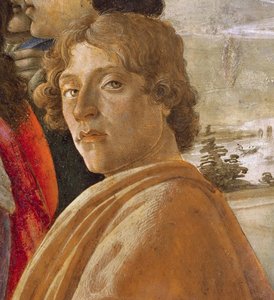
Botticelli
1445 - 1510 , Olaszország
Rövid információk
- Artistic Movement Or Style: Korai reneszánsza
- Artists Or Movements Influenced By This Artist: ['Pre-Raffaellit']
- Artists Who Influenced This Artist:
- Fra Filippo Lippi
- Paolo Uccello
- Date Of Birth: 1445 körül
- Date Of Death: 1510
- Full Name: Alessandro di Mariano Filipepi
- Nationality: Olasz
- Notable Artworks:
- Születés Zeppirinnél
- Tavasz
- Szentek imádása
- Place Of Birth: Firenze, Olaszország
Kapcsolódó cikkek
Mario Sironi: A Poetic of Modern Italian Identity Through Symbolism & Social Commentary
Explore the profound works of Mario Sironi, a key figure in Italian Modernism. Discover his evolution from Futurism to Metaphysical painting and his powerful social commentary. Learn about his legacy at OriginalUniqueArt.
A Reneszánsz Korai Gyöngyszemei: 10 Mestermű, Ami Megváltoztatta a Világot
Fedezze fel a korai reneszánsz 10 legikonikusabb műalkotását! Leonardo, Michelangelo és Botticelli remekművei elmesélnek egy új korszak történetét. Vászonképek, faliképek – inspirálódjon OriginalUniqueArt.com-on!
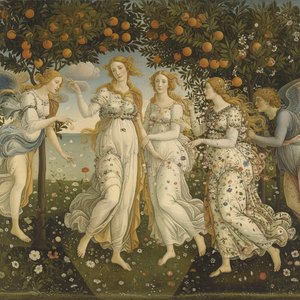
The Ethereal Beauty of Botticelli: A Journey Through the Grace and Symbolism of Italian Renaissance Masterpieces
Explore the ethereal beauty of Sandro Botticelli's masterpieces. Delve into the profound symbolism, mythological grace, and technical mastery that define the Italian Renaissance through an expert art-historical lens.
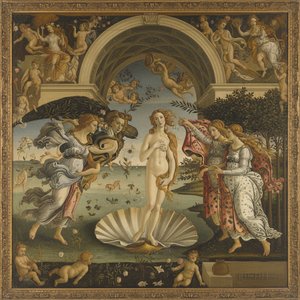
Botticelli Mesterművek: A 25 Leglenyűgözőbb Kép a Reneszánsz Gyöngyszemeiből | OriginalUniqueArt
Fedezze fel Sandro Botticelli 25 legpazarabb műalkotását! Merüljön el a reneszánsz festészet világában, ismerje meg a Primavera és Vénusz születése történetét. Museum-minőségű reprodukciók és inspiráló dekorációs ötletek a OriginalUniqueArt.com oldalon.

A Firenze Uffizi Galéria 25 Mesterműve: Reneszánsz Győgyöngyök a Ház Falain
Fedezze fel a Firenze Uffizi Galéria 25 legikonikusabb műalkotását! Leonardo, Michelangelo, Botticelli és más reneszánsz mesterek festményeinek története. Művészeti reprodukciók otthonába – OriginalUniqueArt.com.