

 Előnézet
 Megosztás
 Megosztás
 Részletek
 Útmutató

 Letöltés
 Hasonló darabok
 X-ray felvétel
 Diavetítés
 Statisztika
Haymaking


 Tovább olvasom
Kézzel készített olajfestmény reprodukció
Kézzel festett olajvastú vászon, az Ön által választott méretben és keretben, művészeink készítik meglévőre. ( Váltás nyomtatványra Áttérés digitális képre)




P118B Ft10

P118H Ft10

P118W Ft10

P438Z Ft10

P508JH Ft12

P508YH Ft12

P805H Ft10

P805Z Ft10

P919BZ Ft10

P919G Ft10

P919XJ Ft10

P959ZH Ft10

P968JZ Ft12

W106C Ft8

W218G Ft10

W218JH Ft8

W218Y Ft10

W307PJ Ft10

W316G Ft10

W316PJ Ft8

W316Y Ft10

W398PJ Ft8

W4111J Ft10

W500HY Ft15

W500JH Ft15

W692G Ft12

W849H Ft8

W940BG Ft15

W953PJ Ft8




Válasszon előre meghatározott méreteink közül, amelyek megfelelnek a műalkotás eredeti arányainak.

Írja be a kívánt szélességet és magasságot, hogy illeszkedjen a keretéhez vagy a falához. Mivel ez kézzel festett alkotás, egy eltérő formájú méret esetén a művész akár festhet is valamivel többet a kép körül, vagy korolathat is belőle — az Ön döntésének megfelelően. A festés megkezdése előtt küldünk egy digitális tervezetet jóváhagyásra. Az oldalon látható kép nem tartalmazza a végeredményt — csak a tervezet mutatja meg a valódi eredményt.
A rendelést követően a OriginalUniqueArt.com csapata e-mailt küld az ügyfélnek az instrukciókért, és biztosít egy előnézeti képet (mockup).
Világszerte elérhető szállítás () 3-4 hét alatt a szokásos 5 hét helyett. (25 október). A minőség nem kérdőjelezhető.

Ingyenes globális expressz szállítás

Prémium minőségű len vászon

Teljes körű szállítási biztosítás

Vámvisszatérítési Garancia

Tökéletes színarányosság garancia

100 napos visszaküldési garancia (csak gyártási hibás termékek esetén)

100% pénzvisszatérítési garancia

Több darab vásárlásakor kedvezmény
 Az üvegkeretes opció csak 110 cm alatti méretben érhető el

Haymaking
Reprodukciós technika
Reprodukció méretei
-


Összesített ár
Ft 96017
A Window into Rural Russia: Boris Kustodiev’s “Haymaking”
Boris Mikhailovich Kustodiev's "Haymaking," painted in 1917, isn’t merely a depiction of agricultural labor; it’s a vibrant portal into the soul of rural Russia at a pivotal moment in its history. Born in Astrakhan in 1878 and tragically cut short by illness in 1927, Kustodiev possessed an extraordinary ability to capture the essence of everyday life, imbuing even the most commonplace scenes with profound emotion and a distinctive visual language. This particular painting, rendered in a style that blends elements of Realism, Symbolism, and touches of Art Nouveau, offers a captivating glimpse into a world steeped in tradition, community, and the rhythms of the land. The scene unfolds within a sun-drenched field, dominated by six figures engaged in the arduous task of harvesting hay – a process central to the survival and prosperity of countless Russian villages.The Palette of Tradition: Style and Technique
Kustodiev’s masterful technique is immediately striking. He employs a rich, saturated palette—deep greens, earthy browns, and vibrant yellows—that evokes the warmth of the sun and the abundance of the harvest. The brushstrokes are bold and expressive, creating a sense of movement and vitality within the composition. Notice how he utilizes impasto – applying thick layers of paint directly to the canvas – particularly in the depiction of the haystacks, lending them a tangible weight and presence. This textural approach is further enhanced by his skillful use of color gradients, subtly shifting tones to create depth and volume. The figures themselves are rendered with a remarkable degree of detail, each individual possessing a unique character and posture that speaks volumes about their roles within the collective effort. The painting’s style leans heavily into the traditions of Russian folk art, evident in the stylized forms and the emphasis on communal labor – a cornerstone of rural Russian identity.A Chronicle of Change: Historical Context
“Haymaking” was painted during a period of immense social and political upheaval in Russia—the twilight years of the Tsarist regime and the nascent days of the Bolshevik Revolution. The painting’s subject matter, the simple act of harvesting hay, becomes imbued with symbolic significance. It represents not just sustenance but also community, resilience, and the enduring values of rural life. Kustodiev himself was deeply affected by these changes, documenting the lives of ordinary people in a time of dramatic transformation. His work often reflects a nostalgic longing for a disappearing world, while simultaneously capturing its beauty and dignity. The painting’s creation coincided with a period where traditional village life was facing increasing pressure from industrialization and urbanization – making this image all the more poignant.Symbolism in the Field: Figures and Meaning
The six figures within the scene are not merely laborers; they embody a complex tapestry of roles and relationships. A young boy, likely assisting his father, stands prominently near the foreground, representing the future generation. An older man, possibly the patriarch of the family, directs the work with authority. Others carry bundles of hay, their faces etched with concentration and determination. The arrangement suggests a harmonious collaboration—a testament to the importance of collective effort in Russian rural society. The vastness of the field itself symbolizes abundance and prosperity, while the golden hue of the haystacks evokes feelings of warmth, security, and the promise of a bountiful harvest. Kustodiev’s ability to imbue such a seemingly simple scene with layers of symbolic meaning is what elevates “Haymaking” beyond mere representation—it becomes a powerful meditation on life, labor, and community.An Echo of Russia: Emotional Impact
Ultimately, "Haymaking" resonates deeply because it taps into universal human experiences – the satisfaction of hard work, the bonds of family and community, and the connection to the land. The painting’s vibrant colors and dynamic composition evoke a sense of warmth, optimism, and nostalgia. It's a reminder of a time when life moved at a slower pace, when communities were tightly knit, and when the rhythms of nature dictated the seasons. Reproductions of this iconic work offer a beautiful way to bring a piece of authentic Russian culture into any space, serving as both an artistic statement and a poignant reflection on the enduring spirit of rural Russia.Gyakran Ismételt Kérdések
Mik a „Haymaking” mű másolati jogai a Donetsk Regional Art Museum gyűjteményében?
A „Haymaking”, Kustodiev Boris alkotása szerzői jogi státusza egyértelmű: a mű a joghallgatói schützenesség körébe tartozik – a szerzői jog lejártt. A Donetsk Regional Art Museum gyűjteményében való szereplése nem változtat ezen a státuszon.
Milyen domináns alapszín jellemzi „Haymaking”, Kustodiev Boris alkotása alkotást?
A Green to Violet Spectrum árnyalat áthatárolja a „Haymaking”, Kustodiev Boris alkotása alkotást.
Mekkora méretű nyomtatás Haymaking alkotást a szobámba?
A(z) „Haymaking”, Kustodiev Boris alkotása ajánlott párosítása: egy Medium méretű nyomat egy Living Room-ban.
A művész életrajza
A Life Immersed in Russian Spirit
Boris Mikhailovich Kustodiev, born on March 7, 1878, in Astrakhan, Russia, was an artist whose work became inextricably linked to a vibrant and often idealized depiction of Russian life. His early years were shaped by a profound sense of provinciality, deeply colored by the financial hardships that followed his father’s untimely death – a respected professor of philosophy, history, and logic. This formative experience, witnessing the struggles of merchants and the everyday lives of common folk, profoundly influenced the themes that would dominate his artistic output throughout his career. Kustodiev's initial education began within the confines of the theological seminary in Astrakhan, yet it was private lessons with Pavel Vlasov, a former student of Vasily Perov, that truly ignited his artistic passion and laid the foundation for his distinctive style. This crucial mentorship led him to St. Petersburg and the prestigious Imperial Academy of Arts, where he studied under the renowned Ilya Repin from 1896 to 1903. Repin recognized Kustodiev’s considerable talent early on, even inviting him to assist with a monumental commemorative painting – an invaluable opportunity that provided crucial experience and solidified his artistic commitment to capturing the essence of Russian identity.Artistic Development and Key Influences
Kustodiev's artistic journey unfolded across a diverse range of genres – portraiture, genre scenes brimming with social commentary, and meticulously illustrated books. However, he consistently returned to portraying the richness and complexity of Russian culture, often focusing on the lives of merchants and rural communities. His style evolved organically over time, initially rooted in Realism but gradually incorporating elements of Art Nouveau’s decorative elegance and flowing lines. He possessed an extraordinary ability not merely to *record* what he saw, but also to convey the atmosphere, mood, and spirit of a particular place or moment – a skill that set him apart from many of his contemporaries. The merchant class, with their traditions, customs, and often-hidden dignity, became a recurring and beloved motif in his work, reflecting those early childhood impressions and offering a sympathetic portrayal of a frequently overlooked segment of Russian society. Paintings like *The Merchant’s Wife* (1918), a masterpiece of nuanced characterization, stand as powerful testaments to this enduring fascination. Beyond portraits, Kustodiev masterfully captured scenes of everyday life – bustling marketplaces overflowing with activity, lively folk festivals such as Maslenitsa (Pancake Week) depicted with exuberant color and energy, and serene landscapes that evoked a deep sense of national pride and connection to the Russian land. His work wasn’t simply representational; it was infused with a palpable love for Russia and its people – a sentiment that resonated deeply with audiences then and continues to captivate viewers today.European Travels and Artistic Experimentation
During his artistic maturation, Kustodiev embarked on extensive travels throughout Europe, seeking inspiration and broadening his artistic horizons. In 1904, he spent time studying in Paris under René Menard, absorbing the Impressionistic techniques of the era. He also journeyed to Spain (1907), Italy (1909), and Austria, France, and Germany, immersing himself in diverse cultural landscapes. These experiences profoundly influenced his style, introducing him to new compositional approaches and color palettes. Notably, he participated in the exhibitions of the *World of Art* group (Mir Iskusstva) in 1910, a movement that championed innovation and challenged traditional artistic conventions. His early years were marked by experimentation with satirical journals like *Zhupel* (Bugbear) and *Hell’s Mail*, reflecting his engagement with contemporary social issues. These periods of exploration contributed significantly to the development of his unique visual language – a blend of realism, decorative elements, and a deep understanding of Russian culture.Overcoming Adversity: Resilience in Art
Tragically, Kustodiev's life took a dramatic turn in 1916 when he suffered a debilitating spinal injury, resulting in paraplegia. This devastating event confined him to a wheelchair, presenting immense physical and emotional challenges. However, rather than succumbing to despair, Kustodiev channeled his suffering into an even greater artistic output – a testament to the indomitable spirit of creativity. Despite the limitations imposed by his condition, he continued to paint prolifically, his later works characterized by an intensified joyfulness, vibrant color palettes, and a heightened sense of optimism. It’s as if, unable to fully experience life's pleasures through physical movement, he poured all of his energy into recreating its beauty on canvas – capturing the warmth of human connection, the splendor of nature, and the simple joys of everyday existence. This period saw him further refine his style, embracing a more decorative approach that celebrated the beauty of Russian folk traditions and rural life. His paintings from this time are not merely depictions of reality; they are expressions of hope, resilience, and an unwavering belief in the power of art to transcend adversity.Legacy and Historical Significance
Boris Kustodiev’s contribution to Russian art lies primarily in his ability to capture the spirit of a rapidly changing era – a period marked by significant social upheaval, political transformation, and a burgeoning cultural identity. He wasn't simply documenting reality; he was interpreting it through a lens of nostalgia, affection, and profound understanding. His paintings offer invaluable insights into the lives of ordinary Russians during the late 19th and early 20th centuries, preserving their traditions, customs, and values for posterity. His work resonated deeply with audiences then and continues to captivate viewers today, serving as a poignant reminder of Russia’s rich cultural heritage. Kustodiev's influence can be seen in the works of subsequent generations of Russian artists who sought to celebrate their national identity and depict the beauty of everyday life. His paintings are now held in prominent collections across Russia, including the Kramskoy Museum of Fine Arts in Voronezh and the Kharkov Museum of Art in Ukraine, ensuring that his artistic vision will continue to inspire and enrich for years to come. He remains a beloved figure in Russian art history, celebrated for his vibrant palette, evocative storytelling, and unwavering commitment to portraying the soul of Russia.
Kustodiev Boris
1878 - 1927 , Oroszország
Gyors információk
- Artistic Movement Or Style: Realizmus, Nyugdíjas
- Artists Or Movements Influenced By This Artist: ['Keresztény művészet']
- Artists Who Influenced This Artist:
- Repin
- Perov
- Date Of Birth: 1878.03.07
- Date Of Death: 1927.05.28
- Full Name: Boris Mikhaylovich Kustodiev
- Nationality: Orosz
- Notable Artworks:
- A kereskedő felesége
- Fontanka
- Maslenica
- Place Of Birth: Oroszlány, Oroszország
Kapcsolódó cikkek

A Romantikus Tájképfestészet 10 Legikonikusabb Műalkotása – OriginalUniqueArt.com
Fedezze fel a romantikus tájképfestészet 10 legikonikusabb műalkotását! Caspar David Friedrich, J.M.W. Turner és más mesterek festményeinek története – inspiráló olajfestmények otthonába. OriginalUniqueArt.com: múzeumi minőségű reprodukciók és egyedi dekorációk online.
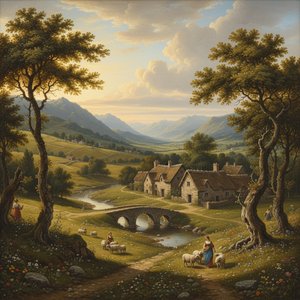
Evoking Arcadia: A Historical & Aesthetic Exploration of Rural Landscape Art
Explore the rich history of pastoral landscape art, from classical Arcadia to Impressionism & beyond. Discover key artists, movements, and how to collect serene rural scenes for your home. Expert insights at OriginalUniqueArt.

Echoes of Arcadia: Nostalgia & Transformation in Vintage Landscape Art
Explore the evocative world of vintage landscape art! Discover the history, artists & emotional power behind masterpieces from the Hudson River School & beyond. Expert insights for collectors & enthusiasts.

Cultivating Visions: A Historical Journey Through Rural Landscapes in Art
Explore the rich history of rural landscape painting with OriginalUniqueArt. Discover Impressionist masterpieces, key artists & movements. Find your perfect serene artwork and bring nature's beauty home.

John Constable 25 Mesterműve: A Természet Lényege Vászonon – OriginalUniqueArt.com
Fedezze fel John Constable 25 legszebb művészeti alkotását! Ismerje meg a romantika ikonikus tájképeit, Dedham Vale szépségét és a természet lenyűgöző ábrázolásait. Vászonkép reprodukcióinkkal eleganciát csempészhet otthonába – OriginalUniqueArt.com


