

 Megtekintés
 Küldés
 Megosztás
 Részletek
 Útmutató

 Letöltés
 Hasonló darabok
 X-ray felvétel
 Diavetítés
 Statisztika
At The Ball

 Összes részlet megjelenítése
Giclée / Műnyomat
Múzeumi minőségű giclée vagy vászonnyomat, gyors gyártással és rugalmas finomítási lehetőségekkel. ( Kézzel festett másolat rendelése Áttérés digitális képre)




P118B Ft10

P118H Ft10

P118W Ft10

P438Z Ft10

P508JH Ft12

P508YH Ft12

P805H Ft10

P805Z Ft10

P919BZ Ft10

P919G Ft10

P919XJ Ft10

P959ZH Ft10

P968JZ Ft12

W106C Ft8

W218G Ft10

W218JH Ft8

W218Y Ft10

W307PJ Ft10

W316G Ft10

W316PJ Ft8

W316Y Ft10

W398PJ Ft8

W4111J Ft10

W500HY Ft15

W500JH Ft15

W692G Ft12

W849H Ft8

W940BG Ft15

W953PJ Ft8




Válasszon előre meghatározott méreteink közül, amelyek megfelelnek a műalkotás eredeti arányainak.

Írja be a keretének vagy a falának megfelelő szélességet és magasságot. A nyomatot csak le lehet vágni, soha nem tehető nagyobbá, mint az eredeti kép, így egy eltérő alakú méretnél a kép egy része elveszik. Mielőtt bármit kinyatintanánk, küldünk egy digitális próbamodellt jóváhagyásra. Az oldalon látható kép nem tartalmazza a valós levágást — ezt csak a próbamodell mutatja meg.
Világszerte történő kiszállítás területére mindössze 2 hét alatt, a szokásos 4-5 hét helyett. (25 október)

Ingyenes globális expressz szállítás

Prémium minőségű len vászon

Teljes körű szállítási biztosítás

Vámvisszatérítési Garancia

Hiteles színarányosság garancia

100 napos visszaküldési lehetőség (csak hibás termékek esetén)

100% pénzvisszatérítési garancia

Több darab vásárlásakor kedvezmény
 Az üvegkeretes opció csak 110 cm alatti méretben érhető el

At The Ball
Giclée / Műnyomat
Reprodukció mérete
-


Összesített ár
Ft 25642
A Night of Revelry: Immersing Yourself in Boris Grigoriev’s “At The Ball”
“At The Ball” by Boris Dmitrievich Grigoriev is a captivating glimpse into the vibrant social scene of turn-of-the-century Russia, rendered with the expressive energy of Impressionism. This painting isn't merely a depiction of a ballroom; it’s an invitation to step *into* the swirling currents of music, conversation, and fleeting encounters.Subject & Composition: A Moment Frozen in Time
The artwork presents a crowded yet harmonious composition filled with dancers and socialites engaged in lively interaction. Grigoriev masterfully captures a dynamic moment – not a posed portrait, but the very *feeling* of being swept up in a grand ball. Figures overlap and blend, creating a sense of movement and immediacy. The focus isn’t on individual portraits, but rather on the collective energy and atmosphere of the event. It's a celebration of social life, hinting at the indulgence and excitement characteristic of Parisian and Russian nightlife during this period.Style & Technique: Impressionistic Brushwork
Grigoriev’s style in “At The Ball” is firmly rooted in Impressionism, though with a distinctly Russian sensibility. He employs loose, visible brushstrokes to build form and convey light. This technique isn't about precise representation; it’s about capturing the *impression* of light and movement. Warm tones – rich reds, oranges, and browns – dominate the palette, creating an intimate and theatrical mood. The textured surface, built up with layered paint, adds depth and visual interest. Notice how the flattened perspective prioritizes the overall effect over strict realism, a hallmark of the Impressionist approach.Historical Context: A Russian Artist in Transition
Born in 1886, Boris Grigoriev lived through a period of immense social and artistic change in Russia. He initially trained in traditional methods but quickly embraced the emerging avant-garde movements. His early exposure to Impressionism, as a member of the “Studio of Impressionists” group in 1909, profoundly influenced his work. Later becoming associated with the "World of Art" movement, Grigoriev navigated between established and experimental styles. “At The Ball” reflects this transitional period, showcasing his mastery of Impressionistic techniques while hinting at a deeper exploration of form and emotion that would characterize his later works. His personal history – born out of wedlock – also subtly informed his artistic perspective, often leading him to explore themes of societal observation and individual experience.Symbolism & Emotional Impact: Beyond the Surface
While not overtly symbolic, “At The Ball” evokes a sense of fleeting pleasure and social commentary. The blurred figures suggest the ephemeral nature of these moments – the dance ends, conversations fade, and individuals drift apart. There’s an underlying current of melancholy beneath the surface gaiety, perhaps reflecting Grigoriev's own reflections on societal norms and personal identity. The painting invites viewers to contemplate not just *what* is happening, but *how it feels* to be present in such a scene – the excitement, the anonymity, and the subtle undercurrents of human interaction.For Collectors & Designers
- A Statement Piece: This artwork’s dynamic composition and rich color palette make it a striking focal point for any space.
- Versatile Aesthetic: Its Impressionistic style complements both traditional and contemporary interiors, adding warmth and sophistication.
- Historical Significance: Owning a reproduction of “At The Ball” is an opportunity to connect with a pivotal moment in Russian art history and the life of a fascinating artist.
- Emotional Resonance: The painting’s evocative atmosphere creates a sense of energy and intrigue, sparking conversation and inspiring contemplation.
Kérdések és válaszok
Ki készítette a(t): "At The Ball"?
A "At The Ball" alkotója Boris Dmitrievich Grigoriev. A mű Boris Dmitrievich Grigoriev nevére van katalógusozva.
Hová sorolható a "At The Ball" Boris Dmitrievich Grigoriev életművében?
A "At The Ball" megosztja Boris Dmitrievich Grigoriev többi művével a Impressionism stílust és a rögzített témákat: impressionist light & color, french social scenes, movement & atmosphere, parisian leisure life, social entertainment, late 19th century trends, none overtly present, reflects societal norms.
Milyen módon kapcsolódik össze a „At The Ball”, Boris Dmitrievich Grigoriev alkotása a Impressionism irányzatot a művész honcountryjához?
A "At The Ball" a alkotó születésihelyén keresztül köti össze a Impressionism irányzatot Oroszország-val.
A művész életrajza
Boris Dmitrievich Grigoriev: Egy élet az orosz művészetben
Korai évek és oktatás
- Született: 1886. július 11., Rybinszk, Oroszország.
- Édesanyja, Klara von Lindenberg svéd származású volt, ami mélyrehatóan befolyásolta művészeti érzékét.
- Grigoriev korai életét jellegzetessé tette a házasság nélküli születés, egy olyan téma, amely később finoman visszatekinthető alkotásaiban is.
- 1903 és 1907 között a Stroganov Művészeti Iskolában tanult Dmitri Shcherbinovsky mester alatt.
- Képzettségét a Szentpéterburgi Császári Művészeti Akadémián egészítette ki, ezzel megszilárdítva művészi alapokat.
Művészeti fejlődés és hatások
- Grigoriev stílusa számos szakaszon ment keresztül, az impresszionizmussal kezdődve, mielőtt az avantgárd technikákat is magába fogadta volna.
- 1909-ben csatlakkozott az „Impresszionisták Stúdiójához”, ami az ezen irányzathoz való kezdeti vonzalmát mutatta.
- 1913-ban a befolyásos *Világ Művészete* (Mir Iskusstva) mozgalom tagjává vált, amely összekötte őt a vezető orosz művészekkel és intellektuálisokkal.
- Hatások: Bár a konkrét hatásokról viták folyhatnak, munkássága egyaránt mutat az európai impresszionistákra és poszt-impresszionistákra, valamint egy egyértelműen orosz érzékiségre.
Kulcsfontosságú művek és témák
- „Rasseïa” (1918): Egy kulcsfontosságú album, amely Grigoriev azon törekvéseit mutatja be, hogyan próbálta meg megérteni az orosz nép lényegét, mint természetes jelenséget.
- Portrék: Kiemelkedő portréi közé tartozik Vsevolod Meyerhold, Maxim Gorky és Szergej Rajmáninov alakja, akik személyiségét mélység és érzékenység mellett örökítette meg.
- „Orosz arcok” és „A világ arcai” sorozatok: Ezek a gyűjtemények demonstrálják érdeklődését a különböző egyének és kultúrák ábrázolásában.
- Főbb festmények: A *Napvirágok* (1917-1919), a *Falu* (1918) és a *Parasztok a mezőn* (1920) példáultak vibráló színpalettájának és ritmikus kompozícióinak.
- Témák: Grigoriev munkásságában gyakran felfedezhető a nemzeti identitás, a társadalmi megfigyelés és a pszichológiai mélység témaköre.
Történelmi jelentőség és örökség
- Grigoriev jelentős szerepet játszott az orosz avantgárd mozgalomban, hozzájárulva annak innovatív szellemiségéhez.
- Műve tükrözi a 20. század eleji Oroszország turbulens társadalmi és politikai klímáját.
- Bár nem vált olyan széles körű nemzetközi elismerésre, mint kortársai közül néhány, hozzájárulásai az orosz művészethez egyre inkább értékelődnek.
- Festményei olyan múzeumokban találhatók, mint a Taganrogi Művészeti Múzeum, megőrizve örökségét a jövő generációi számára.
- Meghalt: 1939. Korai halála megszakította ígéretes karrierjét, de művészi látásmása továbbra is inspirál.
Művészeti stílus és jellemzők
- Grigoriev stílusát érzelmi intenzitás és a színek kifejező használata jellemzi.
- Ritmikus struktúrákat és dinamikus kompozíciókat alkalmazott a mozgás és az energia érzékének közvetítésére.
- Portréi kiemelkedő pszichológiai betekintéssel és a tárgyalt személyek belső világának megörökítésének képességével büszkélkedhetnek.
- Összességében: Grigoriev munkássága az impresszionista technikák, az avantgárd kísérletezés és a kifejezetten orosz témák egyedülálló ötvözete.

Boris Dmitrievich Grigoriev
1886 - 1939 , Oroszország
Rövid információk
- Artistic Movement Or Style: Avant-garde
- Artists Or Movements Influenced By This Artist: ['World of Art']
- Artists Who Influenced This Artist:
- Dmitry Shcherbinovsky
- Alexander Kiselyov
- Date Of Birth: July 11, 1886
- Date Of Death: 1939
- Full Name: Boris Dmitrievich Grigoriev
- Nationality: Russian
- Notable Artworks:
- Rasseïa
- Sunflowers
- Village
- Place Of Birth: Rybinsk, Russia
Kapcsolódó cikkek

Boris Grigoriev: Capturing the Soul of Russia Through Realism & Narrative Art
Explore the captivating realism of Boris Grigoriev, a pivotal Russian artist renowned for his poignant portraits & depictions of peasant life. Discover his artistic evolution and lasting legacy at OriginalUniqueArt.

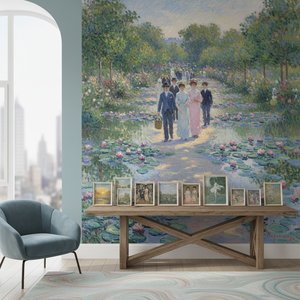
A 10 legikonikus impresszionista tájkép: Művészeti remekművek otthonába – OriginalUniqueArt.com
Fedezze fel a 10 legikonikus impresszionista tájkép festményt! Monet, Renoir és más mesterek alkotásainak története. Olajfestmények, vászonképek otthonába – OriginalUniqueArt.com kínálatából. Explore the full collection online!
A impresszionizmus 10 legikonikusabb mesterműve – OriginalUniqueArt.com
Fedezze fel a 10 legikonikusabb impresszionista mesterművet! Monet, Degas és Renoir alkotásainak története, technikája és időtálló szépsége. Vászonképek, faliképek – inspirálódjon otthon dekorációjához a OriginalUniqueArt.com kínálatából! Fedezze fel a teljes gyűjteményt online.
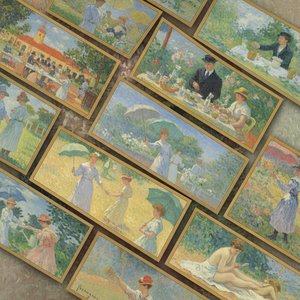
Renoir Mesterek: A 25 Leglenyűgözőbb Kép a Francia Impresszionizmus Gyöngyszemeiből | OriginalUniqueArt
Fedezze fel Pierre-Auguste Renoir 25 legszebb művét! Ismerje meg az impresszionizmus gyöngyszemeit, a színek és fény játékát. Vásároljon exkluzív Renoir reprodukciókat otthonába a OriginalUniqueArt.com kínálatából – minőségi faliképek és inspiráló dekoráció.
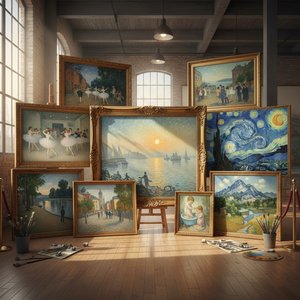
A 10 legnagyobb remekmű, mely meghatározta az impresszionizmust – Vásároljon festményeket online | OriginalUniqueArt
Fedezze fel a 10 legnagyobb impresszionista remekművet! Monet, Degas és Renoir alkotásainak története, technikája és időtálló szépsége. Vásároljon online prémium minőségű festmény reprodukciókat a OriginalUniqueArt-on – inspirálja otthonát művészettel!