 Megtekintés
 Küldés
 Megosztás
 Részletek
 Útmutató

 Letöltés
 Hasonló darabok
 X-ray felvétel
 Diavetítés
 Q&A
Q&A Statisztika
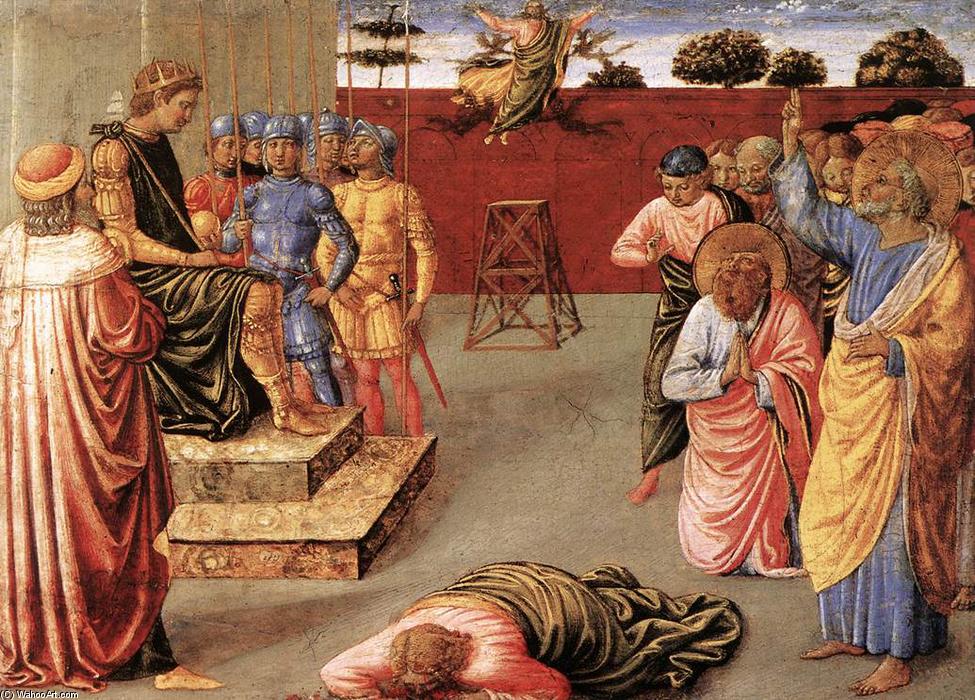
Fall of Simon Magus

- 24.0 x 35.0 cm


 Összes részlet megjelenítése
Giclée / Műnyomat
Múzeumi minőségű giclée vagy vászonnyomat, gyors gyártással és rugalmas finomítási lehetőségekkel. ( Kézzel festett másolat rendelése Áttérés digitális képre)




P118B Ft10

P118H Ft10

P118W Ft10

P438Z Ft10

P508JH Ft12

P508YH Ft12

P805H Ft10

P805Z Ft10

P919BZ Ft10

P919G Ft10

P919XJ Ft10

P959ZH Ft10

P968JZ Ft12

W106C Ft8

W218G Ft10

W218JH Ft8

W218Y Ft10

W307PJ Ft10

W316G Ft10

W316PJ Ft8

W316Y Ft10

W398PJ Ft8

W4111J Ft10

W500HY Ft15

W500JH Ft15

W692G Ft12

W849H Ft8

W940BG Ft15

W953PJ Ft8




Válasszon előre meghatározott méreteink közül, amelyek megfelelnek a műalkotás eredeti arányainak.

Írja be a keretének vagy a falának megfelelő szélességet és magasságot. A nyomatot csak le lehet vágni, soha nem tehető nagyobbá, mint az eredeti kép, így egy eltérő alakú méretnél a kép egy része elveszik. Mielőtt bármit kinyatintanánk, küldünk egy digitális próbamodellt jóváhagyásra. Az oldalon látható kép nem tartalmazza a valós levágást — ezt csak a próbamodell mutatja meg.
Világszerte történő kiszállítás területére mindössze 2 hét alatt, a szokásos 4-5 hét helyett. (31 október)

Ingyenes globális expressz szállítás

Prémium minőségű len vászon

Teljes körű szállítási biztosítás

Vámvisszatérítési Garancia

Hiteles színarányosság garancia

100 napos visszaküldési lehetőség (csak hibás termékek esetén)

100% pénzvisszatérítési garancia

Több darab vásárlásakor kedvezmény
 Az üvegkeretes opció csak 110 cm alatti méretben érhető el

Fall of Simon Magus
Giclée / Műnyomat
Reprodukció mérete
-


Összesített ár
Ft 26198
The Fall of Simon Magus: A Triumph of Venetian Gothic Style
Benozzo Gozzoli’s “Fall of Simon Magus,” painted in 1461-62, stands as a remarkable testament to the burgeoning artistic fervor of Renaissance Florence and its embrace of international stylistic influences. Commissioned for the altarpiece of Santa Maria della Purificazione e di San Zanobi—a confraternity dedicated to Saint Peter and Saint Paul—the panel embodies Gozzoli’s masterful command of Venetian Gothic, marking him as a pivotal figure in bridging the gap between medieval grandeur and humanist innovation.
- Subject Matter: The artwork recounts an episode from Jacobus de Voragine's *Golden Legend*, depicting Simon Magus’ audacious attempt to ascend to heaven by launching himself from a tower, fueled by ambition and defiance of divine authority. Peter, guided by Nero’s counsel, intervenes, commanding the demonic forces supporting Simon to release his grip on the earth.
- Style & Technique: Gozzoli employed tempera paint on poplar panel—a technique favored for its vibrancy and durability—resulting in a luminous surface adorned with intricate detail. The Venetian Gothic style is evident in the elongated figures, expressive drapery, and dramatic composition, reflecting the stylistic trends prevalent in Venice at the time.
- Historical Context: Painted during a period of intense artistic experimentation, “Fall of Simon Magus” aligns itself with the broader Renaissance preoccupation with moral allegory and biblical narratives. It speaks to themes of faith versus heresy, humility versus pride—concepts central to humanist thought.
Composition & Symbolism: A Dynamic Narrative
The painting’s dynamism is immediately striking. Gozzoli skillfully orchestrates a complex visual narrative, utilizing diagonal lines and overlapping planes to convey movement and tension. The central figure of Simon Magus dominates the composition, positioned precariously atop the tower—a symbol of ambition and earthly aspiration—while angels descend from above, representing divine intervention and judgment. Nero’s presence on the left underscores the imperial patronage that fueled artistic endeavors during this era.
- Color Palette: Gozzoli utilizes a rich color palette characterized by deep reds, blues, and golds—colors traditionally associated with royalty and piety—to heighten the emotional impact of the scene. The luminous hues contribute to the overall sense of grandeur and drama.
- Symbolic Imagery: Beyond its narrative content, “Fall of Simon Magus” incorporates symbolic imagery that reinforces its moral message. The tower represents ambition and pride, while the angels embody divine grace and redemption. The depiction of Simon’s lifeless body serves as a poignant reminder of earthly mortality.
Legacy & Influence
"Fall of Simon Magus" exemplifies Gozzoli's artistic genius and solidified his reputation as one of Florence’s foremost painters. Its influence extended beyond its immediate commission, inspiring subsequent artists to explore similar stylistic approaches and thematic concerns. Today, the panel resides in Hampton Court Palace, where it continues to captivate viewers with its masterful execution and enduring beauty—a timeless masterpiece that encapsulates the spirit of Renaissance art.
For more information on Benozzo Gozzoli and his works, visit Benozzo Gozzoli on Wikipedia. Handmade oil paintings reproductions of the Fall of Simon Magus can be found at OriginalUniqueArt.comKérdések és válaszok
Ki készítette a(t) "Fall of Simon Magus"-t, és melyik évben?
A "Fall of Simon Magus" alkotását Benozzo Gozzoli készítette 1461 évben.
Milyen arányú „Fall of Simon Magus”, Benozzo Gozzoli alkotása, és milyen méretű?
A „Fall of Simon Magus”, Benozzo Gozzoli alkotása egy Landscape kompozíció, amely az eredeti méretét tekintve 24 x 35 cm-es.
Milyen hangulat és érzelem ötvöződik a "Fall of Simon Magus" alkotásban?
A „Fall of Simon Magus”, Benozzo Gozzoli alkotása egy Dramatic érzést közvetít, egy összonosan Dramatic hangulatban.
A művész életrajza
Early Life and Artistic Foundations
Benozzo Gozzoli, a name synonymous with the vibrant heart of the Italian Renaissance, was born in Florence around 1420 – a time of burgeoning artistic innovation and political intrigue. His origins were humble; he hailed from a family rooted in the Florentine countryside, specifically Sant’Ilario a Colombaia, yet his early life was inextricably linked to the city's artistic epicenter. While details about his precise upbringing remain somewhat elusive, it is known that his father, Lese di Sandro, worked as a tailor – an occupation that perhaps subtly nurtured Gozzoli’s keen eye for detail and appreciation of intricate craftsmanship. Interestingly, the family name itself, “Gozzoli,” evolved over time, tracing its roots back to another branch of the lineage, suggesting a complex familial history. Crucially, Gozzoli's artistic journey didn't begin with formal training in a traditional workshop. Instead, he seems to have embarked on his career as an assistant, initially honing his skills under the tutelage of Fra Angelico – one of the most revered artists of his era. This formative period within the serene confines of the San Marco convent in Florence proved invaluable, exposing him to Angelico’s meticulous technique and profound understanding of religious iconography. Furthermore, Gozzoli's early collaborations with Lorenzo and Vittorio Ghiberti on the magnificent bronze doors of the Florence Baptistery provided him with an unparalleled opportunity to learn from one of the greatest sculptors of the Renaissance. These experiences laid a solid foundation for his future development, imbuing him with a deep appreciation for both painting and sculpture – skills that would later inform his distinctive artistic style.A Flourishing Career Across Tuscany and Rome
Following his apprenticeship, Benozzo Gozzoli embarked on a prolific career spanning across Tuscany, Umbria, and ultimately, the heart of the Renaissance itself: Rome. He wasn’t merely a journeyman artist; he was a dynamic figure who actively sought commissions and embraced diverse artistic challenges. His early works in Montefalco showcased his burgeoning talent, particularly evident in the cycle of frescoes depicting scenes from the life of Saint Francis – a testament to his ability to blend narrative storytelling with vibrant color palettes. Rome became a crucial stage in Gozzoli’s career. He worked under the patronage of Pope Eugenius IV, contributing to the decoration of the Vatican library and undertaking significant projects within the Santa Maria in Aracoeli church. His frescoes there – depicting Saint Anthony and two angels – stand as powerful examples of his evolving style, demonstrating a growing confidence and mastery of composition. This period also saw him collaborating with Fra Angelico on the magnificent Chapel of San Brizio in Orvieto, further solidifying his reputation as a leading artist of his time. Throughout these travels, Gozzoli consistently demonstrated an adaptability to different artistic traditions, absorbing influences from various masters while simultaneously forging his own unique and recognizable style.The Masterpiece: The Journey of the Magi
Perhaps the most celebrated achievement in Benozzo Gozzoli’s illustrious career is undoubtedly the fresco cycle he executed in the chapel of the Medici-Riccardi Palace in Florence – known as *La Processione dei Tre Re* (The Procession of the Three Kings). Commissioned by Piero de' Medici, this monumental work represents a culmination of Gozzoli’s artistic vision and a masterful synthesis of his diverse influences. The scene depicts the biblical journey of the Magi to Bethlehem, but it transcends mere religious narrative; it becomes a vibrant tableau of Florentine society, replete with portraits of prominent figures – including young Lorenzo de' Medici himself. What distinguishes this fresco is its remarkable dynamism and intricate detail. Gozzoli masterfully employs perspective and spatial relationships to create a sense of movement and depth, drawing the viewer into the heart of the procession. The rich color palette, dominated by scarlet, gold, and blue, contributes significantly to the work’s overall impact, evoking a sense of opulence and grandeur. The fresco is not simply a depiction of a biblical event; it's an elaborate celebration of Florentine power, wealth, and artistic prowess – a testament to Gozzoli’s ability to seamlessly integrate religious symbolism with secular themes.Artistic Style and Legacy
Benozzo Gozzoli’s artistic style is characterized by a unique blend of elegance, sophistication, and a distinctly international gothic influence. He skillfully combined the meticulous detail and refined aesthetics of the International Gothic tradition with the emerging naturalism and dynamism of the early Renaissance. His works are renowned for their vibrant color palettes, intricate compositions, and a remarkable attention to human anatomy and expression. Gozzoli’s prolific output – encompassing numerous frescoes, panel paintings, and tempera works – has ensured his place as one of the most important figures in Italian Renaissance art. His legacy extends beyond individual masterpieces; he served as an influential teacher and mentor, shaping the artistic sensibilities of subsequent generations of painters. His work continues to inspire admiration for its beauty, complexity, and profound engagement with both religious and secular themes.- View Gozzoli’s artworks on OriginalUniqueArt: https://OriginalUniqueArt.com/@/benozzo-gozzoli
- Explore the Italian Renaissance art movement on OriginalUniqueArt: /hu/art/list/
- Discover more about Gozzoli’s life and works on Wikipedia: https://en.wikipedia.org/wiki/benozzo_gozzoli

Benozzo Gozzoli
1420 - 1497 , Olaszország
Rövid információk
- Artistic Movement Or Style: Internacionális Gótika
- Artists Or Movements Influenced By This Artist: ['Korai Reneszánsz']
- Artists Who Influenced This Artist:
- Fra Angelico
- Lorenzo Ghiberti
- Date Of Birth: 1420 körül
- Date Of Death: 1497 október 4.
- Full Name: Benozzo di Lese
- Nationality: Florentine
- Notable Artworks:
- Háromkirályok meneté
- St Francis életkéje
- Place Of Birth: Firenze, Itália
Kapcsolódó cikkek
Simon Vouet: A Baroque Master's Journey from Italian Influence to French Classicism
Explore the life & art of Simon Vouet, a pivotal French Baroque painter who introduced Italian styles to France. Discover his masterpieces and lasting influence on 17th-century art.
Late Medieval Masterpieces: 10 Artworks That Defined an Era | OriginalUniqueArt
Journey through 10 defining Late Medieval masterpieces – from Giotto's frescoes to Jan van Eyck’s realism. Explore the stories, techniques & vibrant colors of Gothic art. Find museum-quality reproductions and elevate your home decor with OriginalUniqueArt.com! Discover all masterpieces on OriginalUniqueArt.com

Divine Light & Golden Splendor: A Journey Through the Sacred Grandeur of High Medieval Art
Embark on a soulful journey through High Medieval art. Explore the divine light of Gothic cathedrals, Byzantine splendor, and sacred masterpieces that shaped Western history with our expert-led cultural reflections.
High Medieval Art: 10 Masterpieces That Shaped an Era | OriginalUniqueArt
Journey through High Medieval Art! Explore 10 iconic masterpieces – from Giotto's frescoes to stunning Gothic cathedrals. Discover the stories behind these timeless paintings, sculptures & illuminated manuscripts. Find museum-quality art reproductions at OriginalUniqueArt.com.

Benozzo Gozzoli: Narrative Innovation & Secular Humanism in Early Renaissance Frescoes
Explore the innovative frescoes of Benozzo Gozzoli, a key Florentine Renaissance painter. Discover his unique blend of religious narrative, secular humanism & detailed portraiture in masterpieces like the Magi Chapel cycle.


