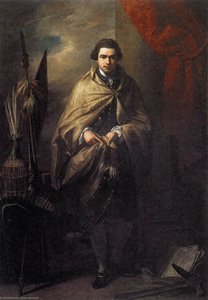
Előnézet
 Megosztás
 Megosztás
 Részletek
 Útmutató

 Letöltés
 Hasonló darabok
 X-ray felvétel
 Diavetítés
 Statisztika
Cymon and Iphigenia


 Tovább olvasom
Giclée / Műnyomat
Múzeumi minőségű giclée vagy vászonnyomat, gyors gyártással és rugalmas finomítási lehetőségekkel. ( Kézzel festett másolat vásárlása Áttérés digitális képre)




P118B Ft10

P118H Ft10

P118W Ft10

P438Z Ft10

P508JH Ft12

P508YH Ft12

P805H Ft10

P805Z Ft10

P919BZ Ft10

P919G Ft10

P919XJ Ft10

P959ZH Ft10

P968JZ Ft12

W106C Ft8

W218G Ft10

W218JH Ft8

W218Y Ft10

W307PJ Ft10

W316G Ft10

W316PJ Ft8

W316Y Ft10

W398PJ Ft8

W4111J Ft10

W500HY Ft15

W500JH Ft15

W692G Ft12

W849H Ft8

W940BG Ft15

W953PJ Ft8




Válasszon előre meghatározott méreteink közül, amelyek megfelelnek a műalkotás eredeti arányainak.

Írja be a keretének vagy a falának megfelelő szélességet és magasságot. A nyomatot csak le lehet vágni, soha nem tehető nagyobbá, mint az eredeti kép, így egy eltérő alakú méretnél a kép egy része elveszik. Mielőtt bármit kinyatintanánk, küldünk egy digitális próbamodellt jóváhagyásra. Az oldalon látható kép nem tartalmazza a valós levágást — ezt csak a próbamodell mutatja meg.
Világszerte történő kiszállítás területére mindössze 2 hét alatt, a szokásos 4-5 hét helyett. (22 október)

Ingyenes globális expressz szállítás

Prémium minőségű len vászon

Teljes körű szállítási biztosítás

Vámvisszatérítési Garancia

Tökéletes színarányosság garancia

100 napos visszaküldési garancia (csak gyártási hibás termékek esetén)

100% pénzvisszatérítési garancia

Több darab vásárlásakor kedvezmény
 Az üvegkeretes opció csak 110 cm alatti méretben érhető el

Cymon and Iphigenia
Giclée / Műnyomat
Reprodukció méretei
-


Összesített ár
Ft 25277
A Neoclassical Dream: The Elegance of Cymon and Iphigenia
In the grand tapestry of eighteenth-century art, few works capture the delicate intersection of mythic romance and classical repose as gracefully as Benjamin West’s Cymon and Iphigenia. This Neoclassical masterpiece invites the viewer into a private, hushed moment of intimacy and quietude. The scene unfolds within a richly appointed setting, where two women recline upon a bed, their forms draped in a state of peaceful slumber or gentle rest. They are surrounded by three men, whose presence is marked not by intrusion, but by a shared sense of calm conversation. As the eye wanders across the canvas, one is immediately struck by the masterful use of color—most notably the striking red canopy that hangs above the bed, casting a warm, regal glow over the assembly and anchoring the composition with a sense of theatrical grandeur.
The technique employed by West is nothing short of extraordinary, showcasing the precision and fluid grace characteristic of his most celebrated works. Utilizing oil on canvas, the artist achieves a luminous quality that breathes life into the skin tones of the reclining figures and the heavy, textured fabrics of the drapery. Every brushstroke serves to enhance the Neoclassical ideal, emphasizing clarity, balance, and an almost sculptural definition of form. The interplay of light and shadow creates a soft, atmospheric depth, making the room feel tangible, as if one could step directly into this sanctuary of leisure. For the discerning collector or interior designer, such a piece offers more than mere decoration; it provides a focal point of sophisticated texture and historical weight.
Historical Resonance and Symbolic Depth
To understand Cymon and Iphigenia is to understand the spirit of an era that looked backward to the glory of ancient Greece and Rome to find inspiration for the present. Benjamin West, a pioneer who bridged the gap between the American frontier and the prestigious Royal Academy in London, was uniquely positioned to translate these classical themes into a contemporary visual language. The painting functions as a window into a world of idealized beauty, where the boundaries between historical legend and human emotion are blurred. The arrangement of the figures—the men engaged in quiet dialogue while the women remain in a state of vulnerability and rest—suggests a narrative of trust, protection, and the serene coexistence of strength and grace.
Beyond its aesthetic allure, the artwork carries an emotional resonance that transcends time. There is a profound sense of tranquility embedded in the composition; it captures a fleeting moment of stillness in a world often characterized by movement and conflict. This atmosphere of relaxation makes the piece an ideal acquisition for those looking to infuse a living space or a formal study with a sense of timeless calm. Whether viewed as a study in Neoclassical light or as a window into a mythological past, Cymon and Iphigenia remains a testament to West's ability to capture the very essence of human repose, making it a breathtaking addition to any curated art collection.
Gyakran Ismételt Kérdések
Milyen hangulatot hozna létre a "Cymon and Iphigenia" egy térben?
A Classic hangulatával a "Cymon and Iphigenia" című alkotás egy Living Room helyiségbe is javasolt.
Hogyan ötvöli a technika és a stílus magát a "Cymon and Iphigenia" alkotást?
A "Cymon and Iphigenia" alkotás Oil On Canvas technikával készült, a Neoclassicism stílusban.
Milyen tónus felé hajlik a "Cymon and Iphigenia"?
A „Cymon and Iphigenia” egy Golden Yellow Range tónus felé hajlik.
A művész életrajza
A Pioneer Bridging Worlds: The Life and Legacy of Benjamin West
Born in 1738 amidst the burgeoning landscape of colonial Pennsylvania, Benjamin West emerged as a pivotal figure in the transatlantic art world, a painter who skillfully navigated the currents of Neoclassicism and Romanticism while forging a uniquely American artistic identity. His story is one of remarkable self-education, unwavering ambition, and an extraordinary ability to connect with both aristocratic patrons and revolutionary ideals. From humble beginnings—his father an innkeeper in Springfield—West’s innate talent was nurtured by early exposure to the arts, reportedly learning rudimentary techniques from Native Americans before receiving any formal training. This unconventional start instilled within him a spirit of innovation that would characterize his entire career. He quickly established himself as a sought-after portraitist in Philadelphia and New York, but a thirst for deeper artistic knowledge propelled him towards Europe in 1760, embarking on a journey that would irrevocably alter the course of American art.From Italy to London: Forging a Path to Recognition
West’s arrival in Italy marked a turning point. Immersing himself in the artistic heartland of Europe, he studied the masters—Titian, Raphael—and engaged with contemporary Neoclassical thinkers like Anton Rafael Mengs and Angelica Kauffman. This period was crucial in shaping his aesthetic sensibilities, instilling within him an appreciation for classical form and historical narrative. He meticulously copied works by these giants, absorbing their techniques and understanding of composition. However, it was London that ultimately became his adopted home and artistic center. Arriving in 1763, West swiftly ascended the ranks of the British art scene, captivating audiences with his ambitious canvases and securing the patronage of King George III. This royal endorsement not only provided financial stability but also cemented his position as a leading figure within the establishment. A defining moment came with his election to the Royal Academy in 1769, an institution he would later preside over as President from 1792 until his death. His influence extended beyond his own artistic production; West became a champion for American artists seeking training abroad, offering guidance and support to generations of aspiring painters like Allston, Copley, and Morse. He established a studio that served as a hub for artistic exchange, fostering a sense of community among artists from diverse backgrounds.Revolutionizing Historical Painting: Technique and Controversy
West’s impact on the art world wasn't merely about achieving technical mastery; it was about challenging conventions. He dared to reimagine historical painting, moving away from rigid adherence to classical precedent and embracing a more contemporary sensibility. The Death of General Wolfe (1770), arguably his most famous work, exemplifies this revolutionary approach. By depicting the fallen general surrounded by figures in *contemporary* military attire rather than traditional Roman garb, West sparked considerable debate. Critics questioned the historical accuracy, but audiences were captivated by the immediacy and emotional resonance of the scene. This bold move signaled a shift towards greater realism and narrative power in history painting, influencing countless artists who followed. His style evolved over time, incorporating elements of Romanticism into his later works, yet always retaining a commitment to ambitious composition and detailed execution. Other notable pieces like Thetis Bringing the Armor to Achilles, The Three Sisters, The Fright of Astyanax, and The Cave of Despair demonstrate his versatility and mastery across a range of mythological and historical themes. He was known for his meticulous preparatory sketches and his ability to capture subtle expressions and gestures in his subjects.A Lasting Legacy: Shaping Artistic Identity
Benjamin West’s legacy extends far beyond the canvases he created. He fundamentally altered the landscape of American art, establishing history painting as a viable genre for American artists and fostering a sense of national artistic identity. His presidency of the Royal Academy solidified his influence on British art, promoting innovation and supporting emerging talent.- He championed a more accessible and emotionally engaging style of historical representation.
- His studio became a haven for American artists seeking training in Europe.
- He bridged the gap between Neoclassical ideals and the burgeoning Romantic movement.

Benjamin West
1738 - 1820 , Egyesült Államok
Gyors információk
- Artistic Movement Or Style: Neoklasszikizmus
- Artists Or Movements Influenced By This Artist:
- Allston
- Copley
- Morse
- Artists Who Influenced This Artist:
- Titian
- Raffaello
- Mengs
- Date Of Birth: 1738-10-10
- Date Of Death: 1820-03-11
- Full Name: Benjamin West
- Nationality: Amerikai
- Notable Artworks:
- Halála Wolfe tábornoki
- Thetis páncél
- Három nővér
- Astyanax félelem
- Place Of Birth: Springfield, USA
Kapcsolódó cikkek

Neoclassical Portraiture: The Timeless Elegance of Order, Grace, and Academic Mastery
Explore the refined world of Neoclassical portraiture. Discover the mastery of line, light, and order through an expert exploration of academic art history, from Jacques-Louis David to Jean-Antoine Houdon. Immerse yourself in the timeless elegance of classical realism.

Crimson Threads of Narrative: Exploring Symbolism & Representation in Artworks Featuring the Red Dress
Explore the rich symbolism of the red dress in art history! From ancient power displays to iconic portraits like Cézanne’s 'Madame Cezanne', discover the cultural and artistic significance behind this captivating color. Expert analysis & insights.

Benjamin West: Transatlantic Ambition & Shaping American Art
Explore the life & legacy of Benjamin West, pioneering American artist and Royal Academy president. Discover his Neoclassical masterpieces, transatlantic influence, and lasting impact on art history. Learn more at OriginalUniqueArt.

Mark Rothko 25 Mesterműve: Érzelmek és Színek a Modern Művészetben | OriginalUniqueArt
Fedezze fel Mark Rothko 25 legikonikusabb művét! Ismerje meg az absztrakt expresszionizmus mesterének érzelmi világát, színeit és technikáit. Múzeumi minőségű reprodukciók a OriginalUniqueArt-on – inspirálja otthonát egyedi faliképekkel! Explore the full collection online.
A Neoklasszicizmus 10 Mesterműve: A Történelem Legikonikusabb Festményei és Szobrai
Fedezze fel a neoklasszicizmus 10 legikonikusabb műalkotását! Jacques-Louis David, Ingres és Canova remekművei elmesélnek egy korszakot. Múzeumi minőségű reprodukciók otthonába a OriginalUniqueArt.com kínálatából – inspirációt és eleganciát nyújtunk. Böngésszen online!