Előnézet
 Megosztás
 Megosztás
 Részletek
 Útmutató

 Letöltés
 Hasonló darabok
 X-ray felvétel
 Diavetítés
 Statisztika
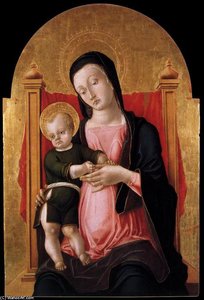
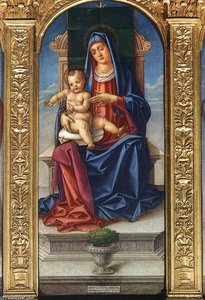
Triptych (detail)


 Tovább olvasom
Kézzel készített olajfestmény reprodukció
Kézzel festett olajvastú vászon, az Ön által választott méretben és keretben, művészeink készítik meglévőre. ( Váltás nyomtatványra Áttérés digitális képre)




P118B Ft10

P118H Ft10

P118W Ft10

P438Z Ft10

P508JH Ft12

P508YH Ft12

P805H Ft10

P805Z Ft10

P919BZ Ft10

P919G Ft10

P919XJ Ft10

P959ZH Ft10

P968JZ Ft12

W106C Ft8

W218G Ft10

W218JH Ft8

W218Y Ft10

W307PJ Ft10

W316G Ft10

W316PJ Ft8

W316Y Ft10

W398PJ Ft8

W4111J Ft10

W500HY Ft15

W500JH Ft15

W692G Ft12

W849H Ft8

W940BG Ft15

W953PJ Ft8




Válasszon előre meghatározott méreteink közül, amelyek megfelelnek a műalkotás eredeti arányainak.

Ön megadhat saját méreteket egy adott kerethez vagy térhez igazításhoz. Ha a kiválasztott méret nem egyezik az eredeti kép arányával, akkor a műalkotást levágjuk, vagy további kézzel festett elemekkel meghosszabbítjuk a festményt. A gyártás megkezdése előtt küldünk Önnek egy digitális előnézetet jóváhagyásra.
Kérjük, vegye figyelembe, hogy a képernyőn megjelenő előnézet nem tükrözi a tényleges vágást vagy kiterjesztést. Csak az előnézet fog pontosan mutatni a végső kompozíciót.
Bár egyedi méretek állnak rendelkezésre, javasoljuk, hogy válasszon egy méretet az előre meghatározott listából az eredeti arányok megőrzése érdekében.
A rendelést követően a OriginalUniqueArt.com csapata e-mailt küld az ügyfélnek az instrukciókért, és biztosít egy előnézeti képet (mockup).
Világszerte elérhető szállítás () 3-4 hét alatt a szokásos 5 hét helyett. (13 október). A minőség nem kérdőjelezhető.

Ingyenes globális expressz szállítás

Prémium minőségű len vászon

Teljes körű szállítási biztosítás

Vámvisszatérítési Garancia

Tökéletes színarányosság garancia

100 napos visszaküldési garancia (csak gyártási hibás termékek esetén)

100% pénzvisszatérítési garancia

Több darab vásárlásakor kedvezmény
 Az üvegkeretes opció csak 110 cm alatti méretben érhető el

Triptych (detail)
Reprodukciós technika
Reprodukció méretei
-


Összesített ár
Ft 94012
Bartolomeo Vivarini’s “Triptych (detail)” – A Venetian Vision of Faith
Bartolomeo Vivarini's "Triptych (detail)," painted around 1460, offers a captivating glimpse into the heart of Venetian Renaissance art. More than just a devotional image, it’s a meticulously crafted tableau brimming with symbolic depth and technical mastery—a testament to the artist’s skill and his deep engagement with the spiritual world. This particular detail, often studied for its intricate composition and luminous colors, reveals a sophisticated understanding of perspective, light, and human emotion, all hallmarks of Vivarini's distinctive style.
Vivarini, working primarily in Venice during the late 15th century, was deeply influenced by his predecessors, particularly Antonello da Messina, whom he learned oil painting from. However, he quickly developed a unique Venetian aesthetic—characterized by bold outlines, vibrant colors, and a dramatic use of light and shadow. Unlike some of his contemporaries who favored the cool palette of the north, Vivarini embraced warmer tones, reflecting the sun-drenched atmosphere of Venice. This “Triptych (detail)” exemplifies this approach, showcasing a rich tapestry of reds, blues, and golds that immediately draw the viewer in.
A Scene of Devotion: Narrative and Symbolism
The central image depicts a serene moment within a religious setting—a woman, likely representing the Virgin Mary, cradling the infant Jesus. The composition is carefully balanced, drawing our attention to the tender embrace between mother and child. To the left of the Virgin kneels a diminutive figure, identified as a nun from the Dominican order, her posture conveying deep reverence and devotion. This detail suggests a private commission—a personal expression of faith intended for contemplation within a sacred space.
Beyond the immediate figures, the scene is layered with symbolism. The architectural backdrop, reminiscent of Venetian buildings, anchors the image in its urban context while simultaneously elevating it to a realm of spiritual significance. The use of gold – particularly prominent in the Virgin’s robe and the celestial background – signifies divinity and holiness. The presence of an angel, soaring above, reinforces this sense of grace and divine intervention. Even seemingly minor details, such as the cup visible in the scene, hint at ritual and ceremony, further enriching the narrative.
Technique and Artistic Innovation
Vivarini’s mastery is evident in his meticulous attention to detail and his innovative use of technique. The figures are rendered with a remarkable degree of realism—their faces expressive, their drapery flowing realistically. He employs a technique known as “stiacciato,” creating subtle variations in the surface of the paint to suggest depth and texture. This creates an illusion of three-dimensionality, bringing the scene to life.
Notably, Vivarini was one of the first Venetian painters to experiment with oil painting—a medium that allowed for richer colors, greater luminosity, and more subtle gradations of tone than traditional tempera. The use of oil paint in this triptych contributes significantly to its vibrant appearance and atmospheric quality. The artist’s hard outlines, a characteristic feature of his style, provide clarity and definition, while the warm color palette evokes a sense of warmth and intimacy.
A Legacy of Venetian Art
“Triptych (detail)” by Bartolomeo Vivarini stands as a significant example of Venetian Renaissance art—a synthesis of religious devotion, artistic innovation, and technical skill. It reflects the vibrant cultural landscape of Venice during the 15th century, where faith, commerce, and artistic expression converged to create a unique and enduring legacy. Reproductions of this work offer a beautiful opportunity to experience the artistry and spiritual depth of Vivarini’s vision, bringing a touch of Venetian elegance and profound contemplation into any space.
Gyakran Ismételt Kérdések
Menny amountnyi fényt tűnik úgy vissza a "Triptych (detail)" színei?
A „Triptych (detail)”, Bartolomeo Vivarini alkotása alkotás Dark fényerőséggel rendelkezik. A fényerő azt mutatja meg, hogy a színek mennyire tűnnek visszafényesnek.
Hogyan szerezhető be „Triptych (detail)”, Bartolomeo Vivarini alkotása digitális fájlja?
A „Triptych (detail)”, Bartolomeo Vivarini alkotása digitális fájljának megvásárlása érdekében ez az oldal oldalon magas felbontású digitális kép letöltés.
Elérhető-e letöltés a(z) "Triptych (detail)" című alkotáshoz?
Letölthető változat elérhető a "Triptych (detail)" alkotás esetében: a mű Letöltés oldala magas felbontású digitális kép letöltés lehetőséget kínál.
Melyik országból származik a Venetian Renaissance irányzat Triptych (detail) című műve?
A "Triptych (detail)" a alkotó születésihelyén keresztül köti össze a Venetian Renaissance irányzatot Olaszország-val.
Mennyi éves volt Bartolomeo Vivarini, amikor megalkotta a "Triptych (detail)" alkotást 1460 årban?
Bartolomeo Vivarini 20 éves korában festette a „Triptych (detail)” című művét. A művész 1440 született, a alkotás dátuma pedig 1460.
Milyen érzést kelt a "Triptych (detail)"?
A „Triptych (detail)”, Bartolomeo Vivarini alkotása művészeti alkotás érzelmi tónusa Spiritual. Ez foglalja össze a mű által kifejezett érzést.
Szabadon reprodukálható-e a/az „Triptych (detail)”, Bartolomeo Vivarini alkotása képe?
A „Triptych (detail)”, Bartolomeo Vivarini alkotása a joghallgatói schützenesség körébe tartozik – a szerzői jog lejártt státuszú mű. Ez a jogi státusz határozza meg, hogy a mű képmásolata hogyan reproduzható.
Hol javasolt a(z) "Triptych (detail)" kihelyezését a színei alapján?
A Earthy színpalettájával „Triptych (detail)”, Bartolomeo Vivarini alkotása alkotást egy Living Roomba javasoljuk. A színek egy része teszi lehetővé ezt a javaslatot.
Kapcsolódó cikkek
Jacopo Tintoretto 25 Mesterműve: A Velencei Dráma és Fény Világa | OriginalUniqueArt
Fedezze fel Jacopo Tintoretto 25 legpárásabb műalkotását! A velencei reneszánsz drámája és a barokk fények világa. Vásároljon luxus minőségű reprodukciókat, inspirálja otthonát OriginalUniqueArt-on. Explore the full collection online!

Jacopo Palma il Giovane: A Venetian Master's Poetic Evolution
Explore the captivating world of Jacopo Palma il Giovane, a pivotal Venetian Renaissance master. Discover his unique style, influenced by Titian & Tintoretto, and learn about key works perfect for discerning collectors.

Divine Grace: An Art Historian's Journey Through Iconic Masterpieces of the Virgin Mary
Explore the profound beauty of Marian iconography through an art historian's lens. Discover iconic masterpieces by Raphael and Renaissance masters, celebrating the divine grace and timeless elegance of the Virgin Mary in classical fine art.
Divine Grace: A Journey Through the Most Iconic Depictions of the Virgin Mary in Art History
Embark on a profound journey through art history with our exploration of the most iconic depictions of the Virgin Mary. Discover the divine grace, symbolism, and masterful techniques found in Renaissance masterpieces and sacred iconography.

Venetian Renaissance: The Mastery of Color, Light, and the Art of Colorito
Explore the luminous mastery of the Venetian Renaissance. Discover how masters like Titian and Giorgione revolutionized art through colorito, light, and atmosphere. An expert guide to the golden age of Italian painting for collectors and enthusiasts.