

 Megosztás
 Megosztás
 Részletek
 Útmutató

 Letöltés
 Hasonló darabok
 Diavetítés
 Statisztika
Pierced Hemisphere I
 Marble
- Sculpture
- Modernism
 1937
1937 35.0 x 38.0 cm
 The Hepworth Wakefield
 Tovább olvasom
Az ezen az oldalon megjelenített műalkotások szerzői jogi védelem alatt állnak, ami azt jelenti, hogy törvényileg nem készíthetünk és nem adhatunk el belőlük pontos másolatokat. Ez a védelem olyan nemzetközi megállapodások alapján érvényesül, mint például a Berni Egyezmény és a nemzeti törvények által, beleértve azokat is, amelyeket meghatározott Az USA szerzői jogi törvénye – 17. cím.
Ez a módszer teljes mértékben megfelel a szerzői jogi szabályozásnak, mivel nem tartalmazza a védett műalkotás másolását vagy duplikálását. Ehelyett ez egy kreatív újinterpretáció – egy új festmény, amely az eredetivel való összefüggései miatt hatással van rá, de nem az az.
Giclée / Műnyomat
Múzeumi minőségű giclée vagy vászonnyomat, gyors gyártással és rugalmas finomítási lehetőségekkel. ( Kézzel festett másolat vásárlása Áttérés digitális képre)




































Válasszon előre meghatározott méreteink közül, amelyek megfelelnek a műalkotás eredeti arányainak.

Írja be a keretének vagy a falának megfelelő szélességet és magasságot. A nyomatot csak le lehet vágni, soha nem tehető nagyobbá, mint az eredeti kép, így egy eltérő alakú méretnél a kép egy része elveszik. Mielőtt bármit kinyatintanánk, küldünk egy digitális próbamodellt jóváhagyásra. Az oldalon látható kép nem tartalmazza a valós levágást — ezt csak a próbamodell mutatja meg.
Világszerte történő kiszállítás területére mindössze 2 hét alatt, a szokásos 4-5 hét helyett. (23 október)

Ingyenes globális expressz szállítás

Prémium minőségű len vászon

Teljes körű szállítási biztosítás

Vámvisszatérítési Garancia

Tökéletes színarányosság garancia

100 napos visszaküldési garancia (csak gyártási hibás termékek esetén)

100% pénzvisszatérítési garancia

Több darab vásárlásakor kedvezmény
 Az üvegkeretes opció csak 110 cm alatti méretben érhető el

Pierced Hemisphere I
Giclée / Műnyomat
Reprodukció méretei
-


Összesített ár
Ft 25718
A Fragmented Sphere: Barbara Hepworth’s Pierced Hemisphere I
Barbara Hepworth's "Pierced Hemisphere I," crafted in 1937 from pristine white marble, isn’t merely a sculpture; it’s an invitation to contemplate the delicate balance between wholeness and disruption. This arresting piece, currently housed at The Hepworth Wakefield, embodies the core tenets of Hepworth’s modernist approach – a profound exploration of form, texture, and the inherent dynamism within static materials. It speaks to a world grappling with change, mirroring both the beauty of natural processes and the unsettling implications of fragmentation.
The sculpture itself presents as a subtly distorted hemisphere, its surface punctuated by a decisive, almost violent, incision. This ‘piercing’ isn't destructive in the traditional sense; rather, it reveals an inner structure, suggesting a hidden geometry beneath the apparent solidity of the stone. The curve is not perfectly smooth – instead, it possesses a gentle undulation, hinting at movement and echoing the rhythms found in nature. The choice of white marble is crucial, lending an ethereal quality to the work. Marble’s inherent translucence allows light to penetrate and play across its surface, creating a shifting interplay of shadows that further emphasize the sculpture's three-dimensional form.
The Context of Modernism and Abstraction
To fully appreciate "Pierced Hemisphere I," it’s essential to situate it within the broader context of early 20th-century art. Hepworth, along with figures like Ben Nicholson and Paul Nash, was a pivotal member of the Unit One group – an avant-garde collective dedicated to forging a distinctly British approach to modernism. Unit One sought to move beyond representational art, embracing abstraction and exploring new ways of expressing form and space. This period witnessed a significant shift away from traditional sculptural techniques, with artists experimenting with materials like wood, metal, and, crucially for Hepworth, stone.
Hepworth’s work during this time was deeply influenced by the principles of Cubism and Constructivism – movements that emphasized geometric forms and explored the relationship between two-dimensional and three-dimensional space. However, she resisted rigid adherence to these styles, developing a uniquely personal language characterized by flowing lines, subtle curves, and an intuitive understanding of material properties. The influence of Surrealism is also evident in her exploration of subconscious imagery and the evocative power of abstract forms.
Symbolic Resonance: Wholeness and Disruption
The symbolism embedded within "Pierced Hemisphere I" is layered and open to interpretation. The hemisphere itself represents wholeness, a complete form – a symbol often associated with the cosmos or the human psyche. Yet, the incision disrupts this perfect unity, suggesting a loss of innocence, a confrontation with reality, or perhaps even an acknowledgement of inherent imperfection. It’s not simply a break; it's a revelation, exposing a new dimension within the original shape.
Some art historians have linked the pierced form to Hepworth’s personal experiences – her divorce and subsequent move to St Ives, where she found inspiration in the rugged Cornish coastline. The sculpture can be seen as a metaphor for navigating life's challenges, embracing both beauty and sorrow, and finding strength in resilience. The subtle variations in tone within the marble further contribute to this sense of complexity, mirroring the nuances of human emotion.
Craftsmanship and Technique
Hepworth’s mastery of her chosen medium – white marble – is undeniable. The sculpture demonstrates a remarkable sensitivity to material properties; she skillfully exploited the stone's natural veining and grain to create a surface that is both smooth and tactile. The precision of the incision itself speaks volumes about Hepworth’s technical skill, requiring immense control and an intimate understanding of how marble responds to tools.
The piece was created using traditional carving techniques, yet with a distinctly modern sensibility. The artist's hand is evident in the subtle imperfections and irregularities that add character and depth to the work. "Pierced Hemisphere I" stands as a testament to Hepworth’s ability to transform raw material into a powerful and enduring statement of artistic vision. It remains a compelling example of how sculpture can engage with fundamental questions about form, space, and the human condition.
Gyakran Ismételt Kérdések
Milyen kontraszt jellemzi „Pierced Hemisphere I”, Barbara Hepworth alkotása alkotást?
A „Pierced Hemisphere I”, Barbara Hepworth alkotása kontrasztszintje Statement.
Ajánlott-e ajándékba „Pierced Hemisphere I”, Barbara Hepworth alkotása, és kinek?
A „Pierced Hemisphere I”, Barbara Hepworth alkotása ajándékajánlata ötvözi a Birthday lehetőséget a Reflective céljával.
Milyen színharmóniát mutat be „Pierced Hemisphere I”, Barbara Hepworth alkotása?
A „Pierced Hemisphere I”, Barbara Hepworth alkotása színei Balanced Harmony harmóniát mutatnak bemutatni. A harmónia azt írja le, hogyan kapcsolódnak egymáshoz a színek.
A művész életrajza
korai életútja és oktatása
Dame Barbara Hepworth, a brit művészet egyik legmeghatározóbb alakja és szobrászművésze, 1903. január 10-én született Yorkshire, Wakefield városában. Művészete alapjait a Leeds School of Art-ban szaggatta 1920 óta, majd egy megyei ösztöndíj révén jutott el Londonba, hogy a Royal College of Art (RCA) hallgatójaként győzzön le minden akadályt, mígnem 1924-ben megkapta diplomáját.művészeti pályája
- Dame Barbara Hepworth munkássága a modernizmus legtisztább megtestesülése, különösen a modern szobrászat terén. Ő volt az egyik ritka női művész, aki képes volt globális szintű elismertségre törni.
- 1933-ban, Ben Nicholson, Paul Nash és más kortársai részvételével alapította meg a Unit One művészeti mozgalmat, amely célja a surrealizmus és az absztrakció egyesítése volt a brit művészetben.
- Hepworth korai alkotásait az absztrakció és a párizsi alapú Abstraction-Création művészeti mozgalommal való szoros kapcsolata határozta meg.
kiemelt művek és kiállítások
- Az Oval Form (Trezion), egy bronz szobrászmű, a statunitei Fort Worth-ban található Kimbell Art Museum gyűjteményének része. (Megtekintés az OriginalUniqueArt oldalon)
- A Two Forms szobormű a brit Wakefield-ben található Hepworth Wakefield múzeumban kap helyet. (Megtekintés az OriginalUniqueArt oldalon)
- A Totem, egy márvány szobrászmű, szintén a Hepworth Wakefield gyűjteményének ékköve. (Megtekintés az OriginalUniqueArt oldalon)
örökség és múzeumgyűjtemények
Barbara Hepworth munkássága világszerte elismert, szobrainak és festményeinek jelentős része számos nemzetközi múzeum gyűjteményében megtalálható. A művész nevével díszített Hepworth Wakefield számos olyan mesterművet őriz, amelyek a híres alkotók munkái közé tartoznak, Hepworth saját alkotásai mellett is. (Fedezze fel tovább a Hepworth Wakefieldről az OriginalUniqueArt oldalon)konklúzió
Dame Barbara Hepworth úttörő munkássága a modern brit szobrászatban maradandót hagyott a művészet világában. Öröksége ma is inspirációt nyújt a művészeknek és a művészettörőknek egyaránt, alkotásai pedig innovatív szellemének és művészi zsenialitásának élő bizonyítékai maradnak. További információ Barbara Hepworthról a Wikipédián
Barbara Hepworth
1903 - 1975 , Egyesült Királyság
Gyors információk
- Artistic Movement Or Style: Modernizmus
- Artists Or Movements Influenced By This Artist: ['Unit One']
- Artists Who Influenced This Artist: ['Henry Moore']
- Date Of Birth: 1903. január 10.
- Full Name: Barbara Hepworth
- Nationality: Angol
- Notable Artworks:
- Ülő figurá
- Két forma
- Totem
- Place Of Birth: Wakefield, Anglia
Kapcsolódó cikkek

A művészettörténet 10 legikonikusabb bronzszobra – OriginalUniqueArt.com
Fedezze fel a művészettörténet 10 legikonikusabb bronzszobrát! Ismerje meg Rodint, Michelangelót és más mestereket. Luxus minőségű nyomatok otthonába – OriginalUniqueArt.com.

The Enduring Form: Sculpture Across History, Technique & Emotional Resonance
Explore the rich history of sculpture with OriginalUniqueArt. Discover key techniques, influential artists & investment potential for discerning collectors. Expert insights into valuing and collecting timeless masterpieces.
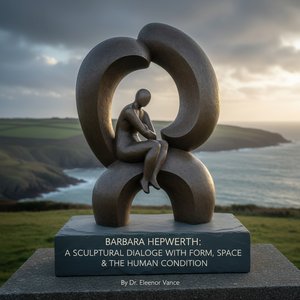
Barbara Hepworth: A Sculptural Dialogue with Form, Space & the Human Condition
Explore the profound world of Barbara Hepworth's sculpture. Discover her artistic evolution, iconic forms, and lasting influence on modern art. A guide for collectors & enthusiasts.

Geometrikus Absztrakció Mesterei: 10 Alapvető Műalkotás a Lakberendezéshez
Fedezze fel a geometrikus absztrakció 10 legikonikusabb műalkotását! Kandinsky, Mondrian és más mesterek festményeinek története inspirálja otthona dekorációját. Múzeumi minőségű reprodukciók a OriginalUniqueArt.com-on – fedezze fel online!

The Enduring Allure of Marble in Art History: From Classical Sculpture to Modern Abstraction
Explore the captivating history of marble sculpture from ancient Greece to modern art. Discover renowned artists like Canova & Michelangelo, carving techniques, and investment insights at OriginalUniqueArt.


