

 Előnézet
 Megosztás
 Megosztás
 Részletek
 Útmutató

 Letöltés
 Hasonló darabok
 X-ray felvétel
 Diavetítés
 Statisztika
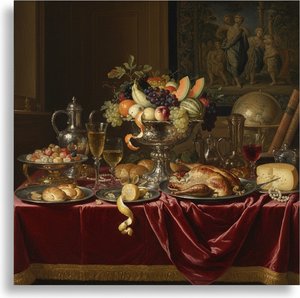
Fruit, Flowers, and Shells
 Oil On Canvas
- WallArt
- Baroque Still Life
 1629
1629- Renaissance
 55.0 x 89.0 cm
 Toledói Múzeum
 Tovább olvasom
Kézzel készített olajfestmény reprodukció
Kézzel festett olajvastú vászon, az Ön által választott méretben és keretben, művészeink készítik meglévőre. ( Váltás nyomtatványra Áttérés digitális képre)




P118B Ft10

P118H Ft10

P118W Ft10

P438Z Ft10

P508JH Ft12

P508YH Ft12

P805H Ft10

P805Z Ft10

P919BZ Ft10

P919G Ft10

P919XJ Ft10

P959ZH Ft10

P968JZ Ft12

W106C Ft8

W218G Ft10

W218JH Ft8

W218Y Ft10

W307PJ Ft10

W316G Ft10

W316PJ Ft8

W316Y Ft10

W398PJ Ft8

W4111J Ft10

W500HY Ft15

W500JH Ft15

W692G Ft12

W849H Ft8

W940BG Ft15

W953PJ Ft8




Válasszon előre meghatározott méreteink közül, amelyek megfelelnek a műalkotás eredeti arányainak.

Írja be a kívánt szélességet és magasságot, hogy illeszkedjen a keretéhez vagy a falához. Mivel ez kézzel festett alkotás, egy eltérő formájú méret esetén a művész akár festhet is valamivel többet a kép körül, vagy korolathat is belőle — az Ön döntésének megfelelően. A festés megkezdése előtt küldünk egy digitális tervezetet jóváhagyásra. Az oldalon látható kép nem tartalmazza a végeredményt — csak a tervezet mutatja meg a valódi eredményt.
A rendelést követően a OriginalUniqueArt.com csapata e-mailt küld az ügyfélnek az instrukciókért, és biztosít egy előnézeti képet (mockup).
Világszerte elérhető szállítás () 3-4 hét alatt a szokásos 5 hét helyett. (23 október). A minőség nem kérdőjelezhető.

Ingyenes globális expressz szállítás

Prémium minőségű len vászon

Teljes körű szállítási biztosítás

Vámvisszatérítési Garancia

Tökéletes színarányosság garancia

100 napos visszaküldési garancia (csak gyártási hibás termékek esetén)

100% pénzvisszatérítési garancia

Több darab vásárlásakor kedvezmény
 Az üvegkeretes opció csak 110 cm alatti méretben érhető el

Fruit, Flowers, and Shells
Reprodukciós technika
Reprodukció méretei
-


Összesített ár
Ft 96443
A Symphony of Natural Wonders: Balthasar van der Ast’s *Fruit, Flowers, and Shells*
Balthasar van der Ast's 1629 masterpiece, *Fruit, Flowers, and Shells*, is more than a still life; it’s a meticulously crafted window into the burgeoning world of Dutch Golden Age artistry and intellectual curiosity. This painting, measuring 55 x 89 cm, immediately captivates with its astonishing detail – a profusion of exquisitely rendered fruit, flowers, and shells that seem poised to leap from the canvas. Van der Ast’s skill isn't merely in depicting these objects; it lies in his ability to imbue them with a sense of scientific observation and humanist contemplation, reflecting the profound shifts occurring across Europe during the 16th and 17th centuries.
The Art of Shell Painting and Scientific Observation
Van der Ast’s reputation rests largely on his pioneering work in shell painting, a technique demanding an almost obsessive attention to detail. He elevates the humble shell – sourced from exotic locales like the South Pacific and Indian Ocean – into objects of profound beauty and scientific interest. The inclusion of these shells, alongside rare tulips (introduced to Europe from Turkey around 1550), parrots, lizards, and crickets, speaks to the era’s fascination with natural history and the collecting of curiosities. This wasn't simply about aesthetic pleasure; it mirrored the burgeoning scientific revolution, where artists like Van der Ast were engaged in a rigorous study of form, texture, and color – mirroring the advancements being made in astronomy, physics, and medicine.
A Dutch Masterpiece: Technique and Composition
The painting’s composition is masterful. Each element—the apples, grapes, pears, plums, peaches, cherries, oranges, rose, and carnation – occupies a distinct space, inviting the viewer to examine each object with careful attention. The inclusion of the Chinese Wan-li porcelain vase, enhanced with a gilded base crafted by a European goldsmith, further underscores the cross-cultural influences shaping Dutch art at the time. Van der Ast’s use of light and shadow is particularly noteworthy, creating a sense of depth and volume that brings the still life to vibrant life. His meticulous layering of glazes – a hallmark of Flemish painting – ensures an incredible richness of color and texture, allowing for subtle variations in tone that contribute significantly to the work's realism.
Symbolism and Emotional Resonance
*Fruit, Flowers, and Shells* transcends mere representation; it’s laden with symbolic meaning. The abundance of fruit represents fertility, prosperity, and the bounty of nature – themes frequently explored in Dutch art. The flowers, particularly the rose and carnation, carry their own traditional associations, adding layers of interpretation. Beyond this, the painting evokes a sense of quiet contemplation and appreciation for the beauty of the natural world. It’s a testament to Van der Ast's ability to capture not just what he saw, but also the emotions and ideas associated with his subject matter – a skill that continues to resonate with viewers today.
Gyakran Ismételt Kérdések
Mely művészhez köthető a "Fruit, Flowers, and Shells"?
A „Fruit, Flowers, and Shells” műtémét Balthasar Van Der Ast alkotójának tulajdonítják.
Mennyire népszerű a "Fruit, Flowers, and Shells" mű a Baroque Still Life irányzatban?
A Baroque Still Life irányzaton belül a "Fruit, Flowers, and Shells" alkotásnak Recognized népszerűségi szintje van.
Melyik évben készült a „Fruit, Flowers, and Shells”, Balthasar Van Der Ast alkotása?
A "Fruit, Flowers, and Shells" művészeti alkotás 1629-ból származik. A dátum Balthasar Van Der Ast pályájának és az adott korszaknak is meghatározó pontjaként szolgál.
A művész életrajza
A miniatűris univerzum mestere: Balthasar van der Ast
A seventeenth századi Hollandország aranyfényében, egy olyan korszakban, amelyet példátlan jólét és tudományos kíváncsiság határozott meg, Balthasar van der Ast a kisformátumú remekművek virtuózoként emelkedett ki. Middelburgban született körülbelül 1593-ban, és van der Ast nem csupán tárgyakat festett; néma drámákat rendezett a vászonon. Élete szorosan összefonódott Zeeland fejlődő kereskedelmi kultúrájával, hiszen egy tehetős gyapjúkereskedő, Hans van der Ast fia volt. Ez a háttér nem csupán társadalmi stabilitást biztosított számára; korai közelséget kölcsönzött az egzotikus árukhoz és a drága példányokhoz, amelyek később híres szugárfestményeinek főszereplői 될tek.
Művészlelke pályafutását irrevocálisan meghatározta kapcsolata a Bosschaert-dinasztia tagjaival. Családi kötelék révén van der Ast neveltetettje lett legencségesebb nevelőapa, Ambrosius Bosschaert Idősebb protektáltja. Ezen tanítás alatt sajátította el a „virágfestészet” számára elengedhetetlen pedantikus precizitást, egy olyan műfajt, amely szinte mikroszkopikus megfigyelési szintet követelt el. A kiválóság ezen öröksége lehetővé tette számára, hogy finomítson egy technikán, amelyet finom tónusváltások és a természet fizikai textúrájának mély tisztelete jellemez. Nem állt egyedül a tökéletesség iránti törekvésben; házastársai mellett segített elősegíteni egy olyan stilisztikai mozgalmat, amely a fény és az árnyék finom kölcsönhatását helyezte előtérbe, átalakítva az egyszerű botanikai tanulmányokat az életre vonatkozó mély meditációkká.
A kagylók és a flóra szimfóniája
Míg kortársai közül sokan kizárólag a virágok múló szépségére összpontosítottak, van der Ast a konchológia (kagylógyűjtés) úttörő felfedezéseivel elérte történelmi halhatatlanságot. A kagylómálékfestészet piontere lett, tengeri élőlények köves maradványait ugyanazzal az áhpitással kezelve, mint a legpuhább sziromt.
Olyan műveiben, mint a „Szugár szilvával, cseresznyével és kagylókkal”, megcsodálhatjuk a különböző textúrák lélegzetelállító házasítását: a gyümölcsök nedves, áttetsző héja éles kontrasztot alkot a különféle egzotikus kagylók kemény, perleszerű felületeivel. Ez a megszimatosság nem csupán esztétikai kérdés volt; tükrözte a korszak növekvő tudományos érdeklődését a természettudomány iránt, valamint a holland tengeri kereskedelem globális kiterjedését is.
Kompozíciói gyakran túlmutattak a pusztán gazdagságbemutatókon vagy botanikai pontossági feladatokon. Egy van der Ast-festmény alapos megvizsgálása során belemerülhetünk a humanista filozófiában gyökerező szimbolizmus összetett szövegébe. A műveiben az alábbi motívumok ismerhetőek fel:
- Az élet múlandósága: A hervadó szirom vagy az olyan rovarok révén, amelyek éppen azt a szépséget fogyasztják fel, amelyben élnek.
- Tudományos megfigyelés: A fajok aprólékos dokumentálása, amely tükrözi a felfedezések korát és a tudásvágyat.
- Vanitas-témák: A halandóság finom emlékeztetői, ahol a gyümölcs romlása megható memento moriként szolgál.
Örökség és művészeti jelentőség
Balthasar van der Ast befolyása messze túlmutatott saját Utrechti stúdióján. Olyan művészek befogadásával, mint Roelandt Savery a helyi céhbe, segített olyan környezet kialakításában, ahol a tónusok és a realizmus virágozhatott. Képes volt élettel árasztani az élettelen tárgyakat – amit a gyümölcsök között kúszó lágyszerek és rovarok ábrázolásában is látunk –, ezzel új standardot állítva a holland aranykor számára. A szugárfestészet műfaját a statikus elrendezésektől a dinamikusabb, lélegző valóság felé mozdította el.
Napjainkban művei a világ múzeumi gyűjteményeinek alapkövei maradnak, a brit múzeumtól Európa nagy galériáig egyaránt. Öröksége minden egyes ecsettartásban megtalálható, amely megörökíti a levélön táncoló harmatcseppet vagy egy kagyló irizáló fényét. Balthasar van der Ast a Stilleven (szugárfestészet) titánja maradt, egy olyan művész, aki megtanította a világnak, hogy találja meg a végtelen a legkisebbben is, és aki a természet világának alázatos tárgyaiból az örök szépség ikonjait varázsolta.

Balthasar Van Der Ast
1593 - 1657 , Hollandia
Gyors információk
- Artistic Movement Or Style: Aranykor festészet
- Artists Or Movements Influenced By This Artist: Holland barokk
- Artists Who Influenced This Artist: Ambrosius Bosschaert
- Date Of Birth: 1593
- Date Of Death: 1657
- Full Name: Balthasar van der Ast
- Nationality: Holland
- Notable Artworks:
- Gyümölcsök és kagylók egy párkányon
- Tulipán
- Lác*, kagyló
- Place Of Birth: Middelburg, Hollandia
Kapcsolódó cikkek
Abraham Hendricksz van Beyeren: Pioneering Dutch Still Life & the Banquet Tradition
Explore the captivating world of Dutch Golden Age still life with Abraham van Beyeren. Discover his innovative techniques, symbolic banquet scenes & lasting influence on art history. Learn about collecting these masterpieces.

Rembrandt legikonikusabb művei: 25 mestermű a vászonon – OriginalUniqueArt
Fedezze fel Rembrandt van Rijn 25 legikonikusabb művét! Barokk portrék, bibliai jelenetek és önarcképek a Holland aranykorból. Művészeti reprodukciók prémium minőségben – OriginalUniqueArt. Explore the full collection online!

Golden Light & Dutch Skies: The Timeless Magic of Dutch Golden Age Landscapes
Discover the breathtaking beauty of Dutch Golden Age landscapes. Explore the mastery of light, chiaroscuro, and 17th-century realism through an expert art history lens, celebrating the enduring legacy of the Dutch Masters for discerning collectors and art lovers.

Golden Age Reflections: Dutch Baroque Painting & Cultural Innovation
Explore the Dutch Golden Age of painting! Discover key artists like Vermeer & ter Borch, their innovative techniques, and the rich cultural context behind these Baroque masterpieces. Learn about collecting & appreciating this iconic art period.

A Hollandi Aranykor 10 Mesterműve: Festmények, Amelyek Megváltoztatták a Világot | OriginalUniqueArt.com
Fedezze fel a Hollandi Aranykor 10 legikonikusabb műalkotását! Rembrandt, Vermeer és más mesterek festményeinek történeteit olvassa el. Barokk stílus, klasszikus művészet – inspirálódjon otthon dekorációjához a OriginalUniqueArt.com-on! Fedezze fel a teljes gyűjteményt online.