
 Előnézet
 Megosztás
 Megosztás
 Részletek

 Letöltés
 Hasonló alkotások
 X-ray felvétel
 Diavetítés
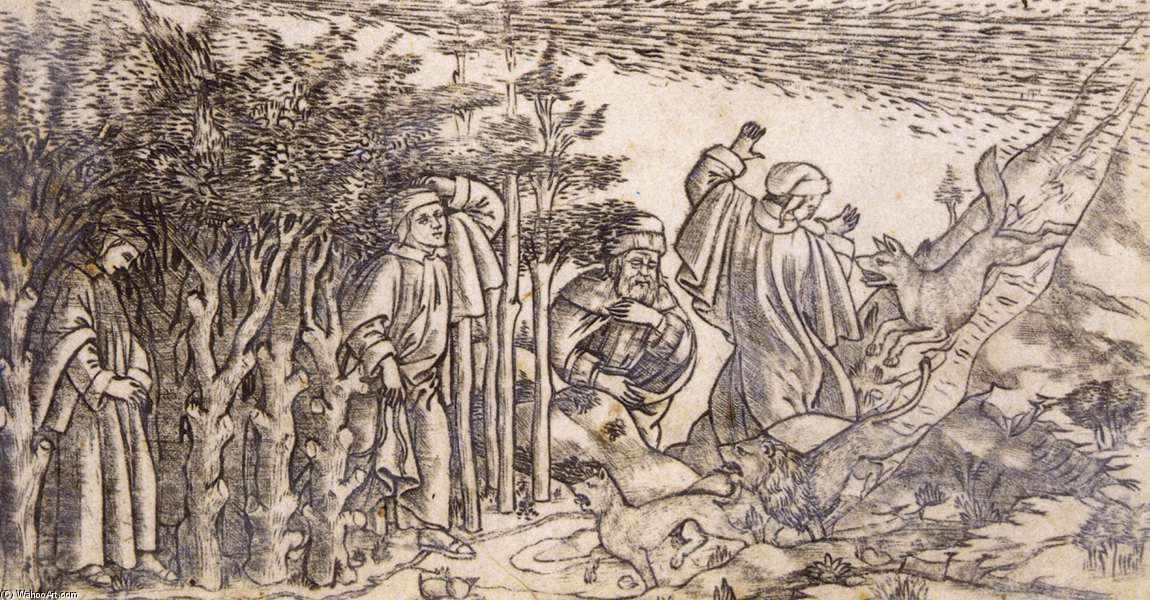
Inferno I


 Tovább olvasom
Kézzel készített olajfestmény reprodukció
Kézzel festett olajvastú vászon, az Ön által választott méretben és keretben, művészeink készítik meglévőre. ( Váltás nyomtatványra Képváltás)




































Válasszon előre meghatározott méreteink közül, amelyek megfelelnek a műalkotás eredeti arányainak.

Ön megadhat saját méreteket egy adott kerethez vagy térhez igazításhoz. Ha a kiválasztott méret nem egyezik az eredeti kép arányával, akkor a műalkotást levágjuk, vagy további kézzel festett elemekkel meghosszabbítjuk a festményt. A gyártás megkezdése előtt küldünk Önnek egy digitális előnézetet jóváhagyásra.
Kérjük, vegye figyelembe, hogy a képernyőn megjelenő előnézet nem tükrözi a tényleges vágást vagy kiterjesztést. Csak az előnézet fog pontosan mutatni a végső kompozíciót.
Bár egyedi méretek állnak rendelkezésre, javasoljuk, hogy válasszon egy méretet az előre meghatározott listából az eredeti arányok megőrzése érdekében.
A rendelést követően a OriginalUniqueArt.com csapata e-mailt küld az ügyfélnek az instrukciókért, és biztosít egy előnézeti képet (mockup).
Világszerte elérhető szállítás () 3-4 hét alatt a szokásos 5 hét helyett. (11 augusztus). A minőség nem kérdőjelezhető.

Ingyenes globális expressz szállítás

Prémium minőségű len vászon

Teljes szállítási biztosítás

Vámvisszatérítési Garancia

Tökéletes színpontosság garancia

60 napos visszaküldési lehetőség (csak gyártási hibák esetén)

100%-os pénzvisszatérítési garancia

Kedvezmény több termény esetén
 Az üvegkeretes opció csak 110 cm alatti méretben érhető el

Inferno I
Reprodukciós technika
A reprodukció mérete
-


Összesített ár
$ 300
A művész életrajza
Baccio Baldini: A Florentine Renaissance Goldsmith and Engraver
- Born: Florence, Italy (1436)
- Died: 1487
Early Life and Training
Baccio Baldini was an Italian goldsmith and engraver active in Florence during the Renaissance. Information about his life is scarce, primarily derived from Giorgio Vasari's writings. Vasari stated that Baldini was a goldsmith and a student of Maso Finiguerra, who Vasari incorrectly credited as the inventor of engraving. It appears Baldini relied heavily on designs by Sandro Botticelli, purportedly due to a perceived lack of his own artistic skill in disegno (drawing). This assertion has been debated by art historians.
Key Works and Collaborations
- Collaboration with Botticelli: Baldini is best known for his involvement in the 1481 printing of Dante's works, specifically the first printed edition of *Inferno*. It’s believed that Botticelli provided the initial drawings, which Baldini then translated into engravings. However, the extent to which all of Baldini’s work was based on Botticelli’s designs remains a subject of scholarly discussion.
- Attributed Engravings: Over 100 prints have been attributed to Baldini or his workshop. These works showcase a distinctive "fine manner" of Florentine engraving, characterized by:
- Sharp, deeply incised outlines
- Detailed ornamentation in costumes and architecture
- Fine lines used for cross-hatching, creating a textured, almost furry appearance in draperies
- Florentine Picture-Chronicle: Baldini (or his circle) is credited with the *Florentine Picture-Chronicle*, an album of 55 drawings depicting scenes and figures from ancient history housed in the British Museum.
- Otto Prints: Jay Levinson attributed a series of engravings known as the "Otto prints" to Baldini, depicting amorous subjects and hunting scenes intended for pasting into gift boxes. However, the British Museum has not confirmed this attribution as of 2017.
Artistic Style and Technique
Baldini’s engraving style is notable for its attempt to replicate the quality of pen-and-wash drawings. His technique involved a combination of deeply incised lines for outlines and finer, cross-hatched lines for shading. This approach resulted in a unique visual texture that distinguished his work from other contemporary engravers. He appears to have also been skilled in drawing, as evidenced by the *Florentine Picture-Chronicle*. The prints attributed to Baldini and the drawings in the chronicle share characteristics such as intricate surface patterns, a somewhat rudimentary grasp of perspective, and reliance on figure types inspired by Maso Finiguerra.
Historical Significance and Legacy
Baldini’s work represents an important development in Florentine engraving. During his active period (roughly 1460-1490), two distinct styles emerged: the "fine manner" exemplified by Baldini and the “Master of the Vienna Passion,” and the "broad manner," associated with artists like Francesco Rosselli and Antonio Pollaiuolo. While Vasari expressed disapproval of Baldini’s contribution to the printed Dante, his work demonstrates an early attempt to reproduce a painter's designs through printmaking—a practice that would become increasingly significant in later centuries. Despite uncertainties surrounding authorship of some works attributed to him, Baccio Baldini remains a key figure in understanding the evolution of Renaissance engraving and its relationship to painting.

Baccio Baldini
1436 - 1487 , Italy
Rövid tények
- Artistic Movement Or Style: Renaissance
- Artists Who Influenced This Artist:
- Maso Finiguerra
- Sandro Botticelli
- Date Of Birth: 1436
- Date Of Death: 1487
- Full Name: Baccio Baldini
- Nationality: Italian
- Notable Artworks:
- First printed Dante (1481)
- Florentine Picture-Chronicle
- Place Of Birth: Florence, Italy

