

 Megtekintés
 Küldés
 Megosztás
 Részletek

 Letöltés
 Hasonló darabok
 X-ray felvétel
 Diavetítés
Flute Dancer
 1925
1925 36.0 x 25.0 cm
 Összes részlet megjelenítése
Vásároljon nagy felbontású, javított digitális képet, amely minőségében messze felülmúlja az online előnézetet.
Minden fájlt szakembereink a legmodernebb eszközök és precíz, kézi retusálás segítségével készítenek el aprólékosan. Gondoskodunk arról, hogy minden kép kivételes tisztasággal, pontos színhelyességgel és részletgazdag finomsággal rendelkezzen.
A végleges fájl 72 órán belül e-mailben megérkezik, professzionális, szerkesztői és nyomtatási környezetbe optimalizálva az azonnali használathoz. Ez ugyanaz a minőség, amelyben a legmeghatározóbb tervezőstúdiók, kiadók és galériák is megbízhatnak.
Digitális kép
Töltsön le nagy felbontású fájlt személyes kiállításokhoz, nyomtatáshoz és kreatív projektekhez. ( Nyomat rendelése Kézzel festett másolat rendelése)
Minden digitális kép rendeléséhez tartozó extrák
Szakértői digitális kézbesítés, garantáltan
Amikor a OriginalUniqueArt.com szolgáltatást választja, nem csupán egy képet kap – professzionálisan felmagasított digitális műalkotást kap, amely precizitással készült, és amelyet megelégsedési gwarancia tesz biztoslássá. Az alábbiakban automatikusan minden benne 】

Gyors e-mail teslimítés
A nagy felbontású digitális képmásolatát a megrendelést követő 72 órán belül e-mailben elküldjük Önnek – azonnal használható formátumban.

MI-alapú digitális fejlesztésű fájl
Műve professzionális módon kerül optimalizálásra fejlett mesterséges intelligencia eszközök és manuális szerkesztés segítségével, biztosítva a maximális részletességet, tisztaságot és színpontosságot.

Örök életű ingyenes újradelivery
Véletlenül törölted vagy elvesztetted a fájlodat? Ne aggódj – bármikor ingyen újra megküldjük neked.

Nincs importköltség – soha
Élvezze műalkotásait azonnal, vám, illeték vagy szállítási költség nélkül – a digitális letöltések mindig adamentesek.

Színpontosság garantálása
Professzionális eszközök és színkezelés segítségével garantáljuk, hogy digitális képe a lehető legpontosabban tükrözze az eredeti színeket.

60 napos elégedettségi garancia
Ha nemມີ elégedett a digitális képpel, 60 napon belül átmunkáljuk azt, vagy 100% visszatérítjük az amountot – kérdés nélkül.

100% Pénzvisszatérítési garancia
Nem érheted el a teljes elégedettséget? 60 napon belül teljes visszatérítést kapsz a digitális fájlod megérkezése után – kérdés nélkül.

Tömegrendelési kedvezmények
Vásároljon 3 képet, spóroljon 10%-et - Vásároljon 5-öt, spóroljon 15%-et - Vásároljon 10+ képet, spóroljon 20%-at. Kiváló kreatív projektekhez, galériákhoz és ügynökségekhez.
A művész életrajza
Awa Tsireh: A Pioneer of San Ildefonso Painting
Born in 1898 into the heart of the San Ildefonso Pueblo, Awa Tsireh (also known as Alfonso Roybal and Cattail Bird) emerged as one of the most significant figures in Southwestern Native American art. His journey was not one of formal academic training—he left school after grade school—but rather a deeply rooted apprenticeship within his culture, honed through observation, familial tradition, and the guidance of influential mentors. This self-taught approach, combined with a keen eye for detail and a profound connection to Pueblo cosmology, shaped an artistic style that remains both strikingly modern and profoundly evocative.
Early influences were subtle yet formative. His mother, Alfonsita Martinez, was a skilled potter, and Awa Tsireh is believed to have learned the fundamentals of design and imagery directly from her work. His uncle, Cresencio Martinez, further nurtured his artistic sensibilities by creating watercolor paintings depicting dances and animals—a practice that provided Awa Tsireh with invaluable experience in capturing movement and narrative within a small format. Crucially, he benefited from the instruction of Elizabeth Willis DeHuff, an educator who recognized his talent and offered him access to paints and paper, fostering a nascent artistic voice.
A pivotal moment arrived in 1917 when American artist William Penhallow Henderson, captivated by Awa Tsireh’s burgeoning skills, painted a portrait of the young artist. This image, now held by the New Mexico Museum of Art, stands as a testament to Henderson's recognition of Awa Tsireh’s potential and marked the beginning of his exposure to the wider art world. Alice Corbin Henderson, William’s wife, became a devoted patron, championing his work and providing him with essential resources, including access to high-quality materials and studio space.
The Intersection of Tradition and Modernism
Awa Tsireh's artistic development was characterized by a fascinating dialogue between traditional Pueblo aesthetics and the burgeoning modernist movement in America. He skillfully blended geometric patterns—a hallmark of Pueblo design—with bold colors, simplified forms, and a distinctly linear style. This synthesis created a visual language that was both deeply rooted in his cultural heritage and refreshingly contemporary.
His work frequently depicted scenes from daily life within the Pueblo community: ceremonial dances, hunting expeditions, and intimate moments of family interaction. These subjects were rendered with remarkable precision and symbolic depth. Awa Tsireh’s use of color—particularly vibrant reds, yellows, and blues—was particularly striking, creating a dynamic visual experience that drew viewers in. He was not simply documenting reality; he was translating it into a powerful visual language imbued with spiritual significance.
A Diverse Artistic Practice
While primarily known for his watercolors, Awa Tsireh’s artistic practice extended far beyond this medium. He demonstrated remarkable versatility, working in silver and gemstone art, creating intricate jewelry and decorative objects. His silversmithing skills were particularly noteworthy, reflecting a deep understanding of form and texture. Newspaper articles from the early 1930s consistently described him as a painter, silversmith, and even a dancer—a testament to his multifaceted talents and his ability to seamlessly integrate different artistic disciplines.
A significant chapter in Awa Tsireh’s career unfolded during the summer months when he sought employment at Garden of the Gods Trading Post in Colorado Springs. This extended period of residency provided him with a steady income, access to a wider audience, and opportunities to refine his craft. The trading post became a hub for Native American artists from across the Southwest, fostering a vibrant exchange of ideas and techniques.
Legacy and Recognition
Awa Tsireh’s work gained increasing recognition throughout the 1930s and 40s, culminating in exhibitions at prestigious venues such as the Arts Club of Chicago and the Museum of Modern Art in New York City. His paintings were celebrated for their originality, technical skill, and profound connection to Native American culture. The Smithsonian American Art Museum currently holds a significant collection of his works, ensuring that his artistic legacy will continue to be appreciated for generations to come.
His influence extends beyond the realm of art history. Dr. Edgar Lee Hewett, a pioneering anthropologist and museum director, played a crucial role in supporting Awa Tsireh’s artistic development, providing him with studio space and advocating for his work within the broader cultural community. Awa Tsireh's story exemplifies the power of patronage, mentorship, and the enduring value of preserving and celebrating Native American artistic traditions.
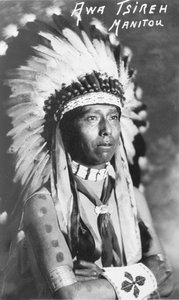
Awa Tsireh
1898 - 1955
Érdekességek
- Artistic Movement Or Style: San Ildefonso Self-Taught
- Artists Or Movements Influenced By This Artist: ['Modernism']
- Artists Who Influenced This Artist: ['Elizabeth DeHuff']
- Date Of Birth: February 1, 1898
- Date Of Death: March 30, 1955
- Full Name: Awa Tsireh (Alfonso Roybal)
- Nationality: American (Pueblo)
- Notable Artworks:
- Running Horse
- Deer Dancer
- Place Of Birth: San Ildefonso Pueblo, NM

