
 Megtekintés
 Küldés
 Megosztás
 Részletek
 Útmutató

 Letöltés
 Hasonló darabok
 X-ray felvétel
 Diavetítés
 Q&A
Q&A Statisztika
David and Dorelia in Normandy

- 37.0 x 45.0 cm


 Összes részlet megjelenítése
Az ezen az oldalon megjelenített műalkotások szerzői jogi védelem alatt állnak, ami azt jelenti, hogy törvényileg nem készíthetünk és nem adhatunk el belőlük pontos másolatokat. Ez a védelem olyan nemzetközi megállapodások alapján érvényesül, mint például a Berni Egyezmény és a nemzeti jogszabályok által, beleértve azokat is, amelyeket meghatározott Az USA szerzői jogi törvénye – 17. cím.
Ez a módszer teljes mértékben megfelel a szerzői jogi szabályozásnak, mivel nem tartalmazza a védett műalkotás másolását vagy duplikálását. Ehelyett ez egy kreatív újinterpretáció – egy új festmény, amely az eredetivel való összefüggései miatt hatással van rá, de nem az az.
Giclée / Műnyomat
Múzeumi minőségű giclée vagy vászonnyomat, gyors gyártással és rugalmas finomítási lehetőségekkel. ( Kézzel festett másolat rendelése Áttérés digitális képre)




P118B Ft10

P118H Ft10

P118W Ft10

P438Z Ft10

P508JH Ft12

P508YH Ft12

P805H Ft10

P805Z Ft10

P919BZ Ft10

P919G Ft10

P919XJ Ft10

P959ZH Ft10

P968JZ Ft12

W106C Ft8

W218G Ft10

W218JH Ft8

W218Y Ft10

W307PJ Ft10

W316G Ft10

W316PJ Ft8

W316Y Ft10

W398PJ Ft8

W4111J Ft10

W500HY Ft15

W500JH Ft15

W692G Ft12

W849H Ft8

W940BG Ft15

W953PJ Ft8




Válasszon előre meghatározott méreteink közül, amelyek megfelelnek a műalkotás eredeti arányainak.

Írja be a keretének vagy a falának megfelelő szélességet és magasságot. A nyomatot csak le lehet vágni, soha nem tehető nagyobbá, mint az eredeti kép, így egy eltérő alakú méretnél a kép egy része elveszik. Mielőtt bármit kinyatintanánk, küldünk egy digitális próbamodellt jóváhagyásra. Az oldalon látható kép nem tartalmazza a valós levágást — ezt csak a próbamodell mutatja meg.
Világszerte történő kiszállítás területére mindössze 2 hét alatt, a szokásos 4-5 hét helyett. (2 november)

Ingyenes globális expressz szállítás

Prémium minőségű len vászon

Teljes körű szállítási biztosítás

Vámvisszatérítési Garancia

Hiteles színarányosság garancia

100 napos visszaküldési lehetőség (csak hibás termékek esetén)

100% pénzvisszatérítési garancia

Több darab vásárlásakor kedvezmény
 Az üvegkeretes opció csak 110 cm alatti méretben érhető el

David and Dorelia in Normandy
Giclée / Műnyomat
Reprodukció mérete
-


Összesített ár
Ft 26198
David and Dorelia in Normandy
Augustus Edwin John’s “David and Dorelia in Normandy” is more than just a portrait; it's a distillation of Edwardian romance and bohemian artistic aspiration, captured with meticulous draughtsmanship and imbued with a palpable sense of intimacy. Painted in 1908, the canvas depicts David Garnett (John) and Dorelia McNeill—John’s mistress—reclining on the grass overlooking a hillside bathed in the golden light of Provence. This idyllic scene transcends mere representation, embodying John's fascination with the Romani people and his exploration of human relationships amidst the backdrop of artistic experimentation.- Style & Technique: The painting exemplifies John’s distinctive Post-Impressionist style—characterized by subtle tonal gradations and a restrained palette dominated by earthy browns, greens, and ochres. John employed a layered technique, applying thin glazes over underdrawings to achieve remarkable luminosity and depth of color. His meticulous attention to detail is evident in the rendering of drapery folds and facial expressions, conveying an understated emotional resonance.
- Historical Context: Painted during the Edwardian era—a period marked by social conservatism juxtaposed with burgeoning artistic innovation—the artwork reflects the prevailing mood of refined leisure and intellectual curiosity. John’s decision to portray Dorelia McNeill alongside Garnett was a bold statement against societal conventions, highlighting the complexities of love and desire within the confines of Victorian morality.
- Symbolism & Narrative: The hillside landscape serves as a symbolic representation of stability and contemplation—a counterpoint to the turbulent emotions simmering beneath the surface. Dorelia’s pose—relaxed yet watchful—suggests an awareness of John's gaze, hinting at unspoken desires and vulnerabilities. The painting captures a moment of quiet connection between two individuals navigating the challenges of passion and commitment.
- Fitzwilliam Museum Perspective: Held by the Fitzwilliam Museum in Cambridge, “David and Dorelia in Normandy” exemplifies John’s ability to convey profound emotion through deceptively simple compositions. Its provenance underscores its significance within British art history—a testament to John's enduring legacy as one of the foremost portrait painters of his time.
- Reception & Influence: Critics lauded John’s masterful draughtsmanship and psychological insight, recognizing “David and Dorelia in Normandy” as a quintessential example of his oeuvre. The painting continues to inspire artists and collectors alike—a timeless depiction of human connection that resonates with viewers across generations.
Kérdések és válaszok
Használhatom az augmented reality technológiát, hogy megtekintsem a „David and Dorelia in Normandy”, Augustus Edwin John alkotása művet a saját szobámban?
A „David and Dorelia in Normandy”, Augustus Edwin John alkotása Kiterjesztett valóság előnézet oldala kiterjesztett valóságot használ, hogy az alkotást egy kompatibilis eszközön, az Ön saját környezetében is megmutassa.
„David and Dorelia in Normandy”, Augustus Edwin John alkotása festmény, rajz vagy grafika?
A „David and Dorelia in Normandy”, Augustus Edwin John alkotása művészeti alkotás a WallArt kategóriába tartozik. Ez a besorolás határozza meg az eredeti alkotás típusát.
Mi a(z) domináns színe a(z) „David and Dorelia in Normandy”, Augustus Edwin John alkotása alkotásnak?
A(z) "David and Dorelia in Normandy" alkotásban leginkább a Cobalt Violet (#767a97) szín tűnik ki. A domináns szín hasznos, amikor egy műalkotást össze kell egyeztetni egy belső térrel.
A művész életrajza
A Welsh Bohemian: The Life and Art of Augustus Edwin John
Augustus Edwin John, a névrokkos és szenvedélyes művész, egyedi életmódja és festményei mindegyike egyedülálló. Született Tenbynél, Walesben 1878-ban, a művészi utca elején, a szülői ölelésben kezdődött el a rajzolás iránti vágya. Ez az ébresztő erő későbbi életében is meghatározta, és a Tenby School of Art tanulmányaiiban mutatkozott meg először a tehetsége. A Slade School of Fine Art-on (1894-1898) töltött idő azonban valóban felgyújtotta az alkotói lángot, ahol a vonalkészségei szinte kivételes mértékűek lettek, és már ekkor elnyerte a tiszteletet és a figyelmet. Egy tragikus esemény azonban megváltoztatta életét: 1897-ben, Tenbynél egy merülés közbeni baleset után súlyos fejbontás következett be, ami mélyen befolyásolta személyiségét és művészeti stílusát.Influences and the Shaping of a Style
John művészi érzékei mélyen gyökereztek az ókori mestereknél, különösen Peter Paul Rubensoznál, akinek dinamikus kompozíciói és gazdag színvilága ihletett benne nagy tiszteletet. Ugyanakkor a francia kortársok, mint például Matisse és Gauguin, innovációit is magozta, elfogadva a színek kifejező használatát és a hagyományos akadémiai korlátok elutasítását. Puvis de Chavannes finom tonal harmóniája pedig tovább gazdagította az esztétikai látásmódját. Ezek a sokszínű befolyások egyedülálló stílust alkottak, melyet élénk színekkel, folyós vonalakkal és a tárgyak lényegének megfogására való törekvéssel jellemeztek. John nemcsak a hasonlóságot akarta ábrázolni; az egyes egyének átélésének, pillanatnyi érzelmeinek felfedezését célozta meg. Ez a vágy vezette őt a portréfestészetben, ahol kivételes képessége volt az "instantán hangulat" elkaptására – a modell lelke rövid pillantásának megörökítésére.Portraits and Gypsy Lore: A Life Lived Fully
Augustus Edwin John művészete leginkább a lenyűgöző portréinak köszönhetően ismert. Festményei életre kelték a nemesi és irodalmi világ prominens szerepeseit, olyan alakokat ábrázolva, mint David Lloyd George, James Joyce és George Bernard Shaw, akiknek munkái mély pszichológiai rétegeket tartalmaznak, ami meghaladja a egyszerű reprezentációt. Bemutatások, mint például *Caspar* (1909), egy gyermeki ártatlanságot ábrázoló szívmeltő, és Archibald Henry Macdonald Sinclair (1924) portréi valamint Francis Henry Crittall (1919) is bizonyíték a képességére. John művészi érdekei azonban nem korlátozódtak a hagyományos portréfestészetre. A románik kultúrával való mély kapcsolatában pedig egy nomád életmódot választott, családjával együtt egy hosszú időre vándorolt. Ez az elméletesen élvezhető tapasztalat nagyban befolyásolta művészetét, belefogadva a szabadság, a vadászati vágy és a természet szépségének témáit. A közösséggel való mély kapcsolata pedig azt eredményezte, hogy a Gypsy Lore Society elnöke lett, ezzel is megerősítve az értékét és tiszteletét irántuk. *Air Mechanic Shaw* (1935), T.E. Lawrence portréja egy másik bizonyítéka annak képességére, hogy összetett karaktereket kiváló érzékenységgel ábrázoljon.A Complex Legacy: Recognition and Reassessment
Augusztus Edwin John karrierje során széles körű elismerést és kritikus változásokat is élvezett. Kezdetben a festményeinek innovatív olajrajzolási technikái és alakrajzai miatt ünnezték, de néhány kritikust később túl pompásnak vagy festői kifinomultság hiányosnak találta. A I. világháború idején mint katonai művész, a kanadai csapatokhoz tartozva emlékezetes portrékat alkotott, de egy tragikus incidens miatt visszahívták Angliába. Bár ezek a kihívások után John továbbra is prodigiózusan festett portrékat a gazdag és híres embereknek, stílusa néhány évvel később elvándorolt, munkái kritikusok szerint "csillantók és bombasztikusak" lettek. Azonban az 1942-es kitüntetése mellett, John dokumentálta életét és művészi filozófiáját két kötete révén: *Chiaroscuro* (1952) és *Finishing Touches* (a halála után megjelent). Bár hírneve egy kicsit elhalványult a második világháború után, az utóbbi időben újraértékelésre került, különösen az első művek vibranciája és eredetisége miatt. Művészete öröksége tovább gazdagodik a nővére, Gwen John művészi eredményei által, akinek egyedi látásmódja is jelentős mértékben hozzájárult a modernista mozgalomhoz.- Született: January 4, 1878, Tenby, Wales
- Halott: October 31, 1961, Fordingbridge, Anglia

Augustus Edwin John
1878 - 1961 , Egyesült Királyság
Rövid információk
- Artistic Movement Or Style: Post-Impressionnisme
- Artists Or Movements Influenced By This Artist: ['Peinture britannique moderne']
- Artists Who Influenced This Artist:
- Rubens
- Matisse
- Gauguin
- Date Of Birth: 4 janvier 1878
- Date Of Death: 31 octobre 1961
- Full Name: Augustus Edwin John
- Nationality: Gallois
- Notable Artworks:
- Caspar
- Air Mechanic Shaw
- David John
- Place Of Birth: Tenby, Pays de Galles
Kapcsolódó cikkek
The Resonance of Earthly Tones: Exploring Nuance, History & Emotional Impact in Art
Explore the captivating world of earth tones in art! Discover historical context, emotional resonance & artistic techniques behind these timeless colors. Find inspiration for your home decor and museum-quality reproductions.
Agyagbarna Mesterek: A 10 Legikonikusabb Festmény, melyeket a Föld Színei Domálnak
Fedezze fel a 10 legikonikusabb festményt, melyeket az agyagbarna és földszínek dominálnak! Rembrandt, Van Gogh és más mesterek művei inspiráló történetekkel. Múzeumi minőségű reprodukciók otthonába – OriginalUniqueArt.com.
A 10 legikonikusabb festmény gombaszínekben – művészet otthonába a OriginalUniqueArt.com-mal
Fedezze fel a 10 legikonikusabb festményt, melyeket gombaszínek és barna árnyalatok dominálnak! Ismerje meg Van Gogh, Monet, Rembrandt műveit és inspirálódjon otthon dekorációjához. Museum-minőségű reprodukciók a OriginalUniqueArt.com-on!
A homokszínű mesterművek világa: 10 ikonikus festmény a OriginalUniqueArt kínálatában
Fedezze fel a 10 legikonikusabb homokszínű festményt! Monet, Van Gogh és más mesterek művei inspirálnak. Vászonképek, faliképek otthonába – OriginalUniqueArt.com kínálatából. Explore the full collection online!
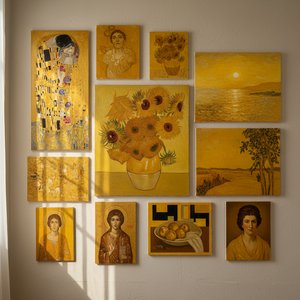
A sárgaokker aranykora: 10 híres festmény, melyek elbűvölnek | OriginalUniqueArt.com
Fedezze fel a sárgaokker festmények aranykorát! 10 híres műalkotás – Van Gogh, Rembrandt, Monet és más mesterek remekművei. Művészettörténet, inspiráció otthonába. Prémium minőségű reprodukciók a OriginalUniqueArt.com-on!


