

 Megtekintés
 Küldés
 Megosztás
 Részletek

 Letöltés
 Hasonló darabok
 X-ray felvétel
 Diavetítés
A cavalry battle
 Összes részlet megjelenítése
Vásároljon nagy felbontású, javított digitális képet, amely minőségében messze felülmúlja az online előnézetet.
Minden fájlt szakembereink a legmodernebb eszközök és precíz, kézi retusálás segítségével készítenek el aprólékosan. Gondoskodunk arról, hogy minden kép kivételes tisztasággal, pontos színhelyességgel és részletgazdag finomsággal rendelkezzen.
A végleges fájl 72 órán belül e-mailben megérkezik, professzionális, szerkesztői és nyomtatási környezetbe optimalizálva az azonnali használathoz. Ez ugyanaz a minőség, amelyben a legmeghatározóbb tervezőstúdiók, kiadók és galériák is megbízhatnak.
Digitális kép
Töltsön le nagy felbontású fájlt személyes kiállításokhoz, nyomtatáshoz és kreatív projektekhez. ( Nyomat rendelése Kézzel festett másolat rendelése)
Minden digitális kép rendeléséhez tartozó extrák
Szakértői digitális kézbesítés, garantáltan
Amikor a OriginalUniqueArt.com szolgáltatást választja, nem csupán egy képet kap – professzionálisan felmagasított digitális műalkotást kap, amely precizitással készült, és amelyet megelégsedési gwarancia tesz biztoslássá. Az alábbiakban automatikusan minden benne 】

Gyors e-mail teslimítés
A nagy felbontású digitális képmásolatát a megrendelést követő 72 órán belül e-mailben elküldjük Önnek – azonnal használható formátumban.

MI-alapú digitális fejlesztésű fájl
Műve professzionális módon kerül optimalizálásra fejlett mesterséges intelligencia eszközök és manuális szerkesztés segítségével, biztosítva a maximális részletességet, tisztaságot és színpontosságot.

Örök életű ingyenes újradelivery
Véletlenül törölted vagy elvesztetted a fájlodat? Ne aggódj – bármikor ingyen újra megküldjük neked.

Nincs importköltség – soha
Élvezze műalkotásait azonnal, vám, illeték vagy szállítási költség nélkül – a digitális letöltések mindig adamentesek.

Színpontosság garantálása
Professzionális eszközök és színkezelés segítségével garantáljuk, hogy digitális képe a lehető legpontosabban tükrözze az eredeti színeket.

60 napos elégedettségi garancia
Ha nemມີ elégedett a digitális képpel, 60 napon belül átmunkáljuk azt, vagy 100% visszatérítjük az amountot – kérdés nélkül.

100% Pénzvisszatérítési garancia
Nem érheted el a teljes elégedettséget? 60 napon belül teljes visszatérítést kapsz a digitális fájlod megérkezése után – kérdés nélkül.

Tömegrendelési kedvezmények
Vásároljon 3 képet, spóroljon 10%-et - Vásároljon 5-öt, spóroljon 15%-et - Vásároljon 10+ képet, spóroljon 20%-at. Kiváló kreatív projektekhez, galériákhoz és ügynökségekhez.
A művész életrajza
The Chronicles of Conflict and Cavalry: The Life of August Querfurt
In the grand, sweeping tapestry of the eighteenth-century Baroque, few artists captured the visceral pulse of military life with as much focused intensity as August Querfurt. Born in 1696 in Wolfenbüttel, Querfurt emerged from a lineage of artistic discipline, having received his earliest instruction from his father, the landscape and animal painter Tobias Querfurt. This foundational training instilled in him a profound respect for the anatomical precision required to render the powerful musculature of horses and the intricate details of military regalia. As he moved through the artistic hubs of Europe, eventually settling in Vienna, his work became a bridge between the disciplined observation of his father’s generation and the dramatic, emotive flair characteristic of the late Baroque era.
Querfurt’s journey was one of continuous refinement, shaped by the masters who preceded him. His studies under Rugendas in Augsburg provided him with a sophisticated understanding of landscape and movement, yet it was his deep admiration for the Dutch and Flemish traditions that truly defined his aesthetic. He sought to emulate the dynamic energy found in the works of Philips Wouwerman, a master of equestrian scenes, and drew stylistic inspiration from the battle paintings of Bourguignon, Parrocel, and Van der Meulen. Rather than merely copying these predecessors, Querfurt synthesized their techniques to create a style that felt both historically grounded and strikingly immediate.
A Master of Motion and Military Realism
The true essence of Querfurt’s oeuvre lies in his ability to transform the static canvas into a theater of motion. He was not merely a painter of soldiers; he was a chronicler of the chaos, the dust, and the sudden, sharp movements of cavalry engagements. His compositions often eschewed the rigid symmetry of classical tradition in favor of asymmetrical arrangements that guide the viewer’s eye through the swirling skirmishes and encampments. Through the use of loose brushstrokes and impasto textures, he achieved a sense of atmospheric depth, where the smoke of gunpowder and the grit of the battlefield seem almost tangible to the touch.
While his fame was significantly bolstered by his prolific output of engravings and prints—which allowed his depictions of military maneuvers to circulate widely across European courts—his oil paintings reveal an even deeper layer of narrative complexity. His subjects ranged from the grand scale of epic battles to the more intimate, often overlooked moments of military life:
- Cavalry Skirmishes: Capturing the frantic energy of horses and riders in the heat of combat.
- Military Encampments: Depicting the quiet, organized tension of soldiers at rest between engagements.
- Hunting Scenes: Utilizing his skill with animal anatomy to portray the pursuit of game with predatory grace.
- Rural Life: Occasionally venturing into the pastoral, as seen in his lively depictions of peasants and village life, which showcased a different, more tranquil side of his observational talent.
Legacy and Historical Resonance
The historical significance of August Querfurt extends far beyond the mere documentation of warfare. He occupied a unique position in the Viennese art scene, providing a visual language for the era's preoccupation with military prestige and territorial expansion. His works served as both historical records and propaganda, celebrating the prowess of the cavalry and the structured glory of the imperial forces. Today, his presence is felt in some of Europe’s most prestigious institutions, including the Belvedere Museum, the Augsburg Gallery, and collections in Berlin, Dresden, and Stuttgart.
Ultimately, Querfurt remains a pivotal figure for those studying the transition of European art toward a more realistic, yet still highly dramatic, representation of human conflict. He did not shy away from the unidealized reality of war; instead, he embraced the grit and the glory, ensuring that the thundering hooves of his cavalry would continue to echo through the halls of art history long after the era of the great empires had passed. His ability to marry the meticulous detail of a printmaker with the expressive soul of a painter ensures his enduring place among the masters of the Baroque.
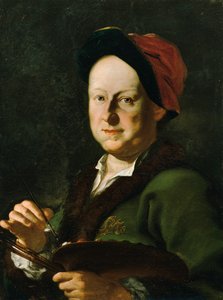
august querfurt
1696 - 1761 , Austria
Érdekességek
- Artistic Movement Or Style: Baroque
- Date Of Birth: Vienna, Austria (1696)
- Full Name: August Querfurt
- Nationality: Austrian
- Notable Artworks:
- Battle of the imperial cavalry with the Turks.
- Cavalry battle between Imperial (red rock bandages) and Sweden (blue sashes)
- A cavalry skirmish
- Place Of Birth: Vienna

