Expressionism · 1914
Tightrope walker (August Macke, 1914)
August Macke (1887–1914) megalkotta: Tightrope walker. 1914-ből származik. A Expressionism irányzathoz tartozik. Acrylic On Canvas anyagból készült. A műtárgyat a Bonn, Németország-i Kunstmuseum Bonn-ben őrzik. Mérete 82 × 60 cm.
- 1914
- Acrylic On Canvas
- 82 × 60 cm
- Kunstmuseum Bonn

 Megtekintés

 Kézzel festett olajfestmény
 Küldés
 Megosztás
 Információs lap


 Letöltés
 Hasonló darabok
 X-ray felvétel
 Diavetítés
 Kérdések és válaszok

 Statisztika
Tightrope walker röviden
- Cím
- Tightrope walker
- Művész
- August Macke (1887–1914)
- A művész születési helye
- Meschede, Németország
- Dátum
- 1914
- Műszaki adatok
- Acrylic On Canvas
- Méretek
- 82 × 60 cm
- Megtekinthető helyszín
- Kunstmuseum Bonn, Bonn, Németország
- Mozgalom
- Expressionism
- Téma
- circus, performance, tightrope, color, harmony, landscape
Mit ábrázol a Tightrope walker?
August Macke: A Symphony of Color Amidst Modern Anxiety
August Robert Ludwig Macke (1887-1914), a name etched in the annals of German Expressionism, embodies the poignant beauty born from fleeting moments and shadowed realities. His tragically premature demise during World War I robbed the art world of a prodigious talent—one who relentlessly pursued new artistic horizons while simultaneously grappling with profound existential questions. Macke’s journey began in Meschede, Westphalia, where he absorbed the influences of Impressionism and Post-Impressionism before decisively embracing Fauvist color palettes and Orphic abstraction, cementing his place as a pivotal figure within Der Blaue Reiter—a revolutionary artistic collective dedicated to exploring psychological landscapes and challenging conventional aesthetic norms.- Subject Matter: Macke’s canvases frequently depict scenes of rural life – farmers tending their fields, children playing outdoors – yet these seemingly idyllic subjects are imbued with an underlying tension reflecting the anxieties of a rapidly changing era. The tightrope walker embodies this duality; he performs his task with grace and precision against a backdrop of towering buildings, symbolizing humanity's precarious balance between tradition and progress.
- Style: Macke’s distinctive style is characterized by bold simplification and flattened perspective—techniques borrowed from Fauvist painters like Matisse. He eschewed meticulous detail in favor of expressive brushstrokes that prioritize color and tonal harmony, creating images brimming with vitality and emotional resonance.
Technique: Bold Color & Textured Surfaces
Macke’s masterful manipulation of pigment is central to his artistic vision. Utilizing thick impasto—a technique involving applying paint in textured layers—he achieved remarkable depth and luminosity, capturing the physicality of the subject matter with palpable immediacy. His color choices are deliberately vibrant and unrestrained, eschewing naturalistic hues for emotionally charged shades that convey mood and atmosphere. The use of complementary colors – blues against reds, yellows against greens – intensifies visual impact and contributes to the overall dynamism of his compositions.- Color Palette: Macke’s palette leans heavily into warm tones—ochres, reds, yellows—contrasting sharply with cooler blues and greens. This deliberate juxtaposition underscores the tension between stability and disruption inherent in the depicted environment.
- Brushwork: Macke's brushstrokes are loose and energetic, conveying movement and spontaneity. He employed a technique known as “Alla Prima,” applying paint directly onto the canvas without underpainting—a bold decision that maximized textural richness and expressive potential.
Historical Context & Symbolism: Facing Uncertainty
Macke’s artistic output coincided with the turbulent years leading up to World War I, a period marked by social unrest and intellectual ferment. The Expressionist movement sought to articulate the psychological realities of the time—the anxieties surrounding impending conflict, the disillusionment following Nietzschean philosophy—and Macke's work reflects this preoccupation. The tightrope walker itself serves as a potent symbol: representing precariousness, balance, and the constant struggle for survival amidst overwhelming forces. It speaks to the human condition – vulnerable yet striving for mastery – mirroring the broader anxieties of a society grappling with profound transformations.Emotional Impact & Legacy
“Tightrope walker” transcends mere visual representation; it resonates deeply with viewers through its evocative color palette and expressive brushwork. Macke’s ability to convey emotion—a palpable sense of tension mingled with beauty—solidifies his position as one of the most influential artists of his generation. His legacy continues to inspire contemporary painters and designers who appreciate the power of bold color and textural innovation, reminding us that art can illuminate not only what we see but also what we feel – a testament to Macke’s enduring artistic brilliance.Melyik múzeumban található meg a Tightrope walker?
Kunstmuseum Bonn
Bonn, Németország
Az expresszió szentélye: A Kunstmuseum Bonn lelke Bonn történelmi szívében, egy olyan városban, ahol Beethoven kompozícióinak visszhangjai még mindig a levegőben vibrálnak, helyezkedik el a Kunstmuseum Bonn —egy mély, megfontolt szentély azok számára, akik a modernizmus nyers, érzelmekkel teli erejét keresik. Belépni ebbe az intézménybe olyan, mint egy utazásra indultunk a huszadik század viharos, mégis gyönyörű pszsikáján keresztül. A múzeum a háború utáni újjáépítés transzformatív érájában született, ahol nemcsak falak helyreállítására, hanem egy kulturális identitás rekonstruálására is szükség volt, és azóta a rhini expresszionizmus globális fényvonalává vált.

Tightrope walker nagy felbontású képei

Felfüggesztett szerzői jogok: a művész 1914-ben halt meg.
Egyéb méretek, kivágások és idézetforrás →August Macke, Tightrope walker (1914), Kunstmuseum Bonn. Felfüggeszthető jogforrás
Tightrope walker kapcsán felmerülő kérdések megválaszolva
Hol látható ma a(z) „Tightrope walker”, August Macke alkotása?
A „Tightrope walker”, August Macke alkotása kiállítva található a Kunstmuseum Bonn, Bonn, Németország-ben. A múzeumi hivatkozás az eredeti műre vonatkozik, nem a reprodukciókra.
Mikor készült a "Tightrope walker"?
A „Tightrope walker”, August Macke alkotása alkotása 1914-ben készült.
Milyen technikával készült a „Tightrope walker”, August Macke alkotása?
A „Tightrope walker”, August Macke alkotása technikája Acrylic On Canvas. A reprodukciók célja ezen technika megjelenítésének hiteles återadása.
Mekkora a „Tightrope walker”, August Macke alkotása valóságos mérete?
A „Tightrope walker”, August Macke alkotása eredeti mérete 82 x 60 cm.
Milyen témák jelennek meg a(z) „Tightrope walker”, August Macke alkotása alkotásban?
A "Tightrope walker" alkotás tárgyai: circus, performance, tightrope, color, harmony, landscape, people.
Szabadon reprodukálható-e a/az „Tightrope walker”, August Macke alkotása képe?
A szerzői jogokkal kapcsolatban a "Tightrope walker" mű közösségi tulajdon – a szerzői jog lejártt.
Ki a "Tightrope walker" mögött álló művész?
A „Tightrope walker” műtémét August Macke alkotójának tulajdonítják.
Mely művészeti irányba tartozik a „Tightrope walker”, August Macke alkotása?
A „Tightrope walker”, August Macke alkotása művészeti irányata a Expressionism. Ez a klasszifikáció a művet a kapcsolódó alkotók és alkotások közé sorolja.
August Macke pályájának mely időszakához tartozik a „Tightrope walker”?
August Macke pályaművében a „Tightrope walker” a Mature Period korszakba tartozik. Ez az időszak segít összehasonlíthatóvá tenni a művet a művész többi alkotásával.
A művészről: August Macke
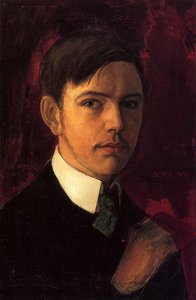
1887–1914, Németország
August Macke
Korai élet, család és képzés Macke August története Németország Meschede településében kezdődött, ahol 1887. január 3-án született. August Friedrich Hermann Macke, az építőiparban tevékenyő vállalkozó és amatőr művész, valamint Maria Florentine egykedi fiúként került a világra. Gyermekkorát édesapja cégének változó sorsa határozta meg, amely a családot először Kölnbe, majd később Bonnba vezette.
August Macke további művei
 Nő egy zöld kabátban1913
 Szokobosz és város háttérében1913
 A Szőnyegbolt1913
 Portrait of the Artist's Wife with Hat1909
Esszék a Tightrope walker körül
 The Magic of Impasto: Capturing Light and Tactile Depth in Impressionist MasterpiecesDiscover the breathtaking beauty of impasto. Explore how Impressionist masters used thick, textured brushstrokes to capture light and emoti…
 Fauvism vs German Expressionism: Distinguishing Color and EmotionMaster the differences between Fauvism and German Expressionism through expert analysis. Learn to decode the emotion behind the color today.
 August Macke: Expressionist Visions of Harmony & Modern LifeExplore the vibrant Expressionist paintings of August Macke (1887-1914). Discover his key role in Der Blaue Reiter, Fauvist influences, and…