

 Megtekintés
 Küldés
 Megosztás
 Részletek
 Útmutató

 Letöltés
 Hasonló darabok
 X-ray felvétel
 Diavetítés
 Statisztika
The Stranded Ship


 Összes részlet megjelenítése
Giclée / Műnyomat
Múzeumi minőségű giclée vagy vászonnyomat, gyors gyártással és rugalmas finomítási lehetőségekkel. ( Kézzel festett másolat rendelése Áttérés digitális képre)




P118B Ft10

P118H Ft10

P118W Ft10

P438Z Ft10

P508JH Ft12

P508YH Ft12

P805H Ft10

P805Z Ft10

P919BZ Ft10

P919G Ft10

P919XJ Ft10

P959ZH Ft10

P968JZ Ft12

W106C Ft8

W218G Ft10

W218JH Ft8

W218Y Ft10

W307PJ Ft10

W316G Ft10

W316PJ Ft8

W316Y Ft10

W398PJ Ft8

W4111J Ft10

W500HY Ft15

W500JH Ft15

W692G Ft12

W849H Ft8

W940BG Ft15

W953PJ Ft8




Válasszon előre meghatározott méreteink közül, amelyek megfelelnek a műalkotás eredeti arányainak.

Írja be a keretének vagy a falának megfelelő szélességet és magasságot. A nyomatot csak le lehet vágni, soha nem tehető nagyobbá, mint az eredeti kép, így egy eltérő alakú méretnél a kép egy része elveszik. Mielőtt bármit kinyatintanánk, küldünk egy digitális próbamodellt jóváhagyásra. Az oldalon látható kép nem tartalmazza a valós levágást — ezt csak a próbamodell mutatja meg.
Világszerte történő kiszállítás területére mindössze 2 hét alatt, a szokásos 4-5 hét helyett. (25 október)

Ingyenes globális expressz szállítás

Prémium minőségű len vászon

Teljes körű szállítási biztosítás

Vámvisszatérítési Garancia

Hiteles színarányosság garancia

100 napos visszaküldési lehetőség (csak hibás termékek esetén)

100% pénzvisszatérítési garancia

Több darab vásárlásakor kedvezmény
 Az üvegkeretes opció csak 110 cm alatti méretben érhető el

The Stranded Ship
Giclée / Műnyomat
Reprodukció mérete
-


Összesített ár
Ft 25642
The Stranded Ship: A Study in Light, Loss, and Resilience
Asher Brown Durand’s “The Stranded Ship,” painted in 1844, is more than just a depiction of a maritime disaster; it's a profound meditation on the precariousness of human existence against the backdrop of nature’s immense power. This monumental oil painting, now meticulously reproduced for discerning collectors and interior designers alike, captures a pivotal moment – a ship caught in the relentless embrace of a storm-tossed sea, its sails furled, its fate uncertain. Durand, a leading figure of the Hudson River School, masterfully employed Luminist techniques to evoke both the drama of the scene and an underlying sense of serene contemplation.
The composition is strikingly balanced, drawing the eye immediately to the central vessel, a sturdy schooner battling against towering waves. The artist’s meticulous attention to detail—the churning water, rendered with subtle gradations of blue and grey; the weathered planks of the ship; the delicate rigging straining under the wind – speaks volumes about Durand's commitment to realism and his deep understanding of natural phenomena. Yet, it is not merely a realistic portrayal; Durand imbues the scene with an almost ethereal quality through his masterful use of light. The setting sun casts a warm, golden glow upon the water, transforming the turbulent waves into shimmering ribbons of amber and gold. This interplay of light and shadow creates a powerful emotional resonance, suggesting both beauty and impending doom.
A Window into 19th-Century America
“The Stranded Ship” is firmly rooted in the artistic and intellectual currents of mid-19th century America. The Hudson River School, to which Durand belonged, rejected the European Romantic tradition’s emphasis on dramatic emotion and instead focused on celebrating the beauty and grandeur of the American landscape. Artists like Durand sought to capture the essence of nature – its sublime power, its intricate details, and its profound spiritual significance. This painting reflects a broader cultural shift towards valuing the natural world and embracing a sense of national identity rooted in the vastness and diversity of the American wilderness.
The historical context is also crucial. Painted during a period of rapid industrialization and westward expansion, “The Stranded Ship” can be interpreted as an allegory for America’s own journey – a nation forging its path amidst challenges and uncertainties. The ship represents humanity's vulnerability in the face of nature’s forces, while the setting sun symbolizes the passage of time and the inevitability of change. Interestingly, the painting was commissioned by Henry S. Mulligan, a prominent New York businessman, suggesting a connection between artistic contemplation and the realities of commerce and progress.
Symbolism and Emotional Resonance
Beyond its literal depiction of a shipwreck, “The Stranded Ship” is rich in symbolic meaning. The ship itself represents human ambition, resilience, and the enduring spirit of exploration. Its vulnerability underscores the limitations of human control and the humbling power of nature. The birds circling overhead—a lone gull and a flock of smaller seabirds—add another layer of interpretation, perhaps suggesting both hope (the solitary bird) and the cyclical nature of life and death.
Durand’s masterful use of color and light contributes significantly to the painting's emotional impact. The warm hues of the sunset evoke feelings of nostalgia, tranquility, and a sense of melancholy. Simultaneously, the turbulent waves convey a feeling of unease and impending danger. The overall effect is one of profound beauty tinged with sadness – a poignant reminder of the fragility of life and the enduring allure of the natural world. It’s a scene that invites contemplation on themes of fate, survival, and the relationship between humanity and its environment.
A Timeless Masterpiece for Your Space
Today, “The Stranded Ship” continues to captivate viewers with its breathtaking beauty and profound emotional depth. High-quality reproductions offer a remarkable opportunity to bring this iconic artwork into your home or office – transforming any space into a sanctuary of artistic inspiration. Whether you’re an art collector, an interior designer seeking to create a sophisticated atmosphere, or simply someone who appreciates the power of visual storytelling, Durand's masterpiece is sure to resonate deeply.
Consider a canvas print for a truly immersive experience, or explore framed options that complement your existing décor. With meticulous attention to detail and archival quality materials, our reproductions faithfully capture the essence of this timeless work of art – allowing you to own a piece of American artistic history.
Kérdések és válaszok
Hol tekinthető meg az eredeti „The Stranded Ship”, Durand Asher Brown alkotása?
A „The Stranded Ship”, Durand Asher Brown alkotása kiállítva található a Nemzeti Galéria, Washington, USA-ben. A múzeumi hivatkozás az eredeti műre vonatkozik, nem a reprodukciókra.
Milyen reprodukciós méretet javasol a „The Stranded Ship”, Durand Asher Brown alkotása alkotáshoz?
A „The Stranded Ship”, Durand Asher Brown alkotása alkotáshoz egy Medium méretű reprodukciót javasolunk. A méret az arányok megőrzésével módosítható.
Mennyire tel愈t a "The Stranded Ship" színpalettája?
A „The Stranded Ship”, Durand Asher Brown alkotása színei Balanced Soft telítettségűek. A telítettség azt mutatja meg, hogy a színek mennyire élénkek vagy fakók.
A művész életrajza
A Life Rooted in the American Landscape
Asher Brown Durand, born August 21, 1796, in Maplewood, New Jersey, wasn’t initially destined for a life immersed in paint and canvas. His early years were shaped by the practical world of his father, a watchmaker and silversmith – a profession that instilled in him an extraordinary attention to detail, a meticulousness that would later become fundamental to his artistic approach. This grounding in craftsmanship led him down an unexpected path: an apprenticeship with the engraver Peter Maverick in 1812. Initially, Durand seemed destined for a career within the precise lines of engraving, and he quickly proved himself exceptionally skilled, rising through the ranks of the firm and establishing its New York City branch. His reputation as an engraver soared dramatically after completing the intricate reproduction of John Trumbull’s *The Declaration of Independence* in 1823 – a monumental undertaking that firmly cemented his standing within the artistic community. However, beneath the surface of this exacting craft lay a burgeoning passion for capturing the raw beauty and grandeur of the natural world, a calling that would ultimately transform him into one of America's most celebrated landscape painters.From Engraving to Embracing Nature’s Palette
The transition from meticulous engraver to a painter dedicated to capturing the essence of nature wasn’t immediate or straightforward. Durand continued his engraving work while simultaneously exploring painting, initially focusing on portraiture and genre scenes – works that showcased his technical skill but didn't fully satisfy his artistic aspirations. A pivotal moment arrived in the 1830s through the patronage of Luman Reed, a wealthy merchant who recognized Durand’s potential and provided him with the financial support to dedicate himself more fully to painting. Reed’s encouragement, coupled with a transformative sketching expedition with his close friend, Thomas Cole, in the Adirondacks during the summer of 1837, proved to be a catalyst for change. This journey into the untamed wilderness – a vast expanse of mountains, lakes, and forests – fundamentally altered Durand's artistic perspective. He discovered a profound connection to the American landscape, an overwhelming sense of awe and wonder that compelled him to translate these experiences onto canvas. He began spending his summers immersed in nature, meticulously documenting the Catskills, Adirondacks, and White Mountains through countless drawings and oil sketches; each stroke was deliberate, informed by a deep understanding of light, shadow, and texture. These preliminary studies weren’t merely preparatory exercises; they were integral to his artistic process, informing the composition, color palette, and overall mood of his finished paintings.A Founding Voice of the Hudson River School
Durand's dedication to landscape painting aligned him with a burgeoning group of artists who shared a similar vision – a movement that would soon be recognized as the Hudson River School. This school wasn’t simply about depicting picturesque scenery; it was about imbuing landscapes with emotional resonance, spiritual significance, and a profound connection to the divine. Durand became one of its founding members, alongside Cole, and played a crucial role in establishing the school's distinctive aesthetic. The Hudson River School painters sought to capture not just the appearance of nature but also its essence – its power, beauty, and majesty. Durand’s work embodies this philosophy, characterized by an extraordinary level of realism combined with a romantic sensibility. He believed in observing nature with unwavering accuracy, meticulously rendering every detail from the texture of bark to the play of light on water. Yet, he also recognized that landscapes could evoke powerful emotions – feelings of awe, reverence, and even spiritual transcendence. His paintings weren’t merely representations of places; they were expressions of his deep connection to the American wilderness and a celebration of God's creation.Major Achievements and Artistic Style
Durand’s artistic style evolved significantly throughout his career, reflecting his deepening understanding of landscape painting. Initially influenced by the precision of engraving, he gradually developed a looser, more expressive brushstroke – a technique that allowed him to capture the fleeting effects of light and atmosphere. His paintings are renowned for their meticulous detail, vibrant colors, and atmospheric perspective. He was particularly adept at depicting trees, capturing their complex forms and textures with remarkable accuracy. His most celebrated works include *The Solitary Oak* (1846), a powerful depiction of an ancient tree standing alone in a vast landscape; *Sketch in the Woods* (1838), which captures the dappled light filtering through the trees; and *Kindred Spirits* (1849), a monumental painting that depicts Cole and poet William Cullen Bryant amidst a serene woodland scene – a testament to their shared appreciation for nature. Durand’s influence extended beyond his own artistic output, as he served as president of the National Academy of Design from 1845 to 1861, using his position to champion American art and nurture emerging talent.Legacy and Enduring Influence
Asher Brown Durand's legacy extends far beyond his individual paintings. He was a pivotal figure in shaping the course of American landscape painting, establishing new standards for realism and artistic expression. His “Letters on Landscape Painting,” published in *The Crayon* in 1855, articulated his artistic principles and advocated for direct observation from nature – a philosophy that continues to resonate with artists today. Durand’s commitment to capturing the beauty and spiritual significance of the American wilderness cemented his place as one of the most important figures in the Hudson River School and a lasting influence on generations of landscape painters. His paintings, now housed in major museums across the country, offer viewers a glimpse into 19th-century America – a nation grappling with its identity while simultaneously discovering the profound beauty and spiritual power of its natural landscapes.
Durand Asher Brown
1796 - 1886 , Egyesült Államok
Rövid információk
- Artistic Movement Or Style: Hudson River School
- Artists Or Movements Influenced By This Artist: ['Hudson River School']
- Artists Who Influenced This Artist: ['Thomas Cole']
- Date Of Birth: 1796. augusztus 21.
- Date Of Death: 1886. szeptember 17.
- Full Name: Asher Brown Durand
- Nationality: Amerikai
- Notable Artworks:
- A vadász
- A fák
- Tengerpart
- Place Of Birth: New York, USA
Kapcsolódó cikkek
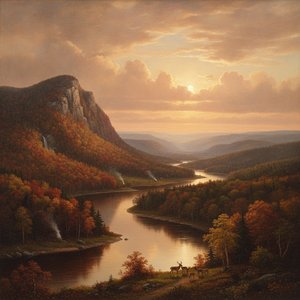
The Hudson River School: A Definitive Guide to America's Romantic Landscape Tradition
Explore the profound legacy of the Hudson River School. Discover how masters like Thomas Cole captured the American sublime through Romanticism and Luminism. A definitive guide for art historians and collectors seeking to understand America's wild beauty.

Szállítás és visszaküldés
APS világszerte szakértő művészeti szállítást nyújt múzeumi szintű gondoskodással, teljes nyomon követéssel és 100 napos pénzvisszafizetési garanciával. A vámügyi támogatástól a Priority Production-ig bízz az átlátható szolgáltatásban, a biztonságos csomagolásban és a megbízható kiszállításban gyűjtők, tervezők és galériák számára.
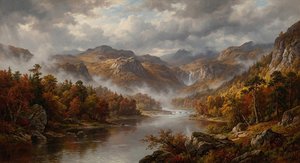
A Hudson River Iskola 10 Mesterműve: Tájképfestészet és Amerika Lelke – OriginalUniqueArt
Fedezze fel a Hudson River Iskola 10 legikonikusabb műalkotását! Frederic Church, Thomas Cole és más amerikai festők romantikus tájképei. Vászonkép másolatok, faliképek otthonába – OriginalUniqueArt.com kínálatából. Explore the full collection online!
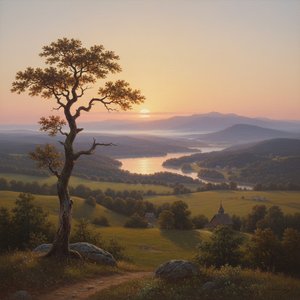
Asher Brown Durand: Luminism, Landscape & the American Ideal – A Comprehensive Exploration
Explore the life & art of Asher Brown Durand, a founding member of the Hudson River School. Discover his masterful landscapes, Luminist techniques, and lasting impact on American painting. Learn about key works like 'Kindred Spirits' & collecting Durand today.
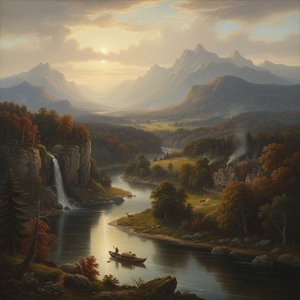
Capturing the American Spirit: A Journey Through Iconic Landscapes and the Legacy of the Hudson River School
Explore the profound beauty of American art history. From the Hudson River School to iconic landscapes, discover a curated journey through the masterpieces that defined a nation's spirit and the enduring legacy of American Romanticism.

